With the accession of Cambodia in April 1999, the Association of South-East Asian Nations (ASEAN) finally achieved its founding vision: the incorporation of all ten South-east Asian states.
With the accession of Cambodia in April 1999, the Association of South-East Asian Nations (ASEAN) finally achieved its founding vision: the incorporation of all ten South-east Asian states.
East Asia has been relatively free from large-scale conflict in the 1990s, but the absence of security organisations or even of a sense of community within the region has raised doubts about its future security.
East Asia has been relatively free from large-scale conflict in the 1990s, but the absence of security organisations or even of a sense of community within the region has raised doubts about its future security.
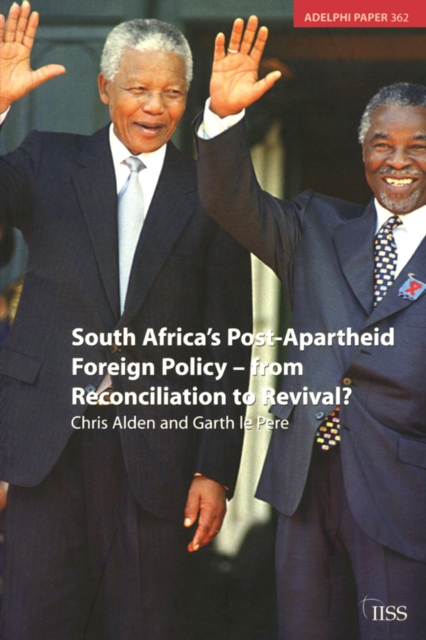
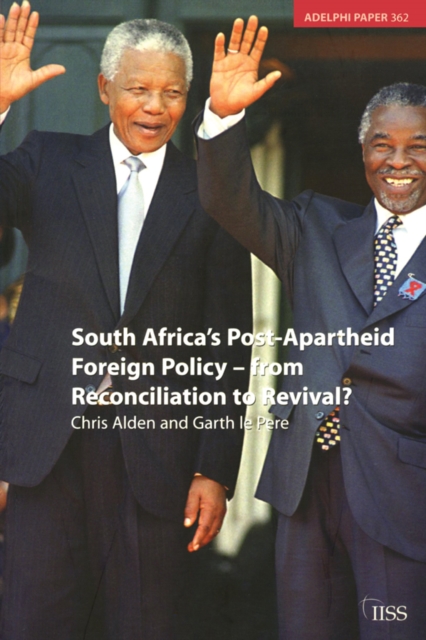
The book presents and analyses South African foreign policy, from the onset of the democratic transition of Nelson Mandela in 1994 to the contemporary period.
The book presents and analyses South African foreign policy, from the onset of the democratic transition of Nelson Mandela in 1994 to the contemporary period.
Discusses the impact of globalisation on security in the West and in particular the way it has changed the nature of NATO as well as its security agenda.
Discusses the impact of globalisation on security in the West and in particular the way it has changed the nature of NATO as well as its security agenda.
This paper analyses and assesses the effectiveness of international administrations of war-torn territories and discusses the key issues - strategic, political, and economic - that arise in the context of these experiences.
This paper analyses and assesses the effectiveness of international administrations of war-torn territories and discusses the key issues - strategic, political, and economic - that arise in the context of these experiences.
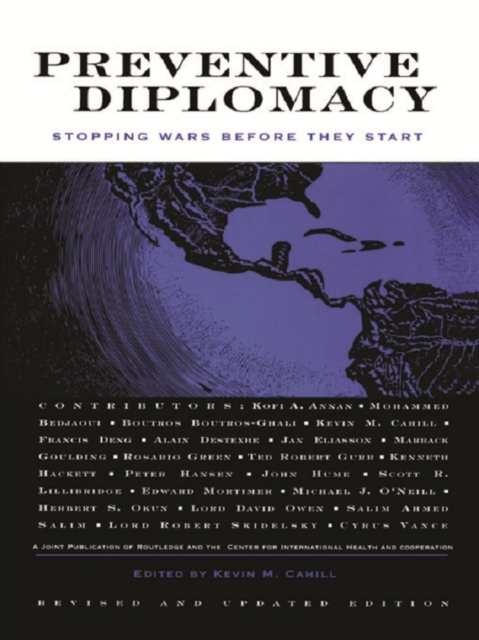
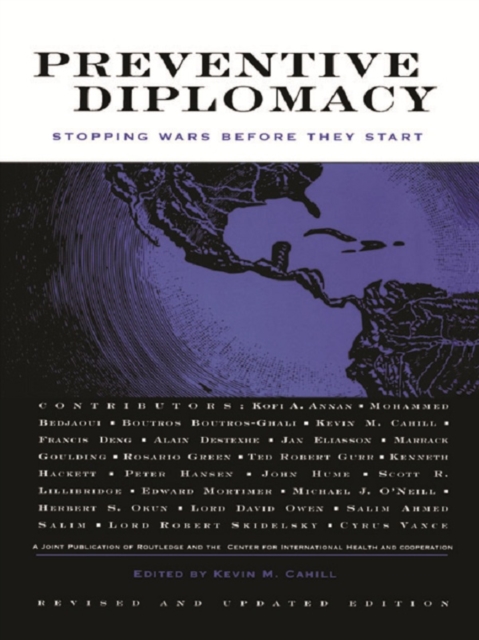
The suppression of war has been the primary objective of the United Nations for almost fifty years, and stopping a war before it starts is easier than ending a war already underway.
The suppression of war has been the primary objective of the United Nations for almost fifty years, and stopping a war before it starts is easier than ending a war already underway.
The political and economic geography of Europe is changing - the European Community is expanding its boundaries towards EFTA and is resuming a closer association with Central and Eastern European regions engaged in radical restructuring.
The political and economic geography of Europe is changing - the European Community is expanding its boundaries towards EFTA and is resuming a closer association with Central and Eastern European regions engaged in radical restructuring.
This pioneering volume examines Europeanism in the new international society that emerged after the First World War through the League of Nations, with a focus on the countries of Central and Eastern Europe (CEE), the Baltic countries, and the Balkans.
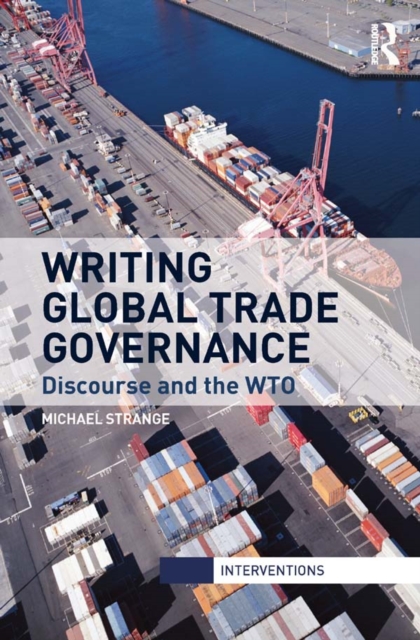
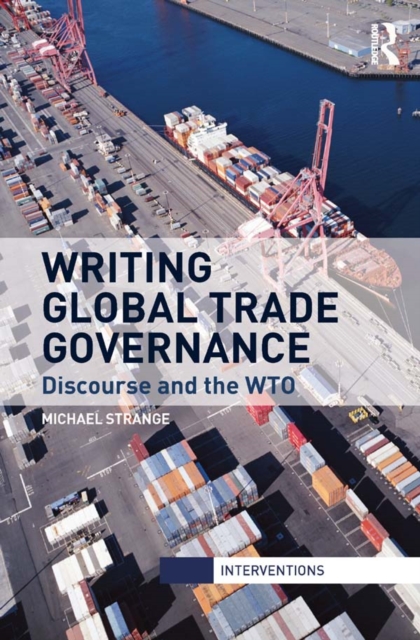
Writing Global Trade Governance operationalises a key post-structuralist methodology in order to expand understanding on the institution at the heart of the global political economy.
Writing Global Trade Governance operationalises a key post-structuralist methodology in order to expand understanding on the institution at the heart of the global political economy.
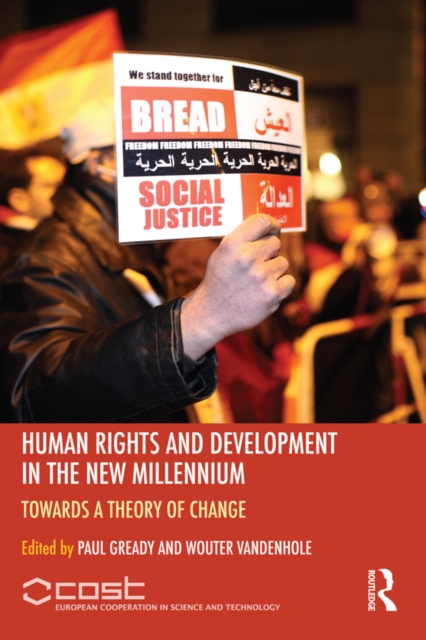
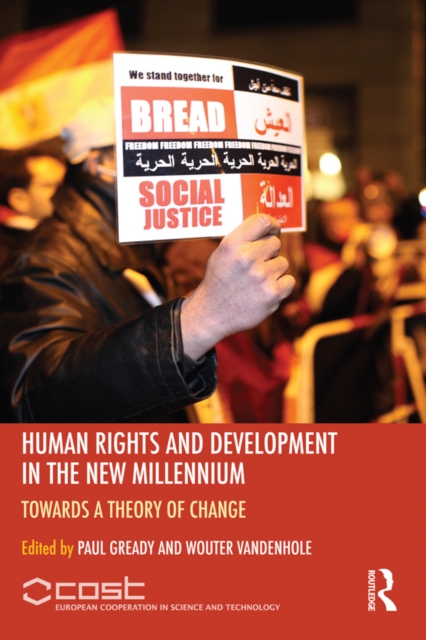
In recent years human rights have assumed a central position in the discourse surrounding international development, while human rights agencies have begun to more systematically address economic and social rights.
In recent years human rights have assumed a central position in the discourse surrounding international development, while human rights agencies have begun to more systematically address economic and social rights.
Rorden Wilkinson explores the factors behind the collapse of World Trade Organisation (WTO) ministerials - as in Seattle in 1999 and Cancun in 2003 - and asks why such events have not significantly disrupted the development of the multilateral trading system.
Rorden Wilkinson explores the factors behind the collapse of World Trade Organisation (WTO) ministerials - as in Seattle in 1999 and Cancun in 2003 - and asks why such events have not significantly disrupted the development of the multilateral trading system.