The edited volume titled "e;Decoding the Chessboard of Asian Geopolitics: Asian Powerplay in South Asia, Central Asia, and West Asia"e; offers a distinctive examination of the power rivalries within the Asian region.
This book explores the role of the Central Security Council (CSTO) in ensuring regional security, analyzing the evolution of cooperation between post-Soviet states since the Soviet Union's demise.
This book offers a pioneering approach to collaborative co-authorship, integrating storytelling, participatory action research, and innovative uses of technology like Zoom to bridge geographical and cultural divides.
This book is a pioneering multi-disciplinary analytical study of Caribbean political corruption grounded in Caribbean epistemology, challenging universalist perceptions generated outside the region which take no account of historical and cultural elativity.
This book critically analyzes the criminalization of incitement to terrorism under the fundamental principles of legality, necessity, and proportionality with the aim of striking a fair balance between security and liberty on this complicated issue.
Aid organizations usually embrace the idea of digitalization, both in terms of using diverse technologies and processing data digitally for improving their services, making their operations more efficient and even mitigating various risks.
This book explores the political, economic, defence, and cultural relations of Poland with South Asia-Afghanistan, Bangladesh, Bhutan, India, Myanmar, Nepal, Pakistan, and Sri Lanka-since the late 1940s to the present.
Developing an original approach, this book examines how both nationalism and climate change threaten humankind with future catastrophes, arguing that humanity is on a fast track to a dystopian future unless significant changes are implemented.
This book contends that the development of modern Chinese international thought has been profoundly shaped by the distinctive nature of the Chinese state as a contender state and its global positioning since 1912.
This book investigates the integration of Syrian refugees in the United States, and it identifies the challenges that hinder their successful integration.
This book critically engages with the development-security nexus in contemporary Africa, coinciding with the twentieth anniversary of the African Union (AU).
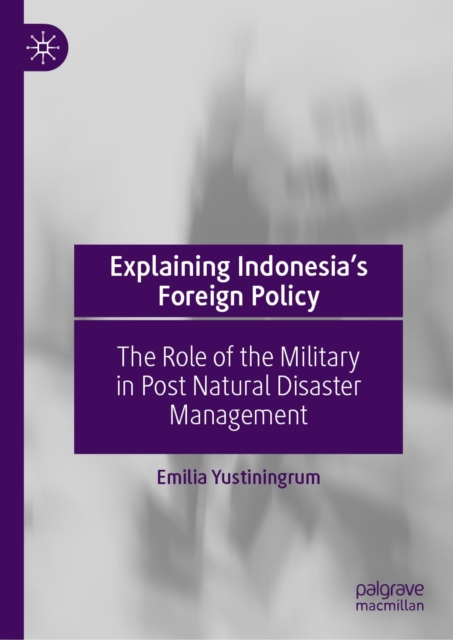
This book examines Indonesia's post-Aceh tsunami disaster management through the lens of a multifaceted foreign policy decision-making process involving a variety of bureaucratic actors.
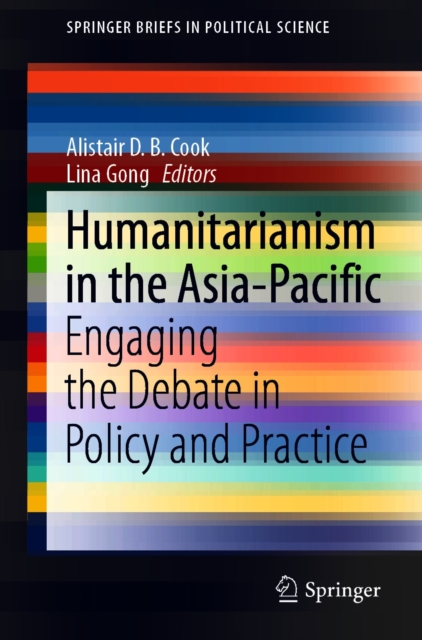
This collection offers insights of the international humanitarian system, considering what constitutes humanitarianism in Asia-Pacific, and how it shapes policy and practice in the region and globally.
This book focuses on rapprochement and normalisation between Israel and some Arab countries within the context of global and regional geopolitics, bringing together broader perspectives on transformations resulting from this.
This book offers a cross-civilizational and interdisciplinary approach to the Belt and Road Initiative (BRI) research to mitigate the problematiques of extant literature.
Humanitarian military intervention and muscular peace operations have been partially effective in recent years in saving thousands of lives from the Balkans to Haiti to Somalia to Cambodia to Mozambique.
In an era where debates about public health research, policy, and practice are central to the wider socio-political discourse, this invaluable volume brings together key themes from the last 15 years of critical scholarship in and of public health.
This book examines violence and political developments in the western borderland communities of Pakistan, a postcolonial militarist state in the Global South, through the lens of gendered experiences of insecurity.
The establishment of the International Criminal Court (ICC) is a landmark development in the field of international criminal law, marking a significant step forward in the pursuit of global justice.
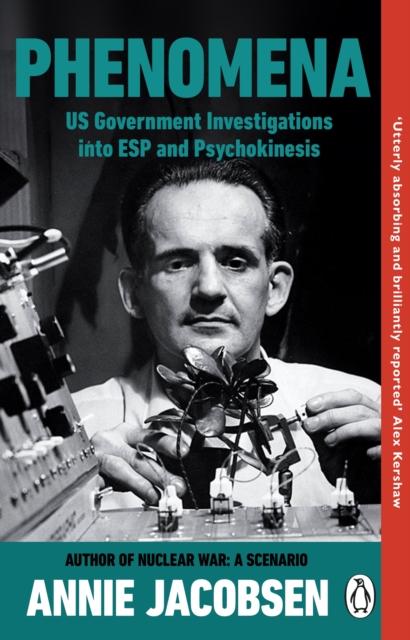
From the author of Nuclear War: A Scenario, this is the gripping story of how a select group of scientists, under the watchful eye of the CIA, sought to harness the power of the mind as tools of espionage and warfare.
This book examines violence and political developments in the western borderland communities of Pakistan, a postcolonial militarist state in the Global South, through the lens of gendered experiences of insecurity.