European Defence Cooperation (1984) considers the varied elements of European defence cooperation and the obstacles to further development of a European pillar within NATO.
Provides detailed analyses of the related concerns of energy needs, the economy, and national security for developing countriesArgentina, Brazil, Cuba, India, Pakistan, South Africa, South Korea, and Taiwan.
When Beijing hosted the 2008 Summer Olympics, China symbolically asserted its role as an emerging world powera position it is not likely to relinquish anytime soon.
Dealing with Dictators explores America's Cold War efforts to make the dictatorships of Eastern Europe less tyrannical and more responsive to the country's international interests.
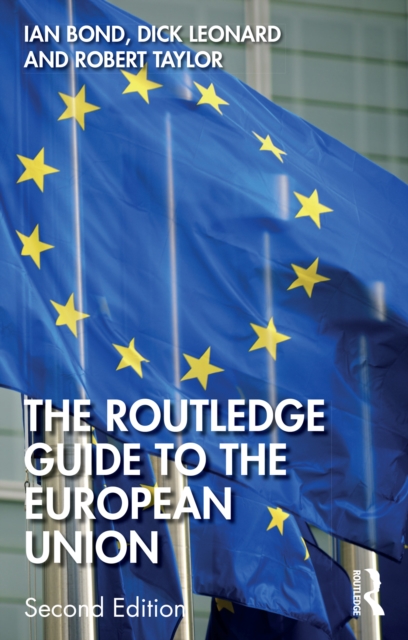
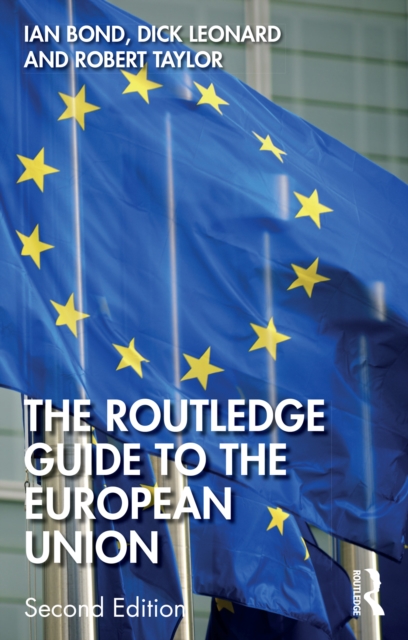
Written by experts, this long-established and definitive guide to the workings of the European Union provides comprehensive, straightforward and readable coverage of this sometimes misunderstood and complex institution.
Written by experts, this long-established and definitive guide to the workings of the European Union provides comprehensive, straightforward and readable coverage of this sometimes misunderstood and complex institution.
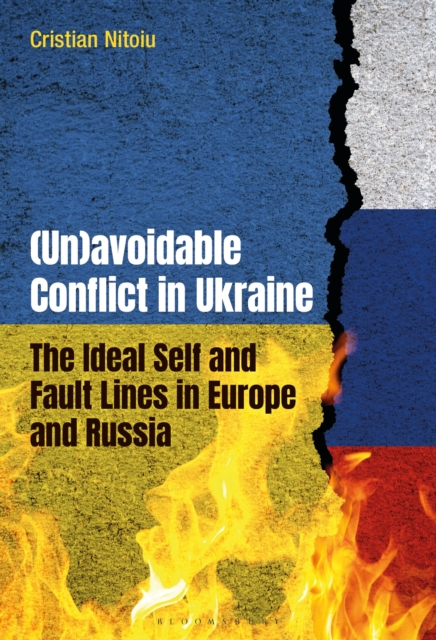
Taking a conceptual approach to European-Russian relations in the post-Cold War era, this book traces how each side's "e;ideal self"e; came into conflict with "e;fault lines"e; in international politics.
New Dimensions of World Politics (1975) examines the changes to world politics as bankers, industrialists and scientists have taken more influence over world affairs from diplomats and soldiers.
Qin explores the ten-year development of relations between China and Central and Eastern Europe through the China-CEEC (China-Central and Eastern European Countries) cooperation (16/17+1), which began as a platform for annual high-level meetings between leaders of China and Central and Eastern Europe (CEE) countries, and to stimulate new dynamism and gain recognition through effective shared practice.
This book examines and analyses the factors essential for the success of the Belgian Revolution of 1830, in which the southern provinces of the United Kingdom of the Netherlands successfully broke away in a nationalist revolt and became the independent Kingdom of Belgium.
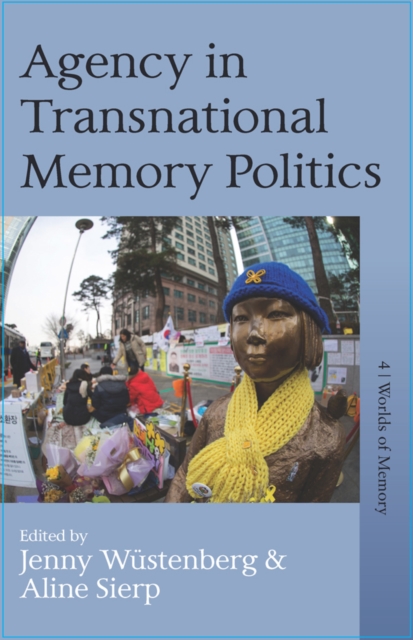
The dynamics of transnational memory play a central role in modern politics, from postsocialist efforts at transitional justice to the global legacies of colonialism.
This title is part of UC Press's Voices Revived program, which commemorates University of California Press's mission to seek out and cultivate the brightest minds and give them voice, reach, and impact.
This title is part of UC Press's Voices Revived program, which commemorates University of California Press's mission to seek out and cultivate the brightest minds and give them voice, reach, and impact.
Russian Far Eastern Policy 1881-1904 by Andrew Malozemoff offers a rigorous reassessment of Russia's eastward expansion and the tangled diplomacy that led to one of the most decisive conflicts of the early twentieth century.
Russian Far Eastern Policy 1881-1904 by Andrew Malozemoff offers a rigorous reassessment of Russia's eastward expansion and the tangled diplomacy that led to one of the most decisive conflicts of the early twentieth century.
First published in 1938, Humanity in Politics raises pertinent questions like- what sort of future are we trying to create for ourselves and for our children?
Seventeen distinguished historians and political scientists discuss the phenomenon of Indian Nationalism, one hundred years after the founding of the Congress party.
World Resources and Peace brings together a series of lectures delivered at the University of California, Berkeley, in 1939 under the auspices of the Committee on International Relations, probing the fundamental links between global resource distribution, international trade, and the conditions for peace.
Problems of Hemispheric Defense brings together a series of lectures delivered at the University of California, Berkeley, in the autumn of 1941, under the auspices of the Committee on International Relations.
Problems of Hemispheric Defense brings together a series of lectures delivered at the University of California, Berkeley, in the autumn of 1941, under the auspices of the Committee on International Relations.
World Resources and Peace brings together a series of lectures delivered at the University of California, Berkeley, in 1939 under the auspices of the Committee on International Relations, probing the fundamental links between global resource distribution, international trade, and the conditions for peace.
New Dimensions of World Politics (1975) examines the changes to world politics as bankers, industrialists and scientists have taken more influence over world affairs from diplomats and soldiers.