First published in 1972, Portrait of a Decision drawing on materials like- Cabinet minutes, the Lloyd George and Lothian papers, Foreign Office correspondence- provides the first comprehensive reassessment of the negotiations in Paris since those who were present wrote their memoirs.
In this book we propose to tackle militarization trends in Latin America which include the presence of the military organizations in some vital national economic activities, the ethics and aesthetics of the 'military' in popular forms of entertainment, the active engagement of military personnel in criminal activities, the Armed Forces intervention in electoral processes, the Armed Forces engagement in the cybersphere and cyberwarfare, their participation in civil defense operations, their emulation by militias, gangs and other armed non-state actors.
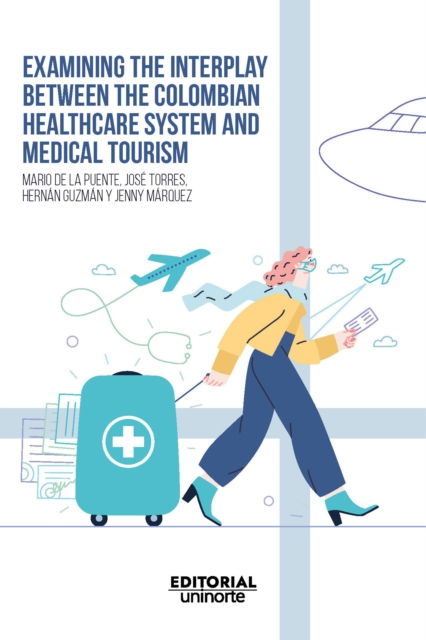
The authors examine the theoretical underpinnings of the Colombian medical tourism industry, define essential ideas, and provide logical connections between chapters to ensure the book's coherence throughout.
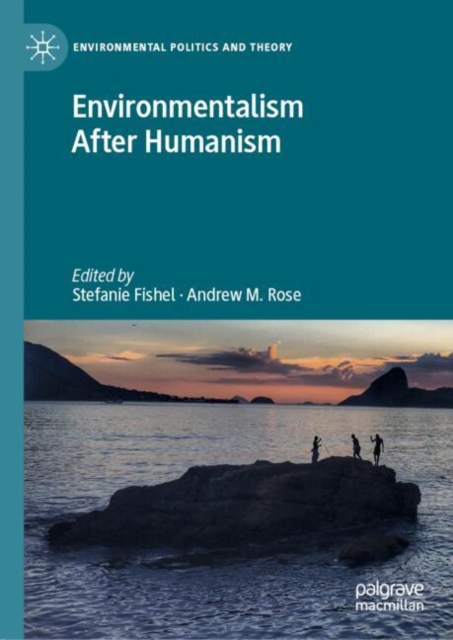
This book explores the ways in which one might come to recognize and better theorize the political actor, and the political ‘act,’ or ‘event,’ in a post-anthropocentric context.
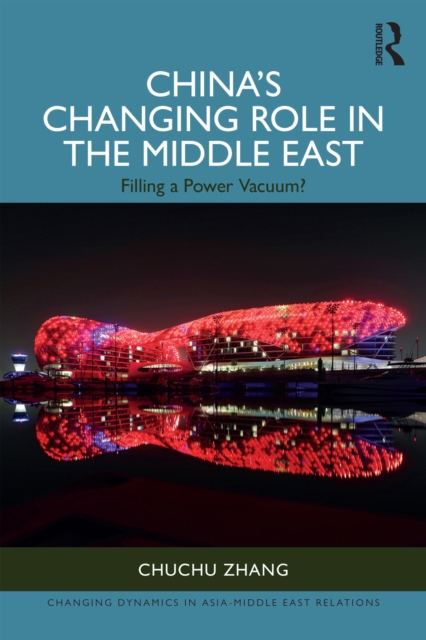
This book considers China's recent engagement in the Middle East, to what extent its approach has fundamentally changed, and how this role change has been received by regional and other actors.
This book explores the ways in which one might come to recognize and better theorize the political actor, and the political ‘act,’ or ‘event,’ in a post-anthropocentric context.
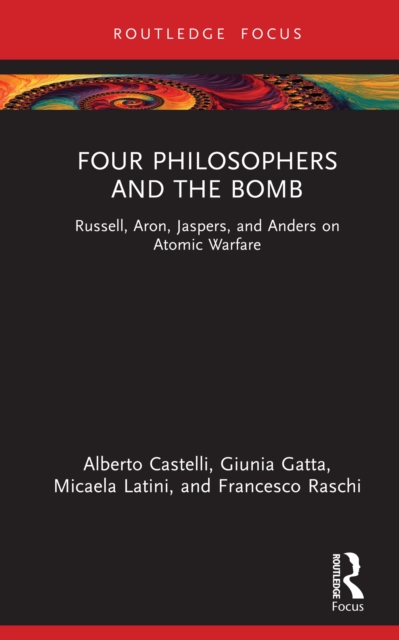
In this book, Alberto Castelli, Giunia Gatta, Micaela Latini, and Francesco Raschi examine how four prominent intellectuals of the 20th century (Bertrand Russell, Karl Jaspers, Raymond Aron, and Gunther Anders) understood atomic warfare.
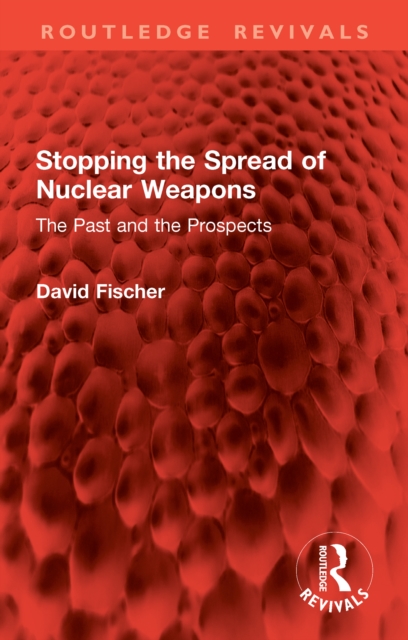
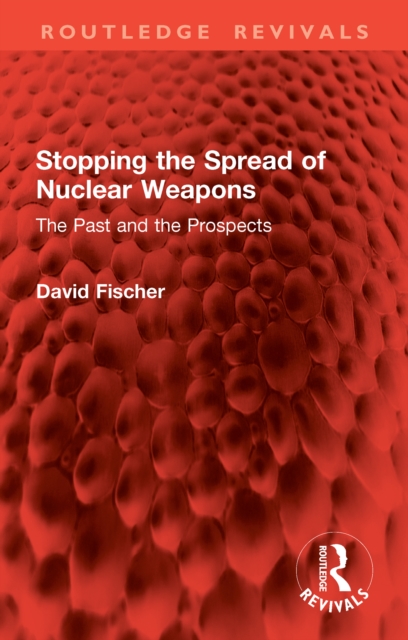
Although in the early 1990s, nearly fifty countries had a nuclear capacity, and many more were close to it, only a handful were actually in possession of nuclear weapons.
Although in the early 1990s, nearly fifty countries had a nuclear capacity, and many more were close to it, only a handful were actually in possession of nuclear weapons.
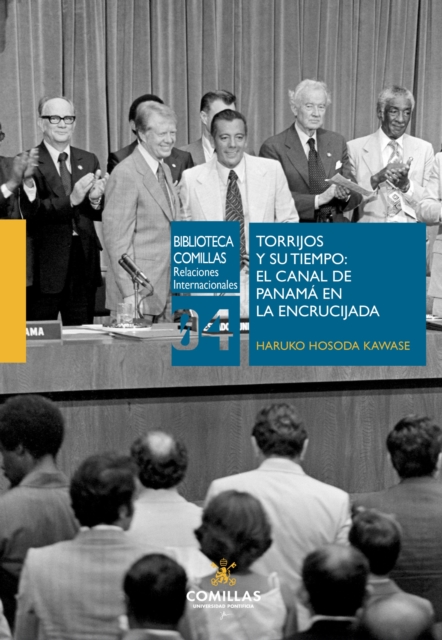
¿Cómo logró un pequeño país centroamericano como Panamá sortear las tensiones de la Guerra Fría y forjar un "vínculo" con el pensamiento socialdemócrata, representado por líderes como Felipe González, y con la esfera económica, a través de figuras como Shigeo Nagano?
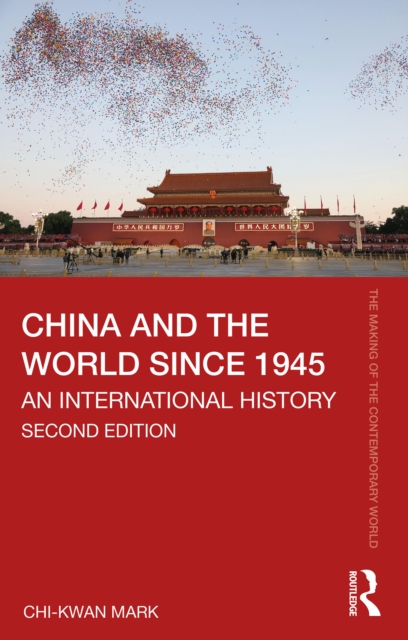
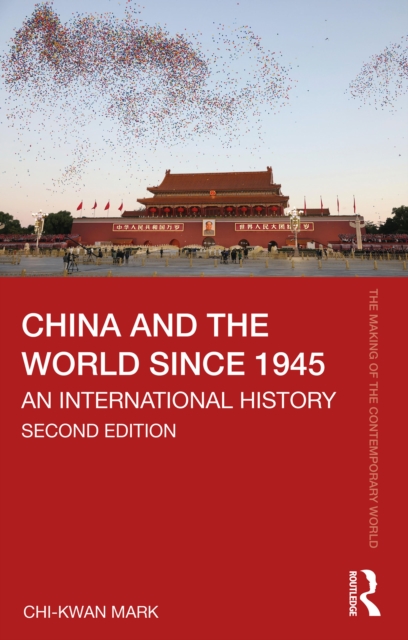
Now in its second edition, China and the World since 1945 offers an accessible introduction to Chinas foreign policy and diplomatic history across a broad chronology.
Now in its second edition, China and the World since 1945 offers an accessible introduction to Chinas foreign policy and diplomatic history across a broad chronology.
Saudi Arabia, the West and the Security of the Gulf (1986) considers the geopolitical environment of the Arab Gulf and the nature and threats to Western interests in the region.
Strategic Consequences of Nuclear Proliferation in South Asia (1986) examines the consequences for particular states should India and Pakistan decide to deploy nuclear weapons.
Die kritische Analyse von einem der großen international anerkannten IntellektuellenBestsellerautor Pankaj Mishra liefert in seinem neuen Buch eine kritische, postkoloniale Analyse des Krieges in Nahost.
This book examines the normalization of Private Military and Security Companies (PMSCs), and analyses US media discourse around the Nisour Square incident in Iraq as a pivotal case.
This book revitalizes the discourse on backsliding democracy and the global rise of autocracy, extending the consequences of their changes to a sustainable future.
This book considers China's recent engagement in the Middle East, to what extent its approach has fundamentally changed, and how this role change has been received by regional and other actors.
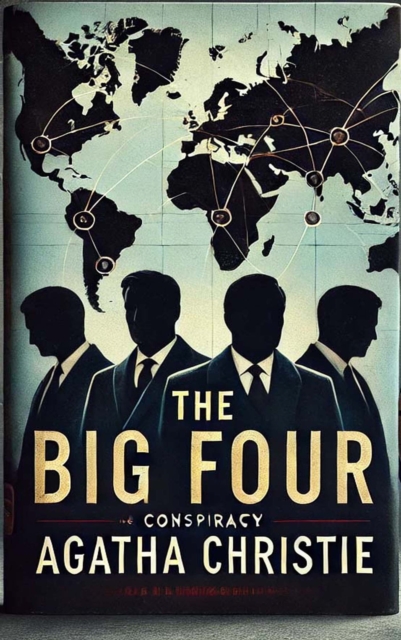
Step into a thrilling world of espionage, crime, and mystery as Hercule Poirot takes on his most dangerous foes yet in Agatha Christie's gripping novel, The Big Four.
Saudi Arabia, the West and the Security of the Gulf (1986) considers the geopolitical environment of the Arab Gulf and the nature and threats to Western interests in the region.
Originally published in 1958 this classic text is a comprehensive account of European relations from 1815 to the middle of the 20th Century, written in the light of World War II and the troubled period that followed it.
The new and updated eighth edition of Political Geography once again shows itself fit to tackle a frequently and rapidly changing geopolitical landscape.
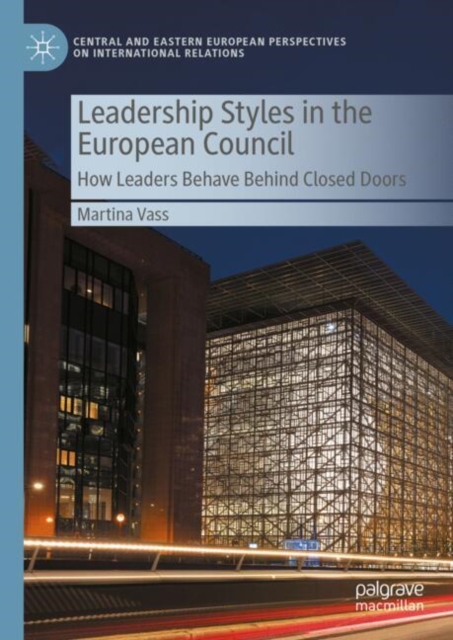
Using the example of Werner Faymann, Dalia Grybauskaite, Angela Merkel, Viktor Orban and Mark Rutte, the book examines the impact that the European Council's environment has on leadership styles and the impact of leaders on the institution's decision-making during the financial and debt crisis, the Ukraine crisis, and the migration crisis (2010-2016).
Using the example of Werner Faymann, Dalia Grybauskaite, Angela Merkel, Viktor Orban and Mark Rutte, the book examines the impact that the European Council's environment has on leadership styles and the impact of leaders on the institution's decision-making during the financial and debt crisis, the Ukraine crisis, and the migration crisis (2010-2016).
Originally published in 1965, the author makes a strong case for the study of international relations, arguing that given the rational approach he advocates, it is possible to avoid a major war since no government wants one.
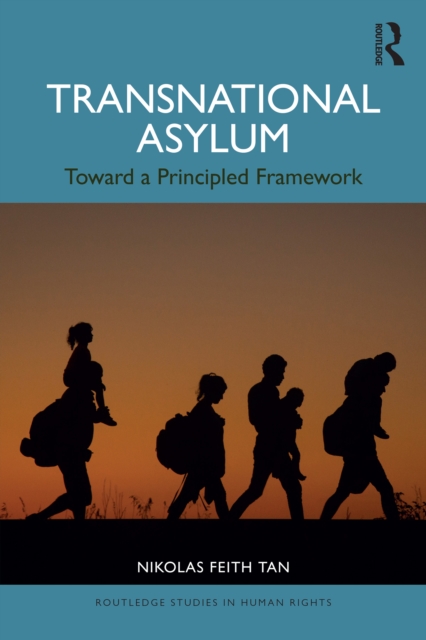
This book presents an original framework of transnational asylum to inform future cooperation between states on asylum processing and refugee protection.
The Palgrave Handbook on Right-Wing Populism and Otherness in Global Perspective argues that a key characteristic of the recent rise in right-wing populist politicians worldwide is the pervasive dynamic of exclusionary conflicts and moral divisions, designated as meta-othering.