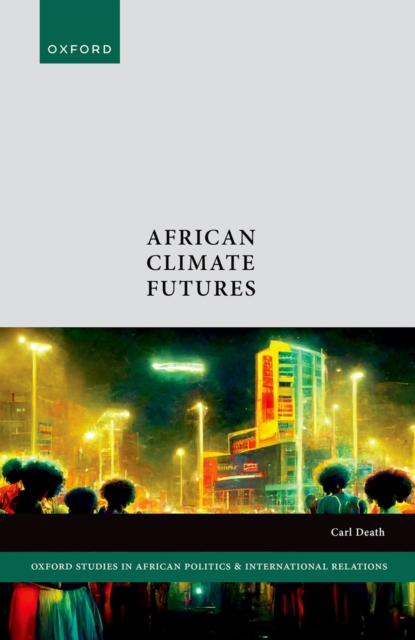
African Climate Futures shows how climate-changed futures are imagined in Africa and by Africans, and how these future visions shape political debates and struggles in the present.
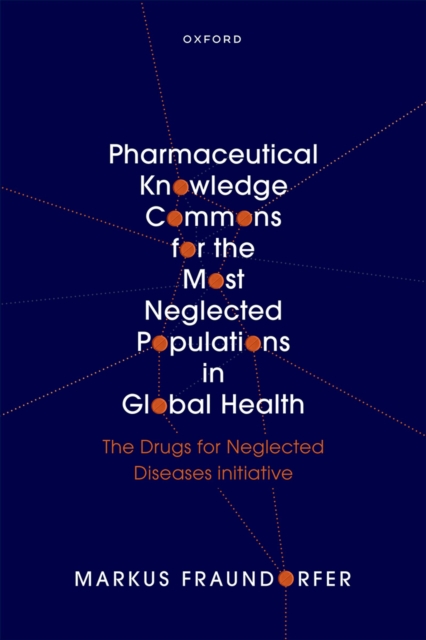
In Pharmaceutical Knowledge Commons for the Most Neglected Populations in Global Health Fraundorfer presents an in-depth study of how the Drugs for Neglected Diseases initiative (DNDi) has reshaped the global politics of neglected tropical diseases over the past twenty years.
The Oxford Handbook of Nuclear Security provides a comprehensive examination of efforts to secure sensitive nuclear assets and mitigate the risk of nuclear terrorism and other non-state actor threats.
Cultural Objects and Reparative Justice provides a comprehensive legal and historical analysis surrounding a highly debated current question: Where should cultural objects that were removed without consent be located?
Brexit and the Northern Ireland Constitution considers the intersection of two processes: the complex and constitutional process of the United Kingdom's withdrawal from the European Union - Brexit - and the steady yet fragile development of the Northern Ireland constitution deriving, primarily, from the Belfast 'Good Friday' Agreement of 1998.
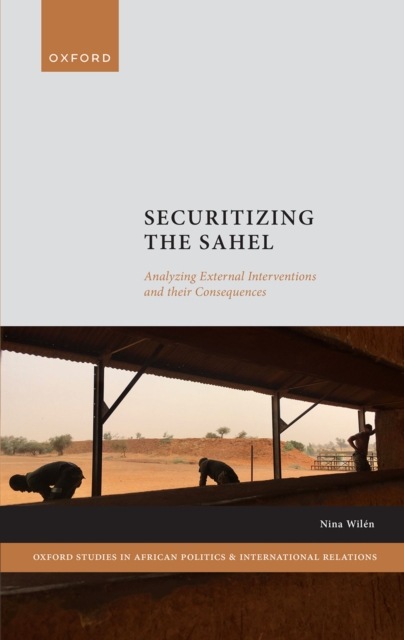
The Sahel has become a focal point of international security interventions, with external actors providing extensive security force assistance (SFA) to local military, police, and paramilitary forces.
Following a national referendum on 23rd June 2016, the UK announced its intention to end its decades-long membership of the EU, perhaps the most dramatic and important change in national policy since 1945.
Following a national referendum on 23rd June 2016, the UK announced its intention to end its decades-long membership of the EU, perhaps the most dramatic and important change in national policy since 1945.
In Pharmaceutical Knowledge Commons for the Most Neglected Populations in Global Health Fraundorfer presents an in-depth study of how the Drugs for Neglected Diseases initiative (DNDi) has reshaped the global politics of neglected tropical diseases over the past twenty years.
Civil resistance campaigns have led to some of the most important international developments in recent years, yet little is known of the role that civilian actors can play in challenging the use of violence by militant groups.
Muslim societies are largely absent from the study of religion and politics in the social sciences, despite the fact that scholarly literature often presumes that religion exercises a colossal influence on social, political, and economic outcomes in predominantly Muslim countries.
Muslim societies are largely absent from the study of religion and politics in the social sciences, despite the fact that scholarly literature often presumes that religion exercises a colossal influence on social, political, and economic outcomes in predominantly Muslim countries.
In an examination of Southern slave law between 1810 and 1860, Mark Tushnet reveals a structured dichotomy between slave labor systems and bourgeois systems of production.
When we think of counterterrorism we often think of coercive measures, including expanded policing powers, extraordinary rendition, increased jail sentences, and no-fly lists.
When we think of counterterrorism we often think of coercive measures, including expanded policing powers, extraordinary rendition, increased jail sentences, and no-fly lists.
As political systems around the world implement gender quotas to balance women and men's elected representation, new opportunities and expectations for how both men and women are recruited, selected, and promoted by political parties are created.
For nearly 50 years, Eileen Denza's Diplomatic Law has been the go-to reference on the Vienna Convention on Diplomatic Relations, used by ministries of foreign affairs and cited by courts worldwide.
The guiding principle of peacemaking and peacebuilding over the past quarter century has been "e;liberal peace"e;: the promotion of democracy, capitalism, law, and respect for human rights.
The guiding principle of peacemaking and peacebuilding over the past quarter century has been "e;liberal peace"e;: the promotion of democracy, capitalism, law, and respect for human rights.
Focusing on two of the most fraught and intractable public debates of the present time: human-induced climate change and the human rights of refugees, asylum seekers, immigrants and the stateless, this book raises critical questions about the role and relationship of public relations in weakening democratic political systems.
Focusing on two of the most fraught and intractable public debates of the present time: human-induced climate change and the human rights of refugees, asylum seekers, immigrants and the stateless, this book raises critical questions about the role and relationship of public relations in weakening democratic political systems.
In most countries, it is the norm for state courts to operate alongside powerful non-state justice systems, whose roots lie in custom, religion, or tradition.
In most countries, it is the norm for state courts to operate alongside powerful non-state justice systems, whose roots lie in custom, religion, or tradition.
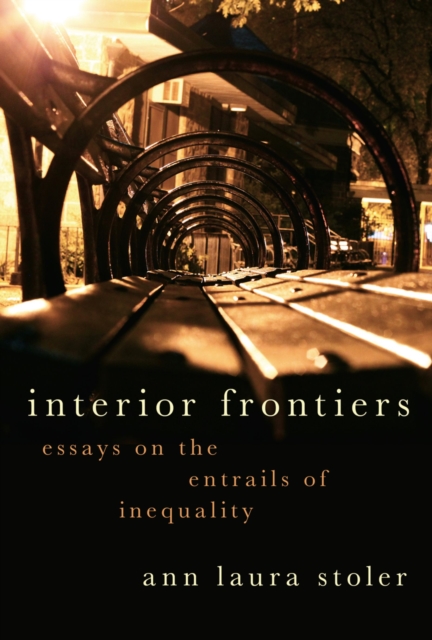
In this book, Ann Laura Stoler navigates the shadows and shatterzones of democratic policies, considering how imperial features are folded through (il)liberal orders, where racial inequities thicken in the borderlands of interior frontiers.
In this book, Ann Laura Stoler navigates the shadows and shatterzones of democratic policies, considering how imperial features are folded through (il)liberal orders, where racial inequities thicken in the borderlands of interior frontiers.
Political economy debates have focused on the internationalisation of private capital, but foreign states increasingly enter domestic markets as financial investors.
Political economy debates have focused on the internationalisation of private capital, but foreign states increasingly enter domestic markets as financial investors.
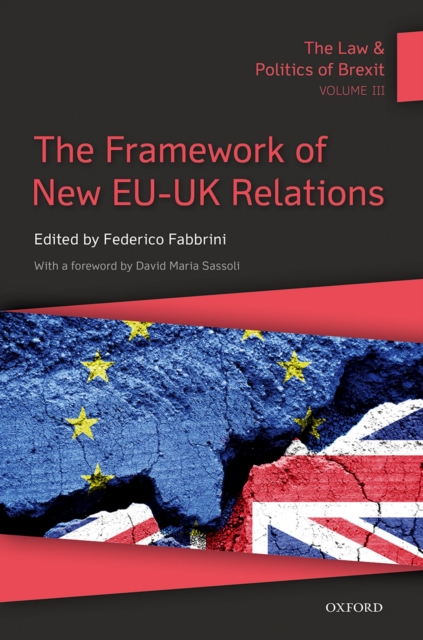
This book offers a comprehensive analysis of the new framework of relationship between the United Kingdom (UK) and the European Union (EU) applicable since 1st January 2021, following the end of the Brexit transition period and the entry into force of the EU-UK Trade & Cooperation Agreement (TCA), concluded on Christmas Eve 2020.
This book offers a comprehensive analysis of the new framework of relationship between the United Kingdom (UK) and the European Union (EU) applicable since 1st January 2021, following the end of the Brexit transition period and the entry into force of the EU-UK Trade & Cooperation Agreement (TCA), concluded on Christmas Eve 2020.