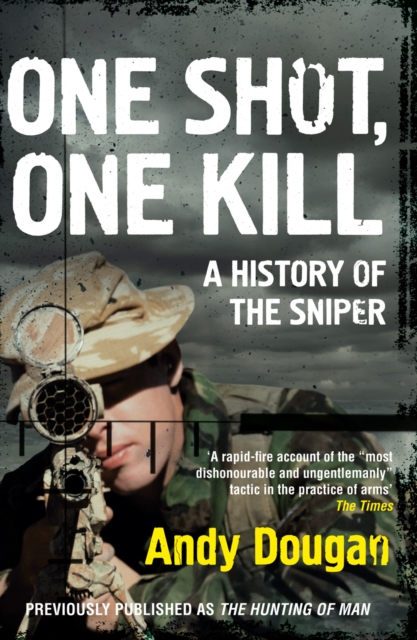
Previously published as The Hunting of ManOne shot, one kill: a cultural and military history of the sniper since 1643, when the first shot was fired by a sniper during the battle for Litchfield in the English Civil War, to the present day, when the sniper has become the embodiment of contemporary military strategy and technology.
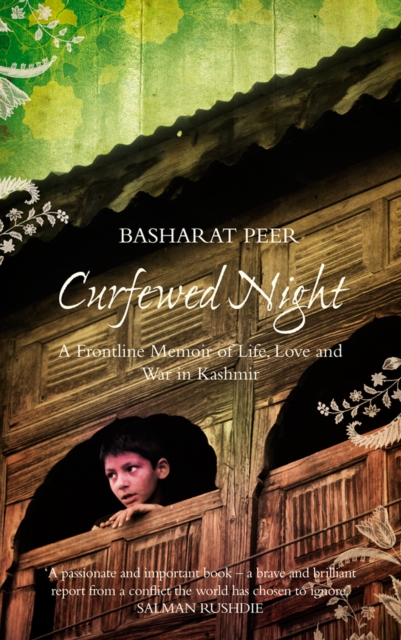
Winner of the Crossword Prize for non-fiction, '"e;Curfewed Night'"e; is a passionate and important book - a brave and brilliant report from a conflict the world has chosen to ignore.
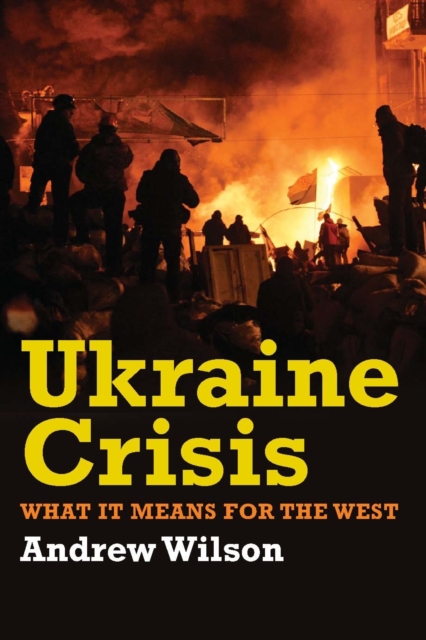
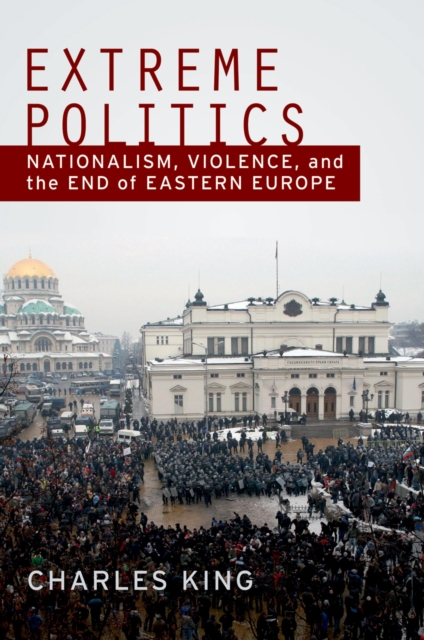
A leading Ukraine specialist and firsthand witness to the 2014 Kiev Uprising analyzes the world’s newest flashpoint The aftereffects of the February 2014 Uprising in Ukraine are still reverberating around the world.
Most armed conflicts since World War II have been neither conventional nor nuclear, but wars of a third kind, fought in developing nations and involving guerrilla warfare.
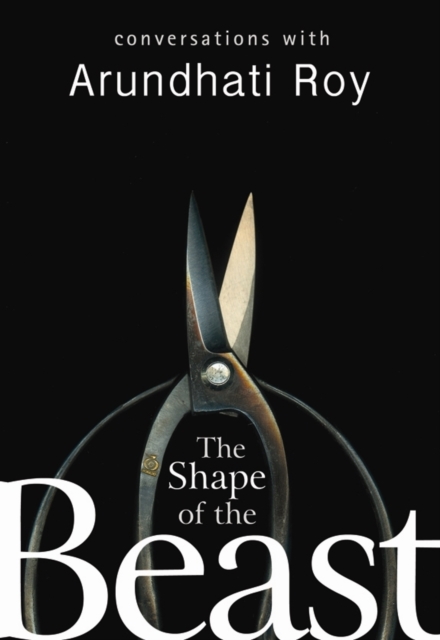
The Shape of the Beast is our world laid bare by a mind that has consistently and unhesitatingly engaged with its changing realities and often anticipated the way things have moved in the last decade.
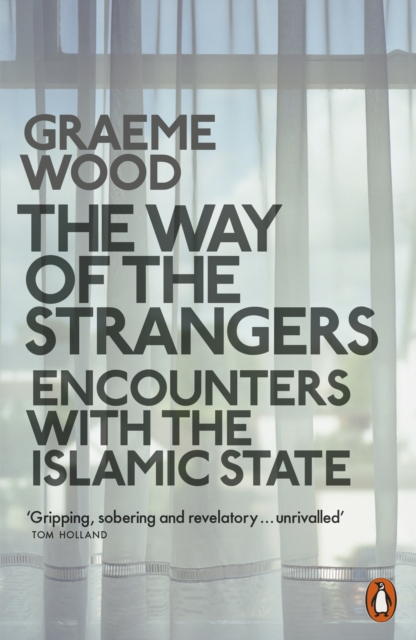
A radical rethinking of what ISIS is and what it really wantsFrom Graeme Wood, author of the explosive Atlantic cover story "e;What ISIS Really Wants,"e; comes the definitive book on the history, psychology, character, and aims of the Islamic State.
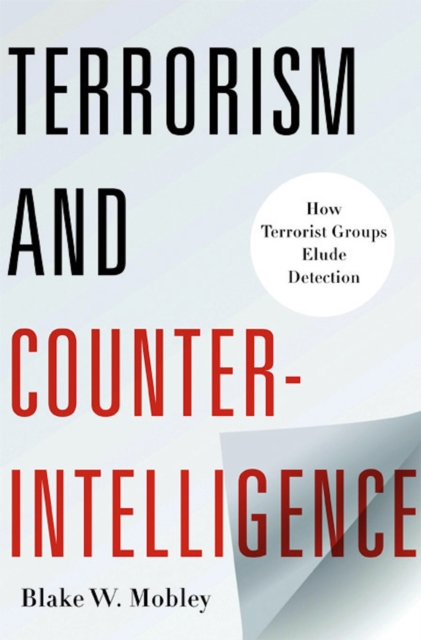
Protecting information, identifying undercover agents, and operating clandestinely-efforts known as counterintelligence-are the primary objectives of terrorist groups evading detection by intelligence and law enforcement officials.
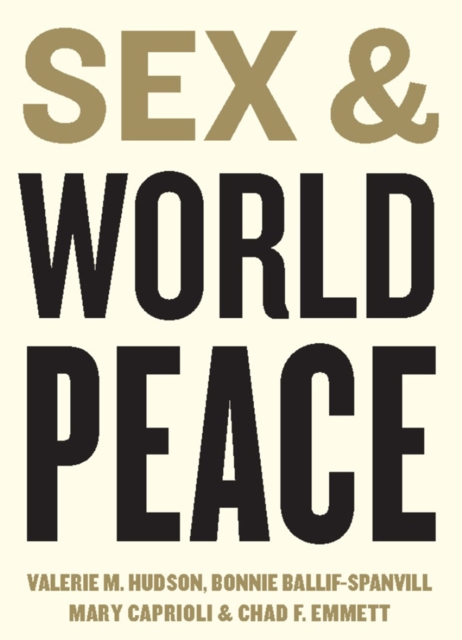
Sex and World Peace unsettles a variety of assumptions in political and security discourse, demonstrating that the security of women is a vital factor in the security of the state and its incidence of conflict and war.
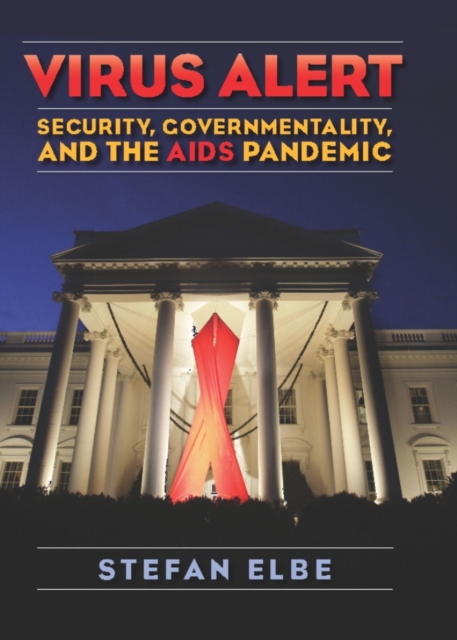
Bound up with the human cost of HIV/AIDS is the critical issue of its impact on national and international security, yet attempts to assess the pandemic's complex risk fail to recognize the political dangers of construing the disease as a security threat.
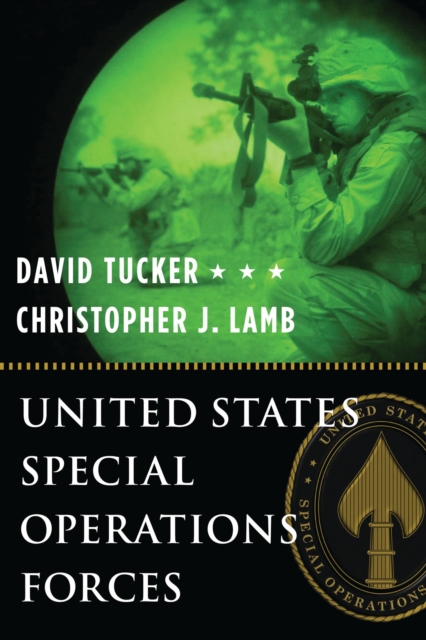
In October and November of 2001, small numbers of soldiers from the Army Special Forces entered Afghanistan, linked up with elements of the Northern Alliance (an assortment of Afghanis opposed to the Taliban), and, in a remarkably short period of time, destroyed the Taliban regime.
We speak of being 'free' to speak our minds, free to go to college, free to move about; we can be cancer-free, debt-free, worry-free, or free from doubt.
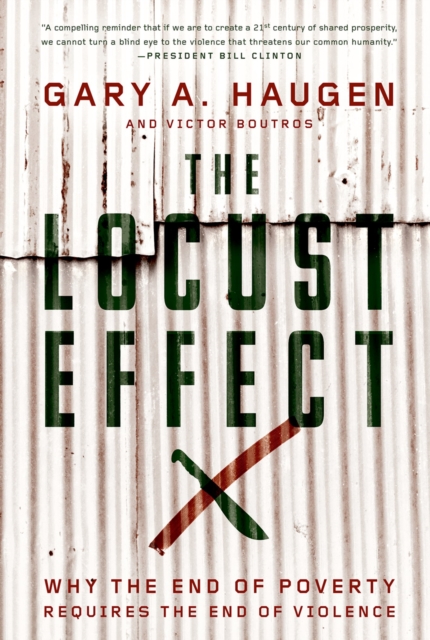
A Washington Post bestsellerWhile the world has made encouraging strides in the fight against global poverty, the hidden plague of everyday violence silently undermines our best efforts to help the poor.
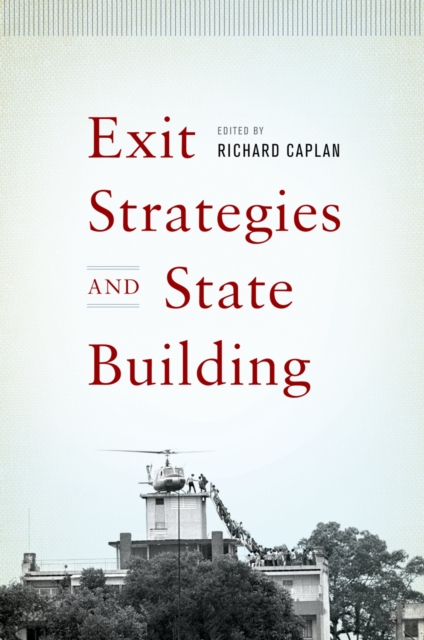
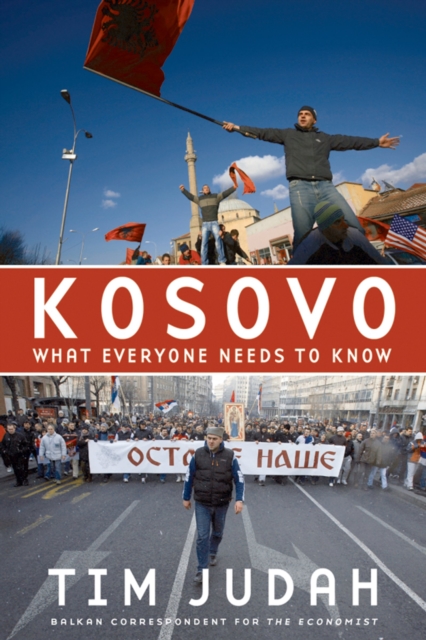
In the past two decades, states and multilateral organizations have devoted considerable resources toward efforts to stabilize peace and rebuild war-torn societies in places such as Afghanistan, Iraq, Kosovo, and Sierra Leone.
A Washington Post bestsellerWhile the world has made encouraging strides in the fight against global poverty, the hidden plague of everyday violence silently undermines our best efforts to help the poor.
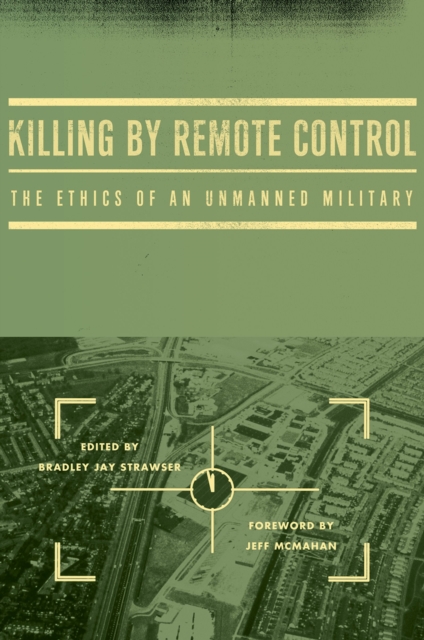
The increased military employment of remotely operated aerial vehicles, also known as drones, has raised a wide variety of important ethical questions, concerns, and challenges.
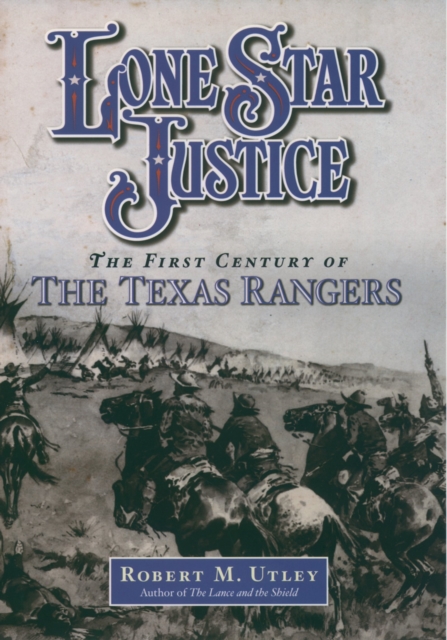
From The Lone Ranger to Lonesome Dove, the Texas Rangers have been celebrated in fact and fiction for their daring exploits in bringing justice to the Old West.
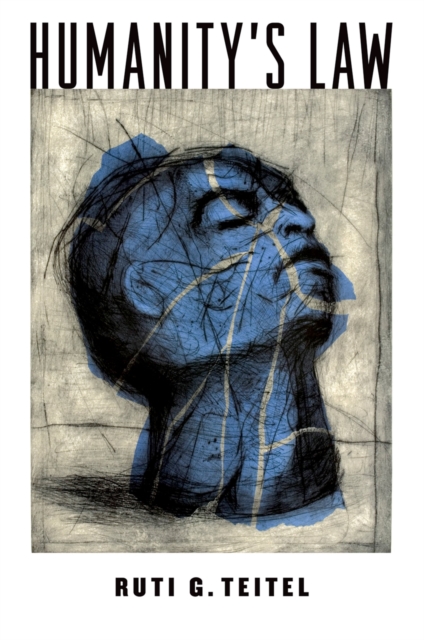
In Humanity's Law, renowned legal scholar Ruti Teitel offers a powerful account of one of the central transformations of the post-Cold War era: the profound normative shift in the international legal order from prioritizing state security to protecting human security.
In the past two decades, states and multilateral organizations have devoted considerable resources toward efforts to stabilize peace and rebuild war-torn societies in places such as Afghanistan, Iraq, Kosovo, and Sierra Leone.
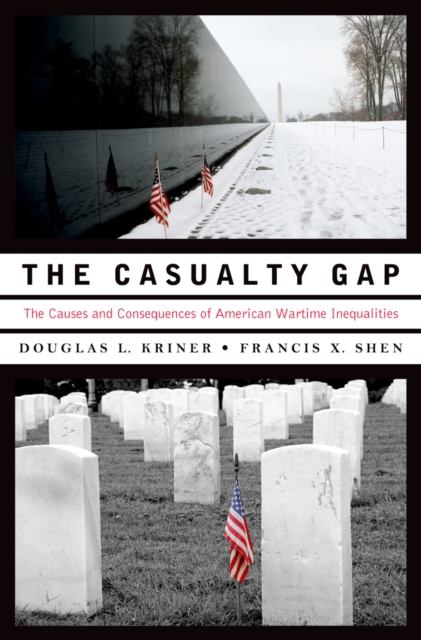
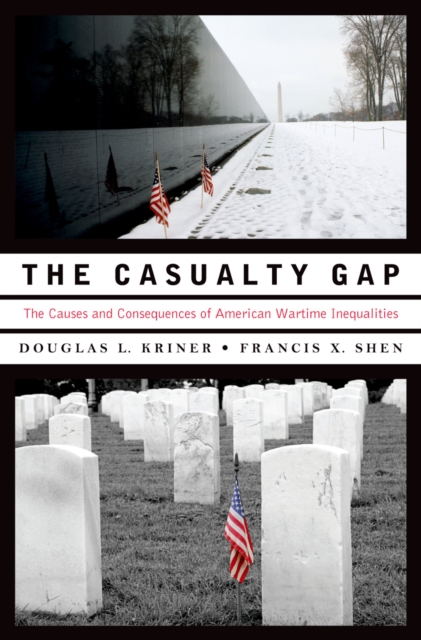
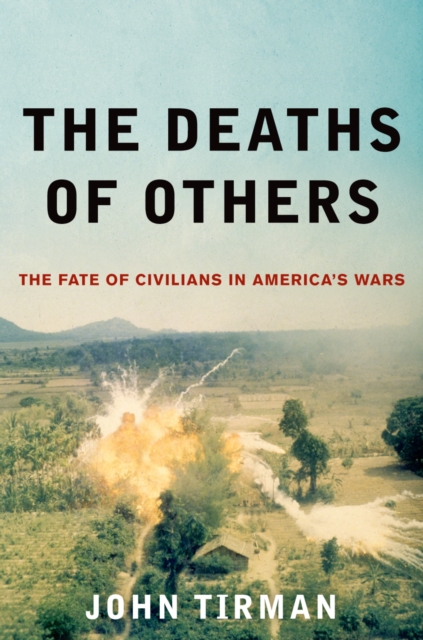
Americans are greatly concerned about the number of our troops killed in battle--33,000 in the Korean War; 58,000 in Vietnam; 4,500 in Iraq--and rightly so.
The Casualty Gap shows how the most important cost of American military campaigns--the loss of human life--has been paid disproportionately by poorer and less-educated communities since the 1950s.
The Casualty Gap shows how the most important cost of American military campaigns--the loss of human life--has been paid disproportionately by poorer and less-educated communities since the 1950s.
In Humanity's Law, renowned legal scholar Ruti Teitel offers a powerful account of one of the central transformations of the post-Cold War era: the profound normative shift in the international legal order from prioritizing state security to protecting human security.
Americans are greatly concerned about the number of our troops killed in battle--33,000 in the Korean War; 58,000 in Vietnam; 4,500 in Iraq--and rightly so.