Defence Science and Technology (1993) discusses the key questions surrounding defence and civil industry, highlighting the complex nature of this relationship and the equally complex determinants of corporate government policy in this area.
This book examines the intersection of military intelligence and corporate influence in modern warfare exploring private military companies, technological advancements in intelligence gathering, cyber warfare threats, and economic dimensions of conflict.
The Falklands / Malvinas War (1987) uses the conflict as a case study to discuss and analyse the inability of the major powers to develop a coherent and stable Developing World policy to emphasise crisis prevention rather than crisis management techniques.
This book explores how non-traditional security (NTS) issues are reshaping the political and strategic landscape in the Middle East and North Africa (MENA).
The Falklands / Malvinas War (1987) uses the conflict as a case study to discuss and analyse the inability of the major powers to develop a coherent and stable Developing World policy to emphasise crisis prevention rather than crisis management techniques.
This book explores why and how, in an era in which conflicts are turning into arenas of strategic competition, international organizations have become the ultimate guardians of liberal peace.
This book explores why and how, in an era in which conflicts are turning into arenas of strategic competition, international organizations have become the ultimate guardians of liberal peace.
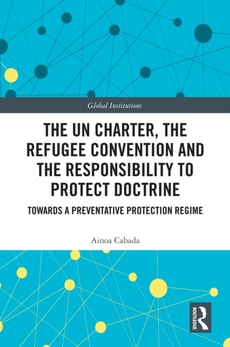
This book investigates three key frameworks applicable to the protection of asylum seekers and refugees: the Charter of the United Nations, the Convention Relating to the Status of Refugees, and the Responsibility to Protect doctrine.
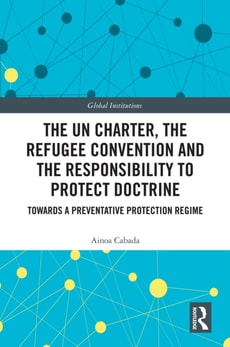
This book investigates three key frameworks applicable to the protection of asylum seekers and refugees: the Charter of the United Nations, the Convention Relating to the Status of Refugees, and the Responsibility to Protect doctrine.