Grounded in nine years of ethnographic research on the al Muhajiroun/Ahlus Sunnah Wal Jamaah movement (ALM/ASWJ), Douglas Weeks mixes ethnography and traditional research methods to tell the complete story of al Muhajiroun.
Interrogating Modernity returns to Hans Blumenberg's epochal The Legitimacy of the Modern Age as a springboard to interrogate questions of modernity, secularisation, technology and political legitimacy in the fields of political theology, history of ideas, political theory, art theory, history of philosophy, theology and sociology.
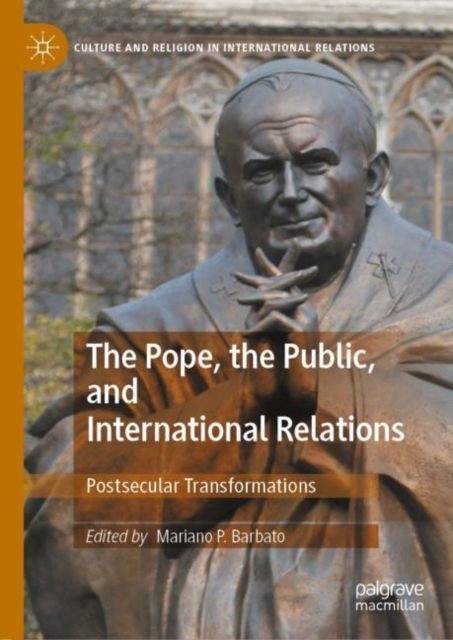
This edited volume engages a long-standing religious power, the Holy See, to discuss the impact of the structural and postsecular transformations of international relations through the emergence of a global and digital public sphere.
This book discusses the evolution of three philosophical foundations from the twelfth through the eighteenth centuries that converged to form the basis of liberal democracy's approach to the place and role of religion in society and politics.
Using yet untapped resources from moral and political philosophy, this book seeks to answer the question of whether an all good God who is presumed to be all powerful is logically compatible with the degree and amount of moral and natural evil that exists in our world.
This book studies the relationship between British government and faith groups in its international development agenda within and beyond the context of Brexit.
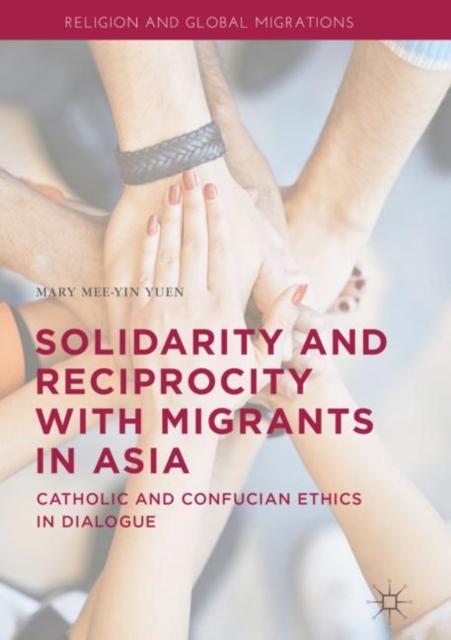
Based on Catholic and Confucian social ethics, this book develops an ethic of solidarity and reciprocity with the migrants in Asia who are marginalized.
This book presents a snapshot of a major challenge, and shares subjective views on various areas of conflict in Africa and the diverse - theoretical and practical - efforts to achieve peace.
This book is concerned with the ideology of Islamophobia as a cultural racism, and argues that in order to understand its prevalence we must focus not only on what Islamophobia is, but also why diversely situated individuals and groups choose to employ its narratives and tropes.
The economic downturn caused by the COVID-19 pandemic, the unrest in the US following the unlawful death of George Floyd, and other sources of social unrest and insecurity, have brought to a head something that has been brewing in Western societies since the Great Recession of 2008: the disillusionment with liberal democracy as it evolved after World War II.
This book develops a comparative study on violence in Jamaica, El Salvador, and Belize based on a theoretical approach, extensive field research, and in-depth empirical research.
Moving from a historical and cultural perspective, this book examines the geo-political and socio-economic changes involving the enlarged Mediterranean.
This book chronologically analyzes thirteen key US Presidents, from Washington to Trump, to highlight how religion has informed or influence their politics and policies.
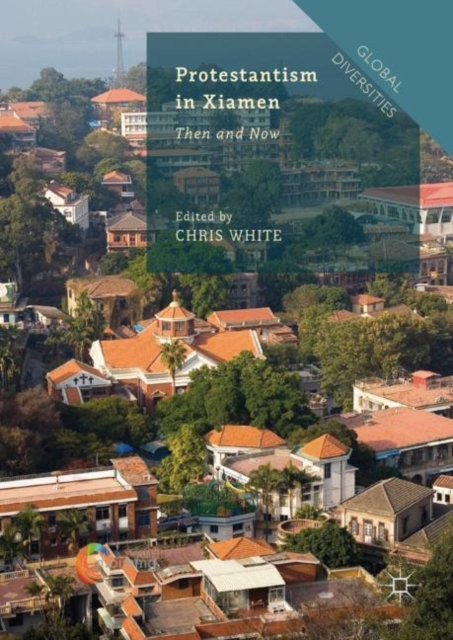
This interdisciplinary volume represents the first comprehensive English-language analysis of the development of Protestant Christianity in Xiamen from the nineteenth century to the present.
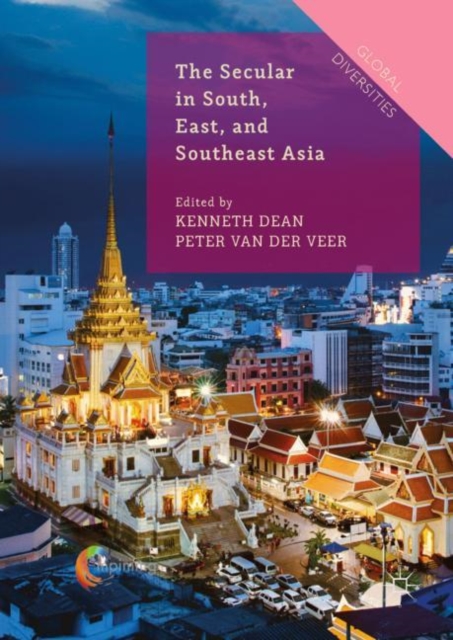
This innovative edited collection provides a comprehensive analysis of modern secularism across Asia which contests and expands prevailing accounts that have predominantly focused on the West.
This book is the first collection of scholarship featuring both Canadian and American scholarship on the resurgent right-wing extremist movement in the two countries.
Shakespeare and the Cultural Politics of Conversion takes a close look at Shakespeare's engagement with the flurry of controversy and activity surrounding the concept of conversion in post-Reformation England.
This book is designed to provide specialists, spectators, and students with a brief and engaging exploration of media usage by radical groups and the laws regulating these grey areas of Jihadi propaganda activities.
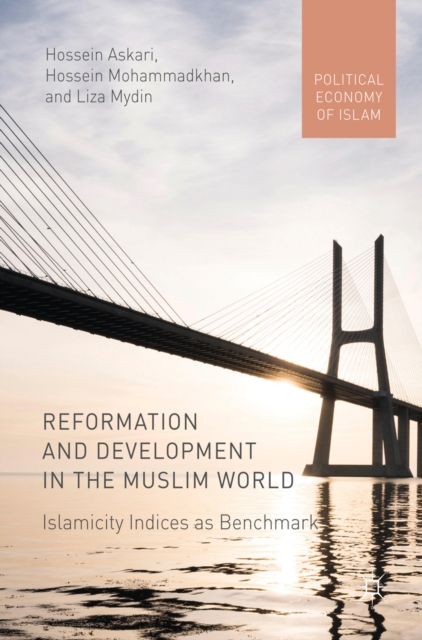
This book explores how the recent development of Muslim countries as a group has fallen far short of non-Muslim countries, which, some have concluded, may be a result of Islamic teachings.
This book provides original and controversial contributions into specific areas of Johannine studies, along with defenses of various traditional theological interpretations of John that are commonly overlooked in New Testament scholarship.
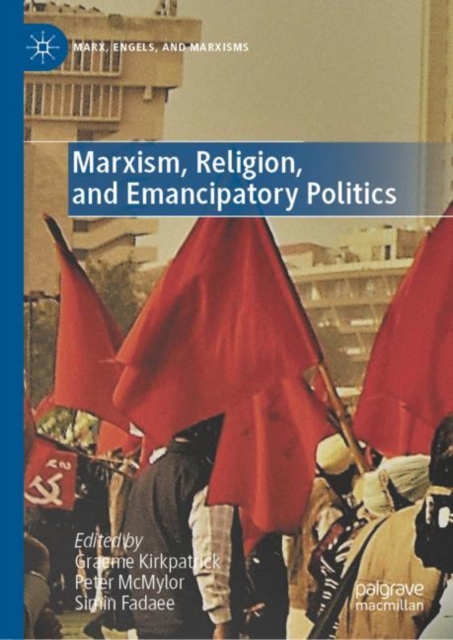
This edited collection evaluates the relationship between Marxism and religion in two ways: Marxism's treatment of religion and the religious aspects of Marxism.
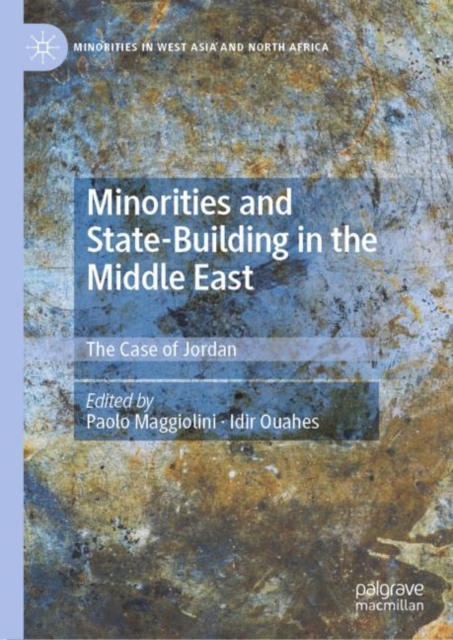
This book offers fresh insights to enhance and diversify our understanding of the modern history of the state and societies in today's Jordan, while also providing examples of why and how scholars can challenge the static and discursively government-minded approaches to minorities and minoritisation - especially the traditional emphasis on demographic balances.
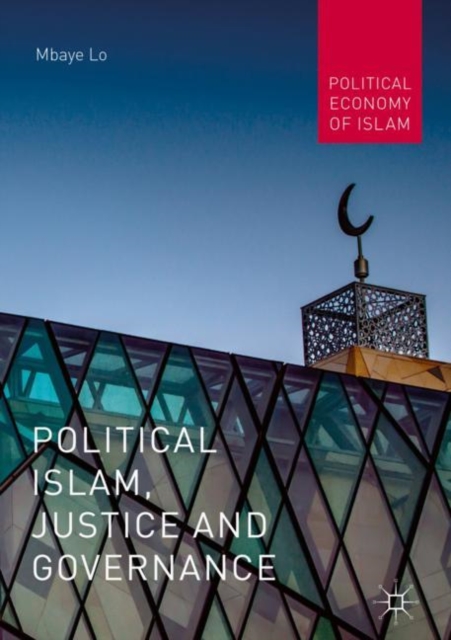
This book argues that political Islam (represented by its moderate and militant forms) has failed to govern effectively or successfully due to its inability to reconcile its discursive understanding of Islam, centered on literal justice, with the dominant neo-liberal value of freedom.
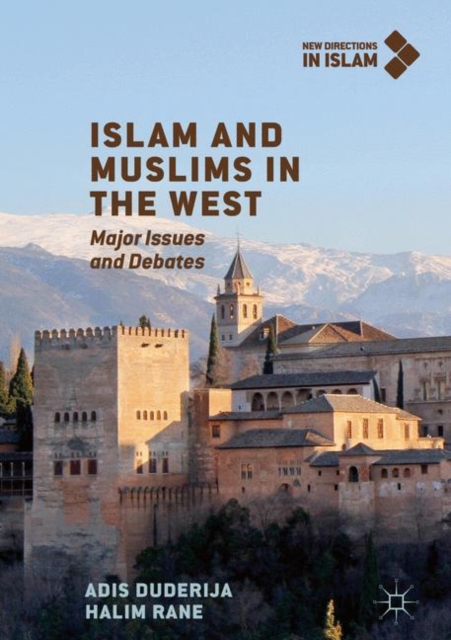
This book analyzes the development of Islam and Muslim communities in the West, including influences from abroad, relations with the state and society, and internal community dynamics.
In its portrayal of Judaism as a worldwide conspiracy dedicated to the destruction of Christian civilization, the Protocols of the Learned Elders of Zion remains one of the most infamous documents ever written.
Während die normative Begründung von Demokratie seit der Antike ein zentrales Thema der politischen Ideengeschichte darstellt, erhält die Rechtfertigung autoritärer Herrschaft bisher relativ wenig Aufmerksamkeit.
Sozialkapital als interdisziplinäres Konzept bietet einen nützlichen konzeptionellen Rahmen, die gesellschaftliche Rolle von Religion in einer übergeordneten theoretischen Perspektive zu thematisieren und zu untersuchen.
Dieses Lehrbuch bringt Studierenden die Relevanz des Konfliktmanagements in ihrer zukünftigen Rolle der Projektleitung anhand nationaler und internationaler Vorgaben und Erwartungshaltungen als Schlüsselkompetenz nahe.
Welche Ziele und Motivationen verfolgen religiöse und glaubensbasierte zivilgesellschaftliche Akteure in den internationalen Beziehungen und auf transnationaler Ebene?