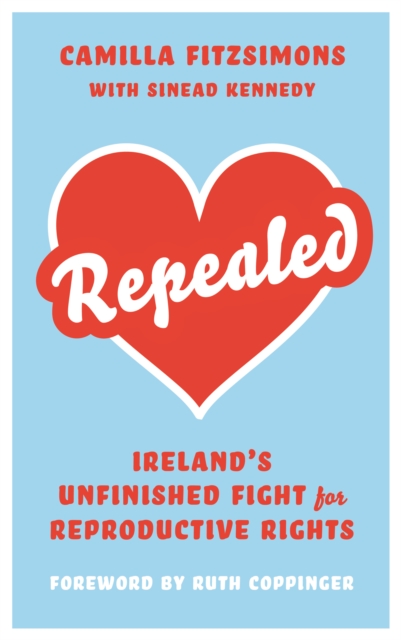
In Ireland, 2018, a constitutional ban that equated the life of a woman to the life of a fertilised embryo was overturned and abortion was finally legalised.
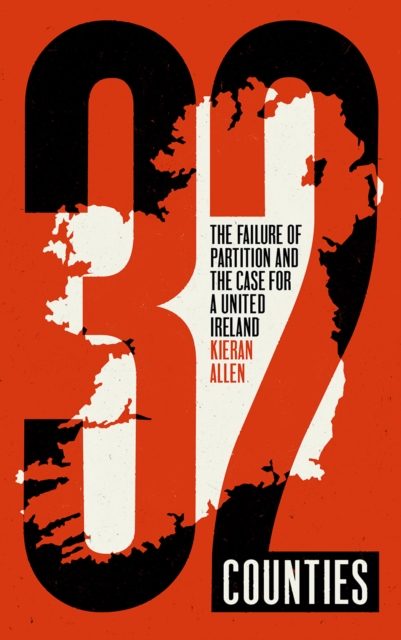
'This is Irish history seen anew, from below, bristling with practical lessons for working-class struggle today' - Eamonn McCannThe 32 counties of Ireland were divided through imperial terror and gerrymandering.
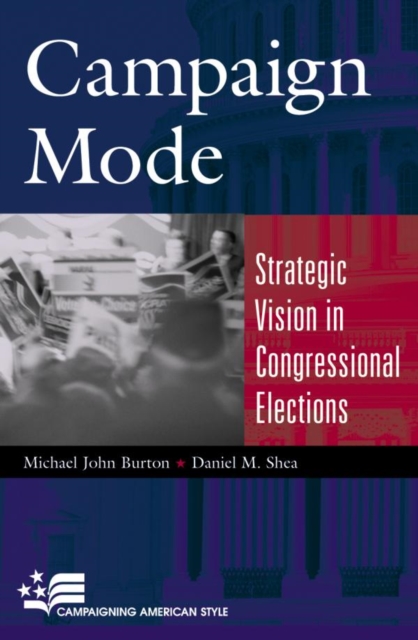
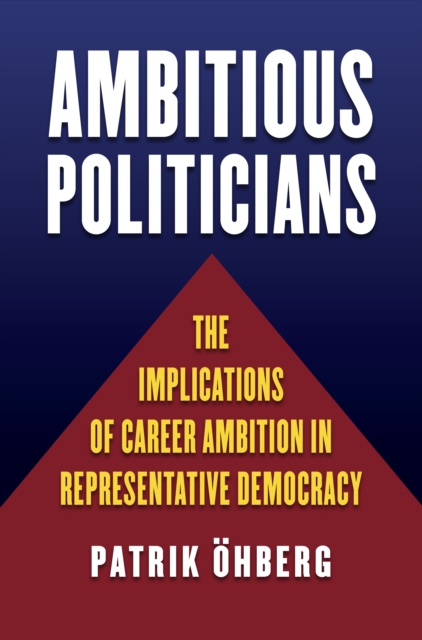
The pressures of contemporary electioneering force political professionals into 'campaign mode'-a state of mind that merges a visceral drive to win elections with a deep-seated habit of strategic thinking.
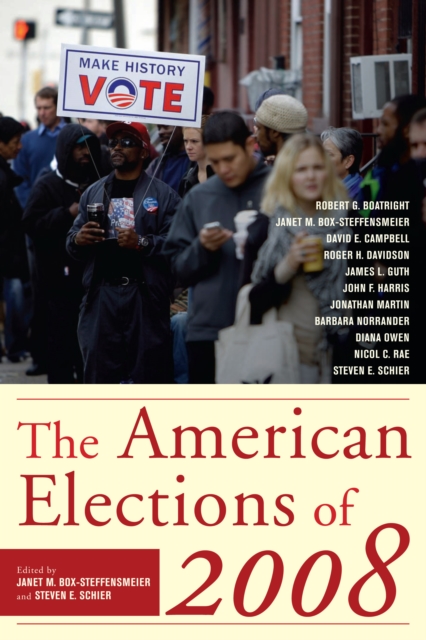
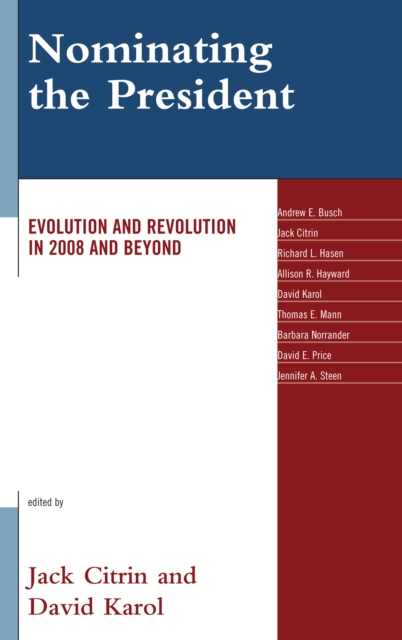
The American Elections of 2008 assembles leading political scientists and journalists to explain the election results and their implications for America's future.
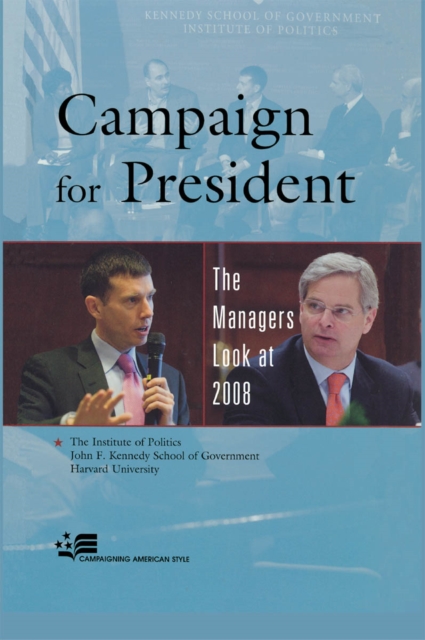
Every four years following the presidential election, the Institute of Politics at Harvard University convenes a distinguished gathering of campaign managers, media commentators, and interested political observers to reflect on presidential campaign strategies from the earliest primaries through Election Day.
From the earliest interactions of Christians with the Roman Empire to today's debates about the separation of church and state, the Christian churches have been in complex relationships with various economic and political systems for centuries.
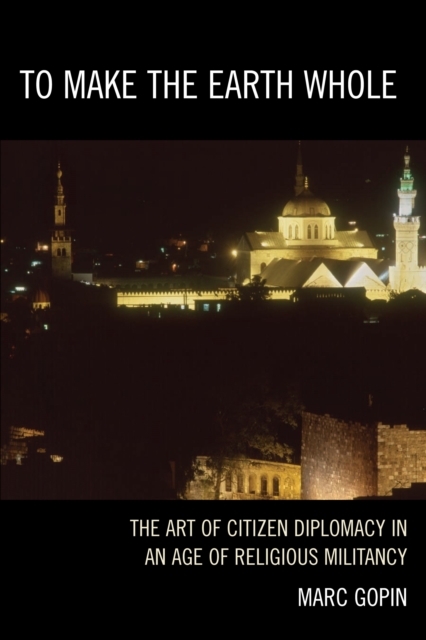
To Make the Earth Whole studies the art of citizen diplomacy_a process that can address clashes of religion and culture across regional lines even when traditional negotiations between governments can fail.
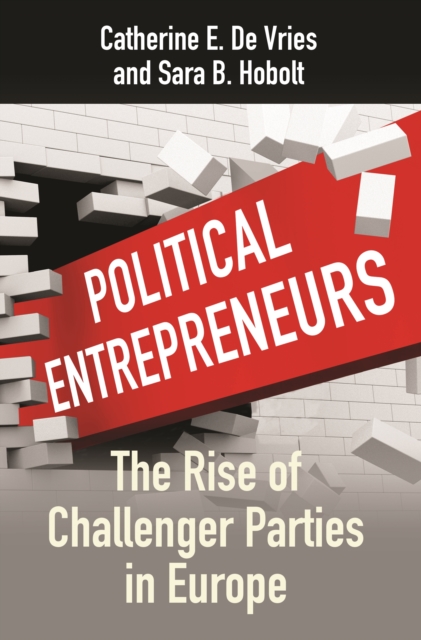
How challenger parties, acting as political entrepreneurs, are changing European democraciesChallenger parties are on the rise in Europe, exemplified by the likes of Podemos in Spain, the National Rally in France, the Alternative for Germany, or the Brexit Party in Great Britain.
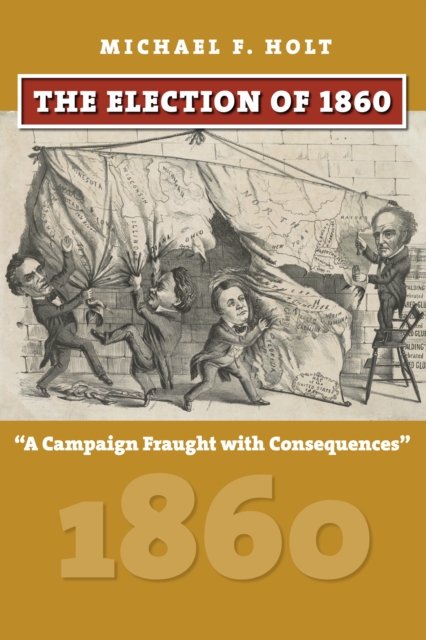
Because of its extraordinary consequences and because of Abraham Lincolns place in the American pantheon, the presidential election of 1860 is probably the most studied in our history.
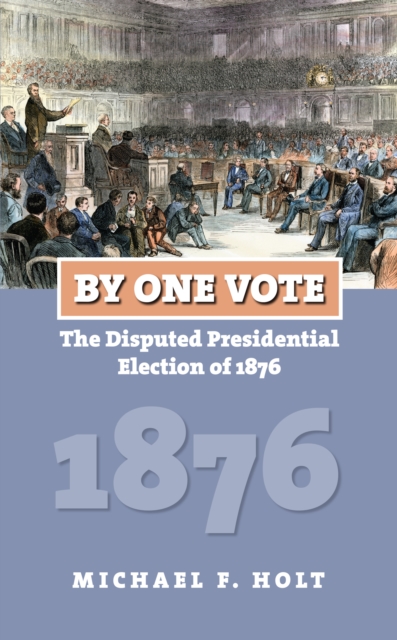
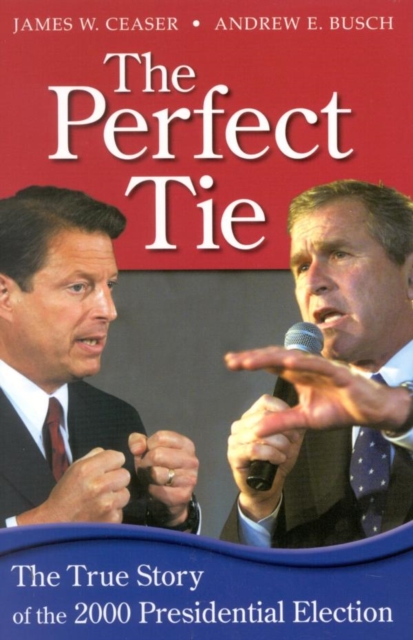
With electoral votes disputed in three states, a Democrat winning the popular vote, and the Supreme Court stepping in to overrule Florida court decisions, the presidential election of 1876 was an eerie precursor to that of 2000.
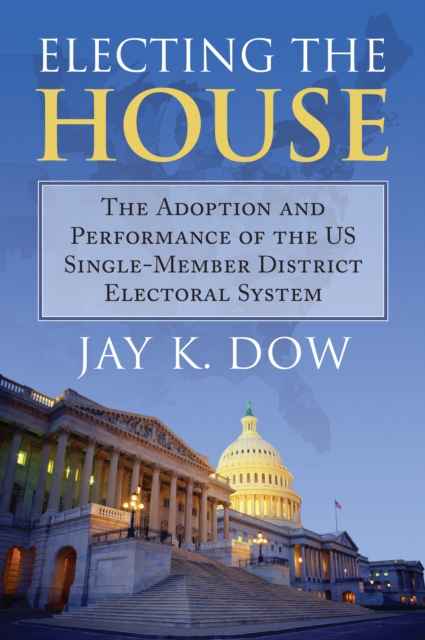
In the United States we elect members of the House of Representative from single-member districts: the candidate who receives the most votes from each geographically defined district wins a seat in the House.
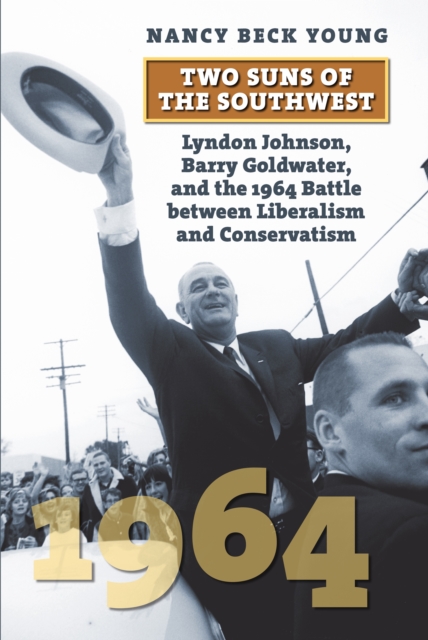
Over time the presidential election of 1964 has come to be seen as a generational shift, a defining moment in which Americans deliberated between two distinctly different visions for the future.
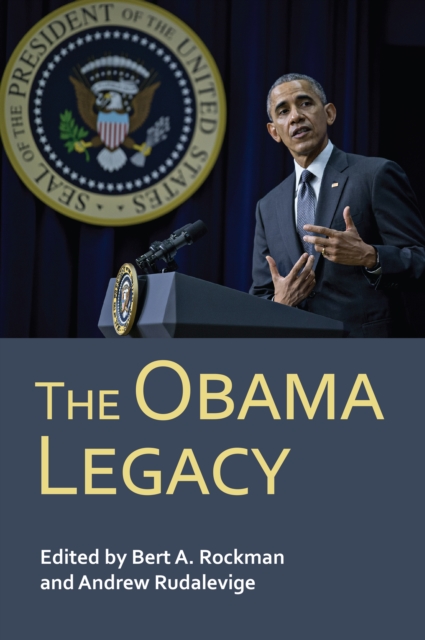
Hope and change were the keywords of President Barack Obamas 2008 campaign, and in his farewell address on January 10, 2017, he cited the evidence that hed deliveredfrom reversing the Great Recession, rebooting the auto industry, and unleashing the longest stretch of job creation in the nations history to winning marriage equality and securing the right to health insurance for another 20 million citizens.
From where we stand now, the election of 1976 can look like an alternate reality: southern white evangelicals united with African Americans, northern Catholics, and Jews in support of a Democratic presidential candidate; the Republican candidate, a social moderate whose wife proudly proclaimed her support for Roe v.
Usually remembered for its slogan Tippecanoe and Tyler too, the election of 1840 is also the first presidential election of which it might be truly said, Its the economy, stupid.
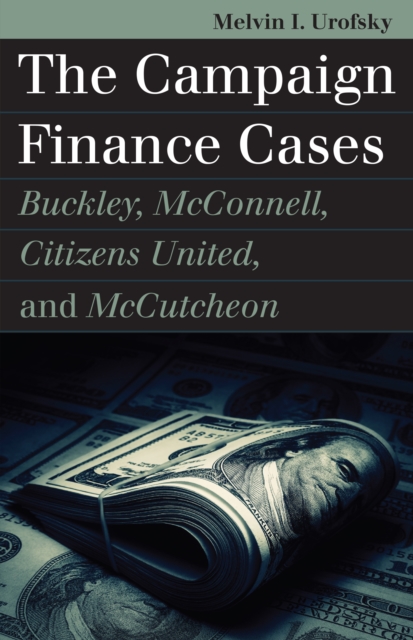
Rarely does the Supreme Court reverse itself as quickly and profoundly as it did in recent campaign finance cases, with the Citizens United decision of 2010 undoing the constraints of the McCain-Feingold Act upheld in McConnell v.
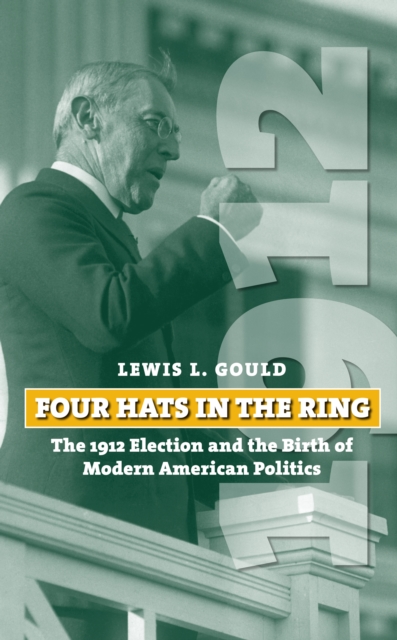
Choice Outstanding TitleImagine a presidential election with four well-qualified and distinguished candidates and a serious debate over the future of the nation!
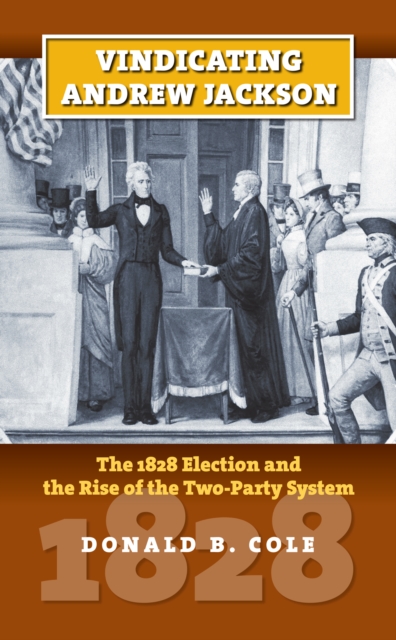
The presidential election of 1828 is one of the most compelling stories in American history: Andrew Jackson, hero of the Battle of New Orleans and man of the people, bounced back from his controversial loss four years earlier to unseat John Quincy Adams in a campaign notorious for its mudslinging.
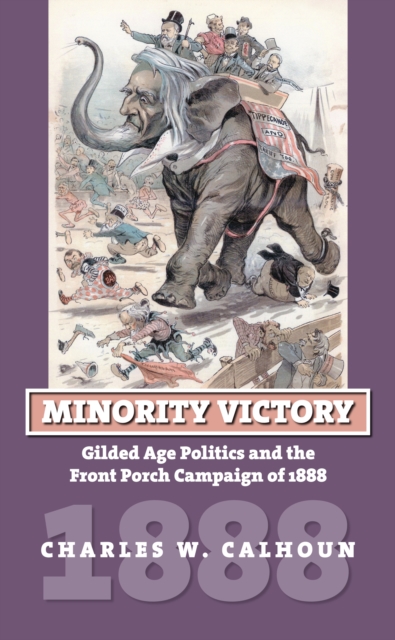
During the run-up to the 1888 presidential election, Americans flocked to party rallies, marched in endless parades, and otherwise participated zealously in the political process.
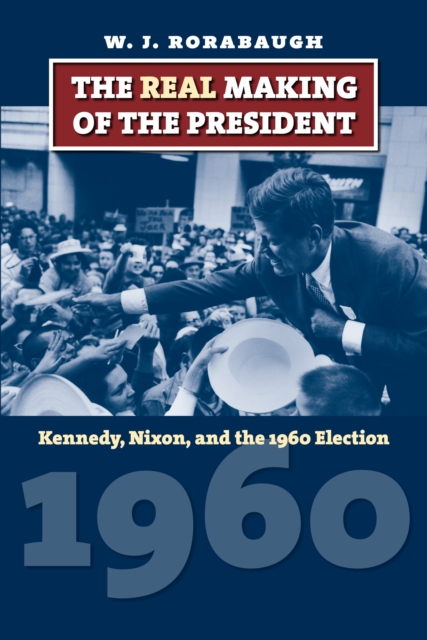
When John Kennedy won the presidency in 1960, he also won the right to put his own spin on the victorywhether as an underdogs heroic triumph or a liberal crusaders overcoming special interests.
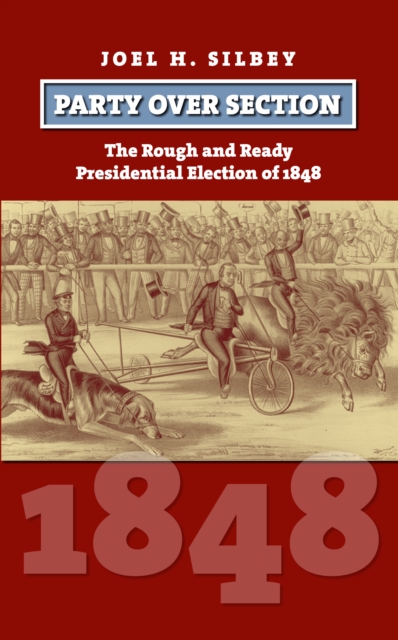
Choice Outstanding TitleThe presidential campaign of 1848 saw the first strong electoral challenge to the expansion of slavery in the United States; most historians consider the appearance of the Free Soil Party in that election a major turning point of the nineteenth century.
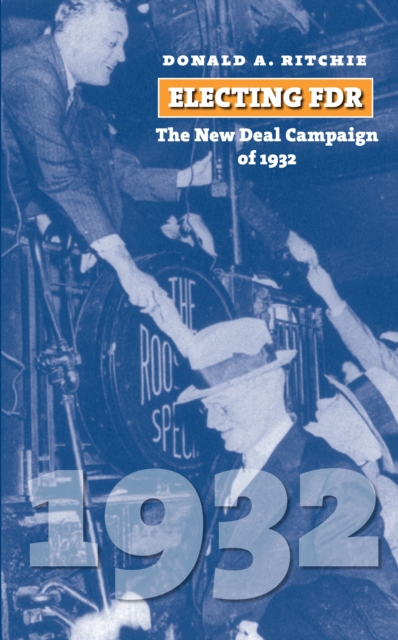
Winner: George Pendleton PrizeWith the landmark election of Franklin Delano Roosevelt in 1932, decades of Republican ascendancy gave way to a half century of Democratic dominance.
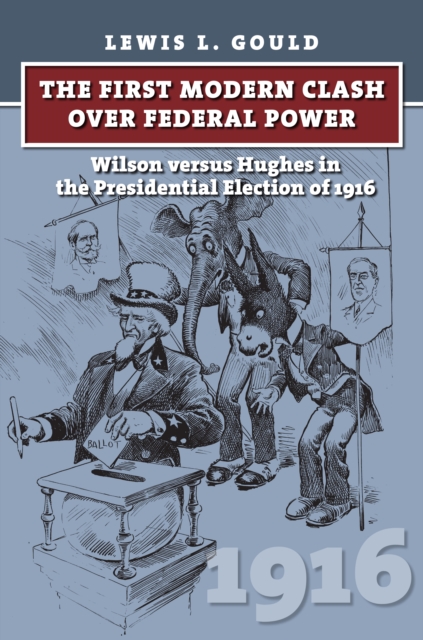
Fully examined for the first time in this engrossing book by one of Americas preeminent presidential scholars, the election that pitted Woodrow Wilson against Charles Evan Hughes emerges as a clear template for the partisan differences of the modern era.
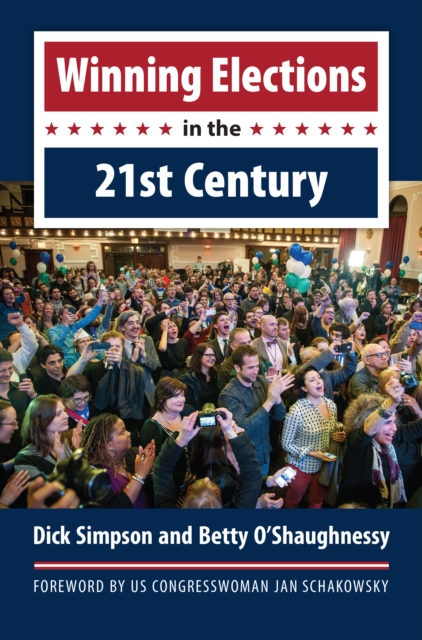
A national cochair of the presidential campaign of Barack Obama when few thought he could ever be elected, Congresswoman Jan Schakowsky is here to tell you: Yes, you can!
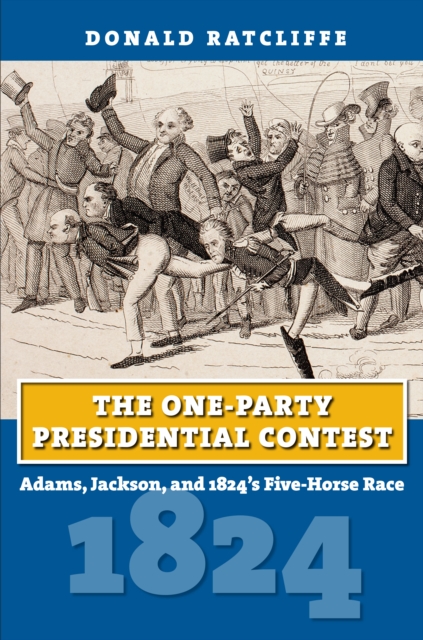
Winner: American Politics Group Richard E Neustadt PrizeWinner: Sally and Morris Lasky PrizeThe election of 1824 is commonly viewed as a mildly interesting contest involving several colorful personalitiesJohn Quincy Adams, Andrew Jackson, Henry Clay, John C.
A gripping in-depth look at the presidential election that stunned the worldDonald Trump's election victory resulted in one of the most unexpected presidencies in history.
Why working-class Americans almost never become politicians, what that means for democracy, and what reformers can do about itWhy are Americans governed by the rich?
A national cochair of the presidential campaign of Barack Obama when few thought he could ever be elected, Congresswoman Jan Schakowsky is here to tell you: Yes, you can!
Why working-class Americans almost never become politicians, what that means for democracy, and what reformers can do about itWhy are Americans governed by the rich?