In this book, Paul Midford engages claims that since 9/11 Japanese public opinion has turned sharply away from pacifism and toward supporting normalization of Japan's military power, in which Japanese troops would fight alongside their American counterparts in various conflicts worldwide.
The story of the small new age religious group that introduced Victorian Toronto to Eastern thought and theology, vegetarianism, reincarnation, cremation, and the pacifism of Mohandas Gandhi.
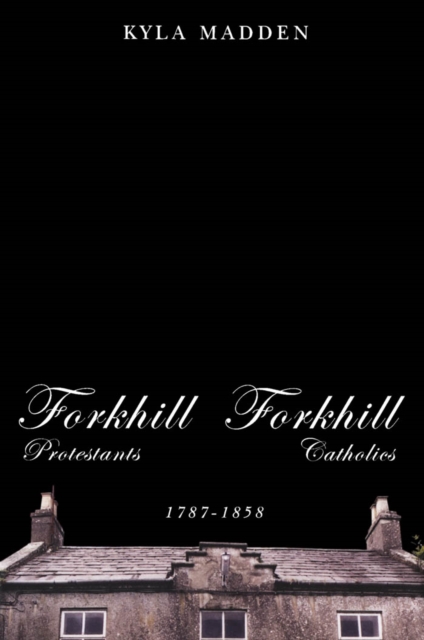
In the late eighteenth century, an influx of Protestant settlers to the mainly Catholic parish of Forkhill on the Ulster borderlands provoked clashes between natives and newcomers.
While some scholars have focused on various aspects of the denominational origins of the education system, and others have revealed the influence of religion on the electoral results of the pre-1864 period, the complete story has never been told.
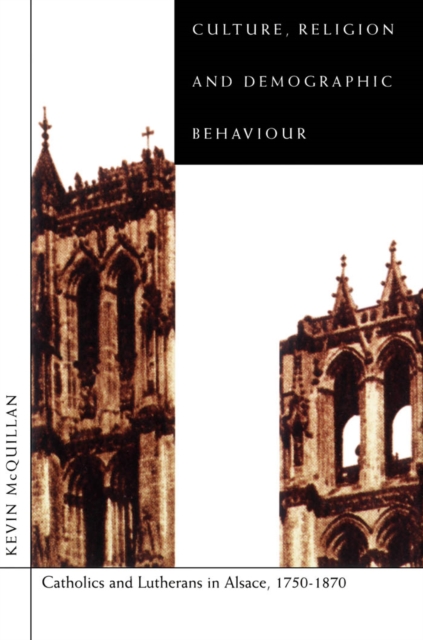
McQuillan shows that the population of the once largely German-speaking region of Alsace was sharply divided into two major religious communities, one Catholic, the other Lutheran.
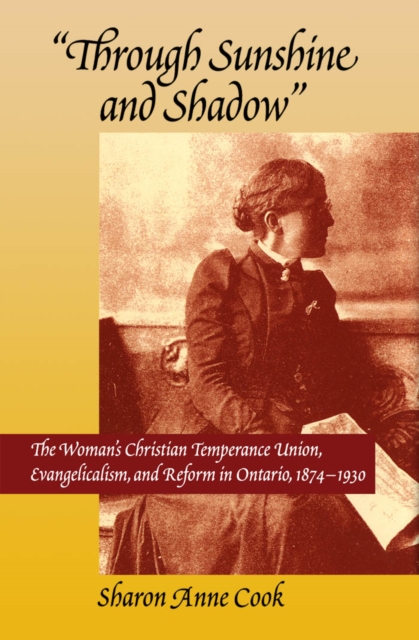
Using an extensive array of primary sources, including local WCTU minute books and correspondence, Cook describes the origins, structures, strategies, and achievements of the Ontario WCTU in the late nineteenth and early twentieth centuries.
Kroeker argues that in trying to make their theological ethics relevant to economic policy Christian social ethicists have accepted assumptions that are incompatible with theological beliefs.
This book addresses controversial issues in contemporary church life using liturgical commentary, homiletical illustration, and theological reflection.
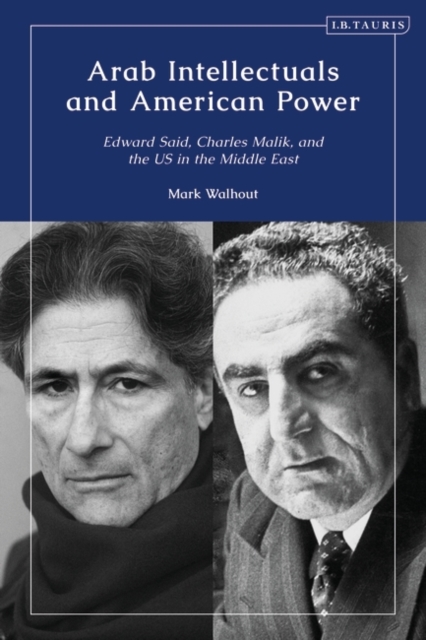
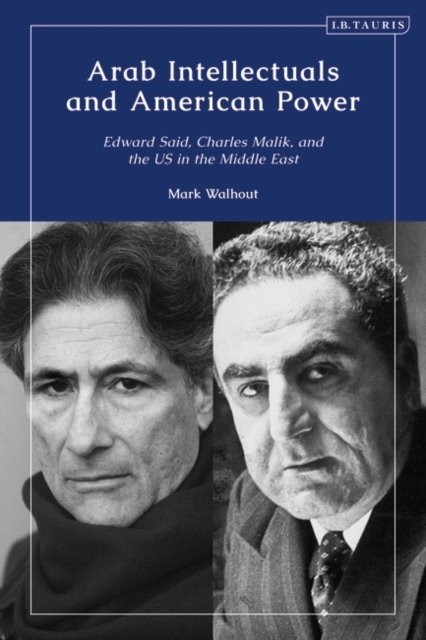
Edward Said, the famous Palestinian American scholar and activist, was one of the twentieth century's most iconic public intellectuals, whose pioneering and – to some – controversial work on Orientalism shaped Middle Eastern and postcolonial studies and beyond.
Edward Said, the famous Palestinian American scholar and activist, was one of the twentieth century's most iconic public intellectuals, whose pioneering and – to some – controversial work on Orientalism shaped Middle Eastern and postcolonial studies and beyond.
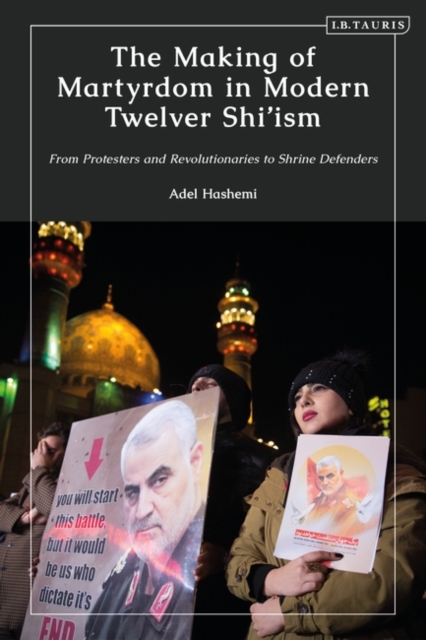
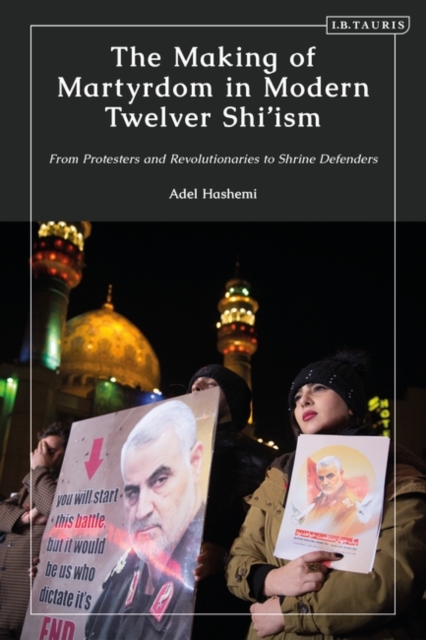
In Twelver Shi'a Islam, the wait for the return of the Twelfth Imam, Muhammad ibn al-Hasan al-Mahdi, at the end of time, overshadowed the value of actively seeking martyrdom.
In Twelver Shi'a Islam, the wait for the return of the Twelfth Imam, Muhammad ibn al-Hasan al-Mahdi, at the end of time, overshadowed the value of actively seeking martyrdom.
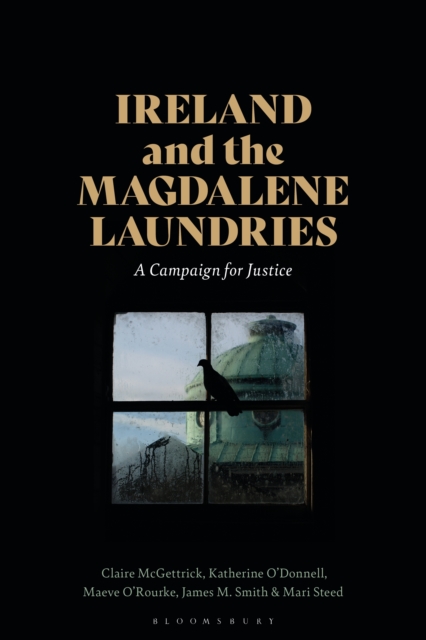
Between 1922 and 1996, over 10,000 girls and women were imprisoned in Magdalene Laundries, including those considered 'promiscuous', a burden to their families or the state, those who had been sexually abused or raised in the care of the Church and State, and unmarried mothers.
Between 1922 and 1996, over 10,000 girls and women were imprisoned in Magdalene Laundries, including those considered 'promiscuous', a burden to their families or the state, those who had been sexually abused or raised in the care of the Church and State, and unmarried mothers.
The Caribbean does not immediately come to mind when we think about ISIS – and yet, in 2017, Trinidad and Tobago ranked first place in the list of western countries with the highest rates of foreign-fighter radicalization, with over 240 nationals travelling to Syria and Iraq to join ISIS' caliphate.
The Caribbean does not immediately come to mind when we think about ISIS – and yet, in 2017, Trinidad and Tobago ranked first place in the list of western countries with the highest rates of foreign-fighter radicalization, with over 240 nationals travelling to Syria and Iraq to join ISIS' caliphate.
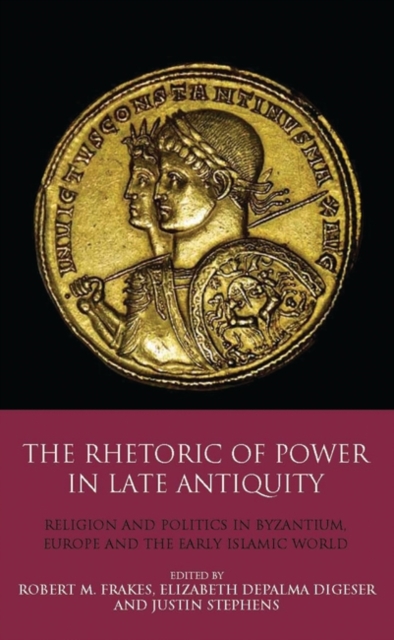
Late Antiquity, the period of transition from the crisis of Roman Empire in the third century to the Middle Ages, has traditionally been considered only in terms of the 'decline' from classical standards.
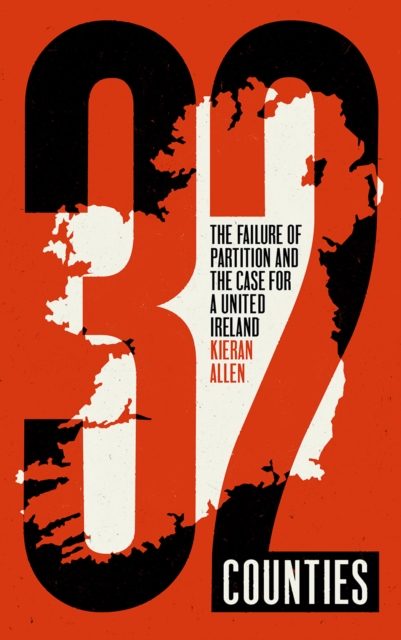
'This is Irish history seen anew, from below, bristling with practical lessons for working-class struggle today' - Eamonn McCannThe 32 counties of Ireland were divided through imperial terror and gerrymandering.
From the earliest interactions of Christians with the Roman Empire to today's debates about the separation of church and state, the Christian churches have been in complex relationships with various economic and political systems for centuries.
To Make the Earth Whole studies the art of citizen diplomacy_a process that can address clashes of religion and culture across regional lines even when traditional negotiations between governments can fail.
Why your political beliefs are influenced by the language you speakVoicing Politics brings together the latest findings from psychology and political science to reveal how the linguistic peculiarities of different languages can have meaningful consequences for political attitudes and beliefs around the world.
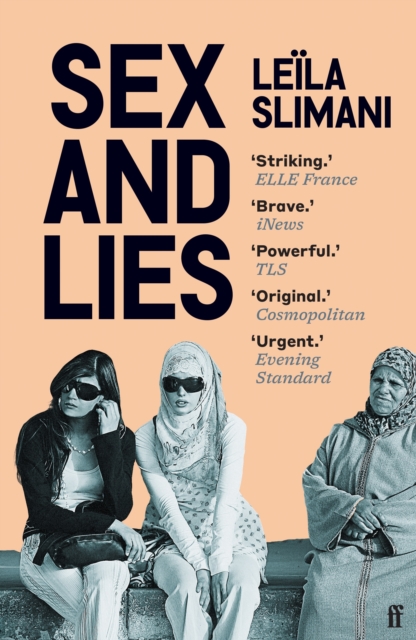
'Striking' ELLE France'Brave' iNews'Powerful' TLS'Urgent' Evening Standard'Original' CosmopolitanThe first work of non-fiction in English from the prize-winning and internationally bestselling author of Lullaby and Adele, translated by Sophie Lewis.