From the activist and Sundance Award-winning filmmaker of Fuel and Kiss the Ground comes an ambitious book showcasing the captivating stories of Millennial change-makers in order to empower and motivate today's young adults to rise up to their potential for greatness.
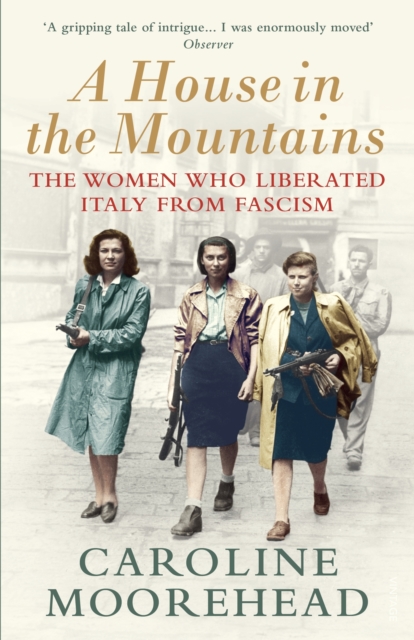
'Moorehead paints a wonderfully vivid and moving portrait of the women of the Italian Resistance' MAX HASTINGS, SUNDAY TIMESThe extraordinary story of the courageous women who spearheaded the Italian Resistance during the Second World WarIn the late summer of 1943, in the midst of German occupation, the Italian Resistance was born.
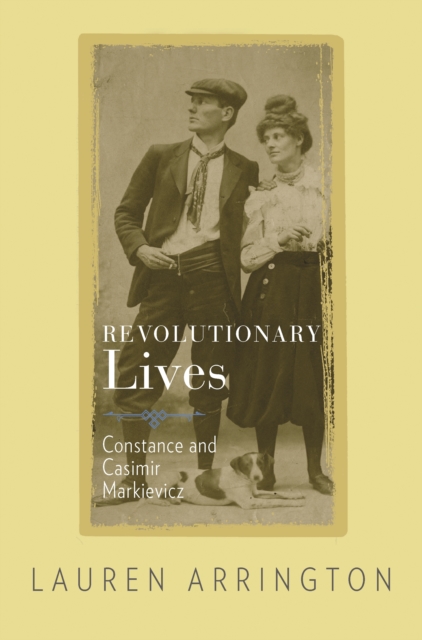
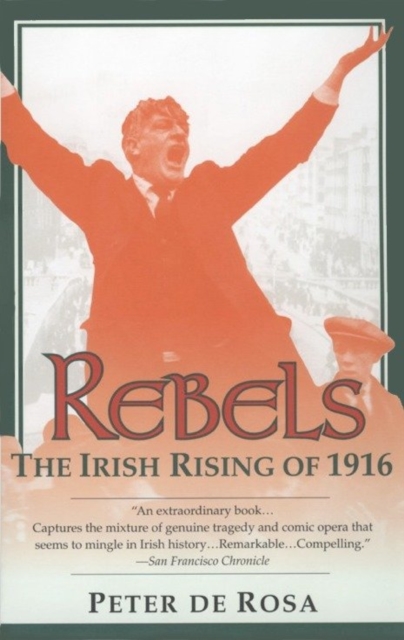
Constance Markievicz (1868-1927), born to the privileged Protestant upper class in Ireland, embraced suffrage before scandalously leaving for a bohemian life in London and then Paris.
The nineteenth century was a time of 'movements' - political, social, moral reform causes - which drew on the energies of men and women across Britain.
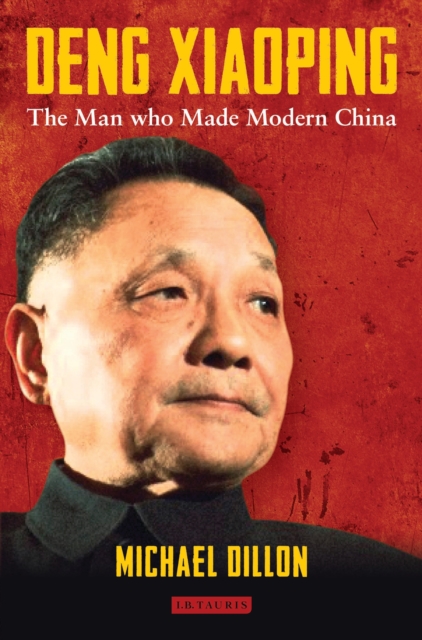
One of the most important figures in global politics during the second half of the 20th century; Deng Xiaoping is generally considered the central figure behind China's economic liberalization programme that produced historically unprecedented growth rates and development beginning in the late 1970s.
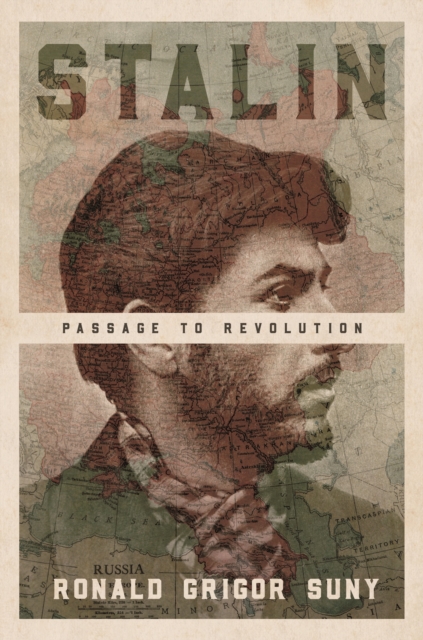
A spellbinding new biography of Stalin in his formative yearsThis is the definitive biography of Joseph Stalin from his birth to the October Revolution of 1917, a panoramic and often chilling account of how an impoverished, idealistic youth from the provinces of tsarist Russia was transformed into a cunning and fearsome outlaw who would one day become one of the twentieth century's most ruthless dictators.
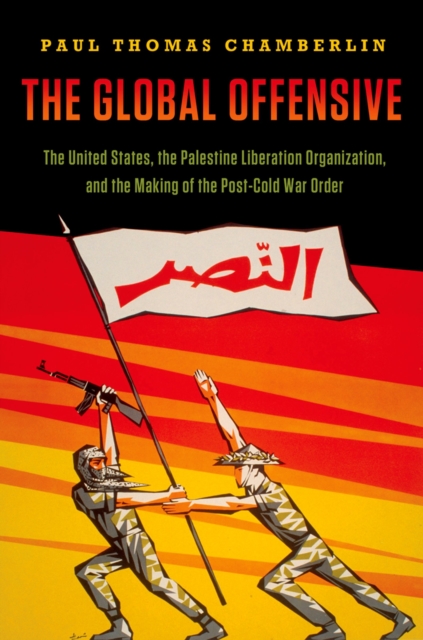
On March 21, 1968, Yasir Arafat and his guerrillas made the fateful decision to break with conventional guerrilla tactics, choosing to stand and fight an Israeli attack on the al-Karama refugee camp in Jordan.
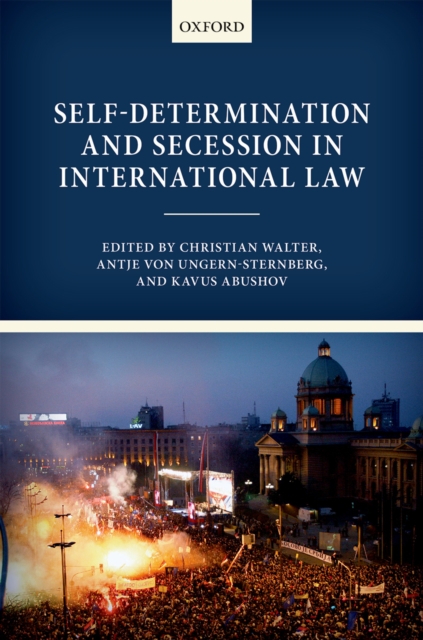
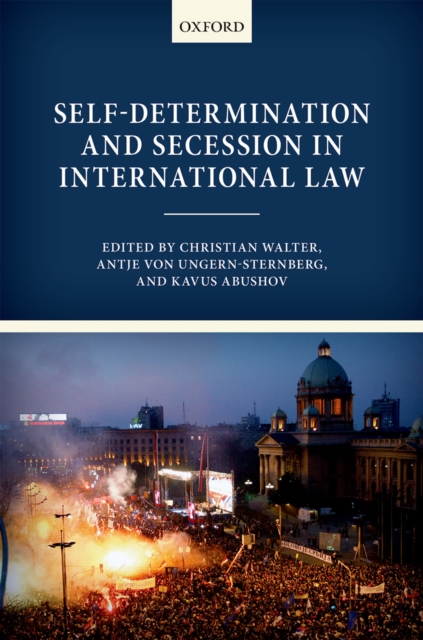
Peoples and minorities in many parts of the world assert a right to self-determination, autonomy, and even secession from a state, which naturally conflicts with that state's sovereignty and territorial integrity.
Peoples and minorities in many parts of the world assert a right to self-determination, autonomy, and even secession from a state, which naturally conflicts with that state's sovereignty and territorial integrity.
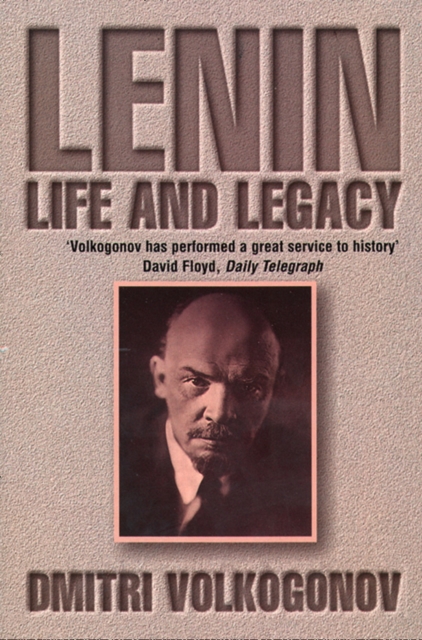
'Based on research among thousands of unpublished documents concealed in the Communist Party archives until the fall of the regime, Lenin: Life and Legacy is a crushing indictment of the regime's founder.
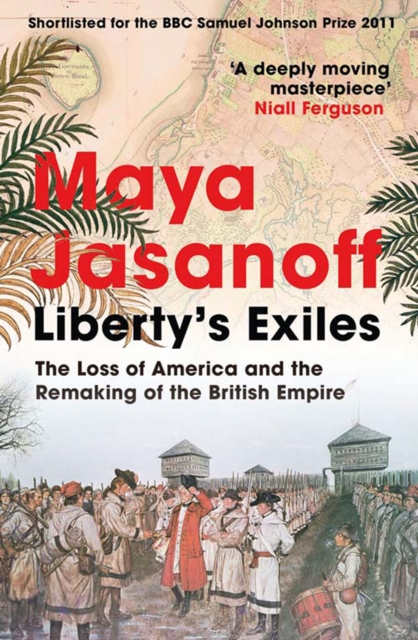
From the author of 'Edge of Empire' comes a fascinating, thought-provoking and alternative history of the American Revolution - that of those Americans who remained loyal to the British Empire.
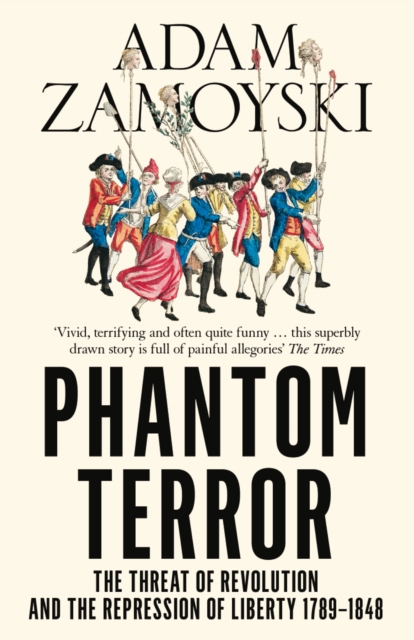
A magnificent and timely examination of an age of fear, subversion, suppression and espionage, Adam Zamoyski explores the attempts of the governments of Europe to police the world in a struggle against obscure forces, seemingly dedicated to the overthrow of civilisation.
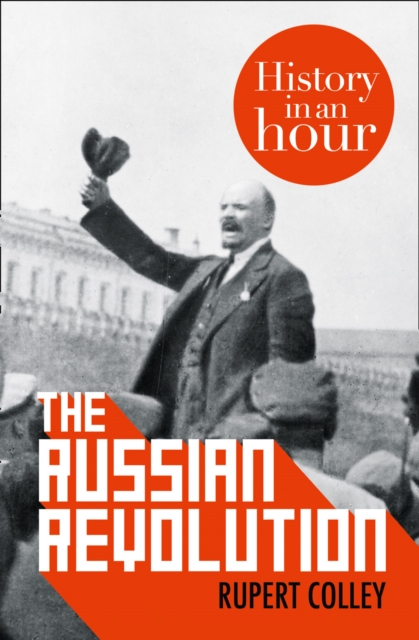
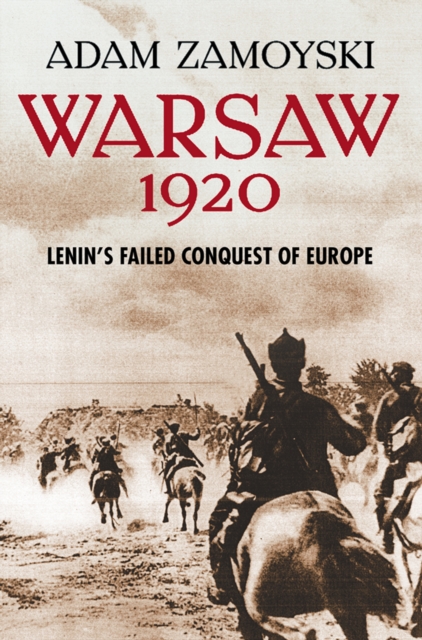
The dramatic and little-known story of how, in the summer of 1920, Lenin came within a hair's breadth of shattering the painstakingly constructed Versailles peace settlement and spreading Bolshevism to western Europe.
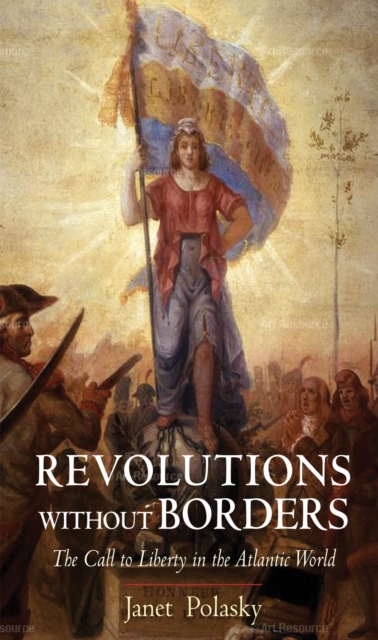
A sweeping exploration of revolutionary ideas that traveled the Atlantic in the late eighteenth century Nation-based histories cannot do justice to the rowdy, radical interchange of ideas around the Atlantic world during the tumultuous years from 1776 to 1804.
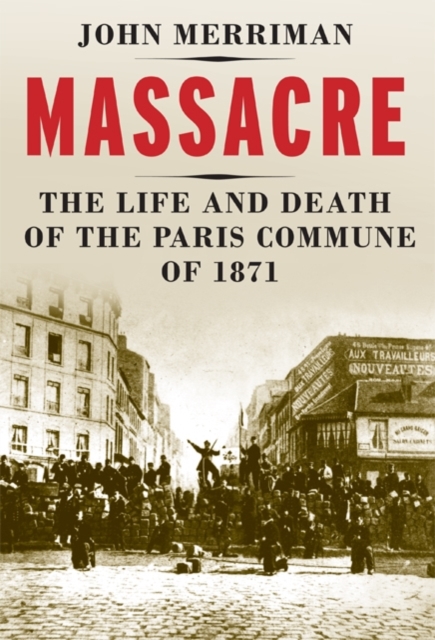
One of the most dramatic chapters in the history of nineteenth-century Europe, the Commune of 1871 was an eclectic revolutionary government that held power in Paris across eight weeks between 18 March and 28 May.
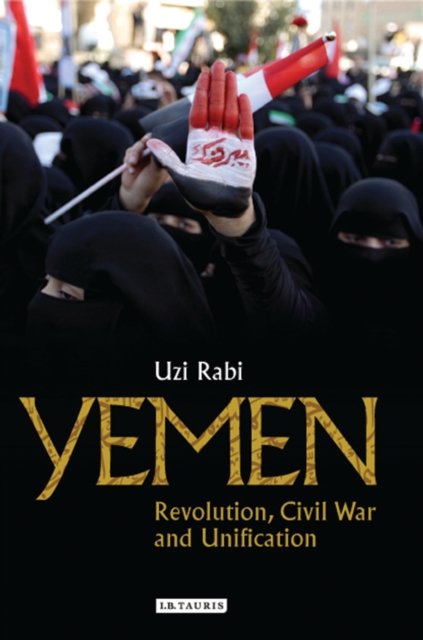
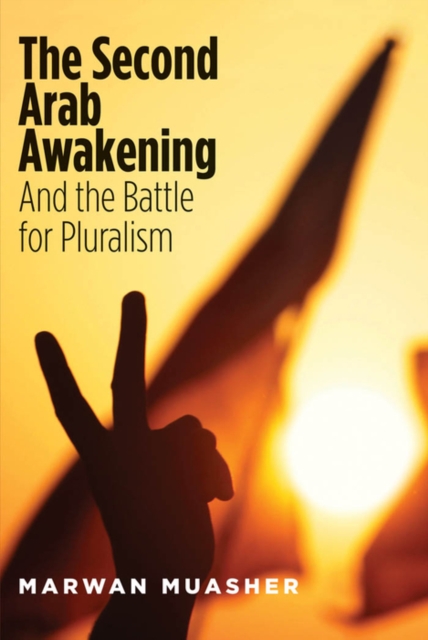
A knowledgeable insider provides the first clear view of what has happened in the Arab world and why This important book is not about immediate events or policies or responses to the Arab Spring.
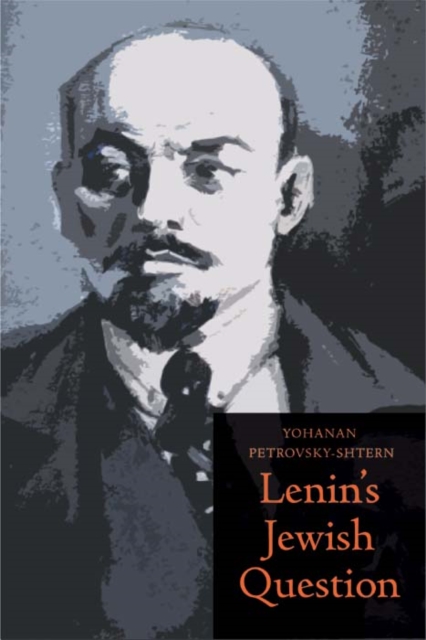
In this first examination of Lenin’s genealogical and political connections to East European Jews, Yohanan Petrovsky-Shtern reveals the broad cultural meanings of indisputable evidence that Lenin’s maternal grandfather was a Jew.
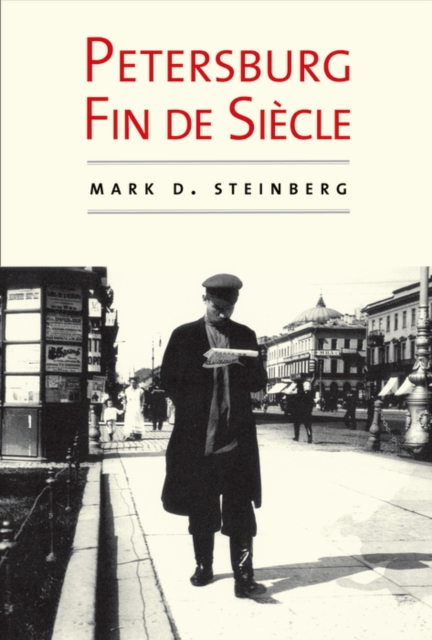
The final decade of the old order in imperial Russia was a time of both crisis and possibility, an uncertain time that inspired an often desperate search for meaning.
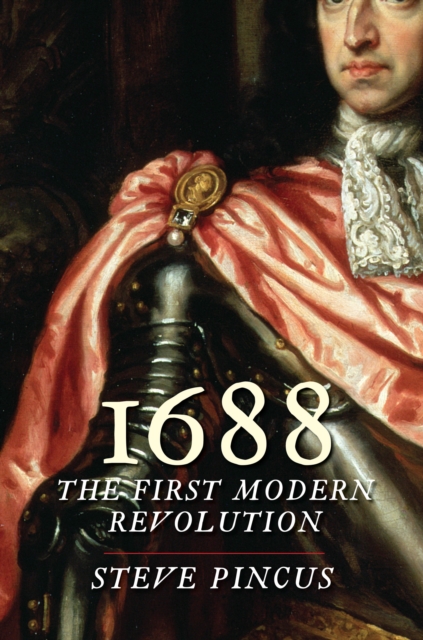
For two hundred years historians have viewed England’s Glorious Revolution of 1688–1689 as an un-revolutionary revolution—bloodless, consensual, aristocratic, and above all, sensible.
This masterful comparative history traces the West’s revolutionary tradition and its culmination in the Communist revolutions of the twentieth century.
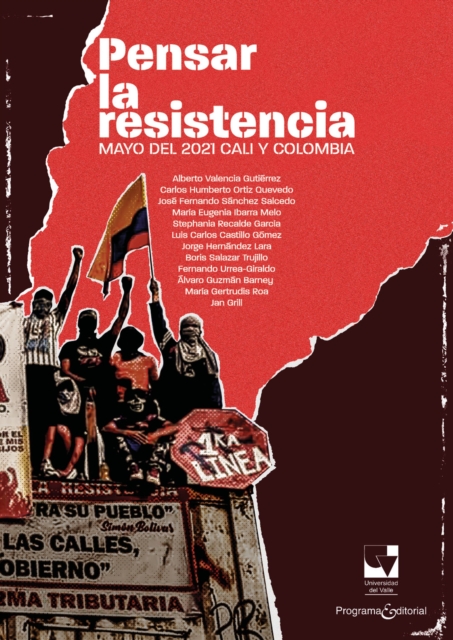
Durante los meses de mayo y junio de 2021 se produjo en Colombia un inmenso estallido social, sin antecedentes en la vida del país, que puso en tensión la vida colectiva.