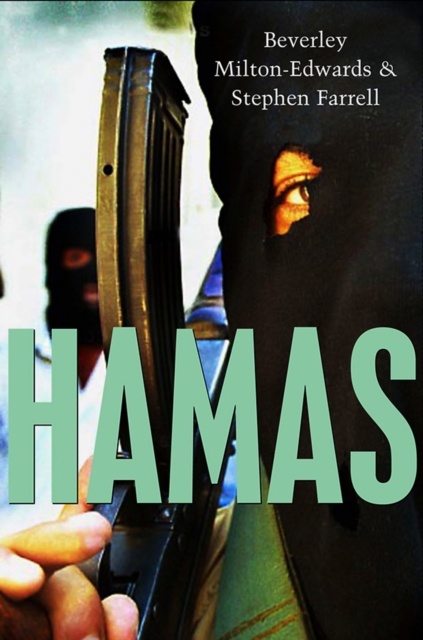
Declared a terrorist menace yet elected to government in a free election, Hamas now stands as the most important Sunni Islamist group in the Middle East.
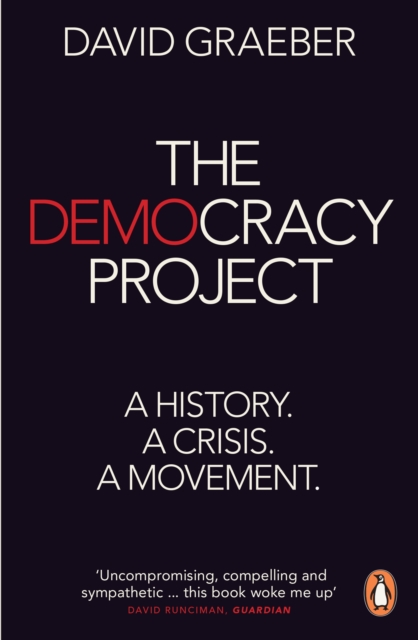
The Democracy Project is an exploration of anti-capitalist dissent and new political ideas from David Graeber, author of Debt: The First 5,000 Years and a leading member of the Occupy movement.
From the bestselling author of Public Enemies and The Big Rich, an explosive account of the decade-long battle between the FBI and the homegrown revolutionary movements of the 1970s
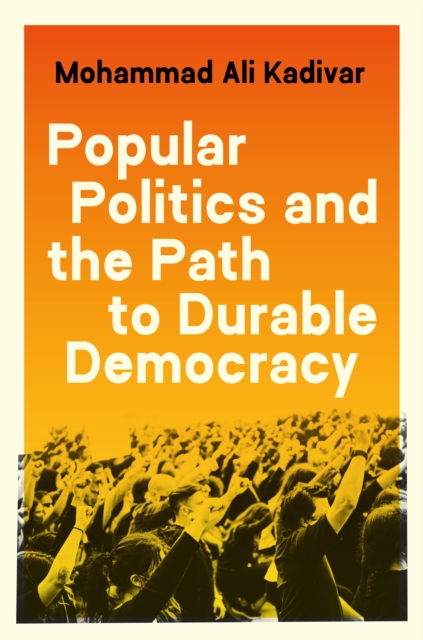
A groundbreaking account of how prolonged grassroots mobilization lays the foundations for durable democratizationWhen protests swept through the Middle East at the height of the Arab Spring, the world appeared to be on the verge of a wave of democratization.
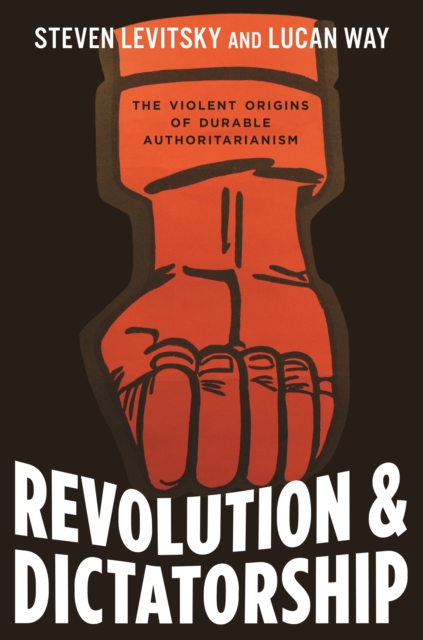
Why the world's most resilient dictatorships are products of violent revolutionRevolution and Dictatorship explores why dictatorships born of social revolution-such as those in China, Cuba, Iran, the Soviet Union, and Vietnam-are extraordinarily durable, even in the face of economic crisis, large-scale policy failure, mass discontent, and intense external pressure.
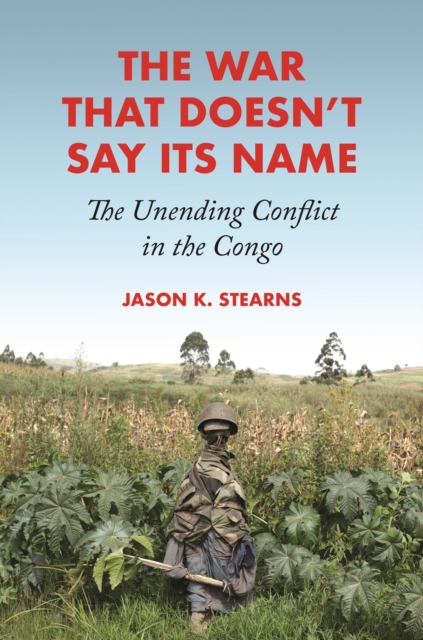
Why violence in the Congo has continued despite decades of international intervention Well into its third decade, the military conflict in the Democratic Republic of the Congo has been dubbed a "e;forever war"e;-a perpetual cycle of war, civil unrest, and local feuds over power and identity.
An authoritative introduction to ISIS-now expanded and revised to bring events up to the presentThe Islamic State stunned the world with its savagery, destructiveness, and military and recruiting successes.
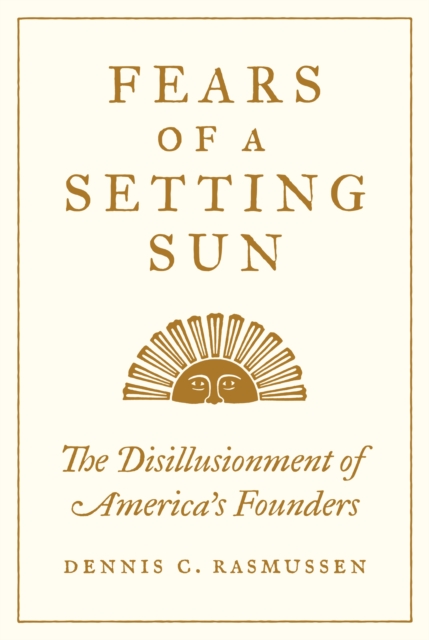
The surprising story of how George Washington, Alexander Hamilton, John Adams, and Thomas Jefferson came to despair for the future of the nation they had createdAmericans seldom deify their Founding Fathers any longer, but they do still tend to venerate the Constitution and the republican government that the founders created.
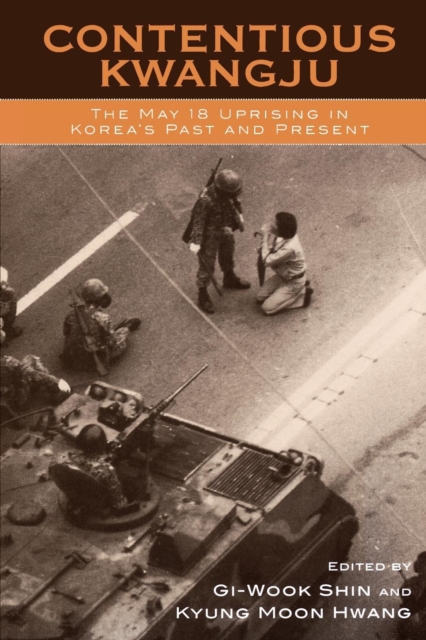
One of the largest political protests in contemporary Korean history, the May 1980 Kwangju Uprising still exerts a profound, often contested, influence in Korean society.
The surprising story of how George Washington, Alexander Hamilton, John Adams, and Thomas Jefferson came to despair for the future of the nation they had createdAmericans seldom deify their Founding Fathers any longer, but they do still tend to venerate the Constitution and the republican government that the founders created.
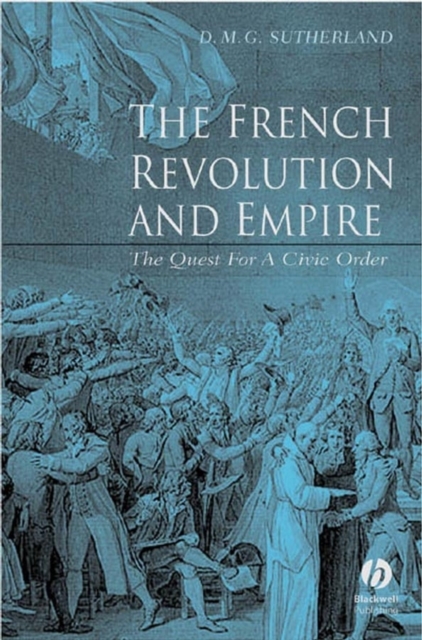
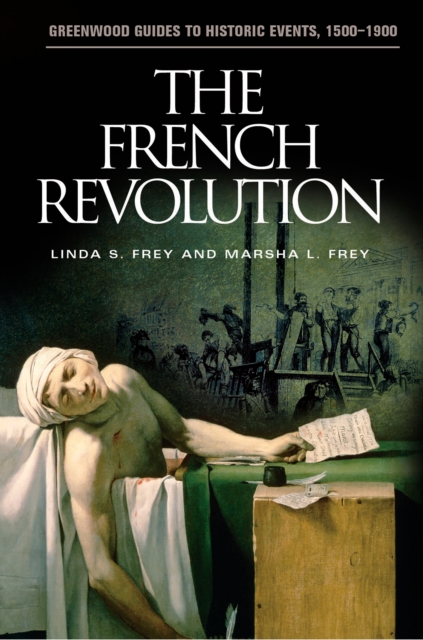
This book provides students and general readers with an introduction to revolutionary France whilst also presenting a clear argument to explain the events of the period.
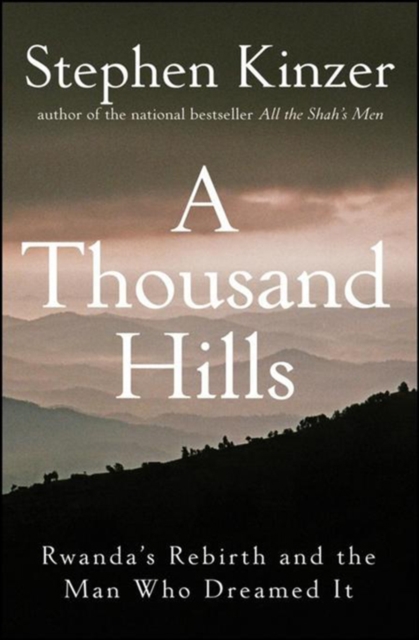
A Thousand Hills: Rwanda's Rebirth and the Man Who Dreamed It is the story of Paul Kagame, a refugee who, after a generation of exile, found his way home.
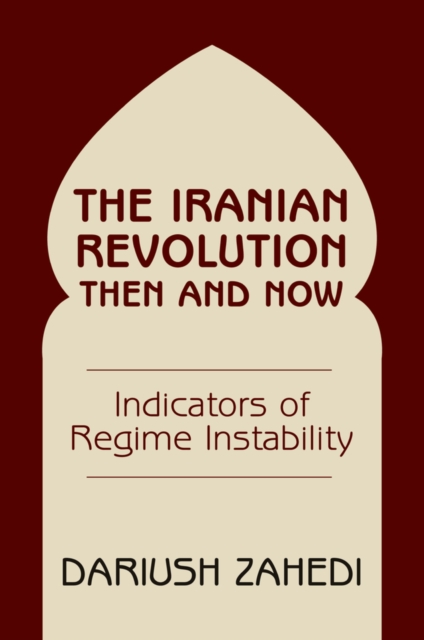
In The Iranian Revolution Then and Now , Dariush Zahedi assesses the Islamic Republic's potential for revolution through an in-depth, theoretically informed, comparative analysis of the present with 1979 pre-Revolutionary Iran.
In The Iranian Revolution Then and Now , Dariush Zahedi assesses the Islamic Republic's potential for revolution through an in-depth, theoretically informed, comparative analysis of the present with 1979 pre-Revolutionary Iran.
Originally published in 1969, Anarchy and Culture both documents and describes the influence of the student and academic in the case of revolution and protest within the university.
Originally published in 1969, Anarchy and Culture both documents and describes the influence of the student and academic in the case of revolution and protest within the university.
An interdisciplinary, cross-cultural, cross-historical analysis of three 20th-century non-Western revolutionary societies-China, Mexico, and Iran-that were profoundly impinged upon by European and American imperialism.
A detailed, scholarly reassessment of developments in Cambodia since December 25, 1978, when Vietnamese combat soldiers expelled the ruthless Pol Pot regime.
This book offers an illuminating story of how social and political change can sometimes result from the vision, leadership, and commitment of a few dedicated individuals determined not to fail.
This history of the Ku Klux Klan traces the evolution of the organization from its 1865 founding to the present, drawing extensively on contemporaneous media reports.
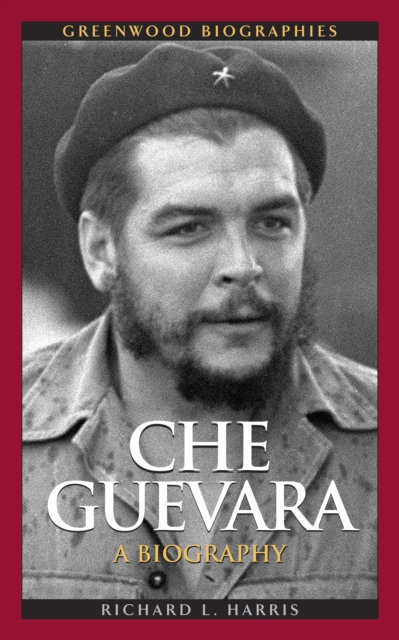
This concise biography of the world famous revolutionary Che Guevara provides the most up-to-date and comprehensive account available of his remarkable life, tragic death, and enduring political legacy.
One of the most tumultuous periods in modern Chinese history, the Cultural Revolution affected virtually all Chinese people and all aspects of Chinese life, including art, music and drama, education, factory management, economic planning, and medical care.
The interest of Russian intellectuals in the French Revolution demonstrates that some Russian thinkers of the 19th century had begun to question the concept of Russia's uniqueness.
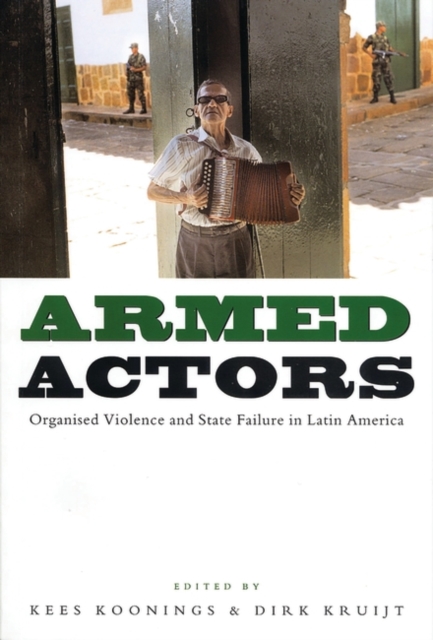
In this volume, Latin Americanist scholars explore the recent evidence relating to the ways in which partial state failure in the continent is interacting with new types of organized violence, thereby undermining the process of democratic consolidation that has characterized Latin America over the past two decades.
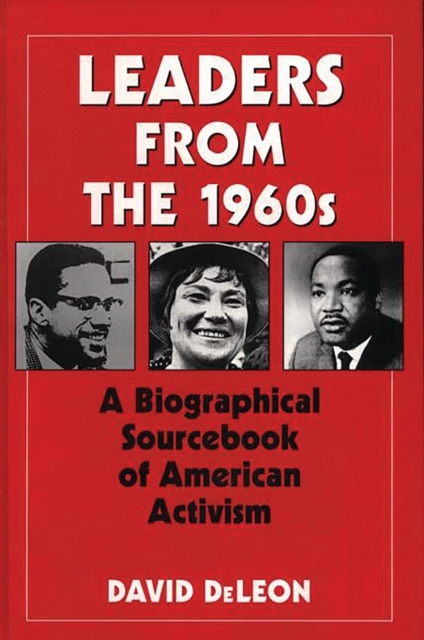
The throngs at Woodstock, Jane Fonda in Hanoi, I Have a Dream, burning draft cards, fire in the streets--these images of the 1960s are still very much alive today.
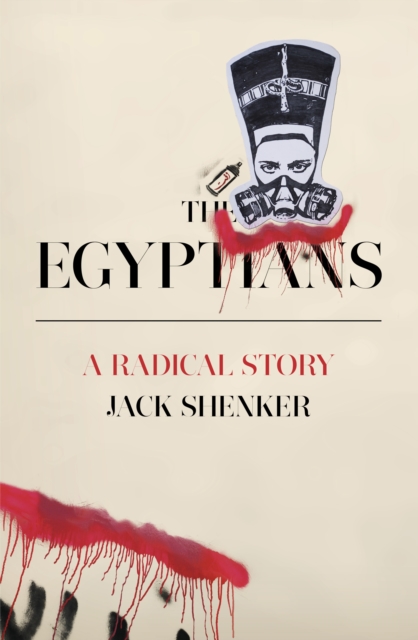
From award-winning journalist Jack Shenker, The Egyptians is the essential book about Egypt and radical politicsIn early 2011, Cairo's Tahrir Square briefly commanded the attention of the world.
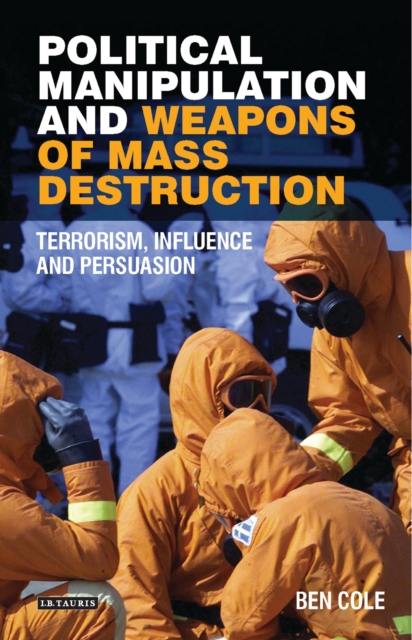
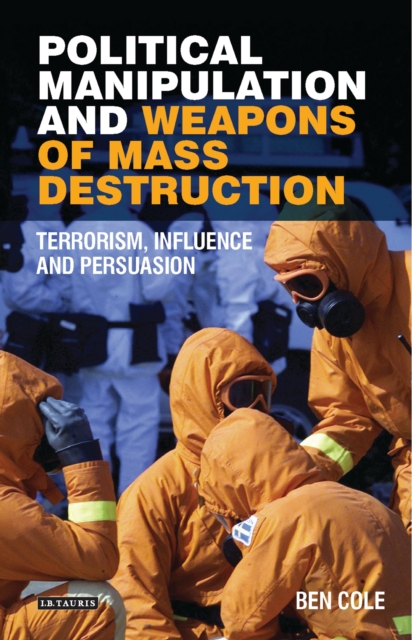
Concerns about CBRN (Chemical, Biological, Radioactive, Nuclear) weapons have featured prominently in both political debates and media reporting about the ongoing threat from al Qaeda since 9/11.
Concerns about CBRN (Chemical, Biological, Radioactive, Nuclear) weapons have featured prominently in both political debates and media reporting about the ongoing threat from al Qaeda since 9/11.
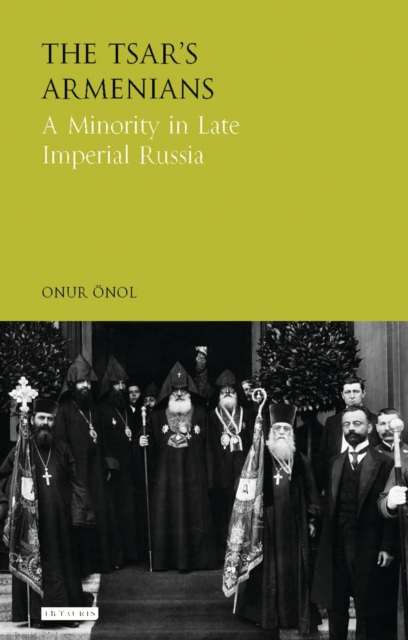
In 1903 Tsar Nicholas II issued a decree allowing the confiscation of Armenian Church property, marking the low point in relations between imperial Russia and its Armenian subjects.
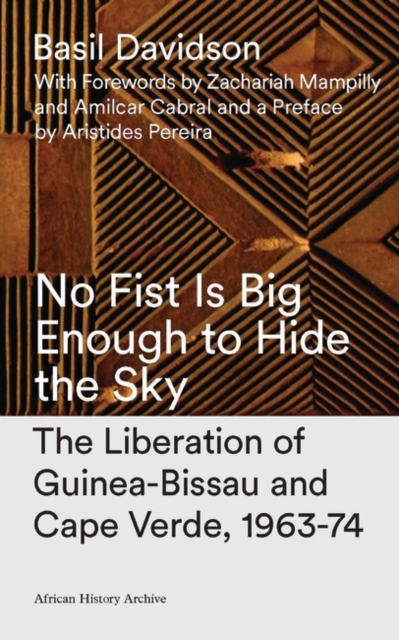
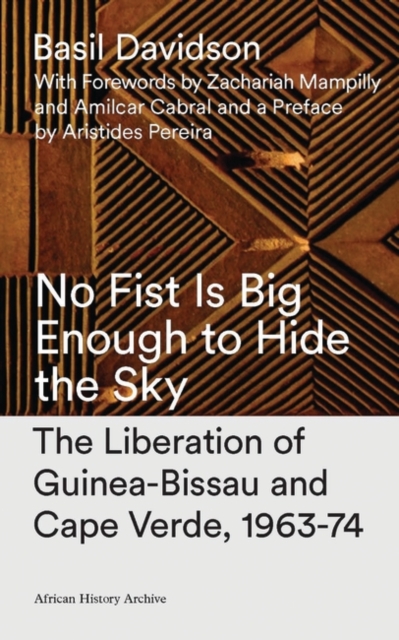
No Fist Is Big Enough to Hide the Sky stands as a key text in the history of the eleven-year struggle against Portuguese rule in Guinea-Bissau and Cape Verde.
No Fist Is Big Enough to Hide the Sky stands as a key text in the history of the eleven-year struggle against Portuguese rule in Guinea-Bissau and Cape Verde.