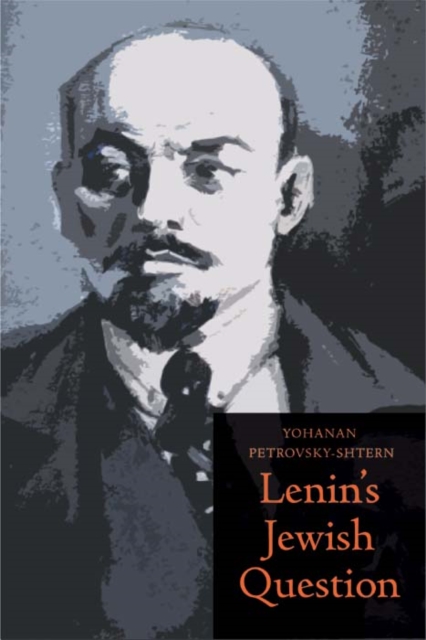
In this first examination of Lenin’s genealogical and political connections to East European Jews, Yohanan Petrovsky-Shtern reveals the broad cultural meanings of indisputable evidence that Lenin’s maternal grandfather was a Jew.
A knowledgeable insider provides the first clear view of what has happened in the Arab world and why This important book is not about immediate events or policies or responses to the Arab Spring.
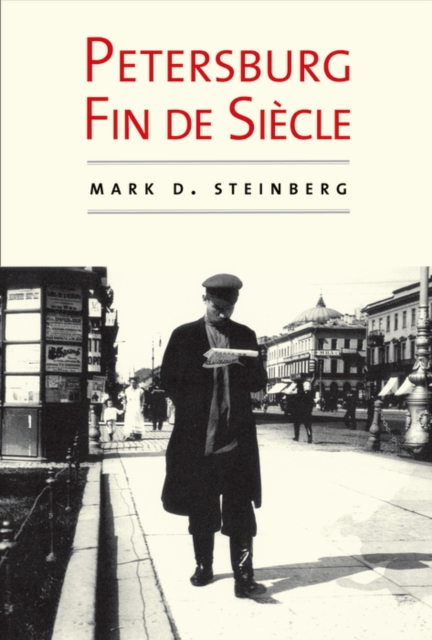
The final decade of the old order in imperial Russia was a time of both crisis and possibility, an uncertain time that inspired an often desperate search for meaning.
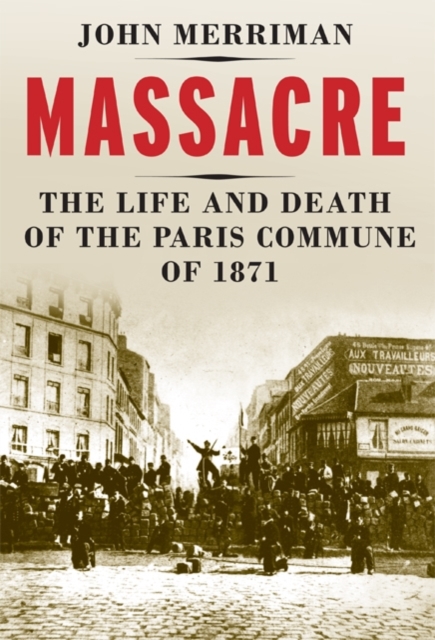
One of the most dramatic chapters in the history of nineteenth-century Europe, the Commune of 1871 was an eclectic revolutionary government that held power in Paris across eight weeks between 18 March and 28 May.
An authoritative introduction to ISIS-now expanded and revised to bring events up to the presentThe Islamic State stunned the world with its savagery, destructiveness, and military and recruiting successes.
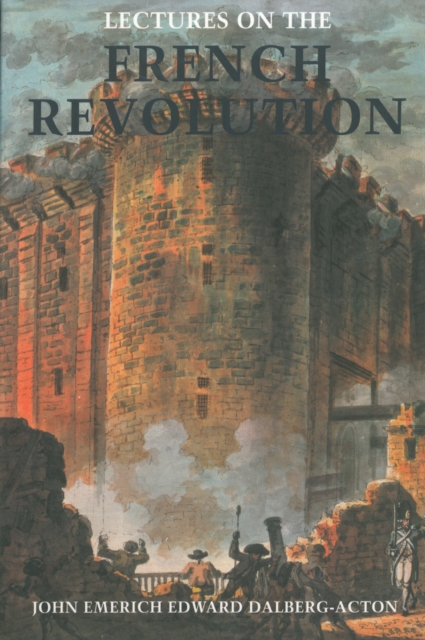
This collection of the lectures of Lord Acton on the French Revolution comprises a disciplined, thorough, and elegant history of the actual events of the bloody episode.
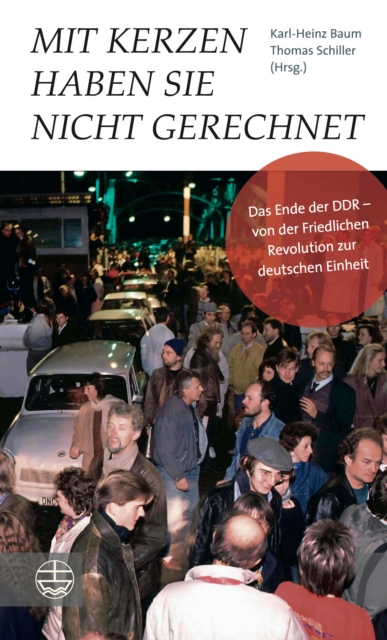
Die Führung der DDR hatte mit allem gerechnet – nur nicht damit, dass Kerzen und Gebete den deutschen Arbeiter- und Bauernstaat zu Fall bringen würden.
Step into the tumultuous world of Charles Dickens' A Tale of Two Cities, a powerful and evocative novel set against the backdrop of the French Revolution.
A noted expert provides a detailed, if chilling, examination of one of the most brutal and long-lived insurgent groups in Africa: Joseph Kony's Lord's Resistance Army.
Un lugar común sobre las organizaciones armadas en la Argentina de los años setenta afirma que los desacuerdos con las cúpulas dirigentes aparecieron recién cuando el faro de la revolución ya se había apagado.
Providing a kaleidoscope of resources and entries on the people, places, and events that coalesced into the American Revolution, this guide offers a concise introduction to one of the most famous revolutions ever fought.
Highlighting a breadth of American individuals and groups that engaged in extremist behavior across history, this book provides a succinct, concise overview of extremist behavior in the past and examines today's increasingly common incidences of hate and extremism.
This compact volume offers a compelling introduction to a group once deemed the greatest threat to the internal security of the United States, the Black Panther Party.
This book investigates the Communist political phenomenon, including the origins and development of Communism as well as the revolutions that led to the rise of the major Communist states around the world.
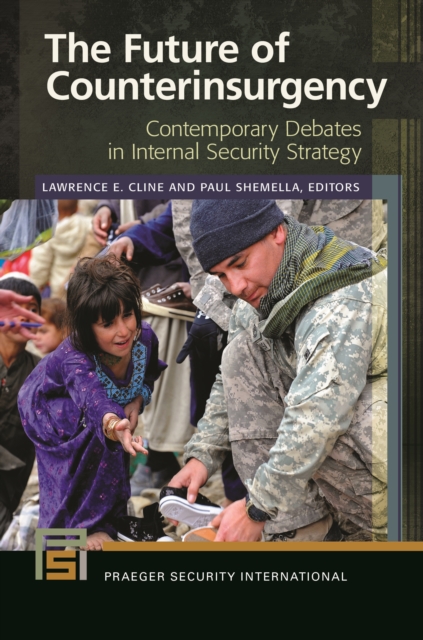
This thought-provoking work analyzes the major debates surrounding counterinsurgency campaigns and uncovers the internal security problems derailing effective strategies for restoring stability.
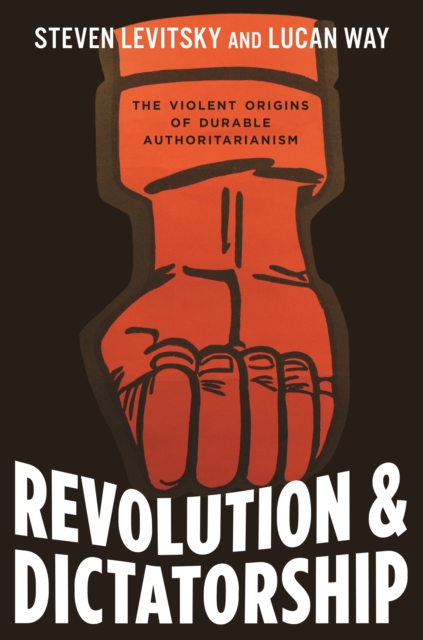
Why the world's most resilient dictatorships are products of violent revolutionRevolution and Dictatorship explores why dictatorships born of social revolution-such as those in China, Cuba, Iran, the Soviet Union, and Vietnam-are extraordinarily durable, even in the face of economic crisis, large-scale policy failure, mass discontent, and intense external pressure.
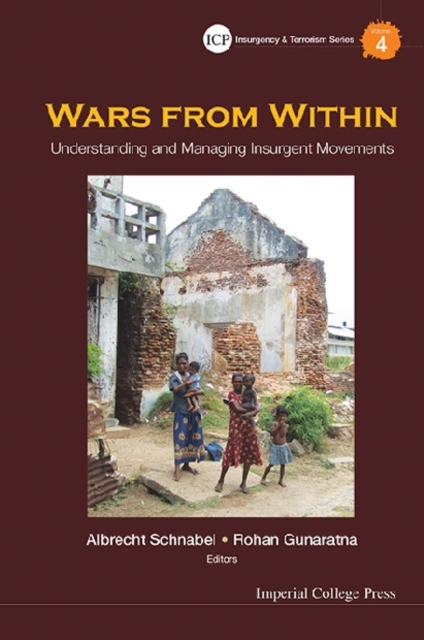
Wars from Within brings together an international and multidisciplinary group of academics and practitioner-researchers specializing in the study of insurgent movements in order to provide a deeper understanding of the violent manifestations of insurgencies in different parts of the world.
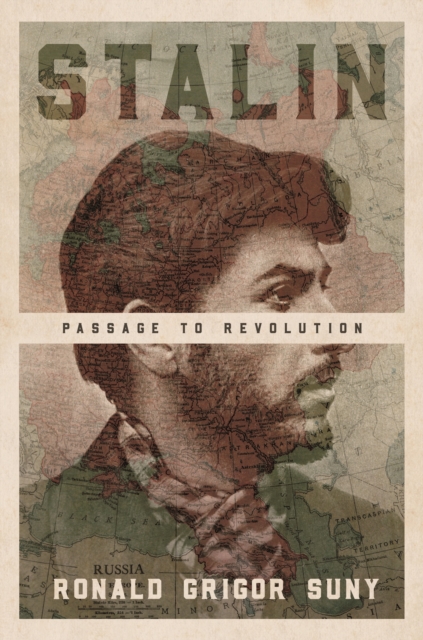
A spellbinding new biography of Stalin in his formative yearsThis is the definitive biography of Joseph Stalin from his birth to the October Revolution of 1917, a panoramic and often chilling account of how an impoverished, idealistic youth from the provinces of tsarist Russia was transformed into a cunning and fearsome outlaw who would one day become one of the twentieth century's most ruthless dictators.
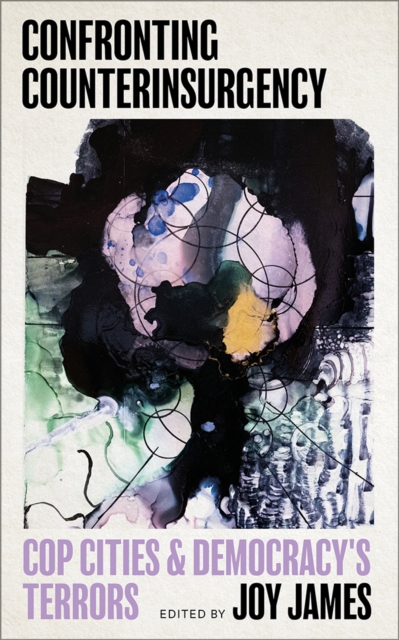
A work of radical care and love, a study guide for the urgency of the moment Dian Million, author of Therapeutic NationsGuides us through confrontation with counterinsurgency in empires proxy wars, colonies, prisons and schools Frances Madeson, author of Cooperative VillageAn incendiary political and philosophical reflection Ken Fero, radical filmmaker and convenor of The Peoples Tribunal on Police KillingsAs we step into an era of rising fascism and normalized genocide, Confronting Counterinsurgency is an invaluable contribution to the fightback.
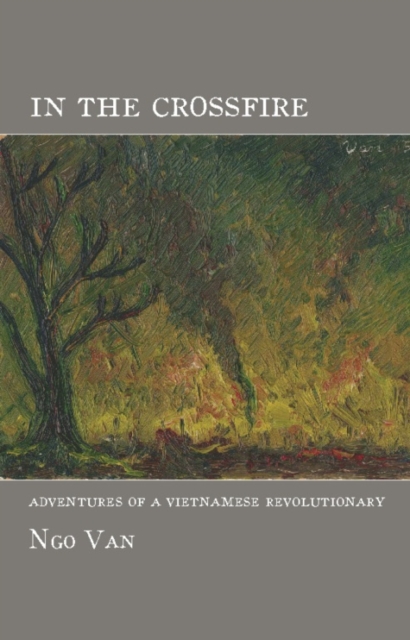
In 1936, Ngo Van was captured, imprisoned, and tortured in the dreaded Maison Centrale prison in Saigon for his part in the struggle to free Vietnam from French colonial rule.
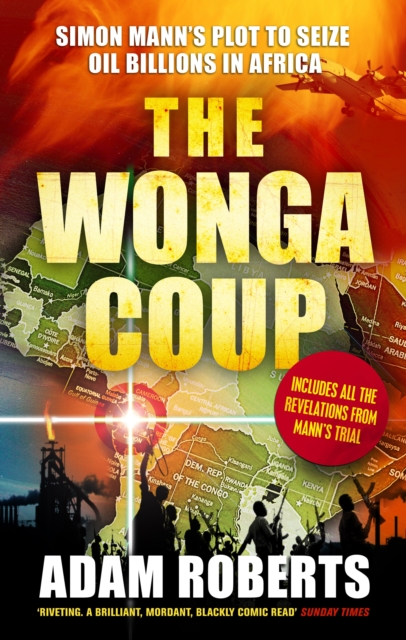
In March 2004 a group led by Nick Du Toit and former SAS member Simon Mann tried to overthrow the tyrannical Obiang Nguema, president of Equatorial Guinea.
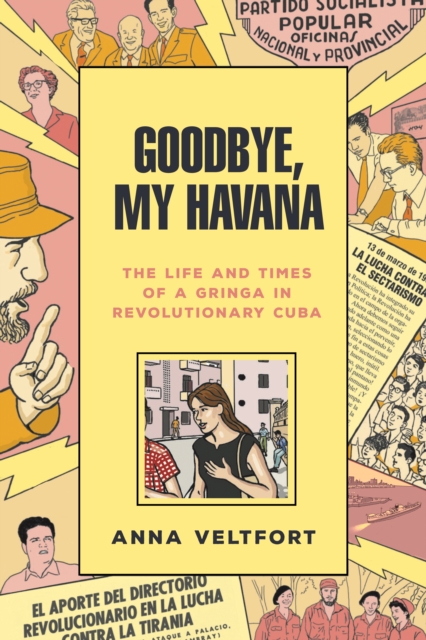
An eyewitness account of idealism, self-discovery, and loss under one of the twentieth-century's most repressive political regimesSet against a backdrop of world-changing events during the headiest years of the Cuban Revolution, Goodbye, My Havana follows young Connie Veltfort as her once relatively privileged life among a community of anti-imperialist expatriates turns to progressive disillusionment and heartbreak.
While dramatic changes are taking place on the international scene and among the major powers, Africa continues to suffer from a multitude of violent conflicts.
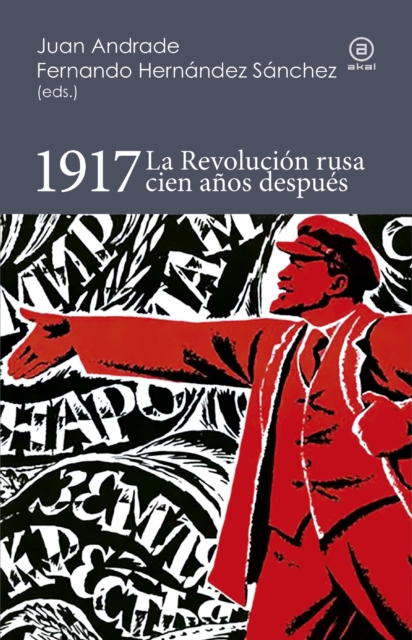
Tras regresar del exilio, Lenin pronunció el 4 de abril en Petrogrado el discurso que dio el pistoletazo de salida a lo que sería la Revolución de Octubre.
While dramatic changes are taking place on the international scene and among the major powers, Africa continues to suffer from a multitude of violent conflicts.
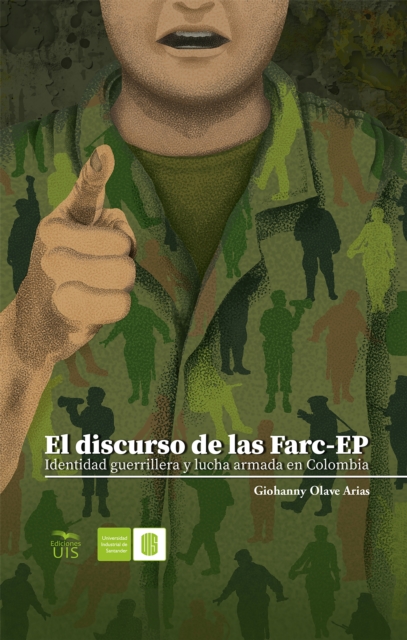
La historiografia sobre los movimientos armados en Colombia se ha enfocado, principalmente, en analizar las guerrillas de la segunda mitad del siglo XX desde una perspectiva macro y ofreciendo explicaciones estructurales.
Este libro estudia el tránsito de la clandestinidad de la guerrilla Farc-EP a su institucionalidad en la política partidaria, por medio del análisis del discurso político.
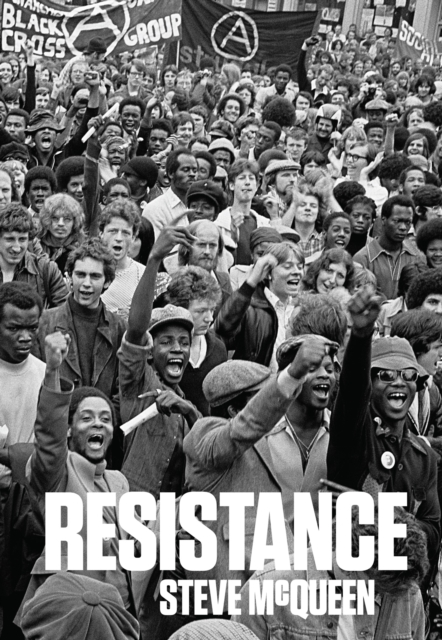
A most anticipated book of 2025 in Guardian, Independent and ElleA landmark work charting how acts of resistance have shaped Britain and the powerful role of photography as a catalyst for change, across the twentieth century, curated by acclaimed artist and filmmaker Steve McQueen.
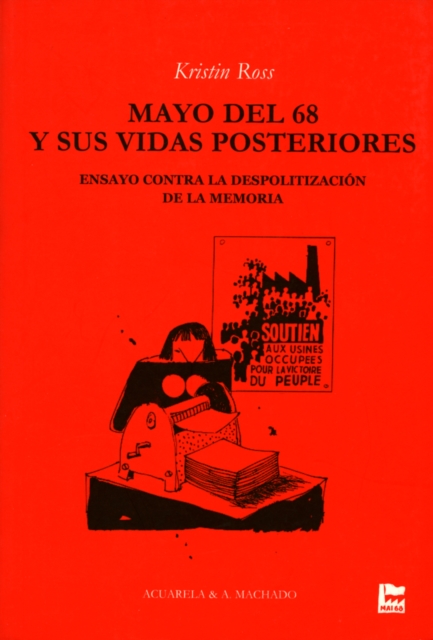
La memoria es un espacio de lucha: el recuerdo no es algo que el poder pueda dejar sin gobernar, sobre todo el recuerdo de un momento que cambió el curso de las vidas y la realidad misma.
Entre 1957 y 1965, junto a Cornelius Castoriadis, Claude Lefort, Jean-François Lyotard y otros muchos, Daniel Blanchard participa en las actividades del colectivo revolucionario Socialismo o Barbarie, que desarrolla una crítica radical de los regímenes del Este y del Oeste a partir del "revelador" que constituía la capacidad de autoorganización del movimiento obrero.
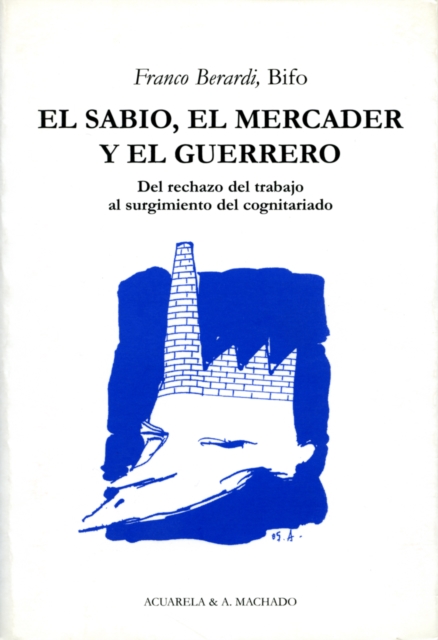
La historia del siglo xx es la historia del conflicto y las alianzas entre tres figuras: el sabio, portador de la inteligencia acumulada en infinitos gestos de producción, creación y reflexión; el mercader, que convierte los productos de la inteligencia humana en mercancía, y el guerrero, expresión de la violencia que regula la relación entre inteligencia y mercancía, entre saber y técnica.
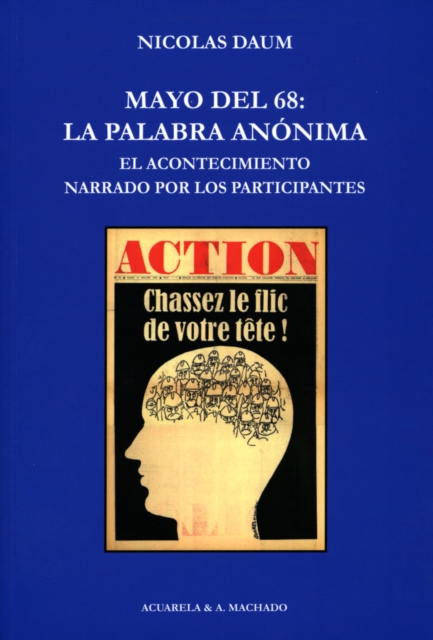
Mayo del 68: la palabra anónima recoge entrevistas realizadas por Nicolas Daum a antiguos miembros del Comité de Acción –hoy diríamos "asambleas de barrio"– de los distritos III y IV de París, uno de los más duraderos.
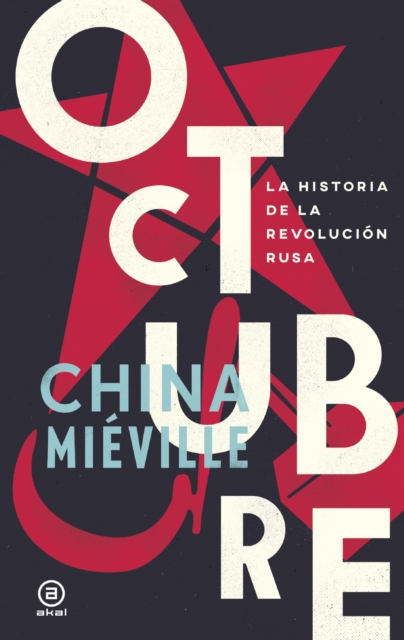
"En febrero de 1917 Rusia era una monarquía atrasada y autocrática, enfangada en una guerra impopular; y en octubre, después de no una, sino dos revoluciones, se había convertido en el primer Estado de los Trabajadores, pugnando por colocarse en la vanguardia de la revolución global.