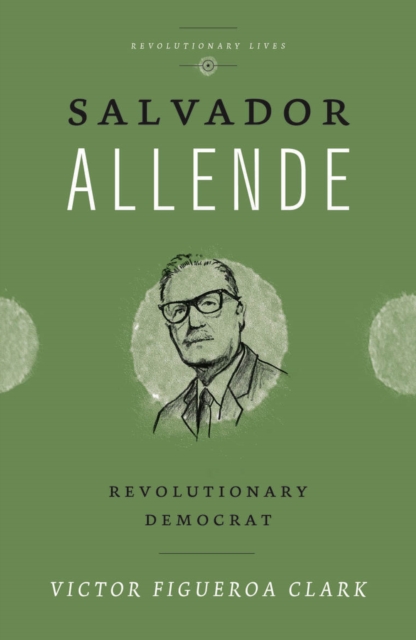
This is a political biography of one of the 20th century's most emblematic left-wing figures - Salvador Allende, who was president of Chile until he was ousted by General Pinochet in a US-supported coup in 1973.
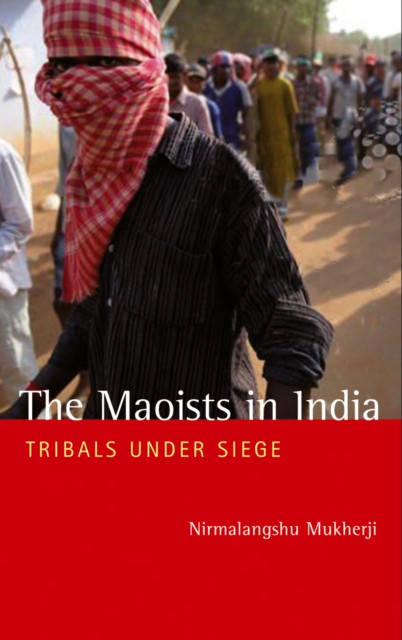
The Maoists in India delves deep into the decades long battle between the Indian state and Maoist groups - one of the most intractable insurgencies in the developing world.
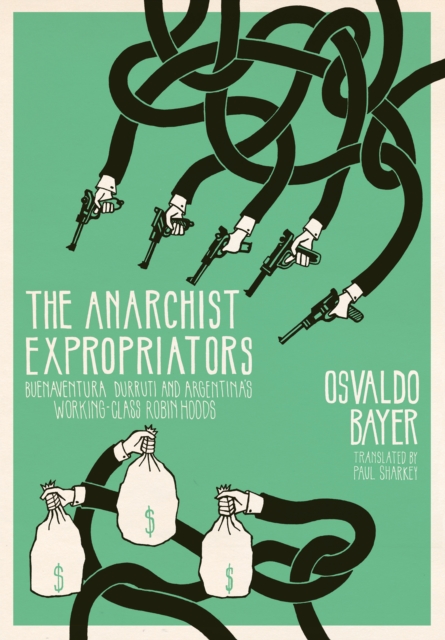
Osvaldo Bayer's study of working-class retribution, set between 1919 and 1936, chronicles hair-raising robberies, bombings, and tit-for-tat murders conducted by Argentina's working men.
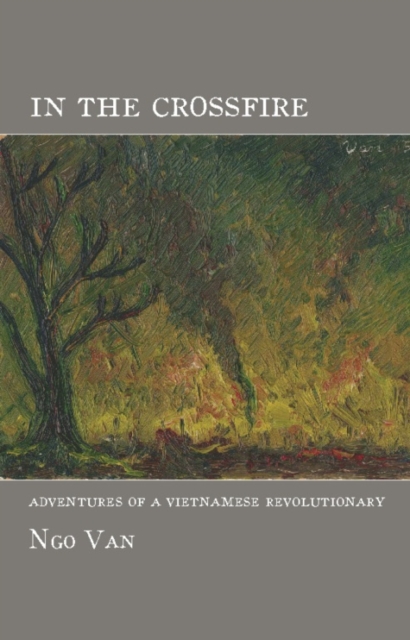
In 1936, Ngo Van was captured, imprisoned, and tortured in the dreaded Maison Centrale prison in Saigon for his part in the struggle to free Vietnam from French colonial rule.
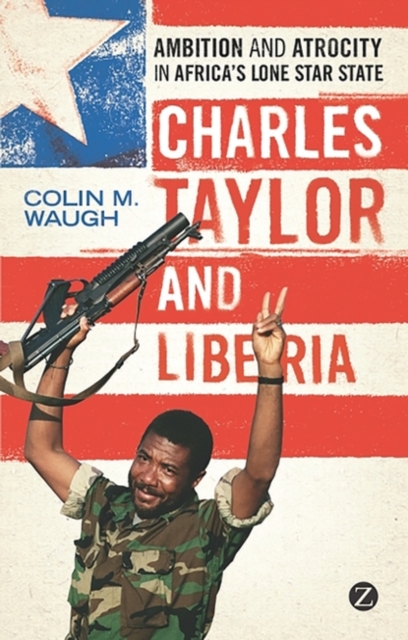
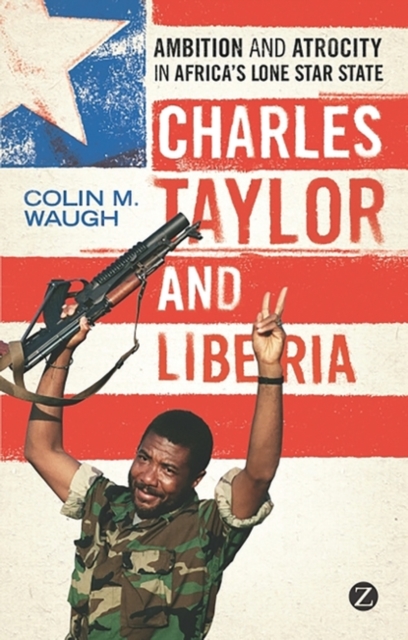
Campaigner, insurgent, fugitive, rebel commander, commodity kingpin, elected president, exile and finally prisoner, Charles Taylor sought to lead his country to change but instead ignited a conflict which destroyed Liberia in over a decade of violence, greed and personal ambition.
Campaigner, insurgent, fugitive, rebel commander, commodity kingpin, elected president, exile and finally prisoner, Charles Taylor sought to lead his country to change but instead ignited a conflict which destroyed Liberia in over a decade of violence, greed and personal ambition.
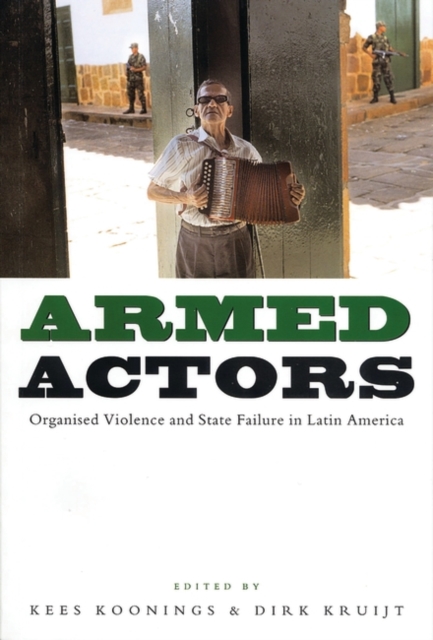
In this volume, Latin Americanist scholars explore the recent evidence relating to the ways in which partial state failure in the continent is interacting with new types of organized violence, thereby undermining the process of democratic consolidation that has characterized Latin America over the past two decades.
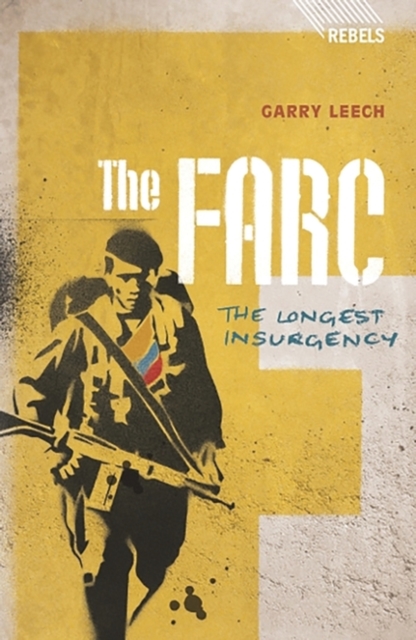
Garry Leech has written the definitive introduction to the FARC, examining the group's origins, aims, and ideology, and looking at its organizational and operational structures.
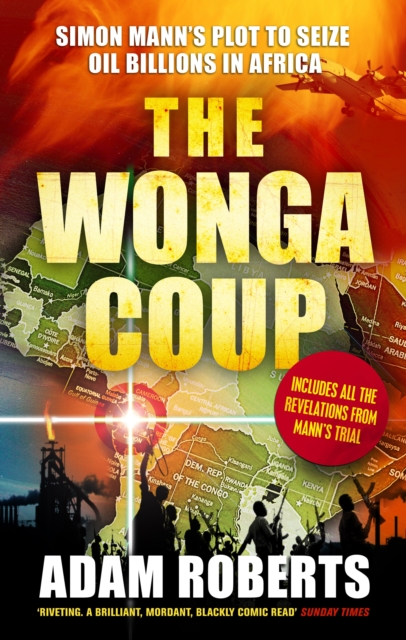
In March 2004 a group led by Nick Du Toit and former SAS member Simon Mann tried to overthrow the tyrannical Obiang Nguema, president of Equatorial Guinea.
The Argentine-born writer Adolfo Gilly has directly observed many of Latin America's most dramatic events, from the Bolivian Revolution of the 1950s and Cuba during the Missile Crisis to the guerrilla wars of Central America and Mexico's Zapatista uprising.
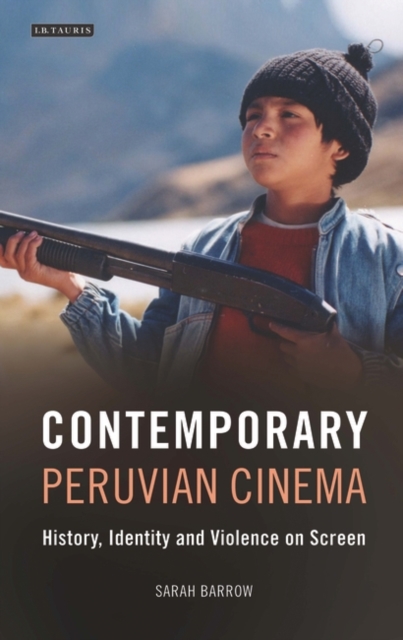
WINNER OF A CHOICE OUTSTANDING ACADEMIC TITLE AWARD 2019The political violence that erupted towards the end of the twentieth century between the Peruvian state and militant group `Shining Path' left an indelible mark on the country that resonates even today.
Across Africa in the post-1956 era, the aspirations of African nationalists to secure power were boosted and quickly realized by the British, French and Belgian hasty retreat from empire.
In an age of military neoliberalism, social movements and center-Left coalition governments have advanced across South America, sparking hope for radical change in a period otherwise characterized by regressive imperial and anti-imperial politics.
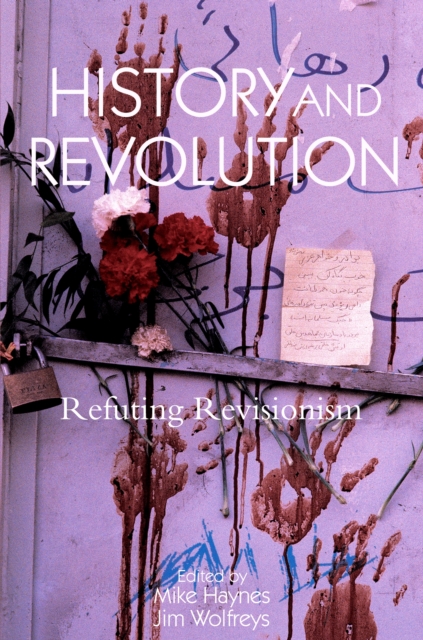
In History and Revolution, a group of respected historians confronts the conservative, revisionist trends in historical enquiry that have been dominant in the last twenty years.
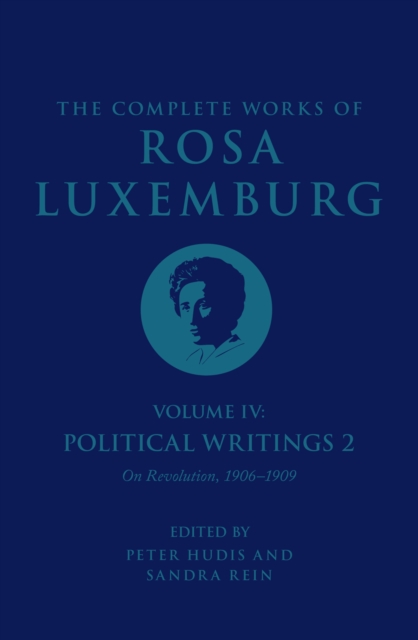
This 600-page volume of Luxemburg's Complete Works contains her writings On Revolution from 1906 to 1909 - covering the 1905-06 Russian Revolution, an epoch-making event, and its aftermath.
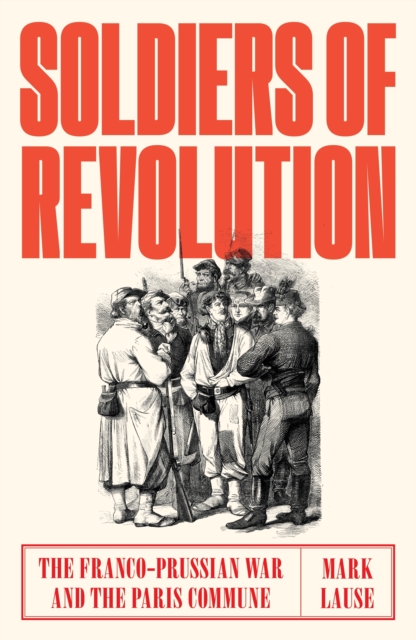
The Franco-Prussian War of 1870-71 introduced new military technologies, transformed the organization of armies, and upset the continental balance of power, promulgating new regimented ideas of nationhood and conflict resolution more widely.
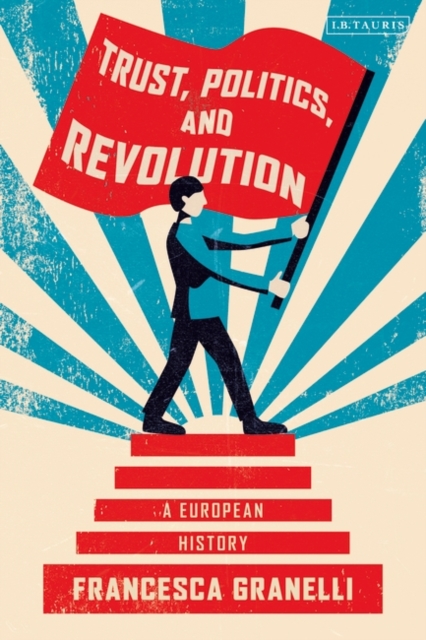
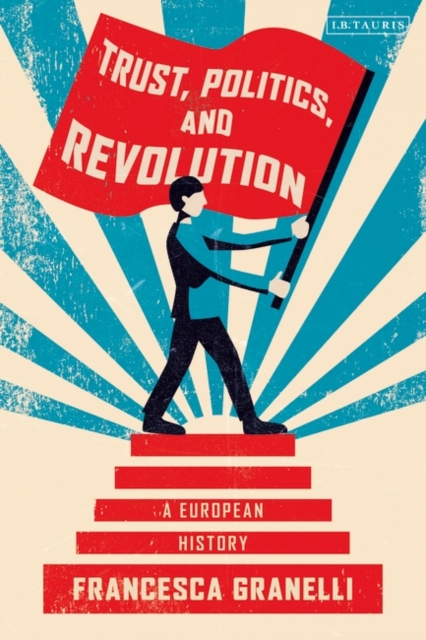
Tracing the relationships and networks of trust in Western European revolutionary situations from the Ancient Greeks to the French Revolution and beyond, Francesca Granelli here shows the essential role of trust in both revolution and government, arguing that without trust, both governments and revolutionary movements are liable to fail.
Tracing the relationships and networks of trust in Western European revolutionary situations from the Ancient Greeks to the French Revolution and beyond, Francesca Granelli here shows the essential role of trust in both revolution and government, arguing that without trust, both governments and revolutionary movements are liable to fail.
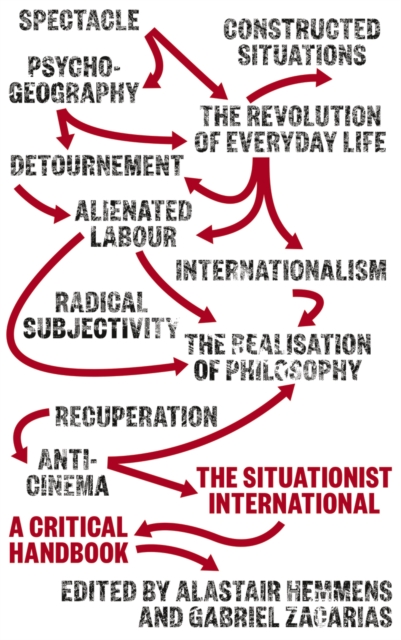
From its foundation in 1957 to its self-dissolution in 1972, the Situationist International established itself as one of the most radical revolutionary organisations of the twentieth century.
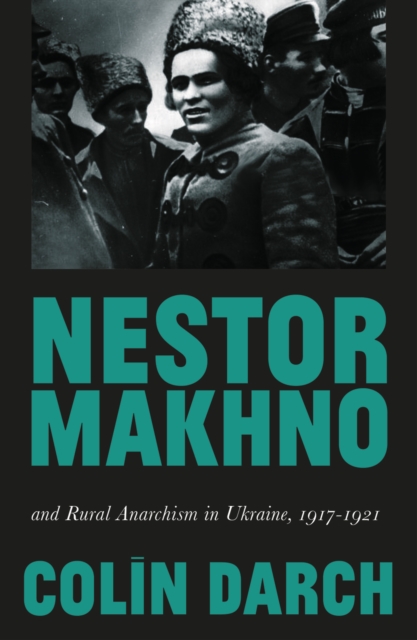
Histories of the Russian Revolution often present the Bolshevik seizure of power in 1917 as the central event, neglecting the diverse struggles of urban and rural revolutionaries across the heartlands of the Russian Empire.
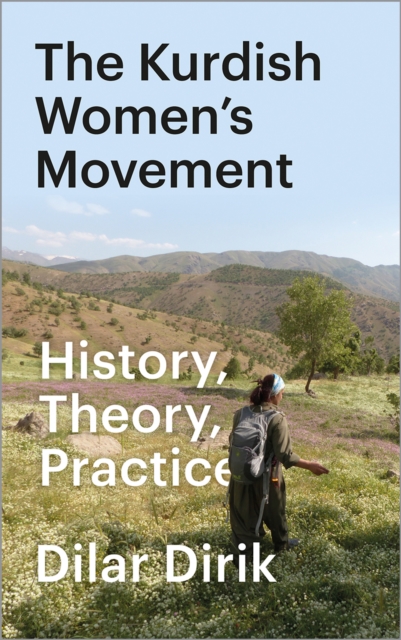
'One the foremost writers and participants in the Kurdish women's movement' - Harsha WaliaThe Kurdish women's movement is at the heart of one of the most exciting revolutionary experiments in the world today: Rojava.