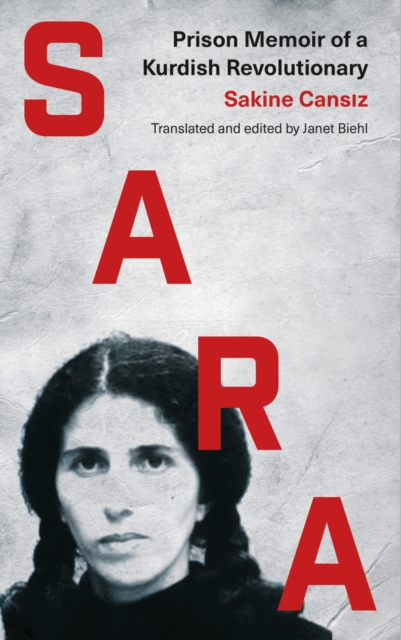
The second instalment in a gripping memoir by Sakine Cansiz (codenamed 'Sara') chronicles the Kurdish revolutionary's harrowing years in a Turkish prison, following her arrest in 1979 at the age of 21.
'Government by its very nature counteracts the improvement of original mind' - William GodwinWilliam Godwin was the first major anarchist thinker in the Anglophone world, who rocked the establishment at the beginning of the nineteenth century.
Storming Heaven is the only book which looks at Italian workerist theory and practice, from its origins in the anti-Stalinist left of the 1950s to its heyday twenty years later.
'In overthrowing me, you have done no more than cut down the trunk of the tree of liberty - it will spring back from the roots, for they are numerous and deep.
Following the election of Hugo Chavez to the Venezuelan presidency, and the Cochabamba water wars, Latin American politics were radicalised and their governments populated with former activists and trade union leaders.
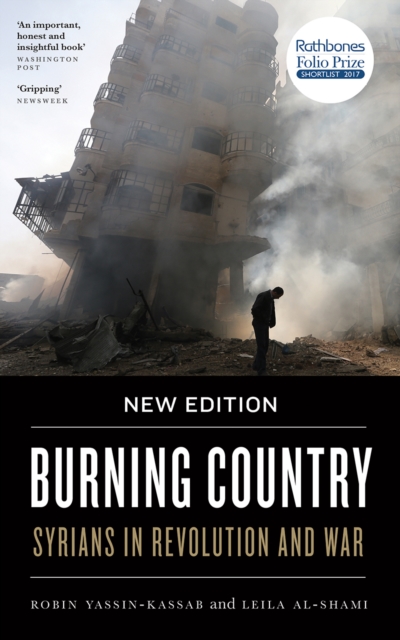
*Shortlisted for the Rathbones Folio Prize 2017*In 2011, many Syrians took to the streets of Damascus to demand the overthrow of the government of Bashar al-Assad.
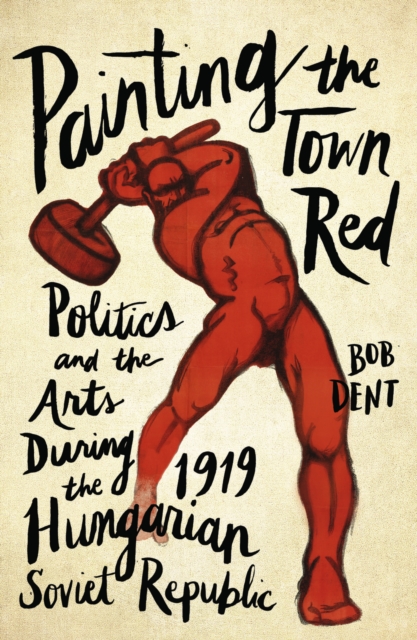
The intensely political cultural production that erupted during Hungary's short-lived Soviet Republic of 1919 encompassed music, art, literature, film and theatre.
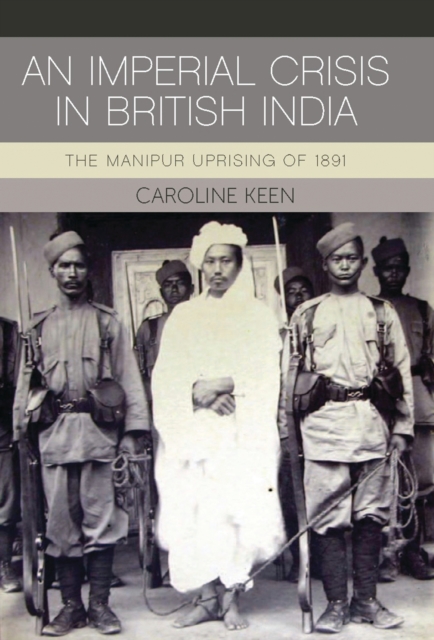
In 1891 a major anti-British revolt erupted in the northeast Indian princely state of Manipur after a dangerously miscalculated attempt by the Government of India to assert its authority in the wake of a palace coup.
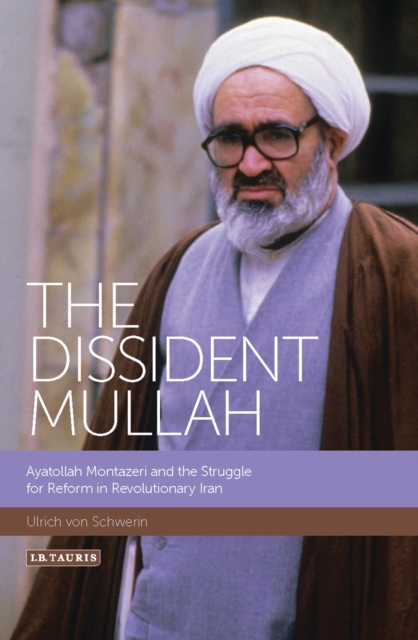
The Iranian cleric Ayatollah Montazeri (1922-2009) played an integral role in the founding of the Islamic Republic in the wake of the Iranian Revolution of 1978/9.
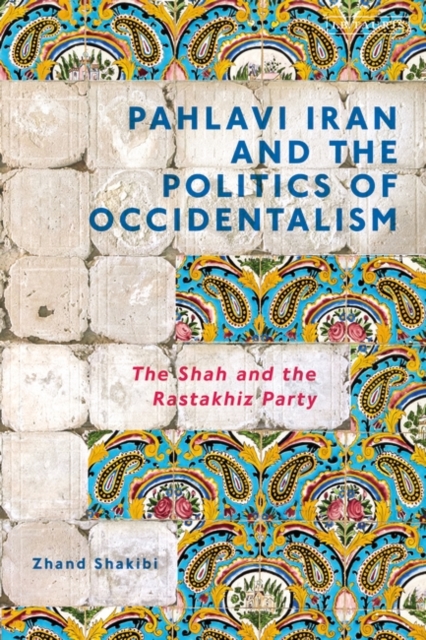
Zhand Shakibi presents a new interpretation of the political and social dynamics of the last decade of the Shah's rule that challenges the binary view of pro-West Shah and anti-West Ayatollah by drawing attention to the Pahlavi state's reaction to the intellectual and societal backlash against cultural and moral Occidentalism in its last decade.
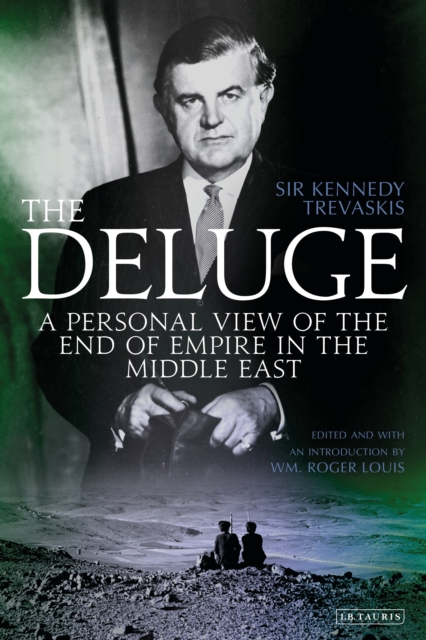
Sir Kennedy Trevaskis was the last High Commissioner of South Arabia - a role he held from 1963-1965, which provided the pinnacle of his career and yet also his ultimate failure.
Zhand Shakibi presents a new interpretation of the political and social dynamics of the last decade of the Shah's rule that challenges the binary view of pro-West Shah and anti-West Ayatollah by drawing attention to the Pahlavi state's reaction to the intellectual and societal backlash against cultural and moral Occidentalism in its last decade.
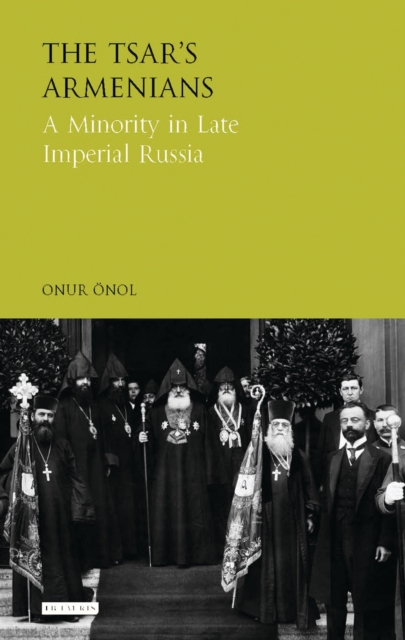
In 1903 Tsar Nicholas II issued a decree allowing the confiscation of Armenian Church property, marking the low point in relations between imperial Russia and its Armenian subjects.
Sir Kennedy Trevaskis was the last High Commissioner of South Arabia - a role he held from 1963-1965, which provided the pinnacle of his career and yet also his ultimate failure.
The uprisings of 2011, which erupted so unexpectedly and spread across the Middle East, once again propelled the armies of the region to the centre of the political stage.
Through detailed exploration of events in Tunisia, Egypt, Bahrain, Libya, Syria and Yemen, Sean Burns here breaks down the concept of professionalism within the armed forces into its component parts and demonstrates how variation in military structures determines their behaviour.
Over the years, the belief system around self sacrifice has become key to understanding the Middle East and its political relationships with the West although much of the literature and conversation has been restricted to modern concepts of jihadism.
Revolution in the Air is the definitive study of how radicals from the sixties movements embraced twentieth-century Marxism, and what movements of dissent today can learn from the legacies of Lenin, Mao and Che.
In a feat of extraordinary archival research Sheila Rowbotham uncovers six little-known women and men whose lives were both dramatic and startlingly radical.
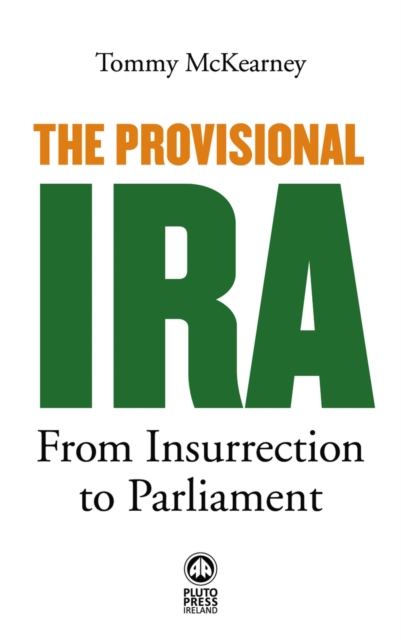
This book analyses the underlying reasons behind the formation of the Provisional Irish Republican Army (IRA), its development, where this current in Irish republicanism is at present and its prospects for the future.
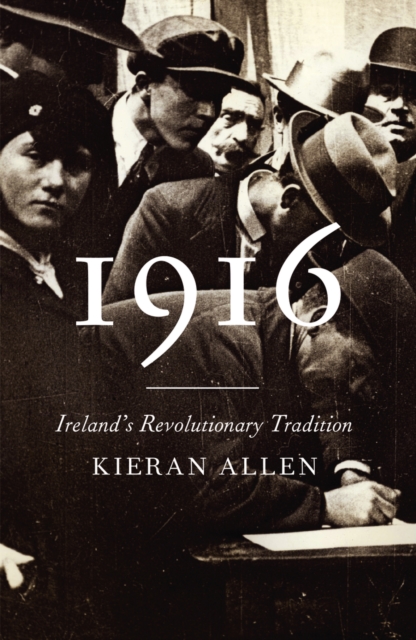
A few minutes after noon on the 24th April, 1916, Patrick Pearse stepped outside the newly occupied GPO on Sackville Street with a copy of the Proclamation of the Irish Republic.
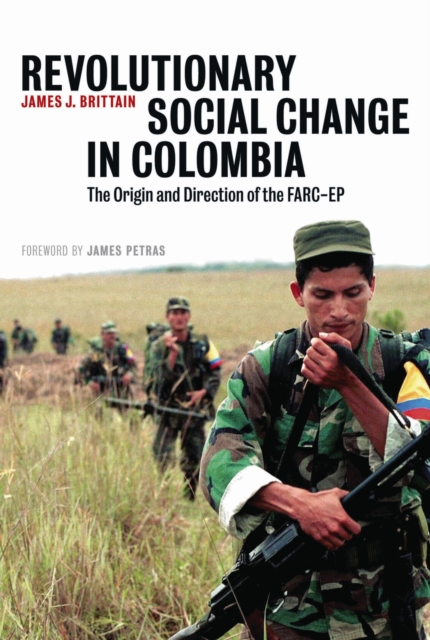
Although they are one of the most powerful military forces in Latin American history, little is known about the Revolutionary Armed Forces of Colombia-People's Army (FARC-EP).
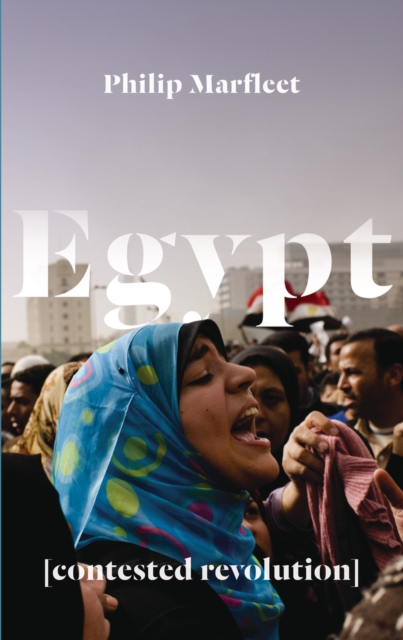
Coming in the wake of intense political and academic debate on the nature and development of the Arab Uprisings, Gramsci on Tahrir zeroes in on the complex dynamic of Egypt's revolution and counter-revolution.
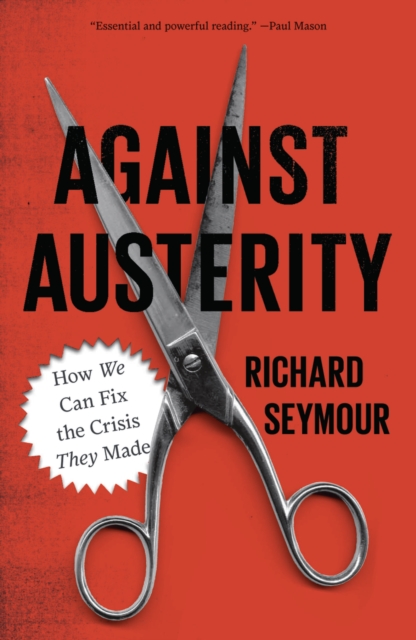
Five years into capitalism's deepest crisis, which has led to cuts and economic pain across the world, Against Austerity addresses a puzzling aspect of the current conjuncture: why are the rich still getting away with it?