This book uses Securitisation Theory to explore how Muslims have been constructed as a security issue in Africa after the 9/11 attacks in the United States.
This book presents a selection of edited essays written by leading international scholars engaging with practicing intelligence, military, and police officers and responding to their first-hand international security cooperation experiences.
This volume examines the investigation by the 1975 Senate Select Committee ( Church Committee ) into US intelligence abuses during the Cold War, and considers its lessons for the currentwar on terror.
This book addresses contemporary debates on civil disobedience in Islam within the rich Sunni tradition, especially during the height of the non-violent people revolution in various Arab countries, popularly known as the Arab Spring.
This book presents the key issues, debates, concepts, approaches, and questions that together define the lives of rural people living in extreme poverty in the aftermath of political violence in a developing country context.
This book is concerned with the role that communication - understood as including both the factual and fictional mass media as well as the performative and visual arts - can play in post-civil war peacebuilding.
The book argues that in order to better understand the undercurrents of the Niger Delta conflict, it is imperative to analyse the dynamics of choice in terms of the distinct courses of action taken by the Ogoni and Ijaw.
Presenting diverse contributors from legal, academic, and practitioner sectors, this book illustrates how the distinctions between international and domestic law are falling away in the context of security, particularly in the responses to terrorism, and explores the implications of these dramatic shifts in the normative order.
This edited collection develops a gendered lens for genocide prevention by uncovering socially constructed gender roles which are crucial for the onset, form and prevention of genocide and mass atrocities.
In light of asymmetrical security threats in western democracies as well as in conflict regions, this timely book examines the actors, strategies and tactics of Islamist terrorism and transnational organized crime around the globe.
By examining Libya's security architecture before and after the North Atlantic Treaty Organization (NATO) intervention in 2011, this book aims to answer three questions.
This innovative volume gathers some of the world's best scholars to analyse the world's collective international efforts to address globalised threats through global security governance.
As one of al-Qaeda's most respected bomb-makers, Aimen Dean rubbed shoulders with the mastermind of the 9/11 attacks and swore allegiance to Osama bin Laden.
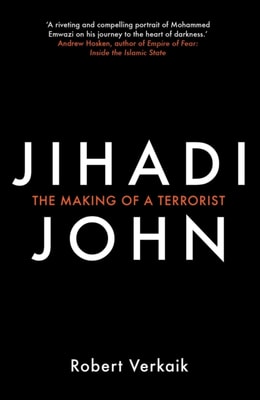
Tourists killed in Tunisia, Jihadi John targeted by drone strikes, carnage in Paris and hundreds of thousands of Syrians risking everything to reach Europe in an attempt to escape the violence.
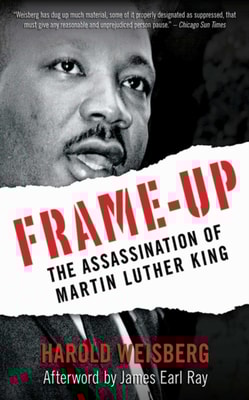
Back in print with its original title, Harold Weisbergs detailed and devastating analysis of the Martin Luther King assassination is as timely as ever.
LBJ aims to prove that Vice President Johnson played an active role in the assassination of President Kennedy and that he began planning his takeover of the U.
This book is an attempt to approach the issue of defining international terrorism, proposing that the most workable way to do so is to achieve due balance between the two principal driving forces of international law developments: State sovereignty interests and cosmopolitan ideals.
This book explores how different publics make sense of and evaluate anti-terrorism powers within the UK, and the implications of this for citizenship and security.
Book ';NORTH EASTERN INSURGENCY Problem of Assessment' covers topic North-East India; The Northeastern Insurgency; The Major Insurgent Groups; Perspective of Peace and Security; North-East: Civilization, Beliefs and Faith; North-East India: Development Dynamics; Role of Government and Voluntary Sector; Indian Globalization and Tribes of North-East India
This book offers a unique account of British and United States government's attempts to adapt their propaganda strategies to global terrorist threats in a post-9/11 media environment.
This book examines the militant Irish republican movement in the United States from the final months of the Irish Civil War through to the Second World War.
An illuminating introduction to how the Lander (the sixteen states of Germany) function not only within the country itself but also within the wider context of European political affairs.