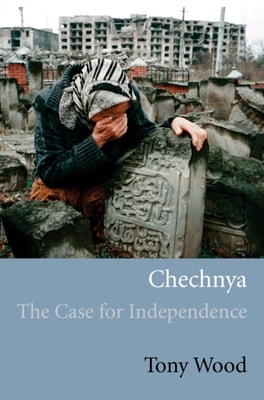
The Case for Chechnya sharply criticizes the role of Western nations in their struggle, and lays bare the weakness-and shamefulness-of the arguments used to deny the Chechens' right to sovereignty.
Bloody, violent, and sometimes spectacularly stage-managed, assassinations have become shocking landmarks in modern history, distinguished by their careful planning and cold-hearted detachment.
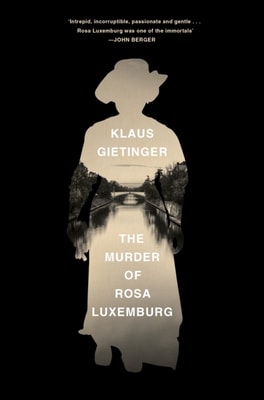
The cold-blooded murder of revolutionary icons Rosa Luxemburg and Karl Liebknecht in the pitched political battles of post-WWI Germany marks one of the greatest tragedies of the 20th century.
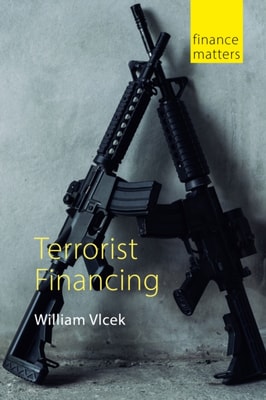
This clear and rigorous examination of the international efforts to combat the financing of terrorism is suitable for a range of courses in international relations, politics and global political economy.
This clear and rigorous examination of the international efforts to combat the financing of terrorism is suitable for a range of courses in international relations, politics and global political economy.
The Community, Environment and Disaster Risk Management series deals with a wide range of issues relating to global environmental hazards, natural and man-made disasters, and approaches to disaster risk reduction.
The Community, Environment and Disaster Risk Management series deals with a wide range of issues relating to global environmental hazards, natural and man-made disasters, and approaches to disaster risk reduction.
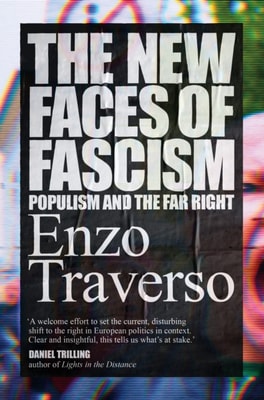
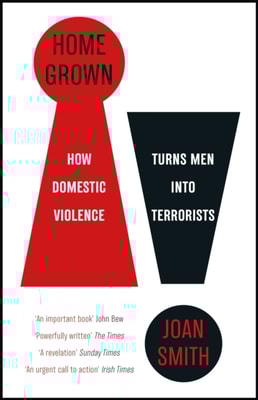
What do the attacks in London Bridge, Manchester and Westminster have in common with those at the Charlie Hebdo offices, the Finsbury Park Mosque attack and multiple US shootings?
Keenie Meenie Services - the most powerful mercenary company you've never heard of - was involved in war crimes around the world from Sri Lanka to Nicaragua for which its shadowy directors have never been held accountable.
Keenie Meenie Services - the most powerful mercenary company you've never heard of - was involved in war crimes around the world from Sri Lanka to Nicaragua for which its shadowy directors have never been held accountable.
'One the foremost writers and participants in the Kurdish women's movement' - Harsha WaliaThe Kurdish women's movement is at the heart of one of the most exciting revolutionary experiments in the world today: Rojava.
'One the foremost writers and participants in the Kurdish women's movement' - Harsha WaliaThe Kurdish women's movement is at the heart of one of the most exciting revolutionary experiments in the world today: Rojava.
Collusion by British state forces in killings perpetrated by loyalist paramilitaries was a dubious hallmark of the 'dirty war' in the north of Ireland.
Collusion by British state forces in killings perpetrated by loyalist paramilitaries was a dubious hallmark of the 'dirty war' in the north of Ireland.
This study analyses Kurdish Hizbullah as a social movement, charting Hizbullah's development from its origins in violent militancy to its move towards a more ambiguous 'civic' mode of engagement.
The threat of terrorism and the increasing power of terrorist groups has prompted a rapid growth of the security services and changes in legislation, permitting the collection of communications data.
From nonviolent protests in Cairo and Manama to the ousting of Libya's Gaddafi and the beginning of the Syrian Civil War, the series of uprisings which swept through the Middle East and North Africa from late 2010 have been burdened with the collective hopes and expectations of the world.
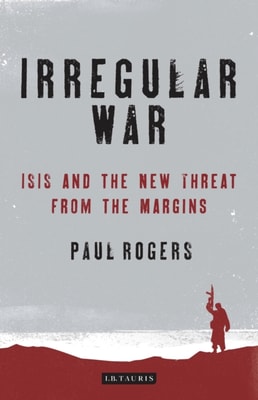
The attacks in Paris in January and November 2015 heralded the beginning of a new wave of terrorism - one rooted in the ongoing conflict in Syria and Iraq.
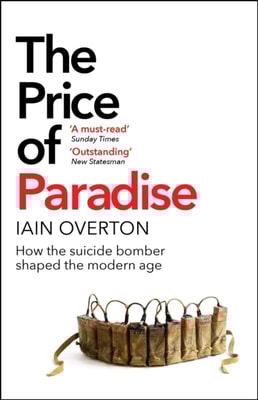
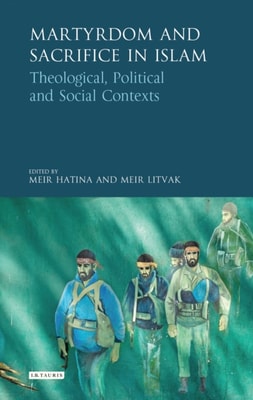
Over the years, the belief system around self sacrifice has become key to understanding the Middle East and its political relationships with the West although much of the literature and conversation has been restricted to modern concepts of jihadism.
This book examines key cases of terrorist violence to show that the invention of terrorism was linked to the birth of modernity in Europe, Russia and the United States, rather than to Tsarist despotism in 19th century Russia or to Islam sects in Medieval Persia.
Written in the white heat of revolutionary Russia's Civil War, Trotsky's Terrorism and Communism is one of the most potent defenses of revolutionary dictatorship.
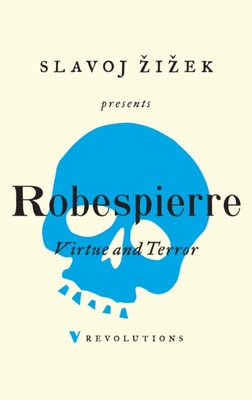
Robespierre's defense of the French Revolution remains one of the most powerful and unnerving justifications for political violence ever written, and has extraordinary resonance in a world obsessed with terrorism and appalled by the language of its proponents.