Tradecraft is a term used within the intelligence community to describe the methods, practices, and techniques used in espionage and clandestine investigations.
Based primarily upon information from the UK Special Branch Counterterrorism Unit, Policing Terrorism: Research Studies into Police Counterterrorism Investigations takes you through the mechanics of a counterterrorism investigation.
Neurotechnology in National Security and Defense: Practical Considerations, Neuroethical Concerns is the second volume in the Advances in Neurotechnology series.
Breaking Al-Qaeda: Psychological and Operational Techniques, Second Edition explores the background and history of al-Qaeda, covers recent developments, and explains how, why, and where the al-Qaeda network is expanding.
When Secretary of State Hillary Clinton published "e;America's Pacific Century"e; in Foreign Policy magazine in November 2011, the administration was clearly indicating to domestic and international audiences that the United States is beginning a pivot toward the Asia-Pacific.
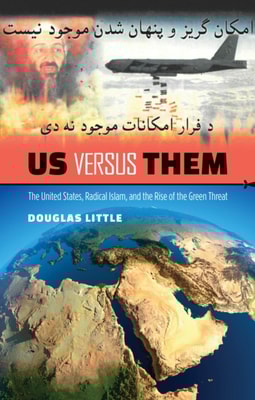
While geography is not the only factor to shape human behavior, its influence on terrorists' motivations, behaviors, options, and activities is a primary consideration in understanding terrorism.
Rockefellerocracy: Kennedy Assassinations, Watergate, and Monopoly of the Philanthropic Foundations is a portal to a universe of political and economic supremacy, revealing links to the crimes of the century.
A riveting exploration of terrorism's relationship to sex, with a new preface by the authorTerrorism is the international crime that has captured the attention of the entire world, forcing governments to make radical changes in security and civil liberties.
Presenting an analysis of modern-day extremism, this book explores how any group of people or participants in a movement--political, ideological, racial, ethnonational, religious, or issue-driven--can adopt extremist mindsets if they believe their existence or interests are threatened.
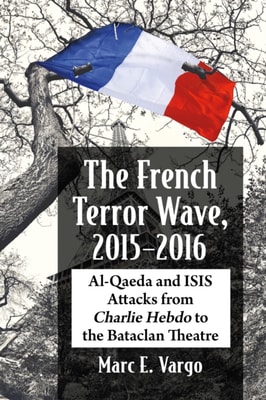
A torrent of Islamist terrorism swept across France in 2015 and 2016, executed by militant jihadists on behalf of al-Qaeda and the Islamic State (ISIS).
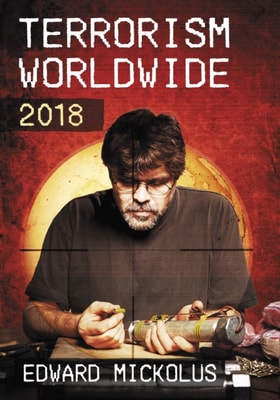
This comprehensive worldwide study catalogs terrorist attacks in 2018, during which the Islamic State continued its decline from a quasi-government commanding territory the size of the United Kingdom to a more traditional terrorist network controlling just 1000 square miles.
This fourth comprehensive study of international terrorist attacks covers 2017, during which the Islamic State suffered continued reversals yet retained its status as the most active, well-financed and well-armed terrorist group worldwide.
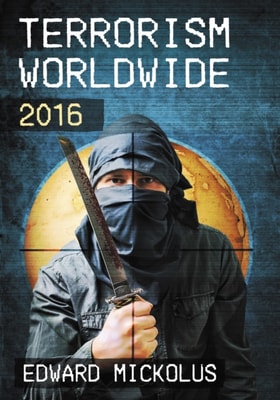
This third comprehensive chronology of international terrorist attacks covers 2016, during which the Islamic State suffered several battlefield reversals yet continued its operations as the most active, well-financed and well-armed terrorist group worldwide.
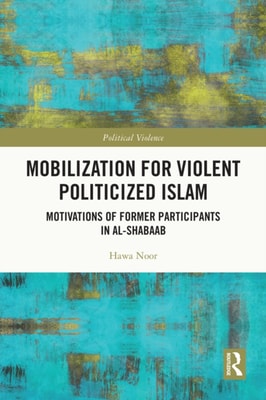
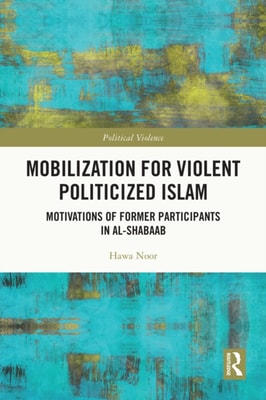
This book focuses on the involvement of some Kenyans in al-Shabaab, an affiliate of Al-Qaeda based in Somalia, despite their country's relative stability compared to Somalia.
In Constituent Power, Violence, and the State, Dimitri Vouros examines the question of political violence by placing the thought of Georges Sorel, Walter Benjamin, and Hannah Arendt in conversation with contemporary theories of sovereignty and constituent power.
THE NEW YORK TIMES BESTSELLERThe gripping true story of the undercover agent risking his life to fight terrorismTheir aim was to kill as many people as possible.
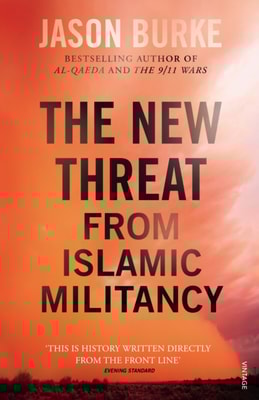
SHORTLISTED FOR THE ORWELL PRIZE 2016In The New Threat renowned expert and prize-winning reporter Jason Burke provides the clearest and most comprehensive guide to Islamic militancy today.
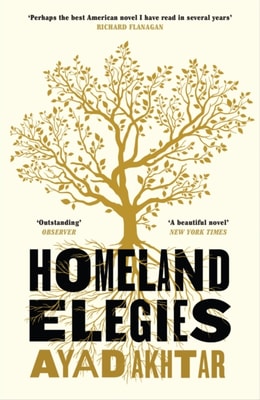
A NEW YORK TIMES, WASHINGTON POST AND ECONOMIST BOOK OF THE YEAR'I read it in a fever, swept up in the kind of rapture you fall into when your most audacious friend kicks off on a hilarious, outrageous, but deeply sincere rant' Torrey Peters, Guardian Books of the Summer'A beautiful novel about an American son and his immigrant father that has echoes of THE GREAT GATSBY' New York TimesA deeply personal novel of identity and belonging in a nation coming apart at the seams, HOMELAND ELEGIES blends fact and fiction to tell an epic story of belonging and dispossession in the world that 9/11 made.
This book focuses on the involvement of some Kenyans in al-Shabaab, an affiliate of Al-Qaeda based in Somalia, despite their country's relative stability compared to Somalia.
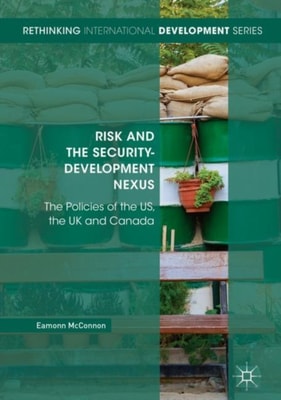
'In this comprehensive and wide-ranging analysis, McConnon demonstrates the extent to which security concerns have come to pervade the development policies of the three major donor countries.
The CIA has been accused of a massive intelligence failure in the run-up to the 9/11 attacks -- the result, it is said, of a moralistic and bureaucratic approach to information-gathering.
Ten years after September 11, 2001, a date that consecrates the day that the United States of America felt victim of the most vicious terrorist attack in its recent history; it becomes increasingly critical to spell out what terrorism is and what it is not.
A collection of works, some previously published as articles in the journal Police Practice and Research, this book provides both conceptual analysis and case studies, exploring historical and sociopolitical contexts of conflicts in order to help readers better understand these themes.
Managing Intelligence: A Guide for Law Enforcement Professionals is designed to assist practitioners and agencies build an efficient system to gather and manage intelligence effectively and lawfully in line with the principles of intelligence-led policing.
The movement of humans across borders is increasing exponentially'some for benign reasons, others nefarious, including terrorism, human trafficking, and people smuggling.