Humanitarians operate on the frontlines of today's armed conflicts, where they regularly negotiate to provide assistance and to protect vulnerable civilians.
Understanding Suicide Terrorism aims to explore the different aspects involved in suicide terrorism for a better understanding of the tactic which has become a global phenomenon and threat today.
Understanding Suicide Terrorism aims to explore the different aspects involved in suicide terrorism for a better understanding of the tactic which has become a global phenomenon and threat today.
The contributors to this book analyse the different approaches and modes of terrorist rehabilitation that have been attempted by Malaysia, and other countries in Southeast Asia.
The contributors to this book analyse the different approaches and modes of terrorist rehabilitation that have been attempted by Malaysia, and other countries in Southeast Asia.
The 21st Century Cold War is a multidisciplinary approach to understanding the pattern of Russian interference in the internal affairs of other nations, suggesting that what in the Cold War was a simple conflict of East vs.
The 21st Century Cold War is a multidisciplinary approach to understanding the pattern of Russian interference in the internal affairs of other nations, suggesting that what in the Cold War was a simple conflict of East vs.
This book provides the first comprehensive sociological study of the contemporary National Socialist movement in Sweden, including how it has developed since the 1990s until the present.
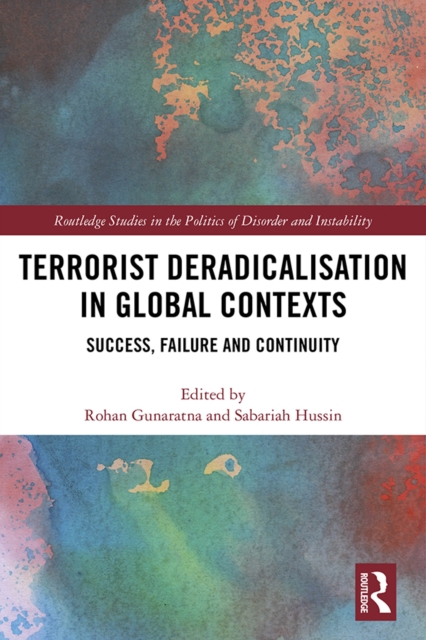
A collection of case studies of terrorist rehabilitation programmes from around the world, this book examines the wide-ranging methodologies of terrorist deradicalisation initiatives adopted by different countries globally.
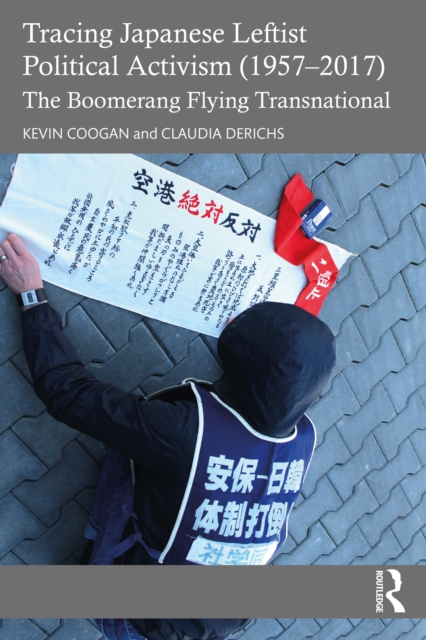
Tracing Japanese Leftist Political Activism (1957-2017) tells the story of the Japanese Red Army (JRA), a militant left-wing group founded in 1971 which was involved in numerous terrorist attacks.
This book provides an ethnography of street-level policing in the United States and offers an analysis with valuable lessons for today's law enforcement officers.
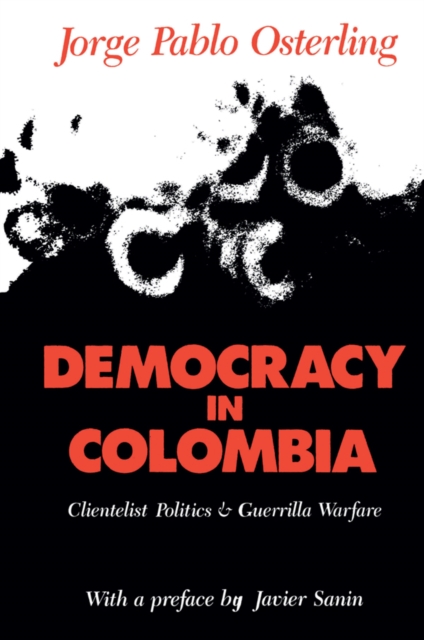
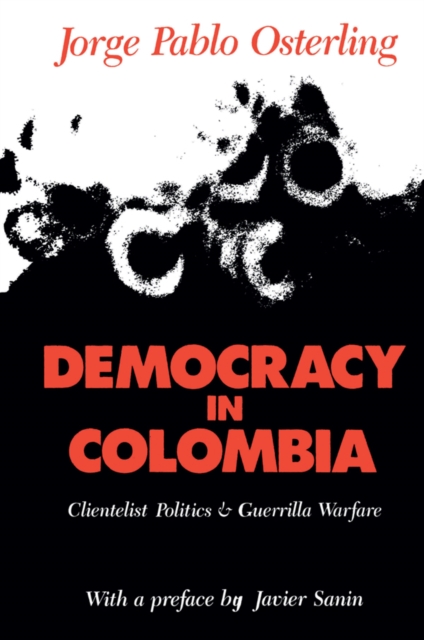
In what is destined to prove the definitive text for the present generation on the political, economic, and social structure of Colombia, Jorge Pablo Osterling explores the enigmatic nature of this special, even critical, anchor to the northern tier of South America.
In what is destined to prove the definitive text for the present generation on the political, economic, and social structure of Colombia, Jorge Pablo Osterling explores the enigmatic nature of this special, even critical, anchor to the northern tier of South America.
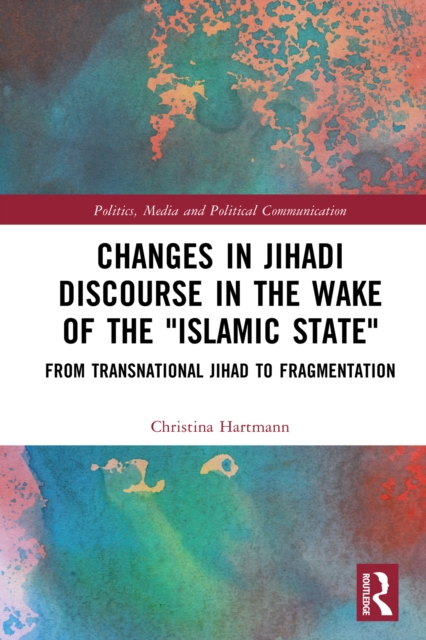
Changes in Jihadi Discourse in the Wake of the "e;Islamic State"e; explores how the transnational jihadi discourse changed with the development of the "e;Islamic State"e; terrorist group and resulted in the fragmentation of the jihadi movement.
Changes in Jihadi Discourse in the Wake of the "e;Islamic State"e; explores how the transnational jihadi discourse changed with the development of the "e;Islamic State"e; terrorist group and resulted in the fragmentation of the jihadi movement.
This book contends that the discourses of jihadism in Russia's North Caucasus, and their offshoots in other parts of the Russian Federation, are not just reflections of jihadi ideologies that came from abroad, rather that post-Soviet jihadism is a phenomenon best understood when placed in the broader cultural environment in which it emerged, an environment which comprises the North Caucasus, the whole of Russia, and beyond.
This book contends that the discourses of jihadism in Russia's North Caucasus, and their offshoots in other parts of the Russian Federation, are not just reflections of jihadi ideologies that came from abroad, rather that post-Soviet jihadism is a phenomenon best understood when placed in the broader cultural environment in which it emerged, an environment which comprises the North Caucasus, the whole of Russia, and beyond.
This book looks at contemporary political violence, in the form of jihadism, through the lens of a philosophical polemic between Hannah Arendt and Frantz Fanon: intellectual representatives of the global north and global south.
This book analyses the marketing techniques that terrorist organisations employ to encourage people to adopt their ideology and become devoted supporters.
This book analyses the marketing techniques that terrorist organisations employ to encourage people to adopt their ideology and become devoted supporters.
This book looks at contemporary political violence, in the form of jihadism, through the lens of a philosophical polemic between Hannah Arendt and Frantz Fanon: intellectual representatives of the global north and global south.
Terrorism in the Twenty-First Century helps readers understand terrorism, responses to it, and current trends that affect the future of this phenomenon.
Terrorism in the Twenty-First Century helps readers understand terrorism, responses to it, and current trends that affect the future of this phenomenon.
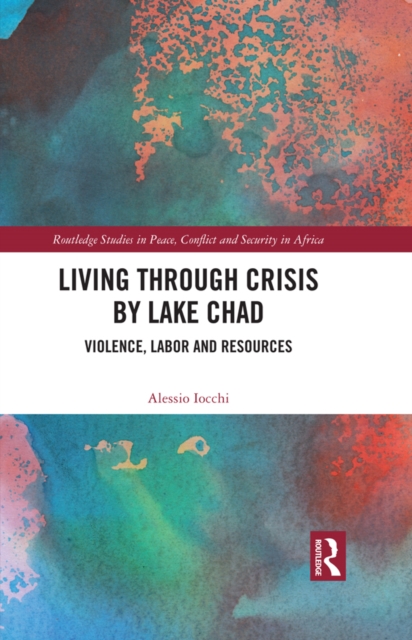
This book investigates the ways in which people in the Lake Chad region that divides Nigeria, Niger, Chad, and Cameroon deal with the crises of violence, jihadism, drought, and climate change that continue to afflict the area.
This book investigates the ways in which people in the Lake Chad region that divides Nigeria, Niger, Chad, and Cameroon deal with the crises of violence, jihadism, drought, and climate change that continue to afflict the area.
Think Like a Terrorist to Combat Terrorism and Radicalization in Prison provides guidelines for hardening facilities, training staff, preparing for radicalized-terrorist inmates' incarceration, and monitoring these inmates after their release.
Think Like a Terrorist to Combat Terrorism and Radicalization in Prison provides guidelines for hardening facilities, training staff, preparing for radicalized-terrorist inmates' incarceration, and monitoring these inmates after their release.