This lucid and original work argues for a new style of political leadership, one which pays deliberate and sophisticated attention to the emotional dynamics of the public.
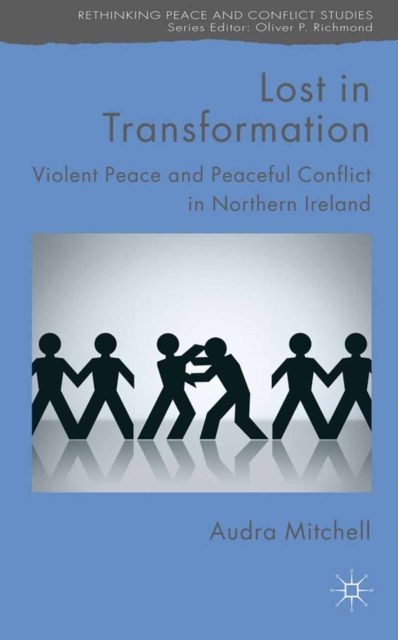
The book examines how the Belfast Agreement came about and its effect on unionism, nationalism, the paramilitaries, electoral support for local parties and the constitutional position of Northern Ireland.
Discussing the UK experience in the 'war on terror', this book critically analyses the discourse of 'war' and ideas of the politics of panic, as well as forensically analyzing the effectiveness of counter-terrorist policies such as intelligence gathering and processing, counter-terrorist finance and public order.
This book examines the practice of urban resilience past and present, drawing on deeper global historical sources and detailed case-studies of contemporary Britain.
Europe Confronts Terrorism examines the institutional, political, security and reforms that have taken place in Europe since the catastrophic terrorist attacks in the United States in 2001.
The spectre of revolution and the nature of radicalism in Britain from the late eighteenth century through to the age of the Chartists has for some time engaged the interest of scholars and been the topic of much debate.
The West's Road to 9/11 offers a detailed explanation of the handling of the challenge of terrorism by the USA, the UK and the West over the last thirty years.
This book focuses on a key period in Latin American history, the transition from colonial status, via the revolutions for independence, to national organization.
The authors show that with violent conflict in the developing world as the critical issue for the twenty-first century, and conflict prevention a central security problem for the developed and developing world, self-determination movements can only be understood, and conflict prevented, in the context of global economic and cultural forces
Hampson describes how the French Revolution, which seemed to promise an era of Franco-British partnership, led to an even more bitter estrangement between the two nations.
This book consists of a series of interrelated chapters analyzing why Iran, among all countries, has seen so many revolutionary movements in the past century; the degree to which its religion, Shi'ism, is revolutionary; and the history of revolutionary and resistance movements in the modern Muslim world.
The present book is about instability and conflict in the Middle East at a time when many still believe that peace between the Arabs and Israel will bring an end to all problems in the region.
The abduction of Western citizens by Hizb'Allah was motivated either by internal organisational requirements or in alignment with Syrian and Iranian interests, and mechanisms for the resolution of the hostage-crisis were subject to continuous interaction between Hizb'Allah, Iran, and Syria influenced by internal Lebanese, regional, and international events.
The Iranian Connection is the network of embassies and diplomatic staffs spread throughout the world that support Islamic Fundamentalist terrorism, controlled by 'Dept 15', in Tehran, the Iranian government denying all implication.
A comprehensive analysis of the role that prison policy can play in the reduction of terrorism, this book examines the experience of three western Europe jurisdictions: Northern Ireland, Italy and the Spanish Basque Country.
Saudi Arabia influences American policy through both conventional and unconventional methods, all due to the petro-dollars that have been generated from America's addiction to foreign oil.
With a communicative approach to the phenomenon of terrorism and new archival sources, the book documents Meinhof's journalism and terrorism (1959-1976) and challenges many of the established narratives that have calcified around the story of Meinhof and the history of Germany's most infamous terrorist group.
Understanding Collective Political Violence offers a unique view on contemporary processes of violent political mobilization across continents: Africa, Latin America, South East Asia and the Middle East.
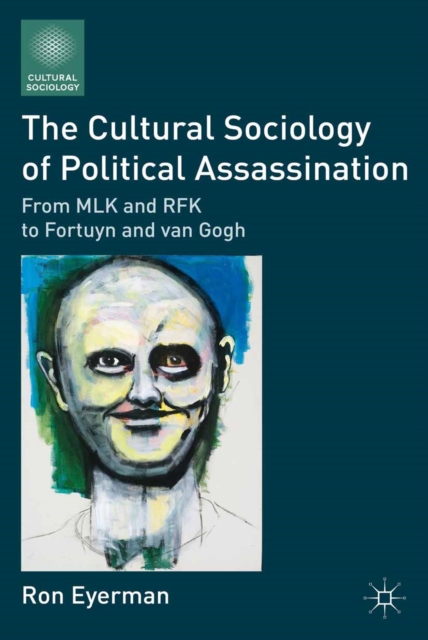
Developing the theory of cultural trauma in regard to the shattering potential effects of political assassinations, Eyerman examines political and social life in three different national contexts: Martin Luther King, Bobby Kennedy, and Harvey Milk in the U.
Neither a case study of a particular genocide nor a work of comparative genocide, this book explores the political constraints and imperatives that motivate debates about genocide in the academic world and, to a lesser extent, in the political arena.
Providing a description of the responses taken by the federal government to issues revolving around criminal justice, each chapter focuses on a different problem and shows what different presidents have said, what policies were proposed and/or passed by Congress, and any cases heard by the Supreme Court on the issue.
Assembling a high profile group of scholars and practitioners, this book investigates the interplay of forecasting; warnings about, and responses to, known and unknown transnational risks.
Baker provides a unique insider perspective on factors affecting British Muslim converts and their susceptibility to violent radicalisation, including firsthand accounts of convicted terrorists Richard Reid (the 'Shoe Bomber'), Zacarius Moussaoui (the 20th 9/11 bomber), and Abdullah el-Faisal who is alleged to have been a radicalising influence.
The study analyses Soviet policy towards Nicaragua during the rule of the Sandinista National Liberation Front (FSLN) and towards the guerrillas fighting for political and social change in El Salvador and Guatemala.
In a new book about Northern Ireland historian Peter Rose argues that if Harold Wilson's government in the late sixties had pursued a different policy the province might have been spared The Troubles.
This volume investigates the role of the transnational terrorist and criminal organizations in the peace-building processes, with a particular focus on the Western Balkan region.