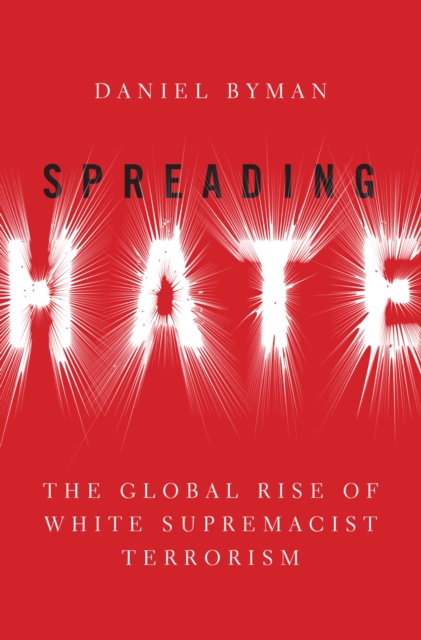
Spreading Hate examines the evolution of the white power movement around the world, explaining its appeal and the threat it poses as well as many failures.
The Fall of Che Guevara tells the story of Guevara's last campaign, in the backwoods of Bolivia, where he hoped to ignite a revolution that would spread throughout South America.
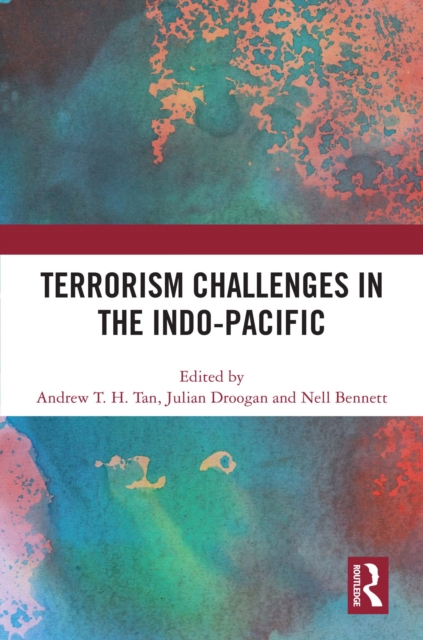
This edited volume focuses on contemporary terrorism challenges that remain serious in the Indo-Pacific region long after the seminal terrorist attacks on 11 September 2001.
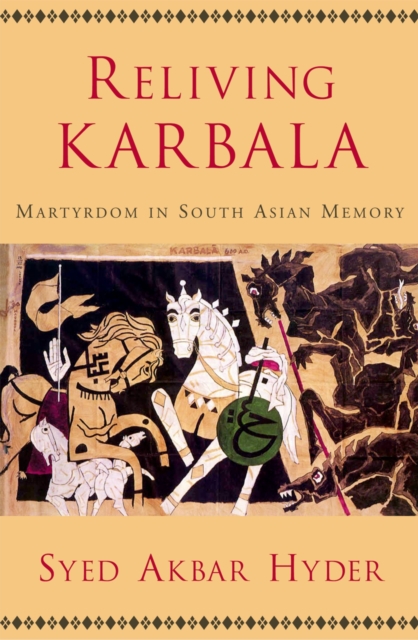
The Kashmiri society experienced most difficult challenge in modern history due to two-decade long armed conflict between Kashmiri militants and Indian security forces.
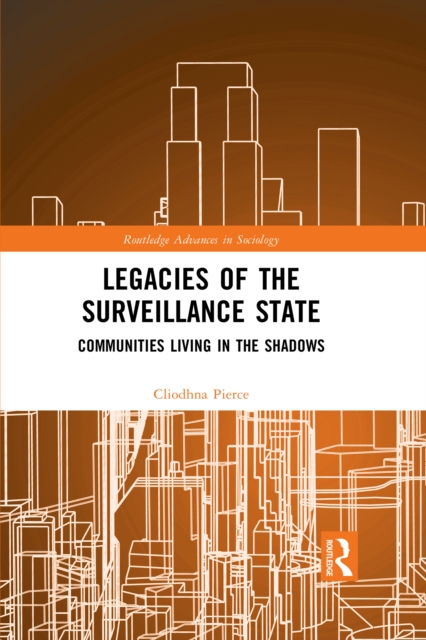
In the wake of 2001, terrorism laws and their policing have been charged with eroding civil liberties and discriminating against Muslim and ethnic minority peoples.
In the wake of 2001, terrorism laws and their policing have been charged with eroding civil liberties and discriminating against Muslim and ethnic minority peoples.
Since the end of the Cold War fundamentalism has been seen as the major threat to world peace and prosperity, a concern that was exacerbated by the events of 9/11, and the 'War against Terrorism'.
Jeremy Waldron has been a challenging and influential voice in the moral, political and legal debates surrounding the response to terrorism since 9/11.
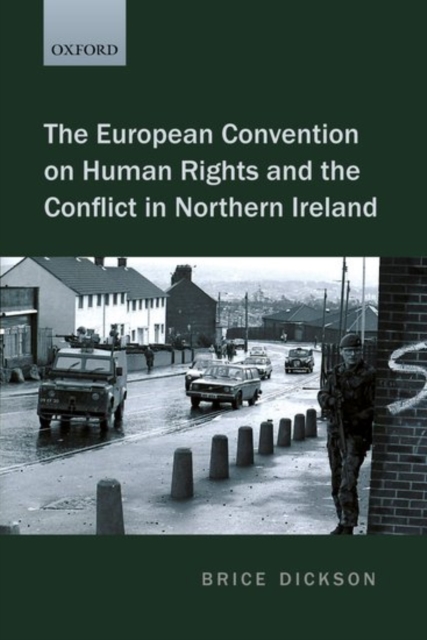
This book provides the first comprehensive account of the role played by the European Convention on Human Rights during the conflict in Northern Ireland from 1968.
Holy Terror is a profound and timely investigation of the idea of terror, drawing upon political, philosophical, literary, and theological sources to trace a genealogy from the ancient world to the modern day.
This book is a guide to international human rights law as it applies to situations of armed conflict, to counter-terrorism measures and to any other situation of actual or potential violence requiring security measures.
This book is a guide to international human rights law as it applies to situations of armed conflict, to counter-terrorism measures and to any other situation of actual or potential violence requiring security measures.
Jeremy Waldron has been a challenging and influential voice in the moral, political and legal debates surrounding the response to terrorism since 9/11.
Malise Ruthven tackles the polemic and stereotypes surrounding this complex phenomenon - one that eludes sim today, a conclusion impossible to ignore since the events in New York on September 11 2001.
This book addresses a dilemma at the heart of counter-terrorist policy: is it ever justifiable to torture terrorists in order to save the lives of others, the so-called 'ticking bomb' scenario?
In recent years, the English School or international society approach to International Relations has risen to prominence because its theories and concepts seem able to help us explain some of the most complex and seemingly paradoxical features of contemporary world politics.
Between 1916 and 1923, Ireland experienced rebellion and mass mobilization, guerrilla and civil war, partition and ethnic conflict, and the transfer of power from British to Irish governments.
Malise Ruthven tackles the polemic and stereotypes surrounding this complex phenomenon - one that eludes sim today, a conclusion impossible to ignore since the events in New York on September 11 2001.
Since the end of the Cold War fundamentalism has been seen as the major threat to world peace and prosperity, a concern that was exacerbated by the events of 9/11, and the 'War against Terrorism'.
Long recognised as a site where criminal elements have flourished, the waterfront has been exploited for centuries by opportunistic individuals for a whole raft of illicit purposes.
Long recognised as a site where criminal elements have flourished, the waterfront has been exploited for centuries by opportunistic individuals for a whole raft of illicit purposes.
This book provides a full analytical overview of the establishment and functioning of the Special Tribunal for Lebanon, the newest and most controversial of the UN-sponsored international criminal courts.
This book provides a full analytical overview of the establishment and functioning of the Special Tribunal for Lebanon, the newest and most controversial of the UN-sponsored international criminal courts.
Conceptualizing Terrorism argues that, in the post 9/11 world, the need for an internationally agreed definition of terrorism is more important than it has ever been, despite the challenges that such an endeavour presents.