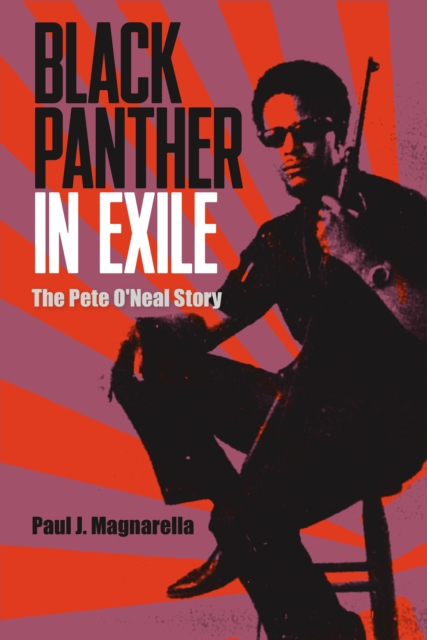
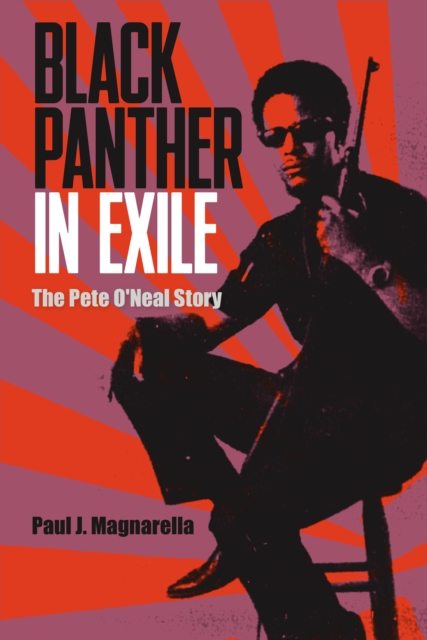
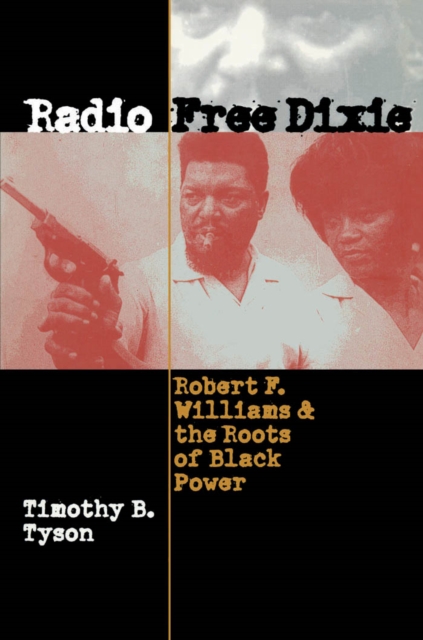
The story of an influential Black Panther member who has lived in exile in Africa for 55 yearsFlorida Book Awards, Silver Medal for General NonfictionIn the tumultuous year after Martin Luther King Jr.
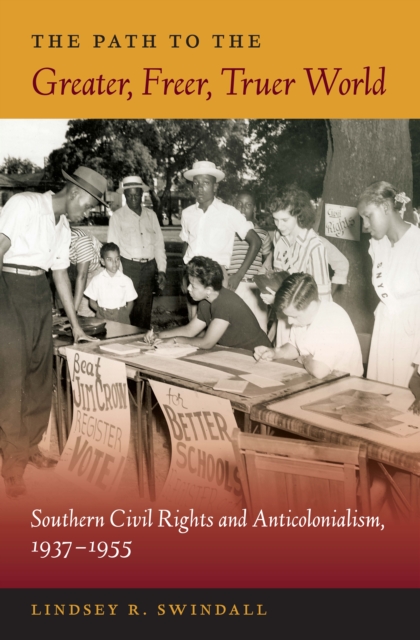
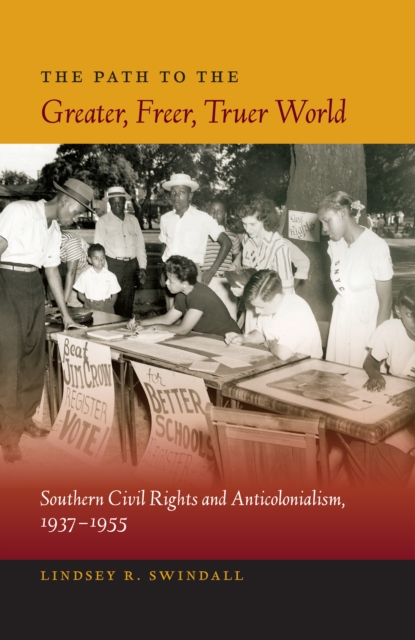
The Southern Negro Youth Congress and the Council on African Affairs were two organizations created as part of the early civil rights efforts to address race and labor issues during the Great Depression.
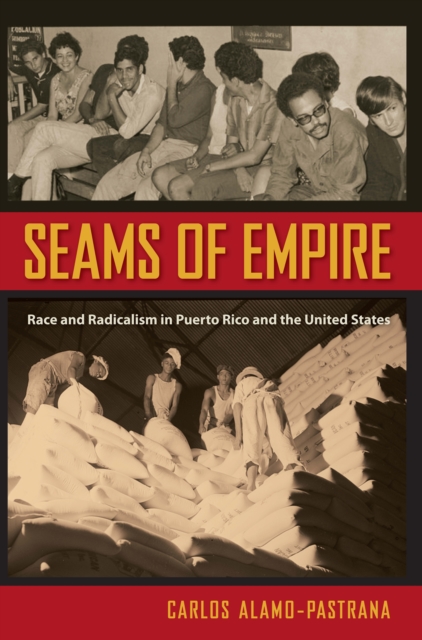
';A truly excellent contribution that unearths new and largely unknown evidence about relationships between Puerto Ricans and African-Americans and white Americans in the continental United States and Puerto Rico.
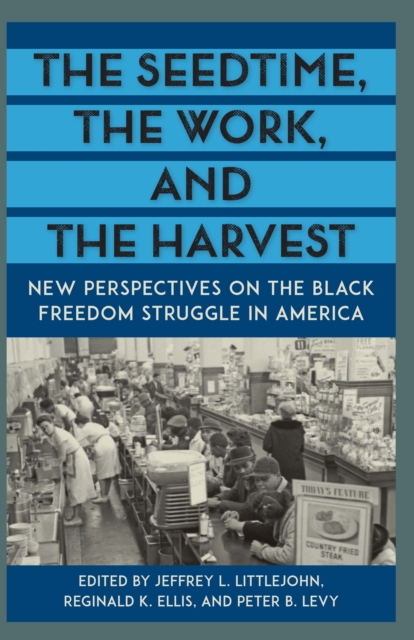
This volume's contributors expand the chronology and geography of the black freedom struggle beyond the traditional emphasis on the Jim Crow South and the years between 1954 and 1968.
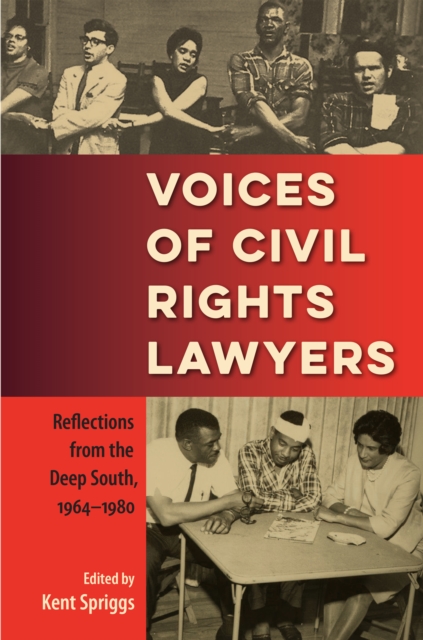
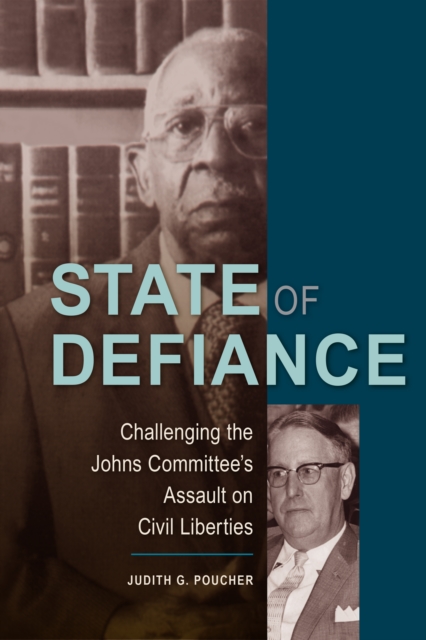
Choice Outstanding Academic TitleWhile bus boycotts, sit-ins, and other acts of civil disobedience were the engine of the civil rights movement, the law provided context for these events.
The story of an influential Black Panther member who has lived in exile in Africa for 55 yearsFlorida Book Awards, Silver Medal for General NonfictionIn the tumultuous year after Martin Luther King Jr.
By examining the development of the Southern Negro Youth Congress and the Council on African Affairs-two early civil rights organizations that have been overlooked and marginalized by the historiography of the period-Lindsey Swindall reveals how the discourse on civil rights in the southern United States also employed an internationalist, anticolonial agenda during the mid-twentieth century.
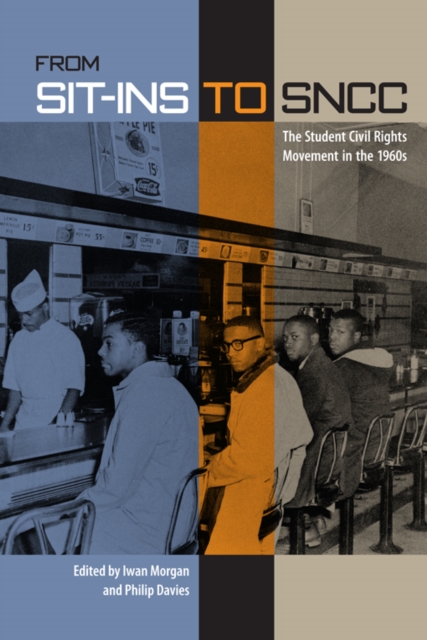
In the wake of the fiftieth anniversary of the historic sit-in at Woolworth's lunch counter by four North Carolina A&T college students, From Sit-Ins to SNCC brings together the work of leading civil rights scholars to offer a new and groundbreaking perspective on student-oriented activism in the 1960s.
Black Power studies have been dominated by the North American story, but after decades of scholarly neglect, the growth of "e;New Black Power Studies"e; has revitalized the field.
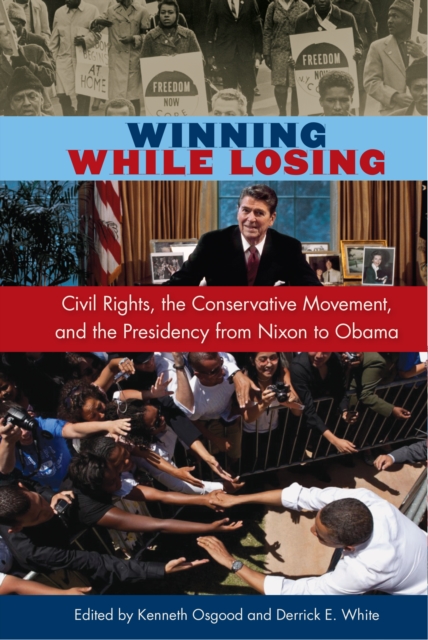
During the four decades separating the death of Martin Luther King and the election of Barack Obama, the meaning of civil rights became increasingly complex.
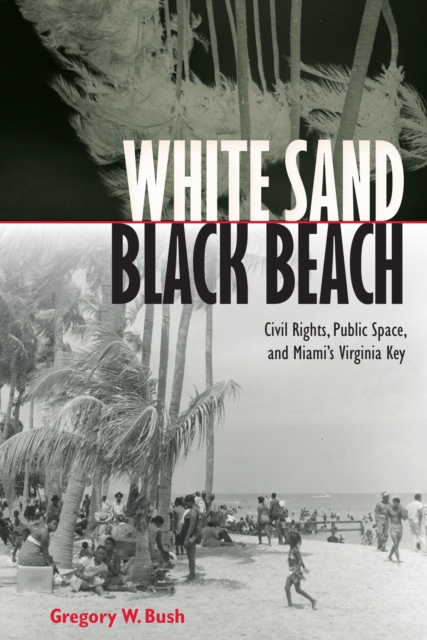
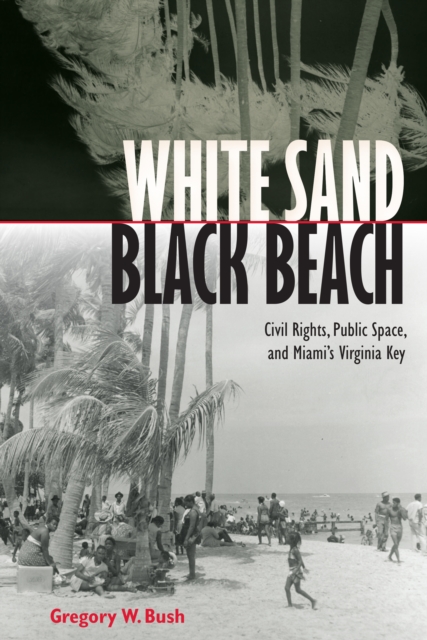
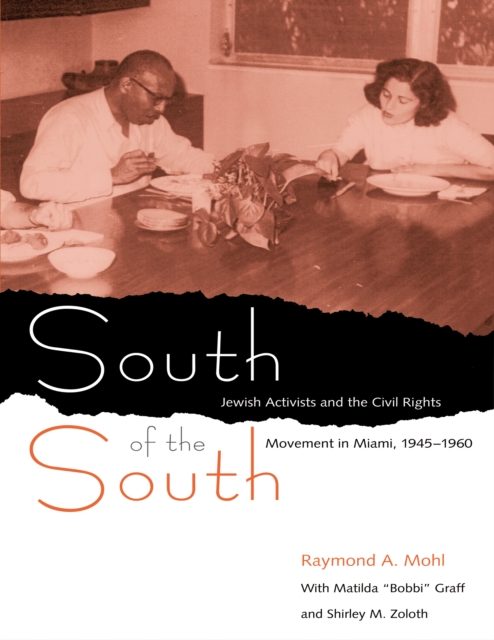
A must-read for anyone interested in the history of civil rights, the roles and varied motivations of southern Jews in the movement, the interaction of blacks and Jews, the role of hate-groups and the anti-communist hysteria in silencing or harassing the forces of positive change, and the specific place of Miami, Miami Beach, and Florida in the struggle.
Fortified by the theories of Henri Lefebvre, David Harvey, and Jurgen Habermas, this is the first book to focus on the tumultuous emergence of the African American working class in Jacksonville between Reconstruction and the 1920s.
The author of A Stone of Hope, called “one of the three or four most important books on the civil rights movement” by The Atlantic Monthly, turns his attention to the years after Martin Luther King’s assassination—and provides a sweeping history of the struggle to keep the civil rights movement alive and to realize King’s vision of an equal society.
In this sweeping international perspective on reparations, Time for Reparations makes the case that past state injusticebe it slavery or colonization, forced sterilization or widespread atrocitieshas enduring consequences that generate ongoing harm, which needs to be addressed as a matter of justice and equity.
The Changing Terrain of Religious Freedom offers theoretical, historical, and legal perspectives on religious freedom, while examining its meaning as an experience, value, and right.
There is a mytheasily shatteredthat Western societies since the Enlightenment have been dedicated to the ideal of protecting the differences between individuals and groups, and anothertoo readily acceptedthat before the rise of secularism in the modern period, intolerance and persecution held sway throughout Europe.
Representation of the poor has never been the top priority for civil rights organizations, which exist to eradicate racially prejudiced and discriminatory practices and policy.
';Just as the Black Lives Matter movement and recent protests have shown the leadership of women of color in organizing against the prison state, this book will show the leadership of women, which is too often ignored, in the innocence movement.
We live in a time when the most appalling social injustices and unjust human sufferings no longer seem to generate the moral indignation and the political will needed both to combat them effectively and to create a more just and fair society.
In this follow-up to The Kingdom and the Glory and The Highest Poverty, Agamben investigates the roots of our moral concept of duty in the theory and practice of Christian liturgy.
After a clerical sanction prohibited them from fishing for a week, a group of Catholic fishers from a village on India's southwestern coast took their church to court.
Patriotism and Public Spirit is an innovative study of the formative influences shaping the early writings of the Irish-English statesman Edmund Burke and an early case-study of the relationship between the business of bookselling and the politics of criticism and persuasion.
Many human rights advocates agree that conventional advocacy tools- reporting abuses to international tribunals or shaming the perpetrators of human rights violations-have proven ineffective.
American Evangelicals have long considered Africa a welcoming place for joining faith with social action, but their work overseas is often ambivalently received.
For refugees and immigrants in the United States, expressions of citizenship and belonging emerge not only during the naturalization process but also during more informal, everyday activities in the community.
An "e;engaging and provocative"e; exploration of American history's heroic figures-from how we define a hero to the monuments we build to honor them (Arthur Schlesinger Jr.
With the new edition of my book "e;Between Utopia and Tyranny: The Fascination and Horror of Communism"e; I offer you an in-depth analysis of the phenomenon of "e;communism"e;, introducing you to the history and ideologies behind one of the most influential political movements of the 20th century.
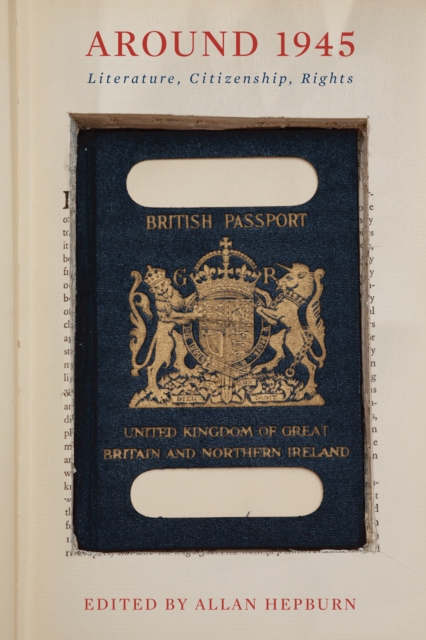
Near the end of the Second World War, new ideas about citizenship, national identity, belonging, and rights emerged as the atrocities of the war - coupled with the dropping of atomic bombs on Hiroshima and Nagasaki - spurred writers and citizens around the world to think about their responsibilities to their fellow man.