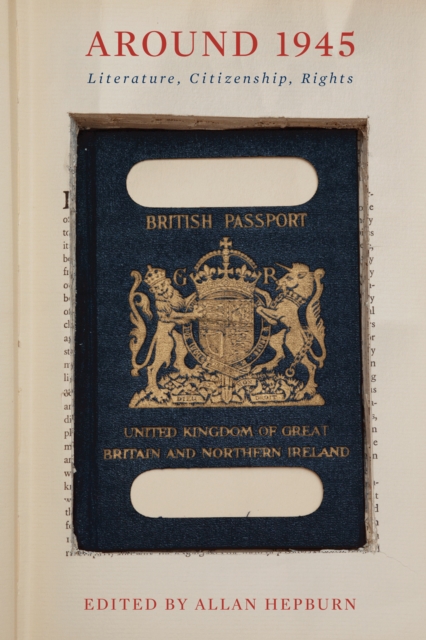
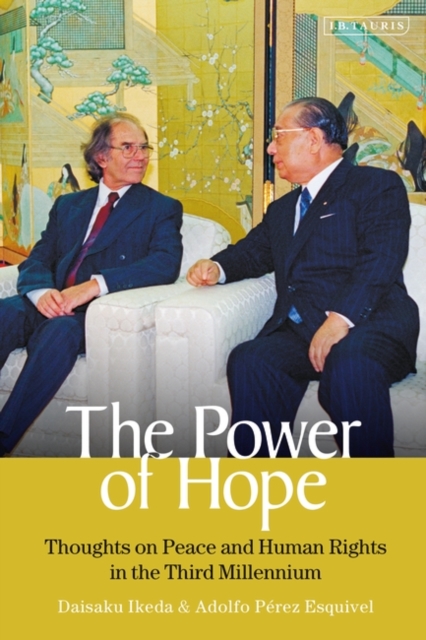
Near the end of the Second World War, new ideas about citizenship, national identity, belonging, and rights emerged as the atrocities of the war - coupled with the dropping of atomic bombs on Hiroshima and Nagasaki - spurred writers and citizens around the world to think about their responsibilities to their fellow man.
The Canada Pension Plan disability benefit is a monthly payment available to disabled citizens who have contributed to the CPP and are unable to work regularly at any job.
In Between the Queen and the Cabby, John Cole provides the first full translation of de Gouges's Rights of Woman and the first systematic commentary on its declaration, its attempt to envision a non-marital partnership agreement, and its support for persons of colour.
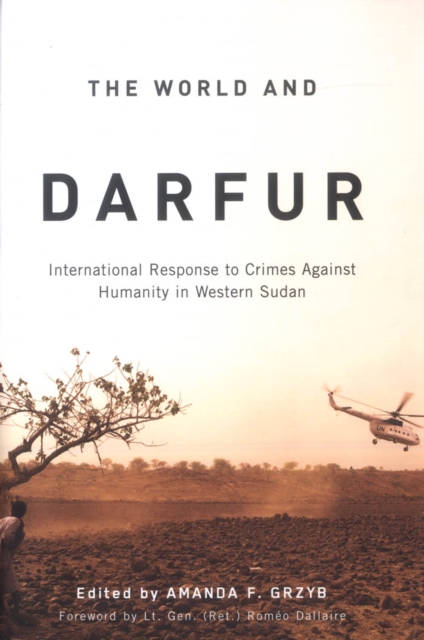
This updated edition of The World and Darfur brings together genocide scholars from a range of disciplines - social history, art history, military history, African studies, media studies, literature, political science, and sociology - to provide a cohesive and nuanced understanding of the international response to the crisis in Western Sudan.
This updated edition of The World and Darfur brings together genocide scholars from a range of disciplines - social history, art history, military history, African studies, media studies, literature, political science, and sociology - to provide a cohesive and nuanced understanding of the international response to the crisis in Western Sudan.
Charles Blattberg shows that while a just politics based on dialogue is at the core of Canadians' sense of ourselves as citizens, our current forms of dialogue are inadequate.
Written by diplomatic practitioners, Human Security and the New Diplomacy is a straightforward account of challenges already overcome and the prospect for further progress.
In The Marshall Decision and Native Rights Ken Coates explains the cross-cultural, legal, and political implications of the recent Supreme Court decision on the Donald Marshall case.
In Citizenship, Diversity, and Pluralism leading scholars assess the transformation of these two dimensions of citizenship in increasingly diverse and plural modern societies, both in Canada and internationally.
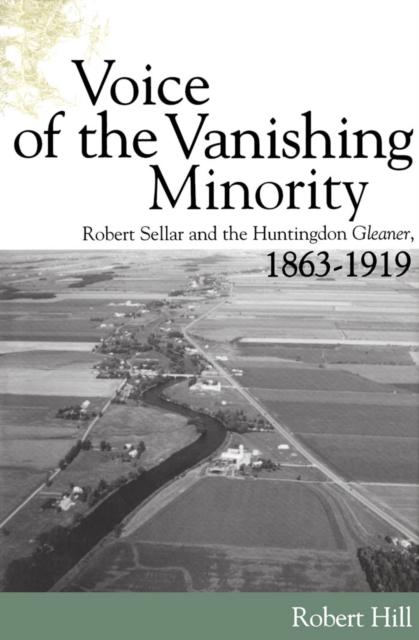
In his newspaper and his book, The Tragedy of Quebec, Sellar lamented the exodus of Quebec's English-speaking farmers from the Eastern Townships, attributing it to the frenchification of the region.
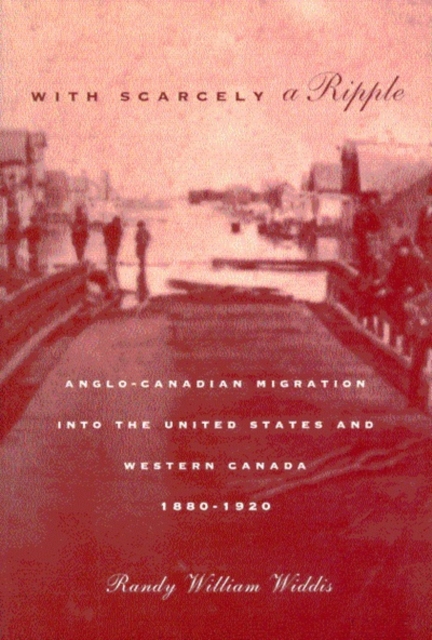
Using a prosopographical approach that combines descriptive exposition, quantitative tabulation, and structural analysis, Randy Widdis determines the geographical and social origins of migrants, the distance and direction of migration corridors, and geographical destinations in both the United States and Canada.
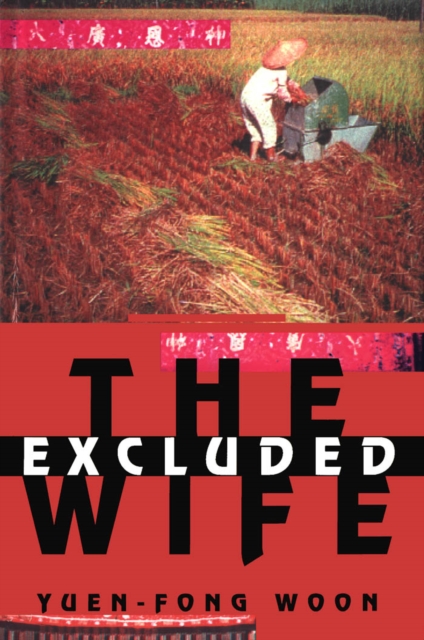
A village woman from South China, Sau-Ping marries an Overseas Chinese from Canada in the late 1920s but the Exclusion Act prohibits her from joining him in Canada.
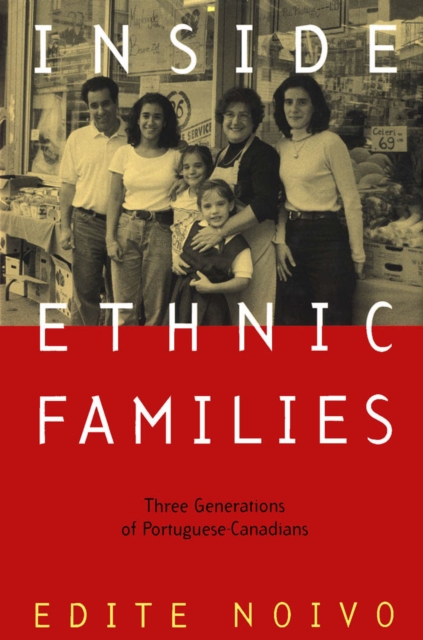
Noivo examines how the intersection of migration and family projects affect kin ties, analyses the multiple burdens generated by migration, class, gender, generation, and minority status, and discusses the interplay between family and economic life.
Identifying himself as both an Indian and a Canadian but first and foremost a Sikh, Tara Singh has shuttled back and forth between Canada and India for most of his life, finding personal harmony while incorporating two very different countries and cultures into his life.
After describing the context that prompted the changes enacted in the 1976 Immigration Act, Dirks turns to contemporary immigration: he examines such controversial and complex issues as establishing annual arrivals targets, setting and managing refugee policy, and developing regulatory procedures for handling applicants.
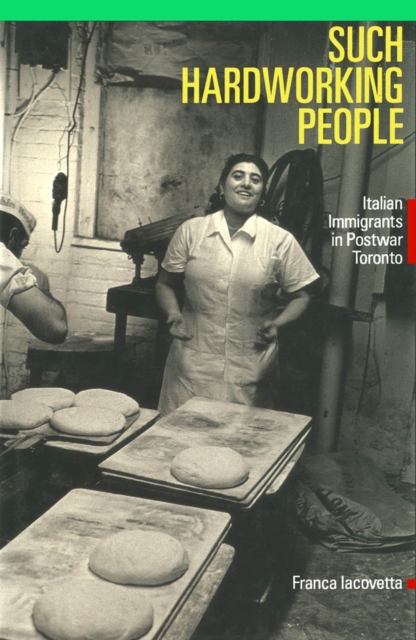
Iacovetta examines the changes many had to face during the transition from peasant worker in an under-developed, rural economy to wage-earner in an urban, industrial society.
With the new introduction, Freda Hawkins brings Critical Years in Immigration up to date by discussing the directions taken by the Canadian and Australian governments since 1984.
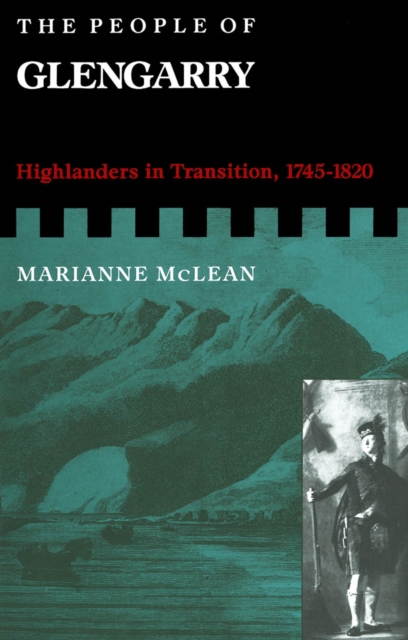
Using a wide array of published and unpublished sources, McLean examines in detail nine group emigrations that left western Inverness between 1785 and 1802 for Glengarry County in Upper Canada (now Ontario).
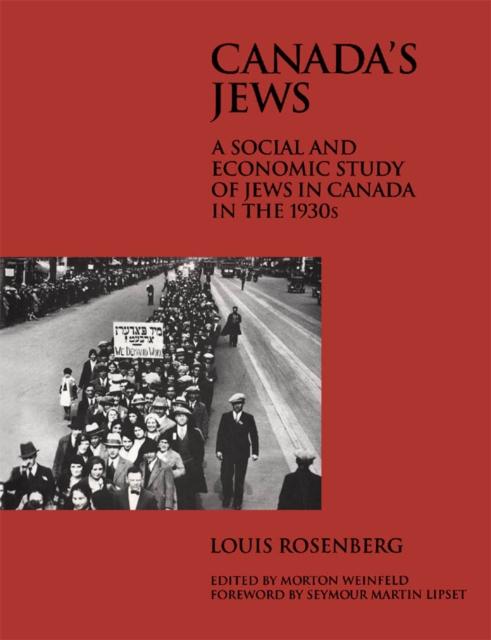
Rosenberg drew his information from the Canadian census of 1931 and previous census records, statistical material from other studies collected by the Dominion Bureau of Statistics, and international data sources.
State Service in Sixteenth Century Novgorod is about the first century of the legal development of the pomestie established by Ivan III after the conquest of Novgorod.
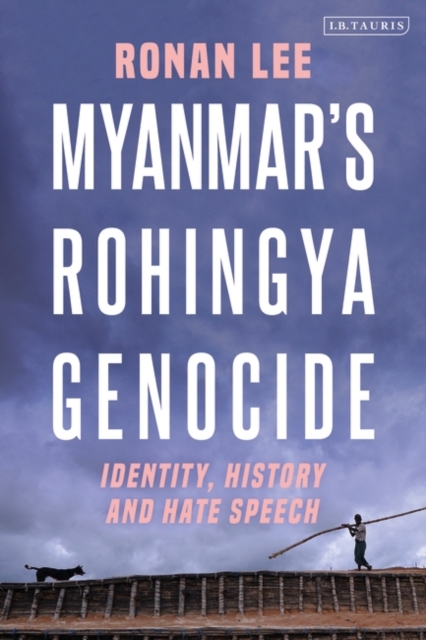
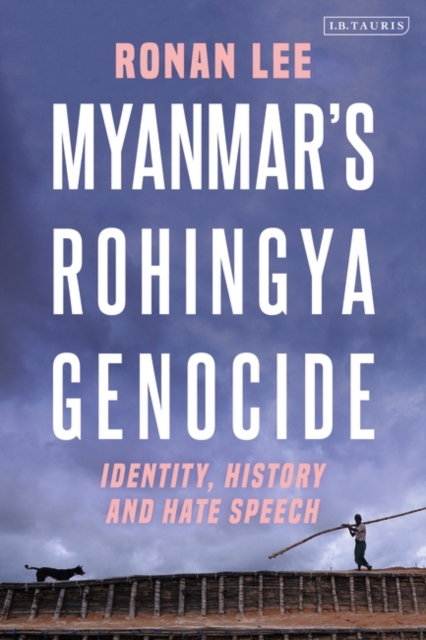
The genocide in Myanmar has drawn global attention as Nobel Peace Prize laureate Aung San Suu Kyi appears to be presiding over human rights violations, forced migrations and extra-judicial killings on an enormous scale.
The genocide in Myanmar has drawn global attention as Nobel Peace Prize laureate Aung San Suu Kyi appears to be presiding over human rights violations, forced migrations and extra-judicial killings on an enormous scale.
Sovereign nation states, which were formed in the context of major war, have been deeply exclusionary in their dealings with minority cultures and alien outsiders.