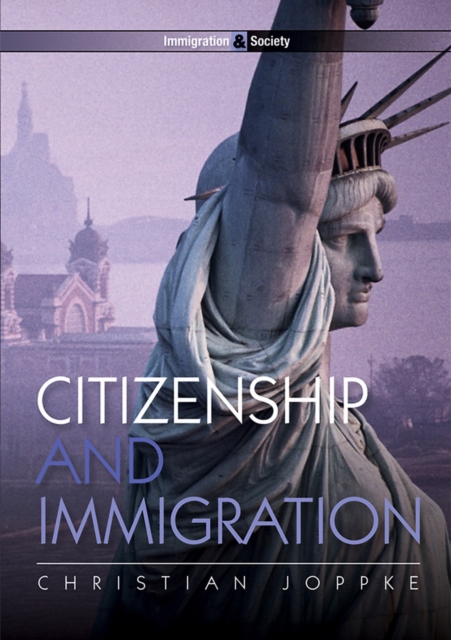
This incisive book provides a succinct overview of the new academic field of citizenship and immigration, as well as presenting a fresh and original argument about changing citizenship in our contemporary human rights era.
How the actions and advocacy of diverse religious communities in the United States have supported democracy's development during the past centuryDoes religion benefit democracy?
Despite decades of progress, African Americans living in largely white affluent suburbs still often find themselves caught between the two worlds of race and class.
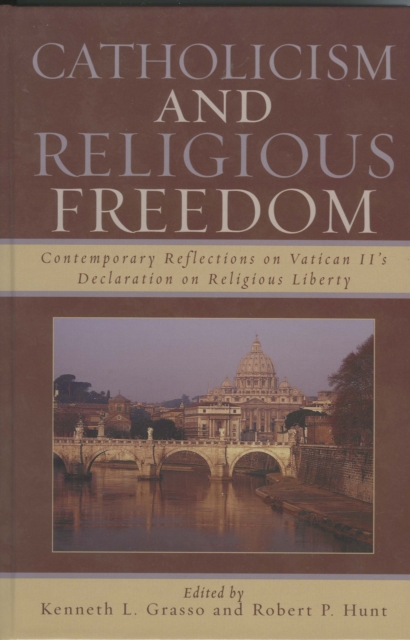
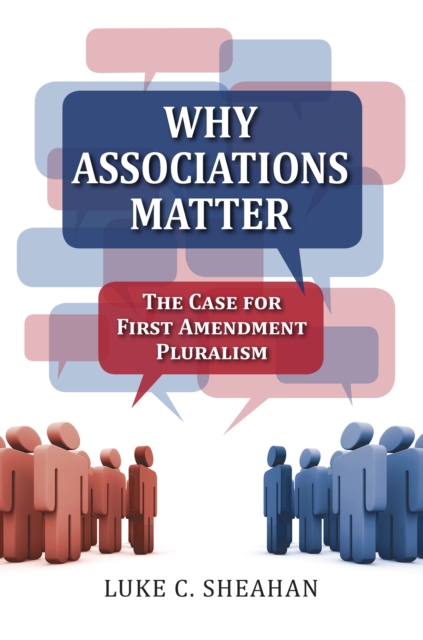
First Amendment rights are hailed as the hallmark of the US constitutional system, protecting religious liberty, freedom of speech, freedom of the press, and freedom of association.
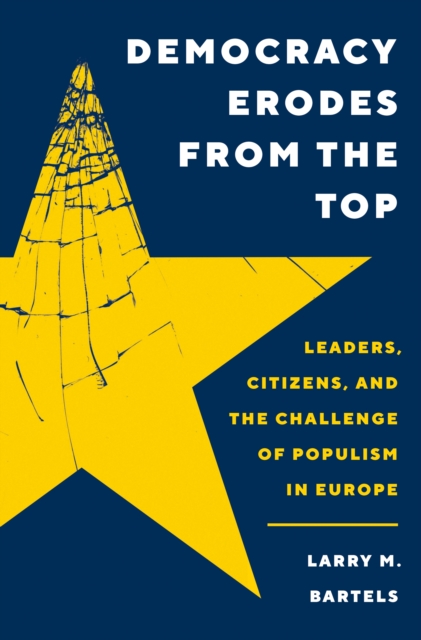
Why leaders, not citizens, are the driving force in Europe's crisis of democracyAn apparent explosion of support for right-wing populist parties has triggered widespread fears that liberal democracy is facing its worst crisis since the 1930s.
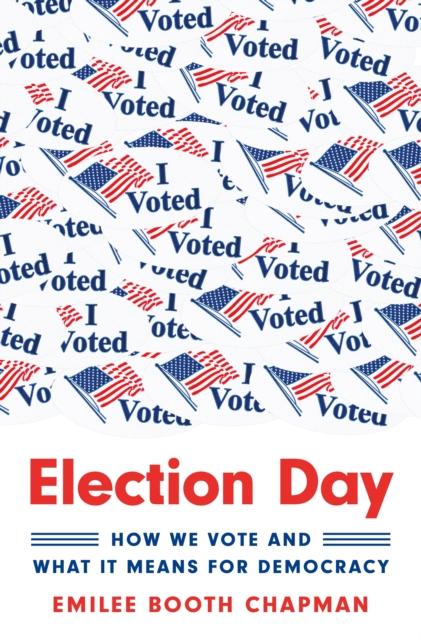
An original defense of the unique value of voting in a democracyVoting is only one of the many ways that citizens can participate in public decision making, so why does it occupy such a central place in the democratic imagination?
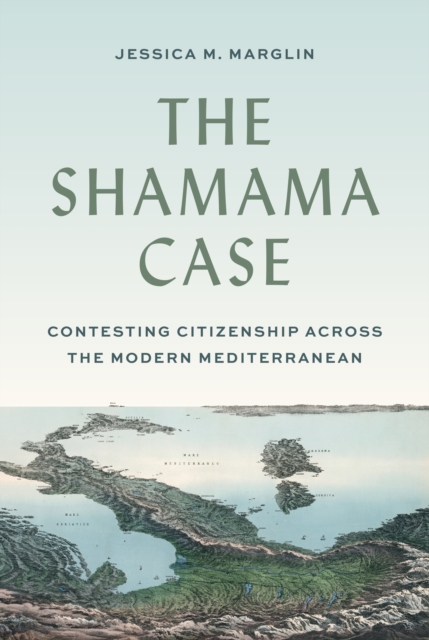
How a nineteenth-century lawsuit over the estate of a wealthy Tunisian Jew shines new light on the history of belongingIn the winter of 1873, Nissim Shamama, a wealthy Jew from Tunisia, died suddenly in his palazzo in Livorno, Italy.
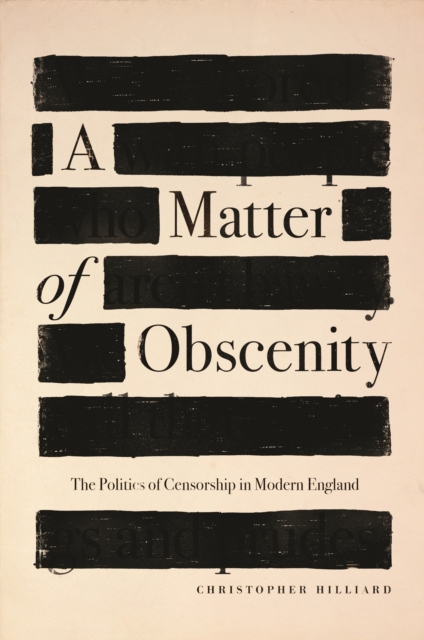
A comprehensive history of censorship in modern BritainFor Victorian lawmakers and judges, the question of whether a book should be allowed to circulate freely depended on whether it was sold to readers whose mental and moral capacities were in doubt, by which they meant the increasingly literate and enfranchised working classes.
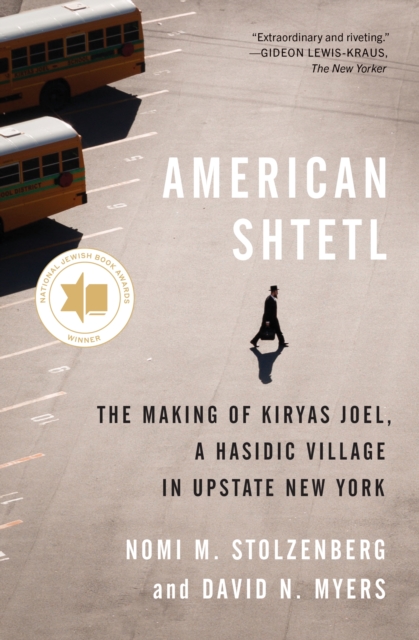
A compelling account of how a group of Hasidic Jews established its own local government on American soilSettled in the mid-1970s by a small contingent of Hasidic families, Kiryas Joel is an American town with few parallels in Jewish historybut many precedents among religious communities in the United States.
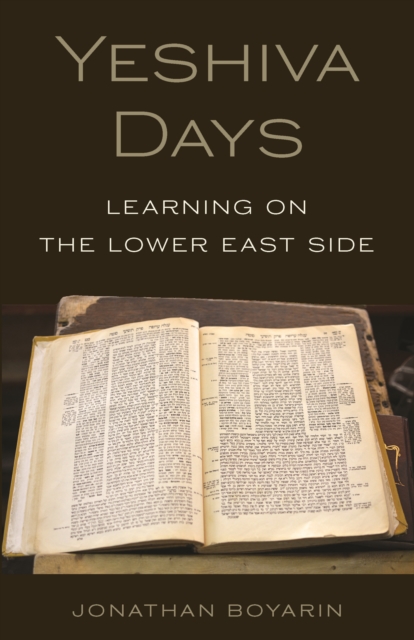
An intimate and moving portrait of daily life in New York's oldest institution of traditional rabbinic learningNew York City's Lower East Side has witnessed a severe decline in its Jewish population in recent decades, yet every morning in the big room of the city's oldest yeshiva, students still gather to study the Talmud beneath the great arched windows facing out onto East Broadway.
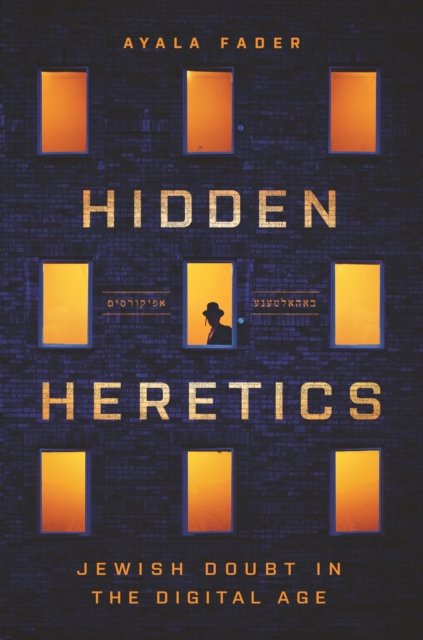
A revealing look at Jewish men and women who secretly explore the outside world, in person and online, while remaining in their ultra-Orthodox religious communities What would you do if you questioned your religious faith, but revealing that would cause you to lose your family and the only way of life you had ever known?
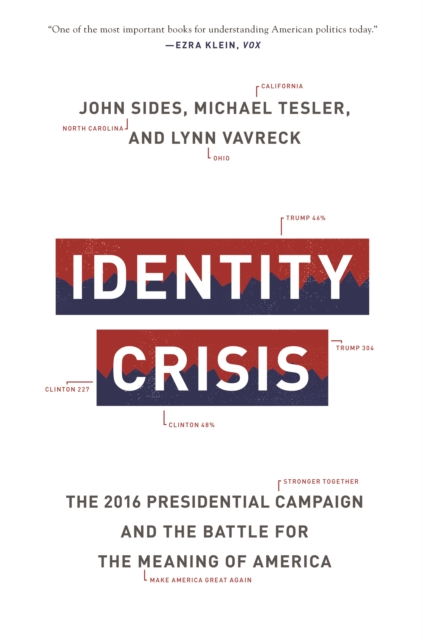
A gripping in-depth look at the presidential election that stunned the worldDonald Trump's election victory resulted in one of the most unexpected presidencies in history.
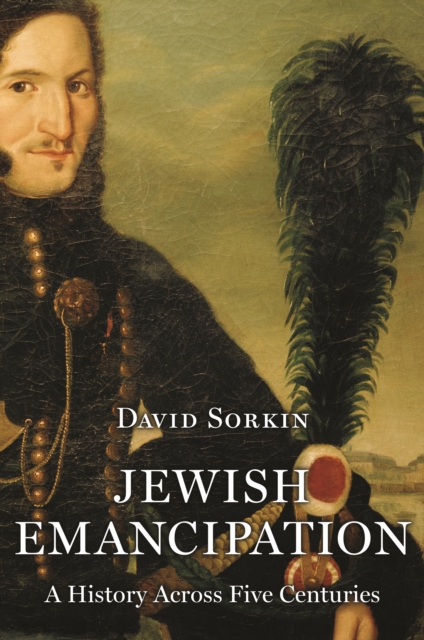
The first comprehensive history of how Jews became citizens in the modern worldFor all their unquestionable importance, the Holocaust and the founding of the State of Israel now loom so large in modern Jewish history that we have mostly lost sight of the fact that they are only part of-and indeed reactions to-the central event of that history: emancipation.
An examination of the intertwined lives and writings of a group of prominent twentieth-century Jewish thinkers who experienced exile and migrationExile, Statelessness, and Migration explores the intertwined lives, careers, and writings of a group of prominent Jewish intellectuals during the mid-twentieth century-in particular, Theodor Adorno, Hannah Arendt, Walter Benjamin, Isaiah Berlin, Albert Hirschman, and Judith Shklar, as well as Hans Kelsen, Emmanuel Levinas, Gershom Scholem, and Leo Strauss.
In 1973, Yashev Raval wrote The Power of Wisdom, correctly pointing out that collusion between East and West had kept not only the balance of terror but provided the glue that kept geographic spheres of influence stable.
Her story is similar to those of the thousands of illegal immigrants who cross the border into America every day in search of political or economic refuge.
An examination of the intertwined lives and writings of a group of prominent twentieth-century Jewish thinkers who experienced exile and migrationExile, Statelessness, and Migration explores the intertwined lives, careers, and writings of a group of prominent Jewish intellectuals during the mid-twentieth century-in particular, Theodor Adorno, Hannah Arendt, Walter Benjamin, Isaiah Berlin, Albert Hirschman, and Judith Shklar, as well as Hans Kelsen, Emmanuel Levinas, Gershom Scholem, and Leo Strauss.
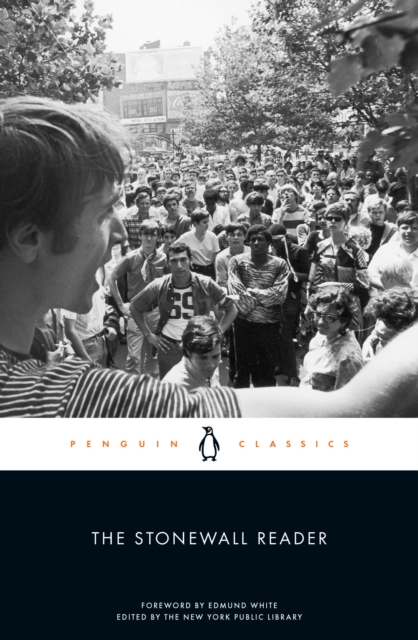
For the fiftieth anniversary of the Stonewall uprising, an anthology chronicling the tumultuous fight for LGBTQ rights in the 1960s and the activists who spearheaded it, with a foreword by Edmund White.
Social Movements cleverly translates the art of collective action and mobilization by excluded groups to facilitate understanding social change from below.
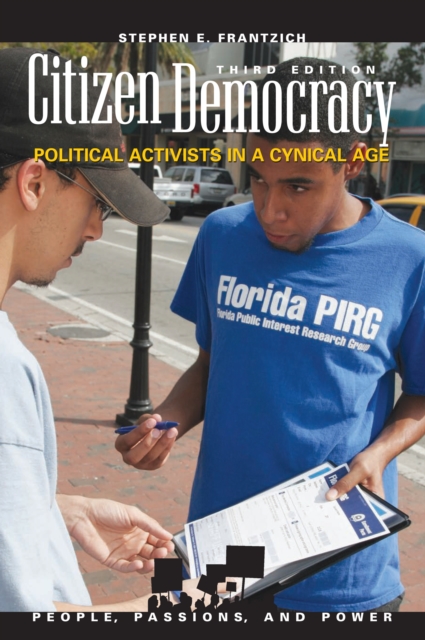
This third edition of the widely acclaimed classic has been thoroughly expanded and updated to reflect current demographic, economic, and political realities.
First Amendment rights are hailed as the hallmark of the US constitutional system, protecting religious liberty, freedom of speech, freedom of the press, and freedom of association.
Civil Society: Ideas, Interpretations, Transgressions is essential to learning about the place and importance of civil society in creating and maintaining a liberal democracy.
Canadian Human Rights Champions recounts the inspiring stories of a select group of advocates who have fought to secure civil, social, and political rights for all Canadians.
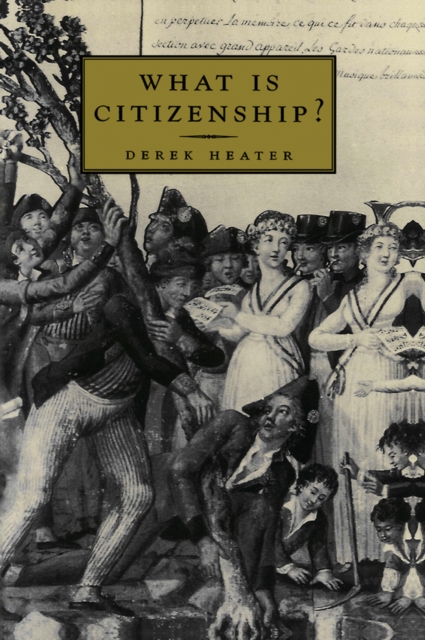
Although great efforts have been made to understand citizenship, it has remained a contested concept, largely because of the problem of the changing relationship between citizens and their community of membership or belonging.
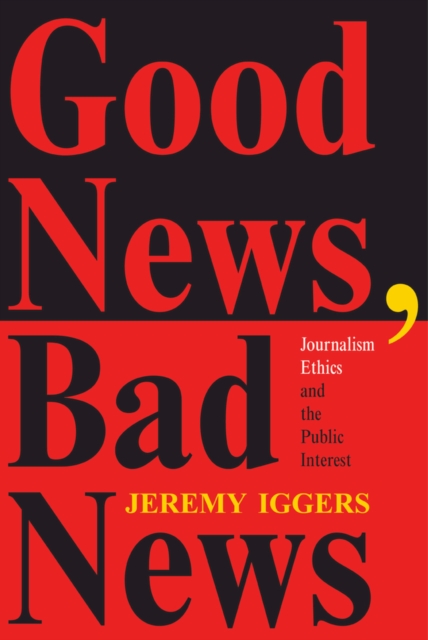
In Good News, Bad News , Jeremy Iggers argues that journalism's institutionalized conversation about ethics largely evades the most important issues regarding the public interest and the civic responsibilities of the press.
This book reviews the historical development of democracy and the backlash against it, the theoretical character of modern democracy, the practical problems of establishing and maintaining democracy, and the meaning of democracy and its prospects.
Although great efforts have been made to understand citizenship, it has remained a contested concept, largely because of the problem of the changing relationship between citizens and their community of membership or belonging.
In Good News, Bad News , Jeremy Iggers argues that journalism's institutionalized conversation about ethics largely evades the most important issues regarding the public interest and the civic responsibilities of the press.