This comprehensive Handbook gives an overview of the political, social, economic and legal dimensions of citizenship in the Middle East and North Africa from the nineteenth century to the present.
The contributions to Urban neo- liberalisation bring together critical analyses of the dynamics and processes neo- liberalism has facilitated in urban contexts.
Urban Change and Citizenship in Times of Crisis addresses the fact that in the beginning of the twenty-first century the majority of the world's population is urbanised, a social fact that has turned cities more than ever into focal sites of social change.
The contributions to Urban neo- liberalisation bring together critical analyses of the dynamics and processes neo- liberalism has facilitated in urban contexts.
Urban Change and Citizenship in Times of Crisis addresses the fact that in the beginning of the twenty-first century the majority of the world's population is urbanised, a social fact that has turned cities more than ever into focal sites of social change.
Following a dialogic and interdisciplinary approach, this book highlights changes in the concept and action of disobedience, presenting a theoretical framework and applied case studies.
In recent year, pro-gay and anti-gay rights activists have engaged in a struggle to sway public opinion in their favor through the use of ideologically charged rhetoric in an effort to win support from an undecided public.
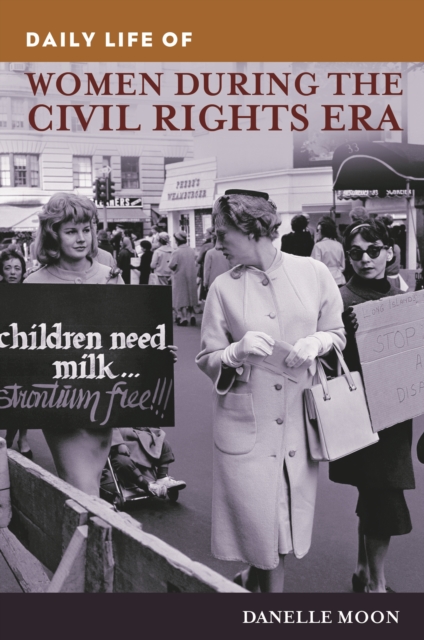
This book presents an extensive history of women in the civil rights movement that highlights ordinary women's experiences in their local communities and the impacts of their activism upon American women and society.
This lively, moving narrative provides the first comprehensive account of the emigration of nearly 500,000 Soviet Jews to the United States between 1967 and 1997.
This two-part book examines the roots of warfare and the development of the peace movement in America from the Colonial period through the Vietnam War.
This work espouses that though African Americans have come a long way, issues such as social, economic, health, educational, judicial, political, cultural, and civil rights are of such a critical nature that President Barack Obama must meet them head on and in a manner different from that of mainstream America.
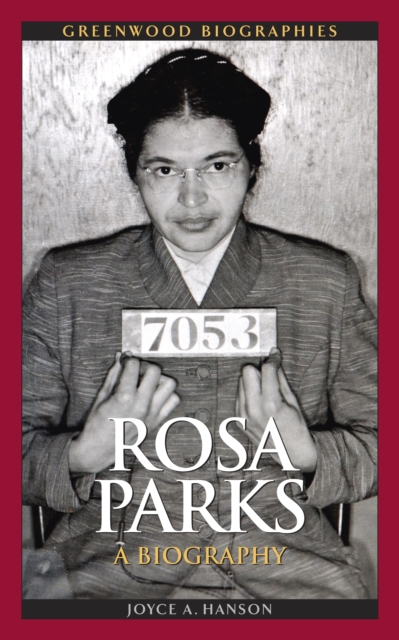
This book offers a revealing look at Rosa Parks, whose role as an activist and struggle with racism began long before her historic 1955 Montgomery, Alabama, bus ride.
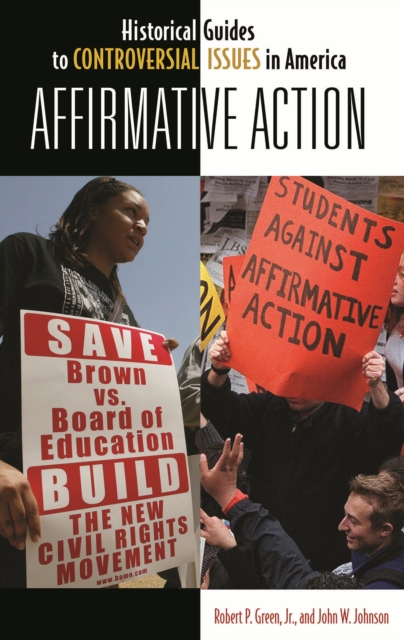
Affirmative Action recounts the fascinating history of a civil rights provision considered vital to protecting and promoting equality, but still bitterly contested in the courts-and in the court of public opinion.
This profile of Dominican Americans closes a critical gap in information about the accomplishments of one of the largest immigrant groups in the United States.
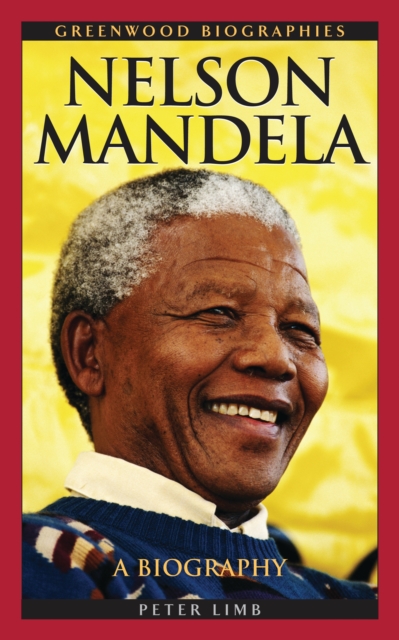
Everyone should know the life story of Nelson Mandela, one of the greatest leaders of all time, the first black president of South Africa, the most famous African, and a major world statesman.
The debate over America's multiculturalism has been intense for nearly three decades, dividing opponents into those insisting on such recognition and those fearing that such a formal acknowledgment will undermine the civic bonds created by a heterogeneous nation.
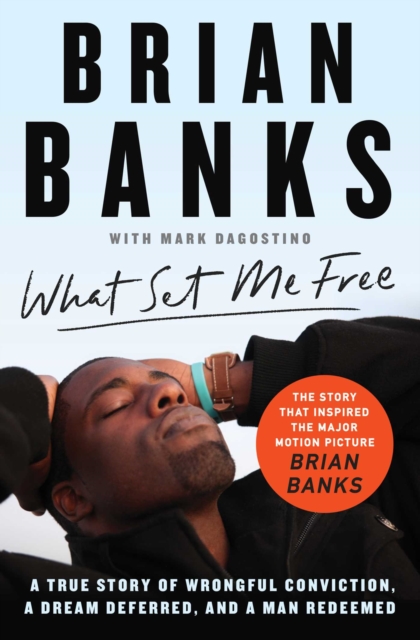
*The story that inspired the film Brian Banks* Discover the unforgettable and inspiring true story of a young man who was wrongfully convicted as a teenager and imprisoned for more than five years, only to emerge with his spirit unbroken and determined to achieve his dream of playing in the NFL.
Two New York Times Washington correspondents provide a detailed, ';fact-based account of what precipitated some of this administration's more brazen assaults on immigration' (The Washington Post) filled with never-before-told stories of this key issue of Donald Trump's presidency.
This volume examines the phenomenon of mass population migration from the Caribbean to North America and the United Kingdom and the social, cultural, and economic adaptation of the immigrants to their new environments.
Because the Holocaust, at its core, was an extreme expression of a devastating racism, the author contends it has special significance for African Americans.
Up-to-date devotions on getting ';smarter' for boys ages 8-12 There is something to interest every boy in this unique devotional that focuses on the 2:52 principle of ';getting smart' as it teaches boys how to use their minds to live a godly life.
This book explains how and why information literacy can help to foster critical thinking and discerning attitudes, enabling citizens to play an informed role in society and its democratic processes.
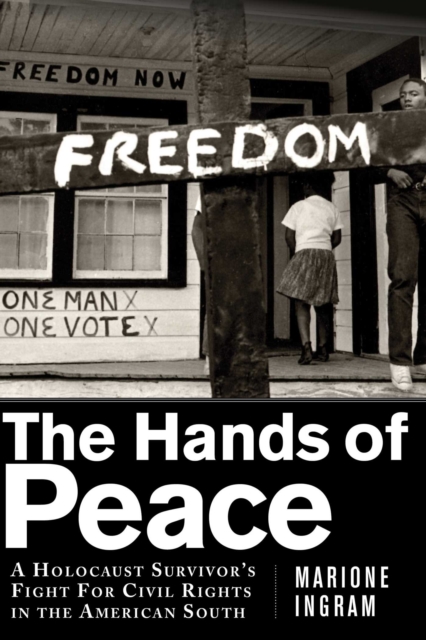
Born in Hamburg in the 1930s, Marione Ingram survived the Holocaust in Nazi Germany, only to find when she came to the United States that racism was as pervasive in the American South as anti-Semitism was in Europe.
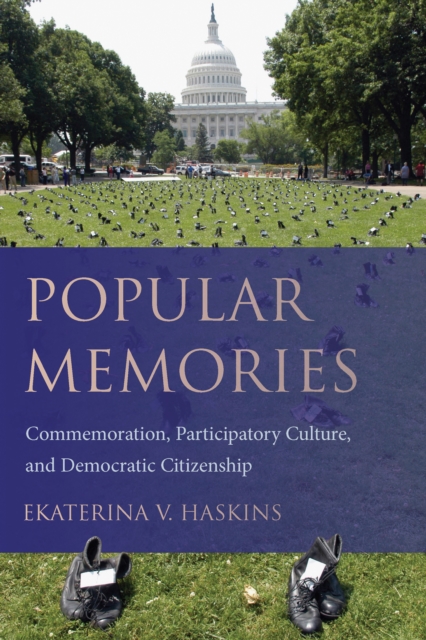
A critical exploration of the ways public participation has transformed commemoration and civic engagement in the United StatesIn the last three decades ordinary Americans launched numerous grassroots commemorations and official historical institutions became more open to popular participation.