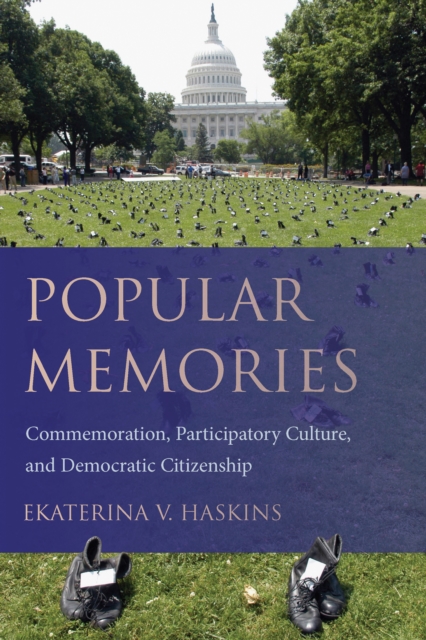
A critical exploration of the ways public participation has transformed commemoration and civic engagement in the United StatesIn the last three decades ordinary Americans launched numerous grassroots commemorations and official historical institutions became more open to popular participation.
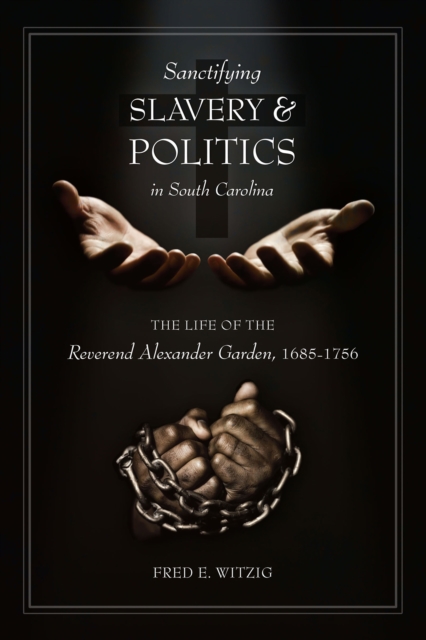
A vivid portrait of a Scottish religious leader and the South Carolina colony he helped shapeWhen Alexander Garden, a Scottish minister of the Church of England, arrived in South Carolina in 1720, he found a colony smoldering from the devastation of the Yamasee War and still suffering from economic upheaval, political factionalism, and rampant disease.
Entre los escombros del huracán Maria, los puertorriqueños y los “Puertopians” ultra-ricos están atrapados en una batalla campal sobre cómo reconstruir la isla.
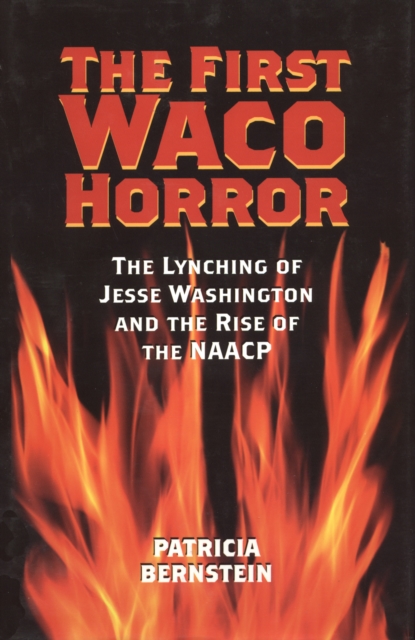
In 1916, in front of a crowd of ten to fifteen thousand cheering spectators watched as seventeen-year-old Jesse Washington, a retarded black boy, was publicly tortured, lynched, and burned on the town square of Waco, Texas.
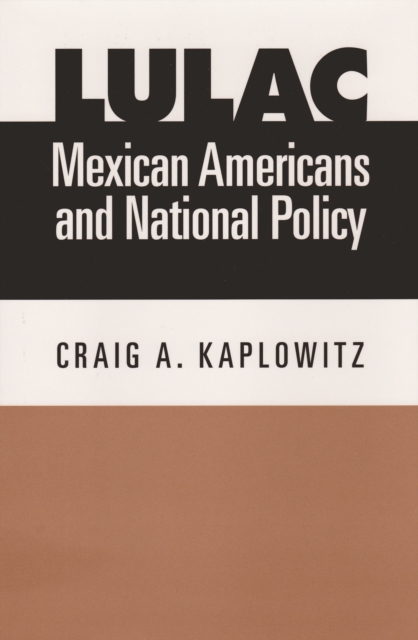
Through the dedicated intervention of LULAC and other Mexican American activist groups, the understanding of civil rights in America was vastly expanded in the late 1960s and early 1970s.
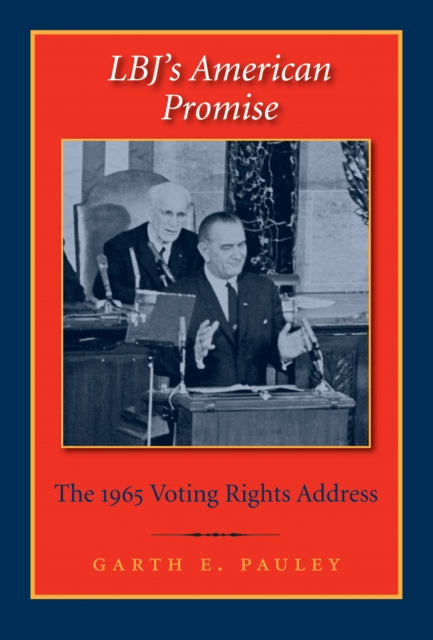
Though Lyndon Johnson developed a reputation as a rough-hewn, arm-twisting deal-maker with a drawl, at a crucial moment in history he delivered an address to Congress that moved Martin Luther King Jr.
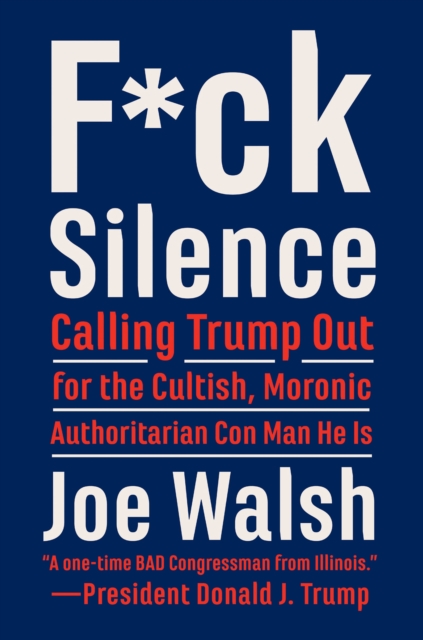
Former congressman and conservative talk radio host Joe Walsh reveals why Donald Trump is the exact threat our Founding Fathers feared in F*ck Silence.
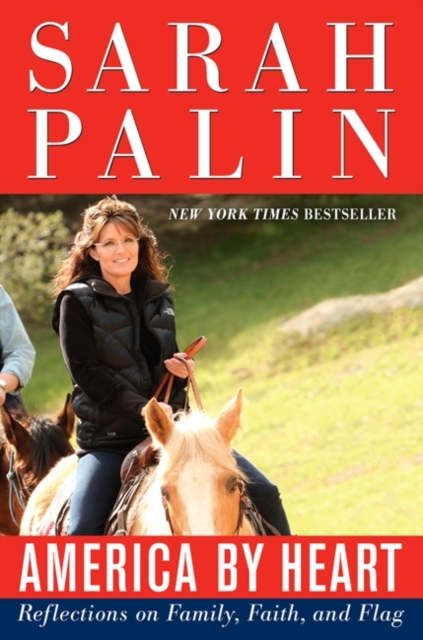
In the fall of 2009, with the publication of her #1 national bestselling memoir, Sarah Palin had the privilege of meeting thousands of everyday Americans on her extraordinary 35-city book tour.
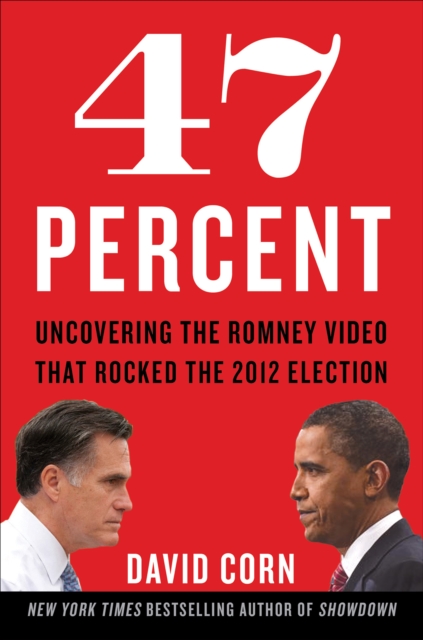
From the reporter who broke the Romney video story, 47 Percent reveals for the first time the dramatic tale of how David Corn, Washington Bureau chief at Mother Jones, MSNBC analyst and author of the New York Times bestseller Showdown, learned of its existence, located the source, authenticated the video, and persuaded the source to let him release it.
This new biography explores the extraordinary life of Edith Craig (1869-1947), her prolific work in the theatre and her political endeavours for women's suffrage and socialism.
This new biography explores the extraordinary life of Edith Craig (1869-1947), her prolific work in the theatre and her political endeavours for women's suffrage and socialism.
Consumer advocate, activist, humanitarian, and former presidential candidate Ralph Nader is arguably the most provocative and important progressive voice in America today-a fearless reformer whom The Atlantic named one of the 100 most influential figures in American history.
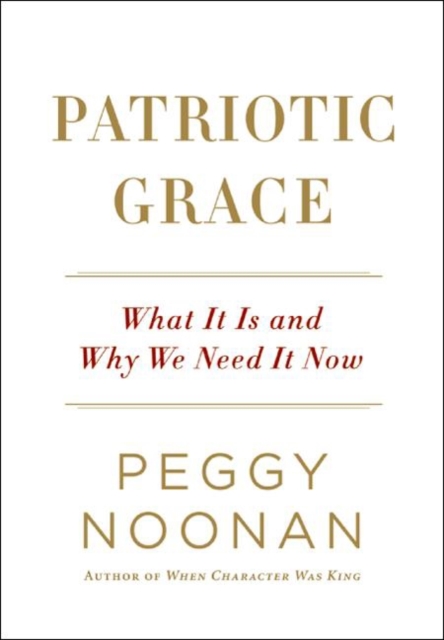
In this long season of searing political attacks and angry partisan passions, Peggy Noonan's Wall Street Journal column has been must reading for thoughtful liberals and conservatives alike.
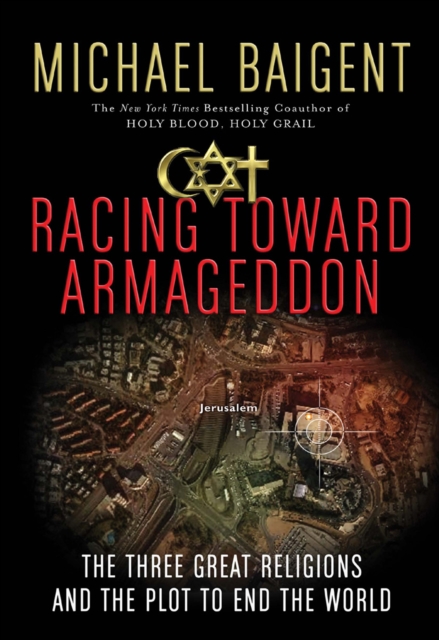
The bestselling author uncovers fundamentalists of all religions who are setting much of the world's political agenda in their race toward the end times.
Drawing on Tibetan, Hindu, Taoist, Christian and Kabbalistic traditions, Andrew Harvey shows why he believes the direct path is now essential to the future survival of humanity - and how the truth and vibrancy of this radical vision depends on reclamation of the Sacred Feminine.
"e;This impassioned, convincing manifesto"e; from two policy experts with military family "e;calls for class integration of the military"e; (Publishers Weekly).
How American political participation is increasingly being shaped by citizens who wield more resourcesThe Declaration of Independence proclaims equality as a foundational American value.
A new account of modern Iraqi politics that overturns the conventional wisdom about its sectarian divisionsHow did Iraq become one of the most repressive dictatorships of the late twentieth century?
Why our belief in government by the people is unrealistic-and what we can do about itDemocracy for Realists assails the romantic folk-theory at the heart of contemporary thinking about democratic politics and government, and offers a provocative alternative view grounded in the actual human nature of democratic citizens.
Since the mid-2000s, public opinion and debate in China have become increasingly common and consequential, despite the ongoing censorship of speech and regulation of civil society.
Why have countries increasingly restricted immigration even when they have opened their markets to foreign competition through trade or allowed their firms to move jobs overseas?
How diversity and difference strengthen democracy and increase prosperityIt is clear that in our society today, issues of diversity and social connectedness remain deeply unresolved and can lead to crisis and instability.
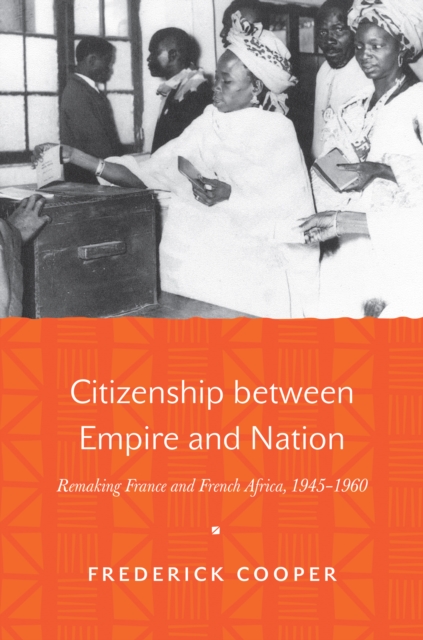
A groundbreaking history of the last days of the French empire in AfricaAs the French public debates its present diversity and its colonial past, few remember that between 1946 and 1960 the inhabitants of French colonies possessed the rights of French citizens.
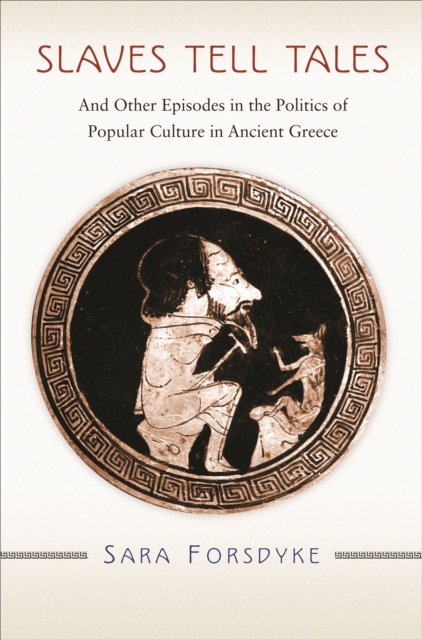
Most studies of ancient Greek politics focus on formal institutions such as the political assembly and the law courts, and overlook the role that informal social practices played in the regulation of the political order.
Why American democracy favors the affluent and educatedPolitically active individuals and organizations make huge investments of time, energy, and money to influence everything from election outcomes to congressional subcommittee hearings to local school politics, while other groups and individual citizens seem woefully underrepresented in our political system.
9/11 and its aftermath have shown that our ideas about what constitutes sovereign power lag dangerously behind the burgeoning claims to rights and recognition within and across national boundaries.
Voted a Best Poetry Book of the Year by Library JournalIncluded in Publishers Weekly's Top 10 Poetry Books of the YearOne of LitHub's most Anticipated Books of the Year!
The story of how a national grassroots network fought a resurgence of the KKK and other fascist groups during the Reagan years, laying the groundwork for today's anti-fascist/anti-racist movements.
A provocative critique of how manipulation of media gives rise to disinformation, intolerance, and divisiveness, and what can be done to change direction.
"e;Naders assessment of how concentrated wealth and power undermine democracy is clear and compelling, but its his substantive vision of how we ought to respond that makes Breaking Through Power essential reading.