The second edition of this classic text substantially revises and extends the original, so as to take account of theoretical and policy developments and to enhance its international scope.
From individual experiences of prejudice to international political debate around equal rights, social attitudes towards sexuality and transgender equalities are evolving.
A thought-provoking look at how racial resentment, rather than racial prejudice alone, motivate a growing resistance among whites to improve the circumstances faced by racial minorities.
Many argue that "e;civic duty"e; explains why Americans engage in politics, but what does civic duty mean, and does it mean the same thing across communities?
Public division is not new; in fact, it is the lifeblood of politics, and political representatives have constructed divisions throughout history to mobilize constituencies.
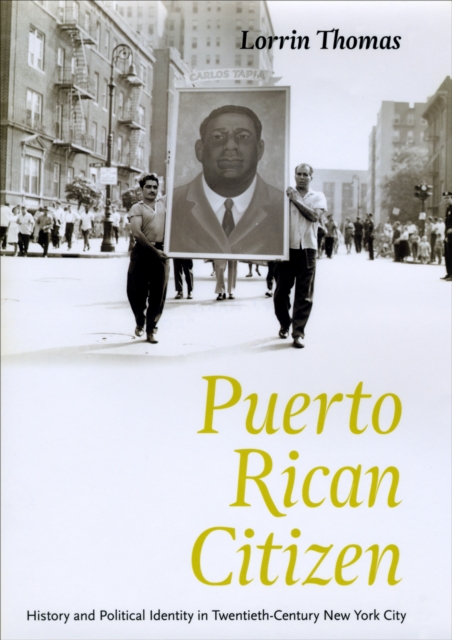
By the end of the 1920s, just ten years after the Jones Act first made them full-fledged Americans, more than 45,000 native Puerto Ricans had left their homes and entered the United States, citizenship papers in hand, forming one of New York City's most complex and distinctive migrant communities.
The 2016 presidential election campaign and its aftermath have underscored worrisome trends in the present state of our democracy: the extreme polarization of the electorate, the dismissal of people with opposing views, and the widespread acceptance and circulation of one-sided and factually erroneous information.
The term "e;community organizer"e; was deployed repeatedly against Barack Obama during the 2008 presidential campaign as a way to paint him as an inexperienced politician unfit for the presidency.
David Brooks called Making Patriots "e;wise and penetrating,"e; and in an era of polarization and anger, its bracing call for love of country is more important than ever Although Samuel Johnson once remarked that "e;patriotism is the last refuge of scoundrels,"e; over the course of the history of the United States we have seen our share of heroes: patriots who have willingly put their lives at risk for this country and, especially, its principles.
Freedom in the World, the Freedom House flagship survey whose findings have been published annually since 1972, is the standard-setting comparative assessment of global political rights and civil liberties.
Over the past few decades, we have witnessed the growth of movements using digital means to connect with broader interest groups and express their points of view.
We speak of being 'free' to speak our minds, free to go to college, free to move about; we can be cancer-free, debt-free, worry-free, or free from doubt.
The United Nations Peacebuilding Commission (UNPBC) was established in December 2005 to develop outlines of best practice in post-conflict reconstruction, and to secure the political and material resources necessary to assist states in transition from conflict to peacetime.
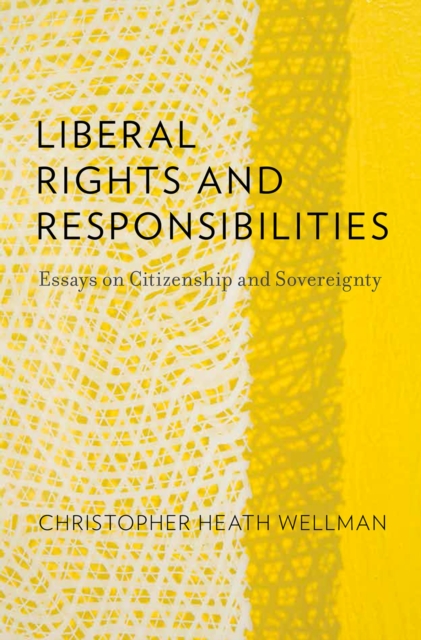
In Liberal Rights and Responsibilities, Christopher Heath Wellman offers original theories of political legitimacy and our obligation to obey the law, and then, building upon these accounts, defends a number of distinctive positions concerning the rights and responsibilities individual citizens, separatist groups, and political states have regarding one another.
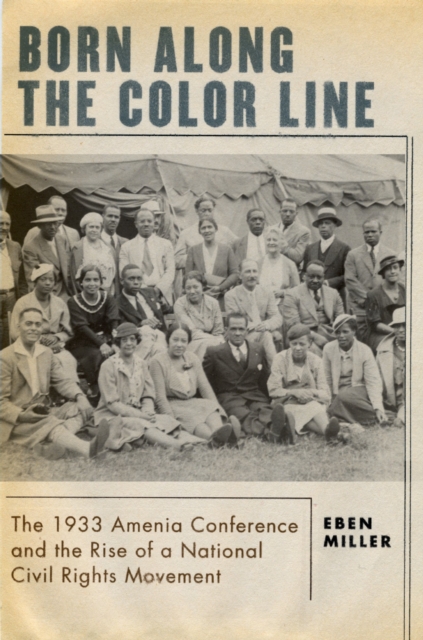
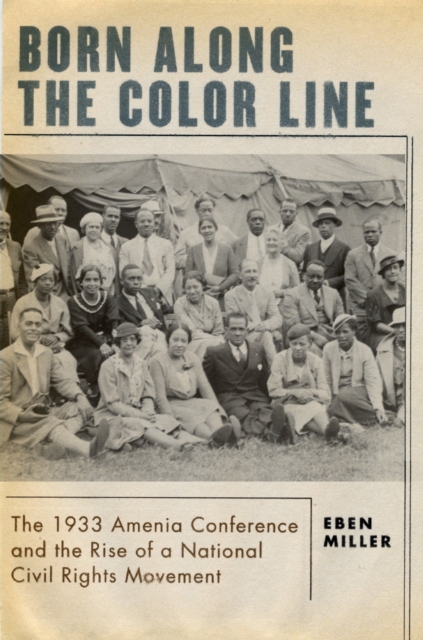
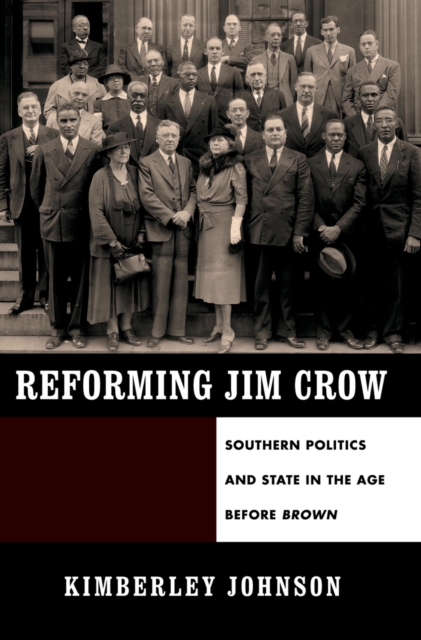
Since its founding in 1910--the same year as another national organization devoted to the economic and social welfare aspects of race advancement, the National Urban League--the NAACP has been viewed as the vanguard national civil rights organization in American history.
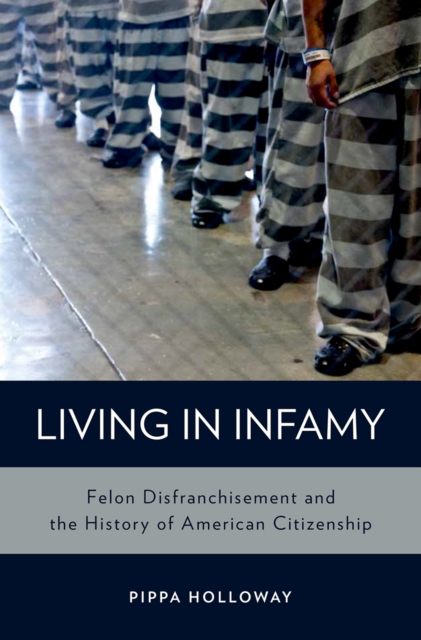
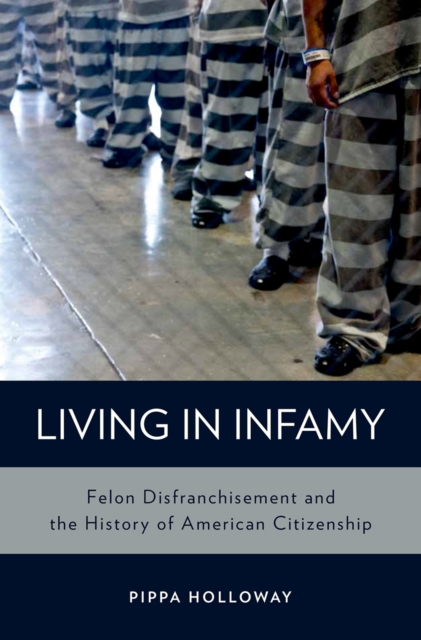
Chronic unemployment, deindustrialized cities, and mass incarceration are among the grievous social problems that will not yield unless American citizens address them.
For many Americans, the election of Barack Obama as the country's first black president signaled that we had become a post-racial nation - some even suggested that race was no longer worth discussing.
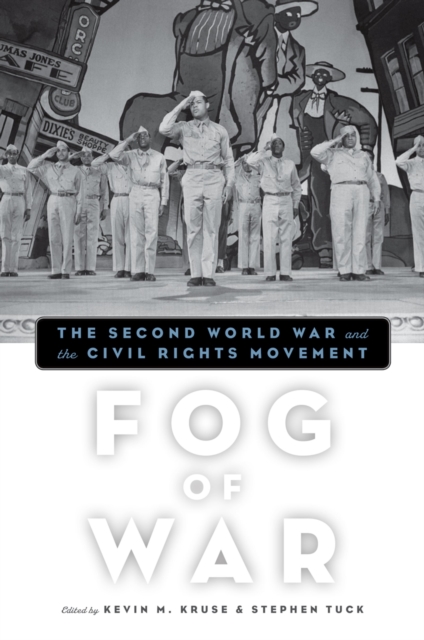
It is well known that World War II gave rise to human rights rhetoric, discredited a racist regime abroad, and provided new opportunities for African Americans to fight, work, and demand equality at home.
In Humanity's Law, renowned legal scholar Ruti Teitel offers a powerful account of one of the central transformations of the post-Cold War era: the profound normative shift in the international legal order from prioritizing state security to protecting human security.
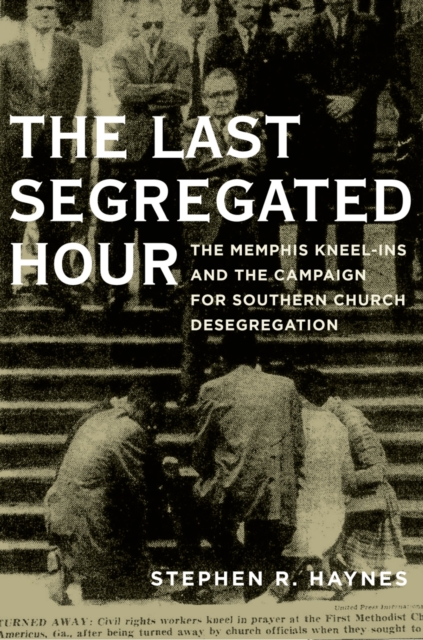
On Palm Sunday 1964, at the Second Presbyterian Church in Memphis, a group of black and white students began a "e;kneel-in"e; to protest the church's policy of segregation, a protest that would continue in one form or another for more than a year and eventually force the church to open its doors to black worshippers.
In this groundbreaking work, Kamal Sadiq reveals that most of the world's illegal immigrants are not migrating directly to the US, but to countries in the vast developing world, where they are able to obtain citizenship papers fairly easily.
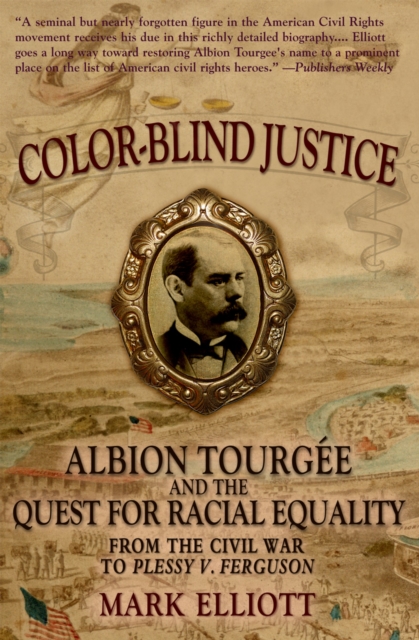
Civil War officer, Reconstruction "e;carpetbagger,"e; best-selling novelist, and relentless champion of equal rights--Albion Tourgee battled his entire life for racial justice.
In searching for answers as to why young people differ vastly from their parents and grandparents when it comes to turning out the vote, A New Engagement challenges the conventional wisdom that today's youth is plagued by a severe case of political apathy.
Prior to the 1960s, when African Americans had little access to formal political power, black popular culture was commonly seen as a means of forging community and effecting political change.