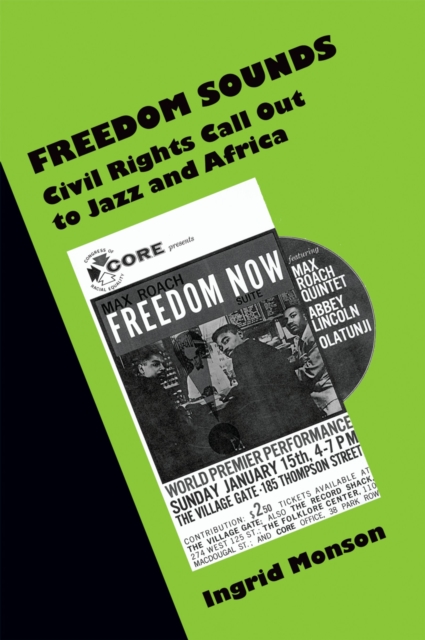
An insightful examination of the impact of the Civil Rights Movement and African Independence on jazz in the 1950s and 60s, Freedom Sounds traces the complex relationships among music, politics, aesthetics, and activism through the lens of the hot button racial and economic issues of the time.
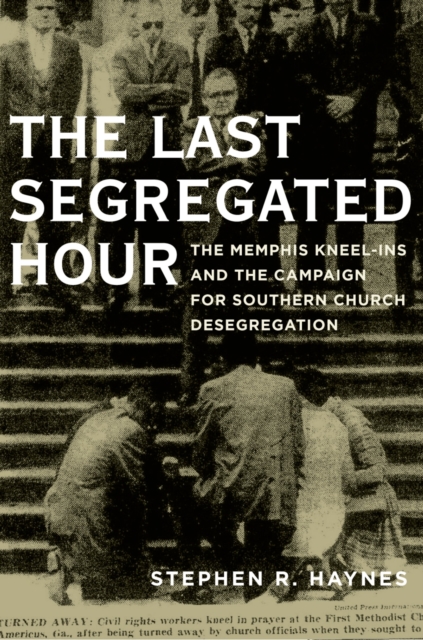
On Palm Sunday 1964, at the Second Presbyterian Church in Memphis, a group of black and white students began a "e;kneel-in"e; to protest the church's policy of segregation, a protest that would continue in one form or another for more than a year and eventually force the church to open its doors to black worshippers.
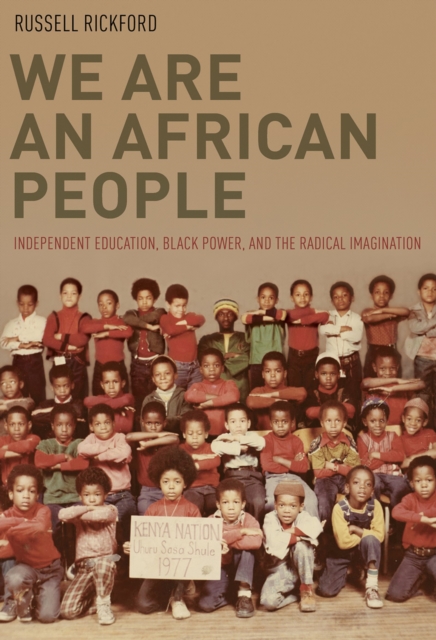
During the height of the Black Power movement of the late 1960s and 1970s, dozens of Pan African nationalist private schools, from preschools to post-secondary ventures, appeared in urban settings across the United States.
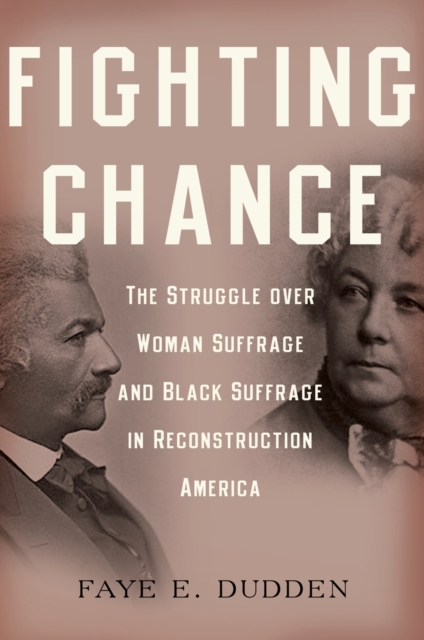
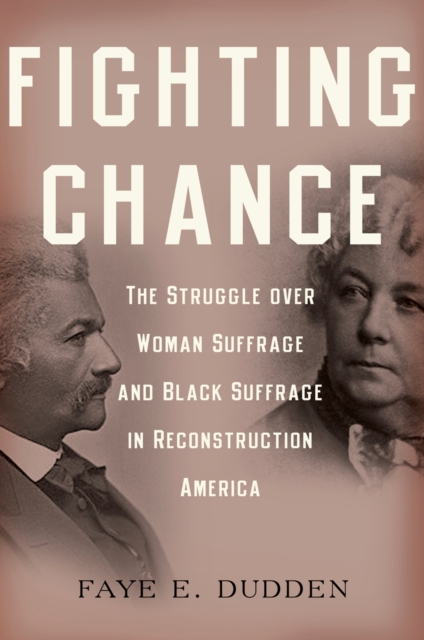
The advocates of woman suffrage and black suffrage came to a bitter falling-out in the midst of Reconstruction, when Elizabeth Cady Stanton opposed the 15th Amendment because it granted the vote to black men but not to women.
In the rotunda of the nation's Capital a statue pays homage to three famous nineteenth-century American women suffragists: Elizabeth Cady Stanton, Susan B.
The advocates of woman suffrage and black suffrage came to a bitter falling-out in the midst of Reconstruction, when Elizabeth Cady Stanton opposed the 15th Amendment because it granted the vote to black men but not to women.
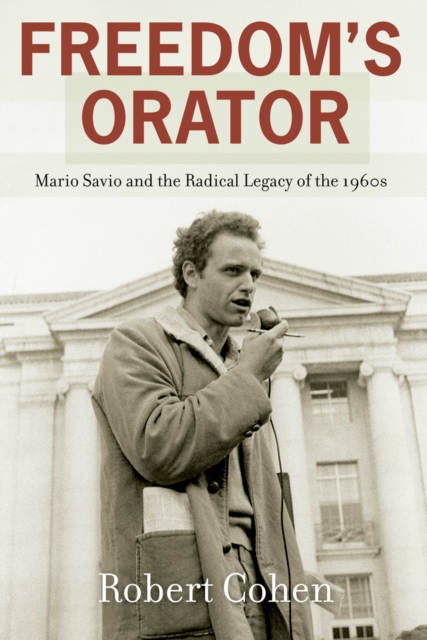
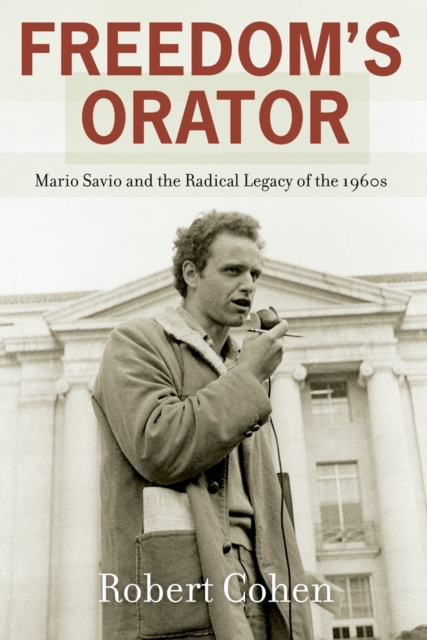
Here is the first biography of Mario Savio, the brilliant leader of Berkeley's Free Speech Movement, the largest and most disruptive student rebellion in American history.
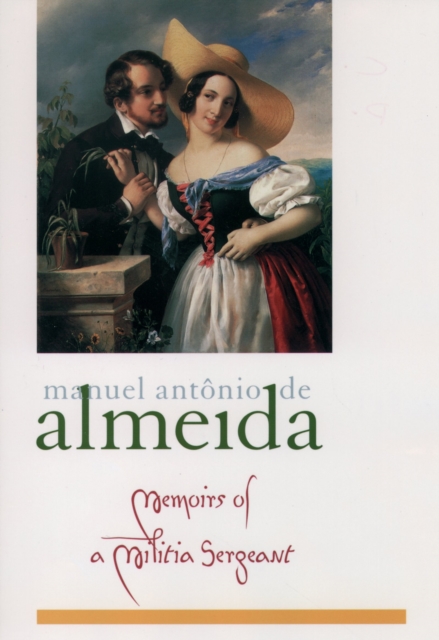
Recognized as a turning point in Brazilian literature, this entertaining novel of urban manners follows the ne'er-do-well Leonardo through his various romantic liaisons and frequent scrapes with the law.
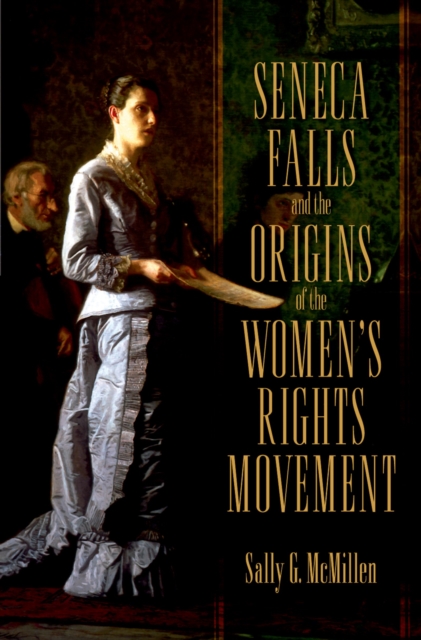
In a quiet town of Seneca Falls, New York, over the course of two days in July, 1848, a small group of women and men, led by Elizabeth Cady Stanton and Lucretia Mott, held a convention that would launch the woman's rights movement and change the course of history.
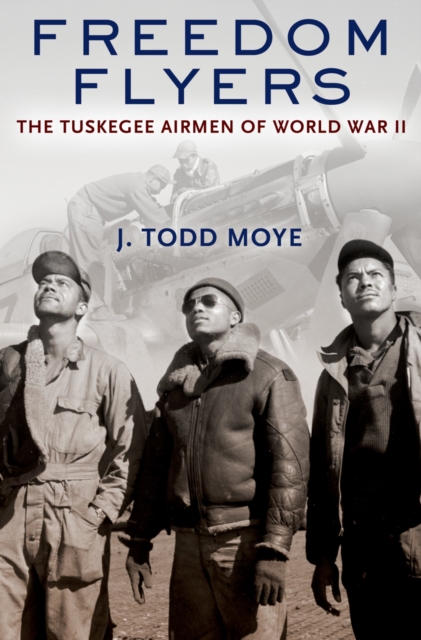
As the country's first African American military pilots, the Tuskegee Airmen fought in World War II on two fronts: against the Axis powers in the skies over Europe and against Jim Crow racism and segregation at home.
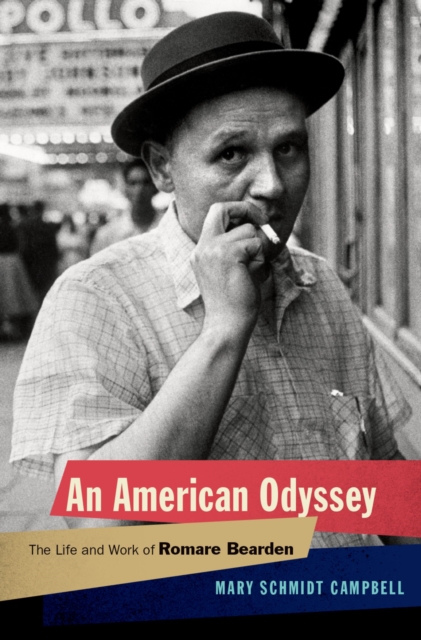
By the time of his death in 1988, Romare Bearden was most widely celebrated for his large-scale public murals and collages, which were reproduced in such places as Time and Esquire to symbolize and evoke the black experience in America.
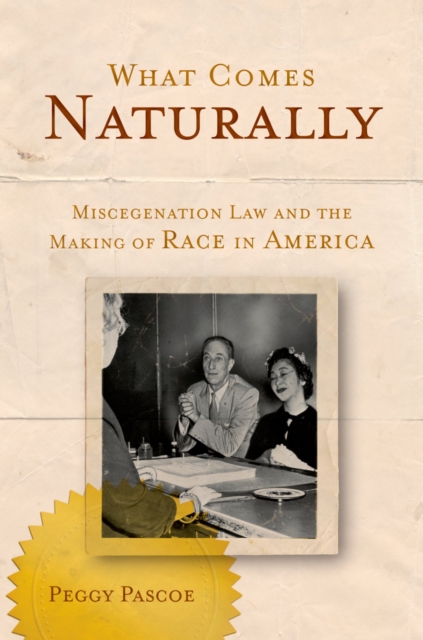
A long-awaited history that promises to dramatically change our understanding of race in America, What Comes Naturally traces the origins, spread, and demise of miscegenation laws in the United States--laws that banned interracial marriage and sex, most often between whites and members of other races.
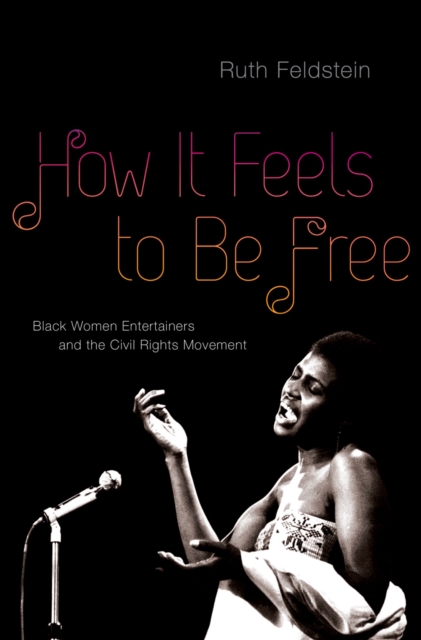
Prior to the 1960s, when African Americans had little access to formal political power, black popular culture was commonly seen as a means of forging community and effecting political change.
Here is the first biography of Mario Savio, the brilliant leader of Berkeley's Free Speech Movement, the largest and most disruptive student rebellion in American history.
When newly-liberated African American slaves attempted to enter the marketplace and exercise their rights as citizens of the United States in 1865, few, if any, Americans expected that, a century and a half later, the class divide between black and white Americans would be as wide as it is today.
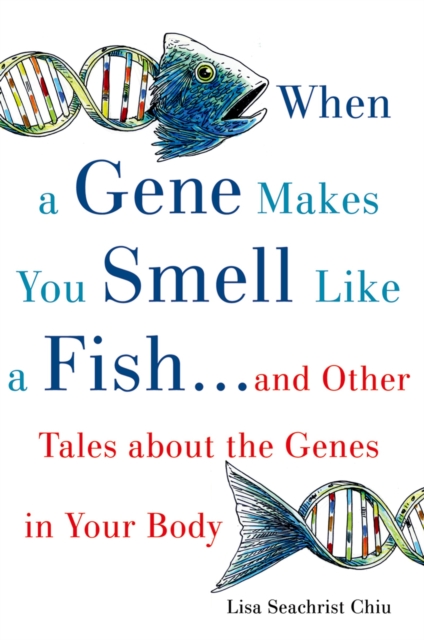
From the gene that causes people to age prematurely to the "e;bitter gene"e; that may spawn broccoli haters, this book explores a few of the more exotic locales on the human genome, highlighting some of the tragic and bizarre ways our bodies go wrong when genes fall prey to mutation and the curious ways in which genes have evolved for our survival.
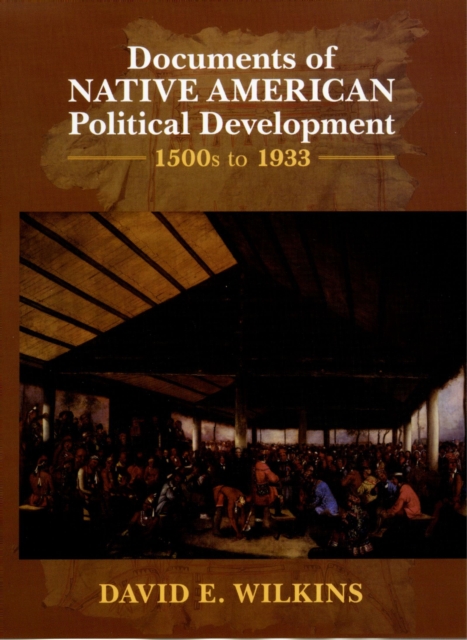
The arrival of European and Euro-American colonizers in the Americas brought not only physical attacks against Native American tribes, but also further attacks against the sovereignty of these Indian nations.
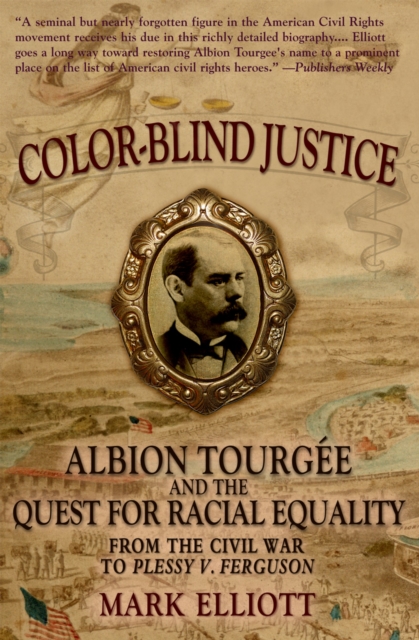
Civil War officer, Reconstruction "e;carpetbagger,"e; best-selling novelist, and relentless champion of equal rights--Albion Tourgee battled his entire life for racial justice.
In Humanity's Law, renowned legal scholar Ruti Teitel offers a powerful account of one of the central transformations of the post-Cold War era: the profound normative shift in the international legal order from prioritizing state security to protecting human security.
In this groundbreaking work, Kamal Sadiq reveals that most of the world's illegal immigrants are not migrating directly to the US, but to countries in the vast developing world, where they are able to obtain citizenship papers fairly easily.
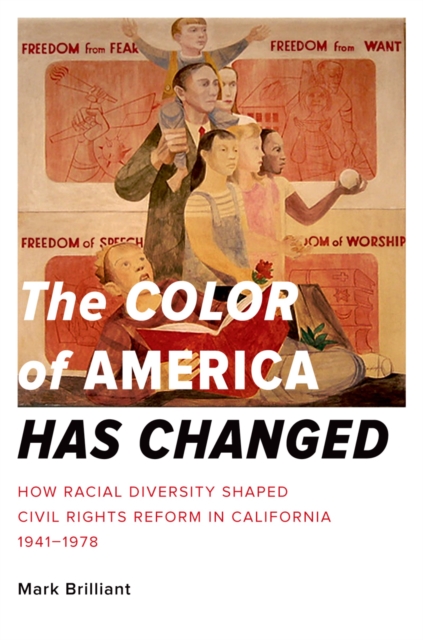
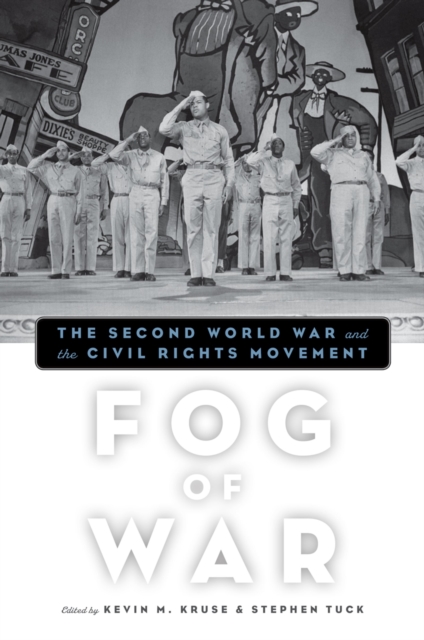
It is well known that World War II gave rise to human rights rhetoric, discredited a racist regime abroad, and provided new opportunities for African Americans to fight, work, and demand equality at home.
In the rotunda of the nation's Capital a statue pays homage to three famous nineteenth-century American women suffragists: Elizabeth Cady Stanton, Susan B.