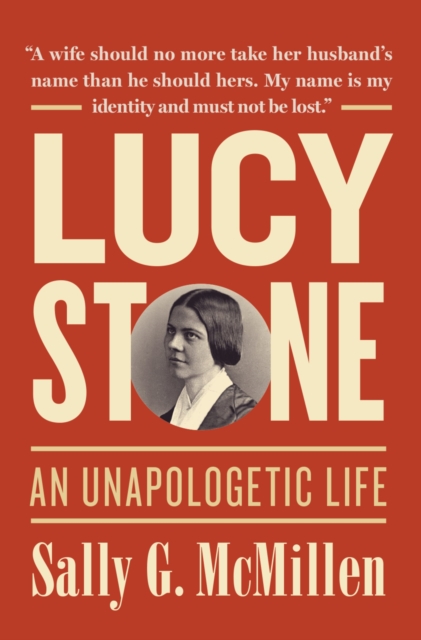
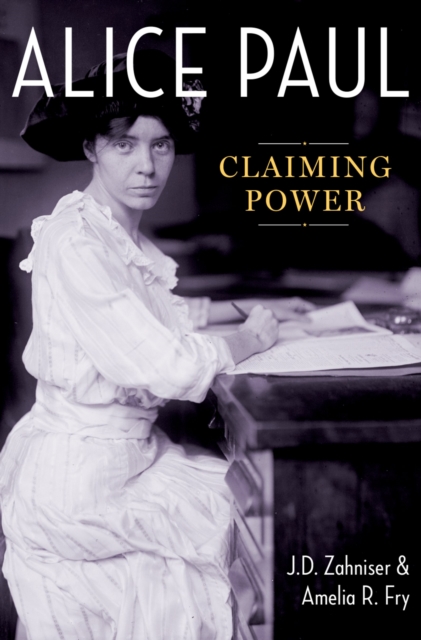
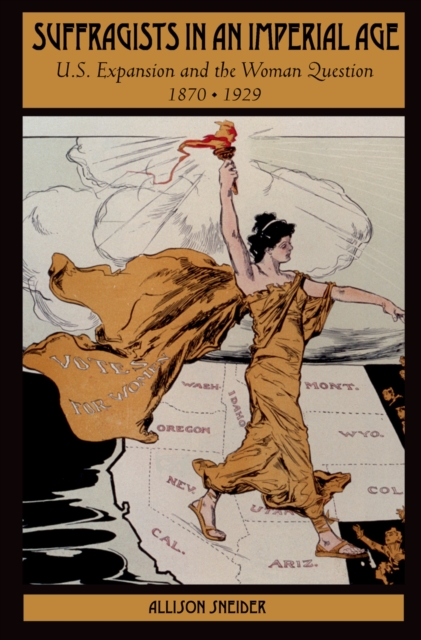
In the rotunda of the nation's Capital a statue pays homage to three famous nineteenth-century American women suffragists: Elizabeth Cady Stanton, Susan B.
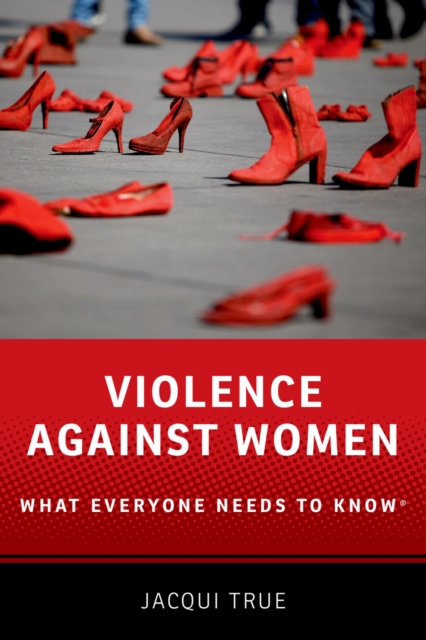
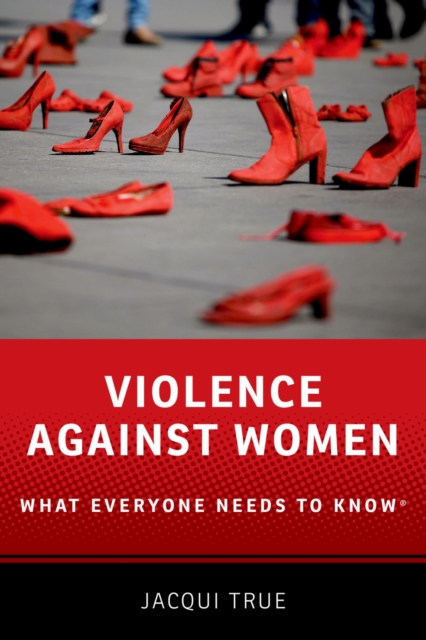
Violence against women and girls (VAWG) is a longstanding problem that has increasingly come to the forefront of international and national policy debates and news: from the US reauthorization of the Violence against Women Act and a United Nations declaration to end sexual violence in war, to coverage of gang rapes in India, cyberstalking and "e;revenge porn"e;, honor killings, female genital mutilation, and international trafficking.
Violence against women and girls (VAWG) is a longstanding problem that has increasingly come to the forefront of international and national policy debates and news: from the US reauthorization of the Violence against Women Act and a United Nations declaration to end sexual violence in war, to coverage of gang rapes in India, cyberstalking and "e;revenge porn"e;, honor killings, female genital mutilation, and international trafficking.
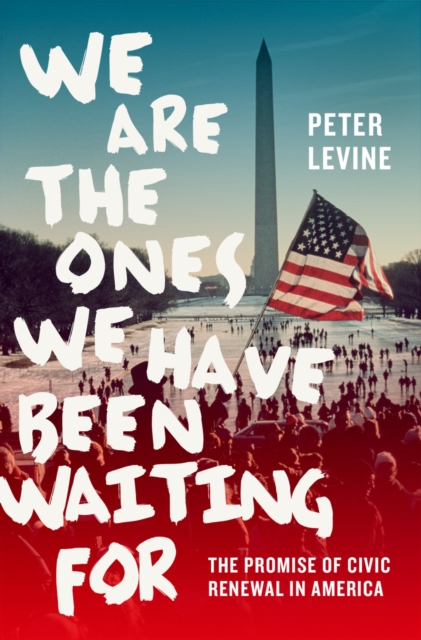
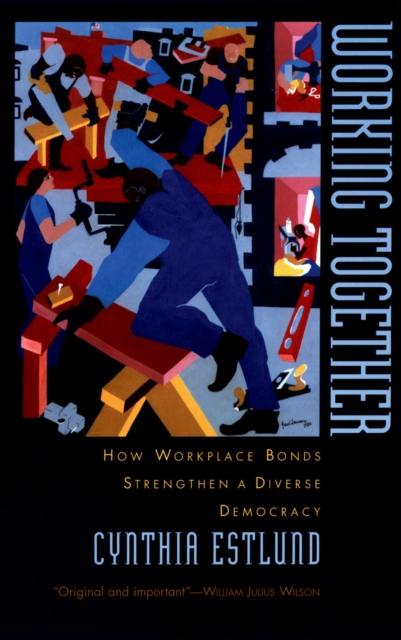
Chronic unemployment, deindustrialized cities, and mass incarceration are among the grievous social problems that will not yield unless American citizens address them.
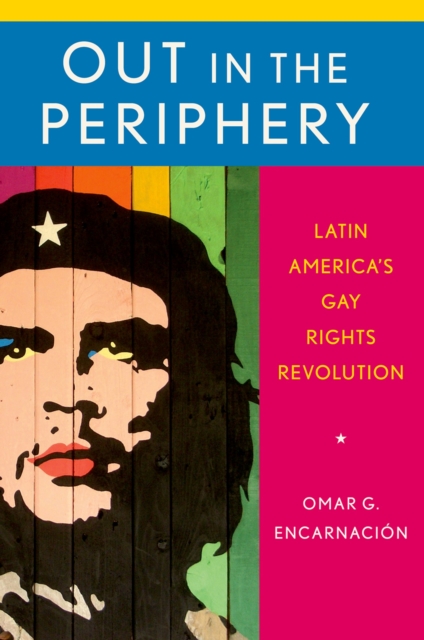
Known around the world as a bastion of Catholicism and machismo, Latin America has emerged in recent years as the undisputed gay rights leader of the Global South.
Causality dominates today's discussions of LGBT rights: anti-gay voices imagine gay proliferation through seduction, influence, and corruption, while queer communities largely embrace biological determinism, saying they are "e;born gay.
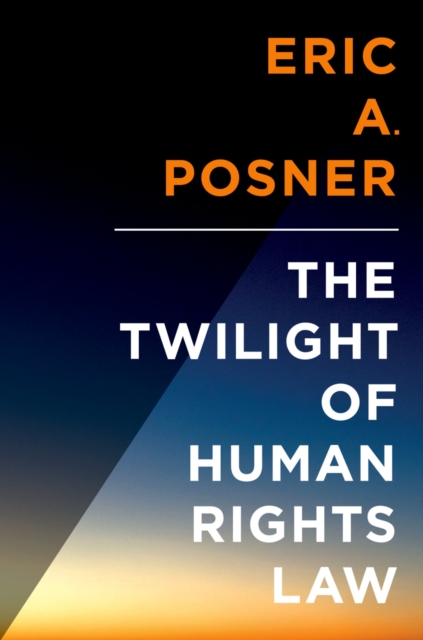
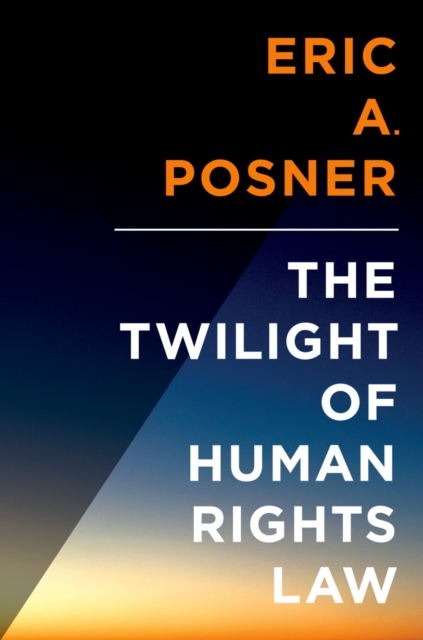
Countries solemnly intone their commitment to human rights, and they ratify endless international treaties and conventions designed to signal that commitment.
Countries solemnly intone their commitment to human rights, and they ratify endless international treaties and conventions designed to signal that commitment.
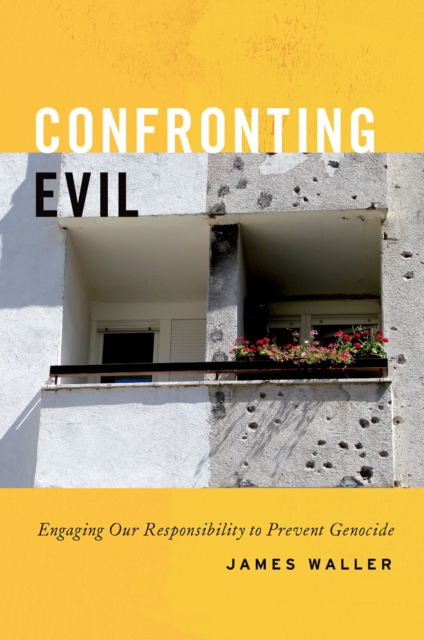
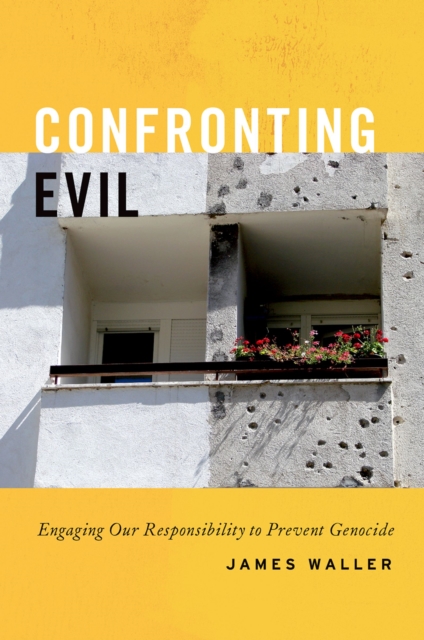
While it is true that genocide prevention is not what tends to land on the front pages of national newspapers today, it is what prevents the worst headlines from ever being made.
While it is true that genocide prevention is not what tends to land on the front pages of national newspapers today, it is what prevents the worst headlines from ever being made.
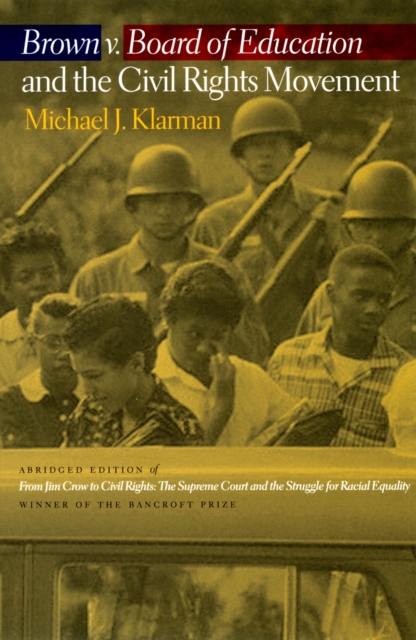
A splendid account of the Supreme Court's rulings on race in the first half of the twentieth century, From Jim Crow To Civil Rights earned rave reviews and won the Bancroft Prize for History in 2005.
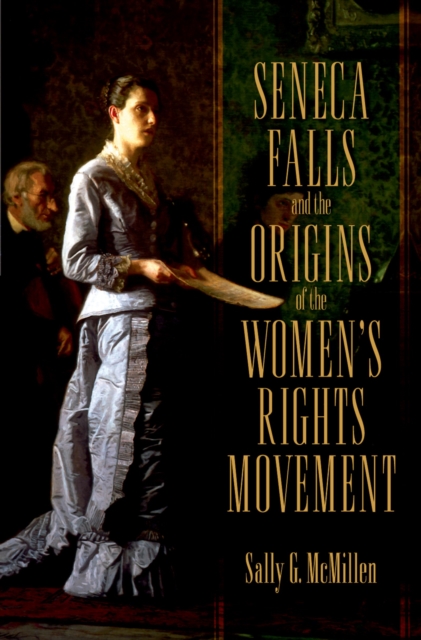
In a quiet town of Seneca Falls, New York, over the course of two days in July, 1848, a small group of women and men, led by Elizabeth Cady Stanton and Lucretia Mott, held a convention that would launch the woman's rights movement and change the course of history.
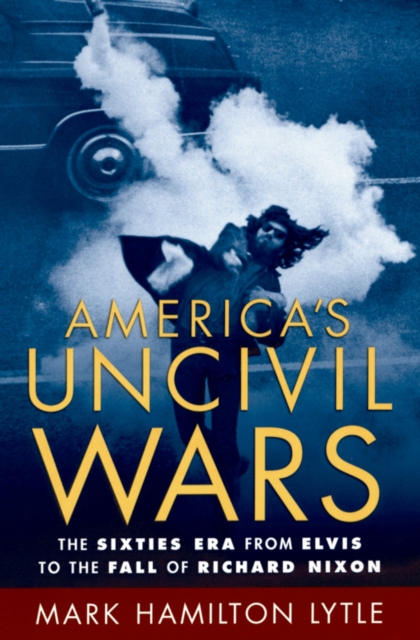
Here is a panoramic history of America from 1954 to 1973, ranging from the buoyant teen-age rebellion first captured by rock and roll, to the drawn-out and dispiriting endgame of Watergate.
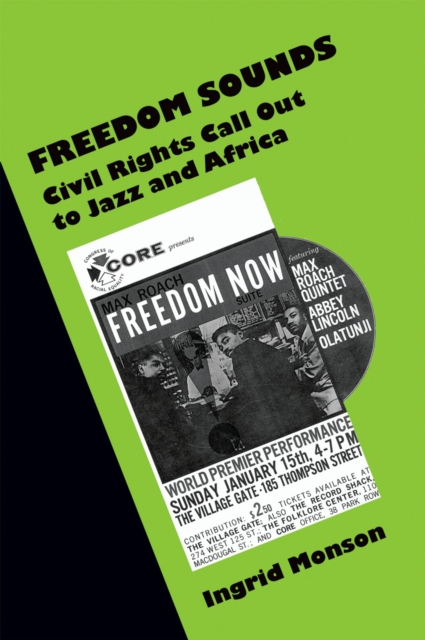
An insightful examination of the impact of the Civil Rights Movement and African Independence on jazz in the 1950s and 60s, Freedom Sounds traces the complex relationships among music, politics, aesthetics, and activism through the lens of the hot button racial and economic issues of the time.
When East European Jews migrated westward in ever larger numbers between 1870 and 1914, both German government officials and the leaders of German Jewry were confronted by a series of new challenges.
The Crucible of Race, a major reinterpretation of black-white relations in the South, was widely acclaimed on publication and compared favorably to two of the seminal books on Southern history: Wilbur J.
In Universal Politics, Ilan Kapoor and Zahi Zalloua argue that, in the face of the relentless advance of global capitalism, a universal politics is needed today more than ever.
In Universal Politics, Ilan Kapoor and Zahi Zalloua argue that, in the face of the relentless advance of global capitalism, a universal politics is needed today more than ever.
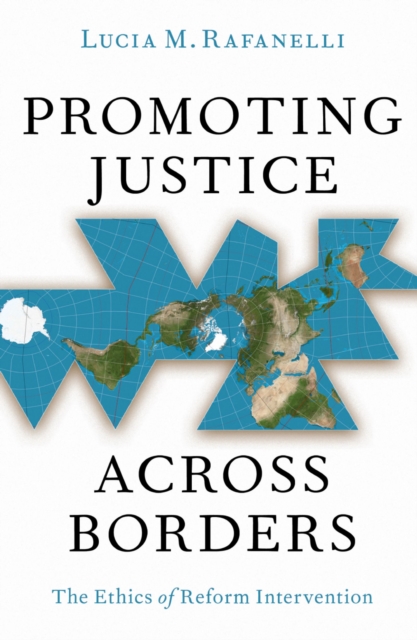
Global political actors, from states and NGOs to activist groups and individuals, exert influence in societies beyond their own in myriad ways--including via public criticism, consumer boycotts, divestment campaigns, sanctions, and forceful intervention.
Global political actors, from states and NGOs to activist groups and individuals, exert influence in societies beyond their own in myriad ways--including via public criticism, consumer boycotts, divestment campaigns, sanctions, and forceful intervention.
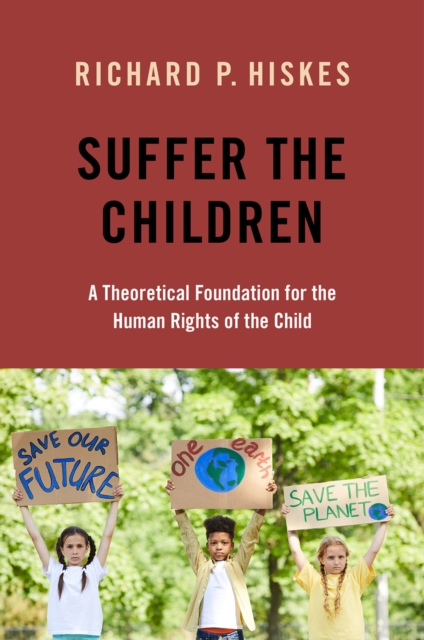
In 1973, Hillary Rodham Clinton famously stated that "e;children's rights"e; is a slogan in search of a definition, used to bolster various arguments for peace and for specific rights, but without any coherent conception of children as political beings.
In 1973, Hillary Rodham Clinton famously stated that "e;children's rights"e; is a slogan in search of a definition, used to bolster various arguments for peace and for specific rights, but without any coherent conception of children as political beings.
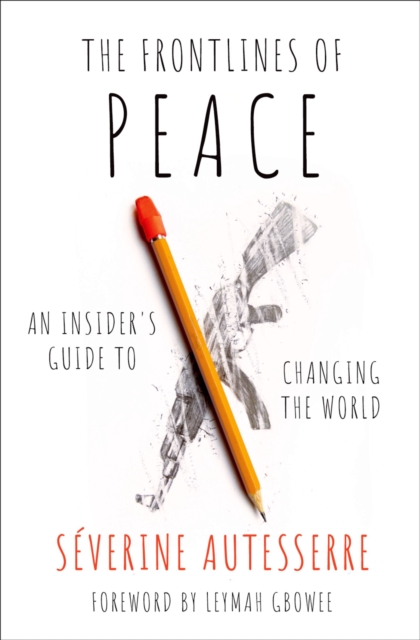
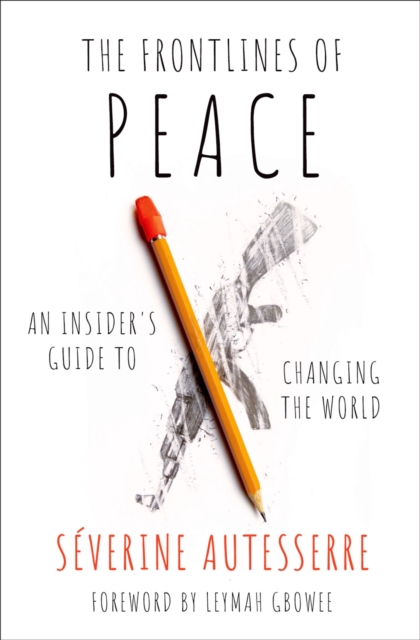
At turns surprising, funny, and gut-wrenching, this is the hopeful story of the ordinary yet extraordinary people who have figured out how to build lasting peace in their communitiesThe word "e;peacebuilding"e; evokes a story we've all heard over and over: violence breaks out, foreign nations are scandalized, peacekeepers and million-dollar donors come rushing in, warring parties sign a peace agreement and, sadly, within months the situation is back to where it started--sometimes worse.
At turns surprising, funny, and gut-wrenching, this is the hopeful story of the ordinary yet extraordinary people who have figured out how to build lasting peace in their communitiesThe word "e;peacebuilding"e; evokes a story we've all heard over and over: violence breaks out, foreign nations are scandalized, peacekeepers and million-dollar donors come rushing in, warring parties sign a peace agreement and, sadly, within months the situation is back to where it started--sometimes worse.
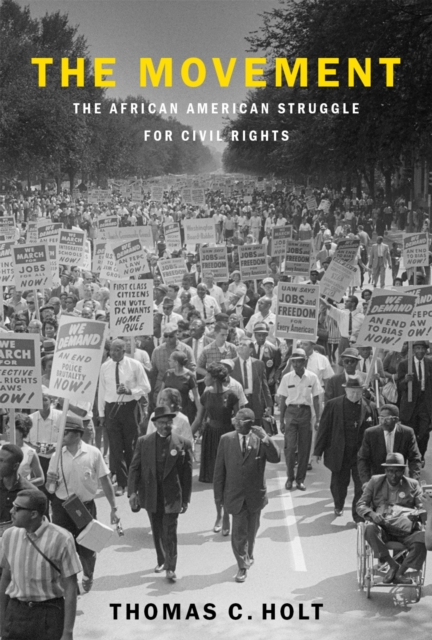
The civil rights movement was among the most important historical developments of the twentieth century and one of the most remarkable mass movements in American history.
The civil rights movement was among the most important historical developments of the twentieth century and one of the most remarkable mass movements in American history.