An eighth-generation Charlestonian with a prestigious address, impeccable social credentials, and years of intimate association with segregationist politicians, U.
Providing an interdisciplinary and global perspective on immigration to the United States, this collection of essays brings together the work of leading scholars in the field--including the work of such distinguished historians, sociologists, and political scientists as Charles Tilly, Philip Curtin, Kirby Miller, Sucheng Chan, Alejandro Portes, Lawrence Fuchs, and Aristide Zolberg--and represents an important step forward in the development of immigration studies.
Many thousands of Irish peasants fled from the country in the terrible famine winter of 1847-48, following the road to the ports and the Liverpool ferries to make the dangerous passage across the Atlantic.
This study of exemplary writings from the debates over the ratification of the 1787 Constitution deals with the American constitutional founders' understandings of citizenship and civic virtue.
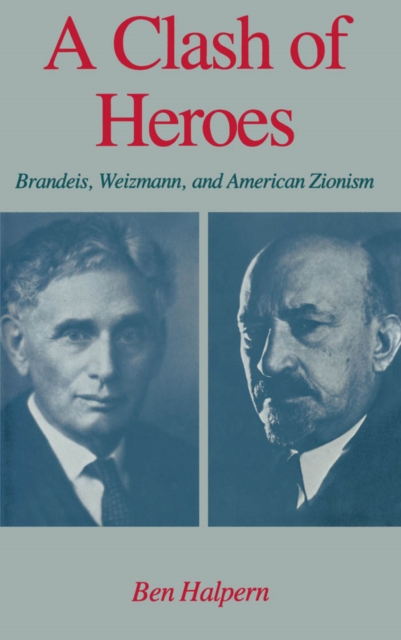
Chaim Weizmann, steeped in the folk culture of the East European shtetl and the humanistic science of Central and Western Europe, was the ambassador of the Jewish people to the English-speaking world.
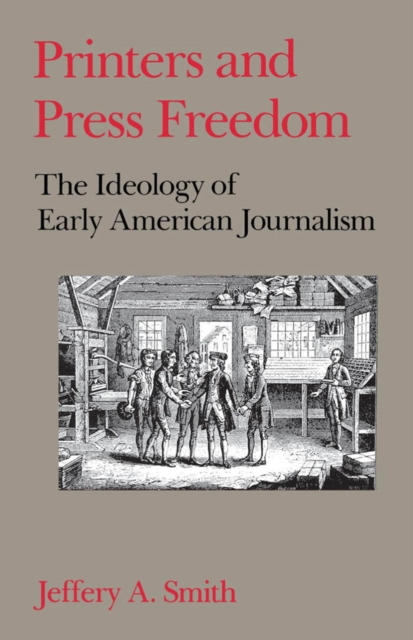
In the United States, the press has sometimes been described as an unoffical fourth branch of government, a branch that serves as a check on the other three and provides the information necessary for a democracy to function.
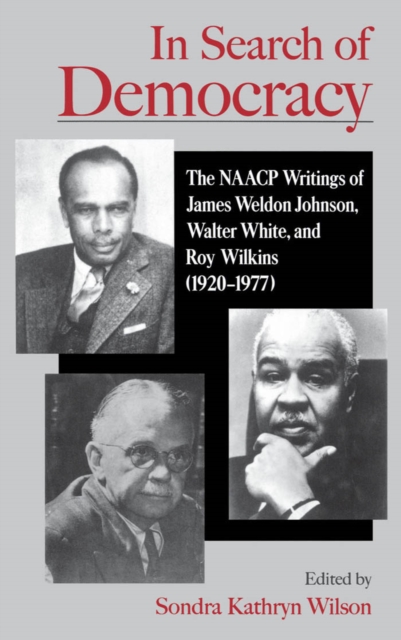
Focusing attention on the political ideas that were influential as well as those that were central to the civil rights movement, this pathbreaking book examines not only written texts but also oral history interviews to establish a rich tradition of freedom that emerged from the movement.
School desegregation and "e;forced"e; busing first brought people to the barricades during the 1960s and 1970s, and the idea continues to spark controversy today whenever it is proposed.
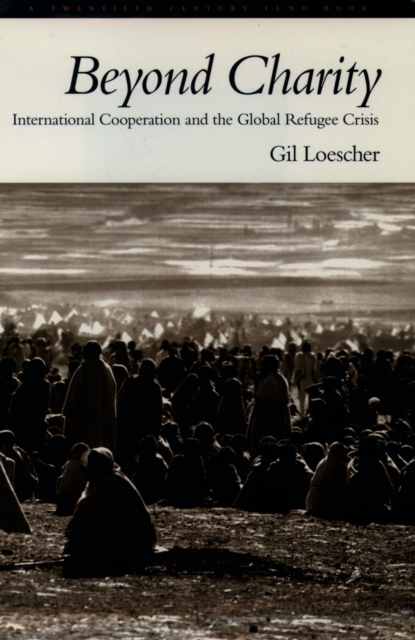
With more than 18 million refugees worldwide, the refugee problem has fostered an intense debate regarding what political changes are necessary in the international system to provide effective solutions in the 1990s and beyond.
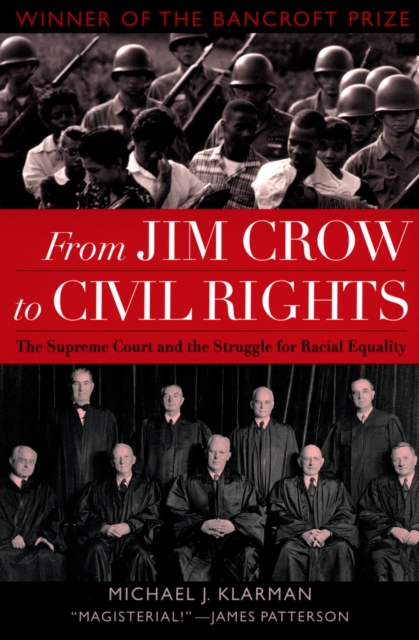
A monumental investigation of the Supreme Court's rulings on race, From Jim Crow To Civil Rights spells out in compelling detail the political and social context within which the Supreme Court Justices operate and the consequences of their decisions for American race relations.
In searching for answers as to why young people differ vastly from their parents and grandparents when it comes to turning out the vote, A New Engagement challenges the conventional wisdom that today's youth is plagued by a severe case of political apathy.
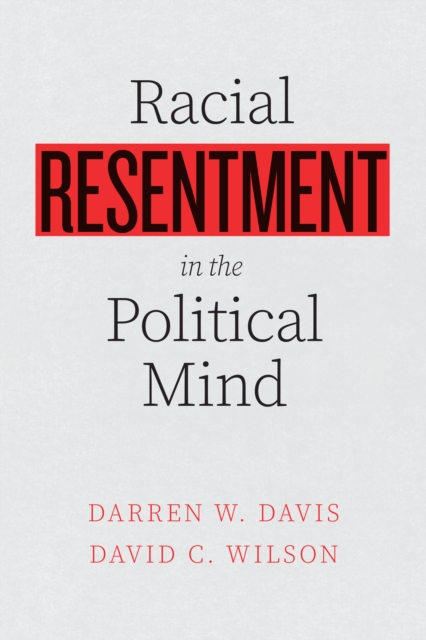
A thought-provoking look at how racial resentment, rather than racial prejudice alone, motivate a growing resistance among whites to improve the circumstances faced by racial minorities.
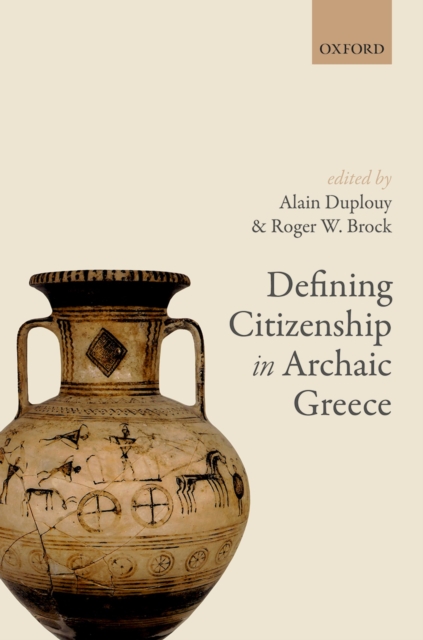
Citizenship is a major feature of contemporary national and international politics, but rather than being a modern phenomenon it is in fact a legacy of ancient Greece.
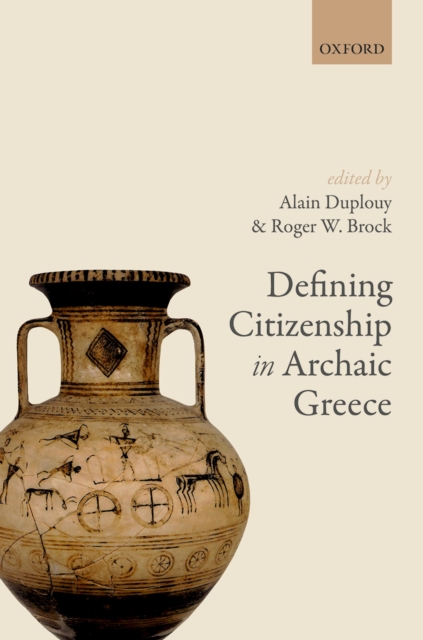
Citizenship is a major feature of contemporary national and international politics, but rather than being a modern phenomenon it is in fact a legacy of ancient Greece.
Now in its third edition, this book is the authoritative text on one of the world's most important human rights treaties, the International Covenant on Civil and Political Rights.
Now in its third edition, this book is the authoritative text on one of the world's most important human rights treaties, the International Covenant on Civil and Political Rights.
The Cultural Defense of Nations presents a timely, thought-provoking thesis on some of the most pressing issues of our time-global immigration, majority groups, and national identity.
The Cultural Defense of Nations presents a timely, thought-provoking thesis on some of the most pressing issues of our time-global immigration, majority groups, and national identity.
The current legal and political context is perhaps more congenial than ever before to considering claims made by minorities for the protection of some aspect of their identity.
This Handbook is provides a broad range of essential information about past experiences with massive reparations programs as well as normative guidance for future practice.
The Multiculturalism of Fear argues for a liberal account of multiculturalism which draws on a liberalism of fear like that articulated by Judith Shklar and inspired by Montesquieu.
Constitutions divide into those that provide for a constitutionally protected set of rights, where courts can strike down legislation, and those where rights are protected predominantly by parliament, where courts can interpret legislation to protect rights, but cannot strike down legislation.
Constitutions divide into those that provide for a constitutionally protected set of rights, where courts can strike down legislation, and those where rights are protected predominantly by parliament, where courts can interpret legislation to protect rights, but cannot strike down legislation.
Minority Accommodation through Territorial and Non-Territorial Autonomy explores the relationship between minority, territory, and autonomy, and how it informs our understanding of non-territorial autonomy (NTA) as a strategy for accommodating ethno-cultural diversity in modern societies.
Minority Accommodation through Territorial and Non-Territorial Autonomy explores the relationship between minority, territory, and autonomy, and how it informs our understanding of non-territorial autonomy (NTA) as a strategy for accommodating ethno-cultural diversity in modern societies.
Non-territorial autonomy (NTA) is a statecraft tool that is increasingly gaining importance in societies seeking to accommodate demands by ethno-cultural groups for a voice in cultural affairs important to the protection and preservation of their identity, such as language, education, and religion.
Non-territorial autonomy (NTA) is a statecraft tool that is increasingly gaining importance in societies seeking to accommodate demands by ethno-cultural groups for a voice in cultural affairs important to the protection and preservation of their identity, such as language, education, and religion.