The American Freedoms Primer is a compilation of the most historically significant speeches and writings on liberty, from the seventeenth century to the present day.
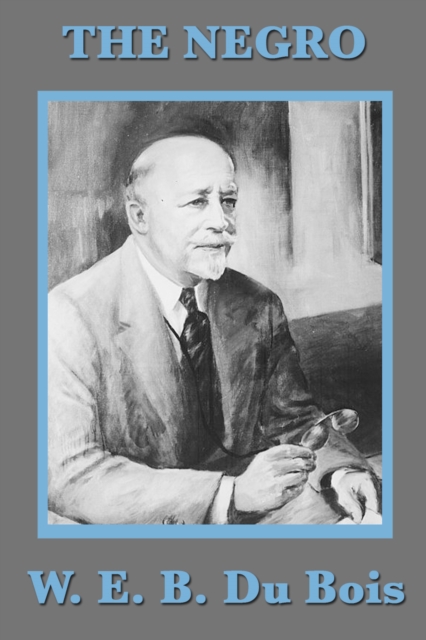
William Edward Burghardt Du Bois was an African American civil rights activist, leader, Pan-Africanist, sociologist, educator, historian, writer, editor, poet, and scholar.
Here are six historic essays on the state of race relations during the Reconstruction and early twentieth century, written from the African American point of view.
The theoretical knowledge of right and law in principle, as distinguished from positive laws and empirical cases, belongs to the pure science of right The science of right thus designates the philosophical and systematic knowledge of the principles of natural right.
William Edward Burghardt Du Bois was a black civil rights activist, leader, Pan-Africanist, sociologist, educator, historian, writer, editor, poet, and scholar.
Thomas Paine is most famous for writing Common Sense, a pamphlet distributed during the American Revolution advocating for colonial Americas independence from Great Britain.
No matter who you identify withDemocrat or Republican, Tea Party or Green Party, Independent or something else altogether we the people should read: The Constitution of the United States of America The Bill of Rights and all of the Amendments The Declaration of Independence The Articles of ConfederationTake a moment or two to reflect on the words of our forefathers, as these are the documents literally created America.
So much of the debate about the Second Amendment is in scholarly journals and academic papers written by scholars and judges, or directed towards other scholars, law professors, attorneys, and judges.
How progressive doctors, medical institutions, and state forces in Turkey use forensic methods to detect, erase, and reveal evidence of state violenceForensic Fantasies explores the role of medical documentation and evidence in uncovering human rights violations.
At the end of Liberia's thirteen-year civil war, the devastated population struggled to rebuild their country and come to terms with their experiences of violence.
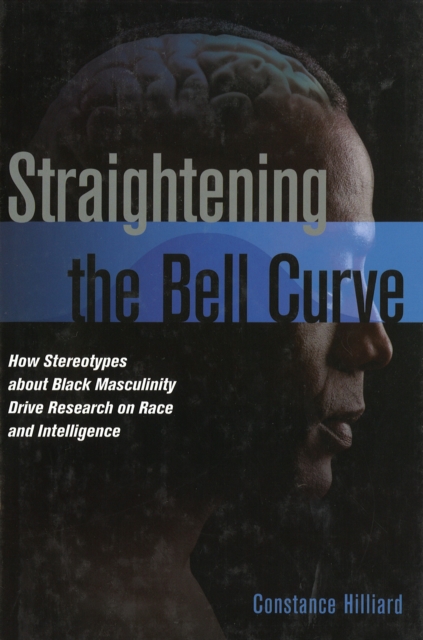
Straightening the Bell Curve offers a new way of looking at the distressingly persistent subject of intelligence research as it relates to race and gender.
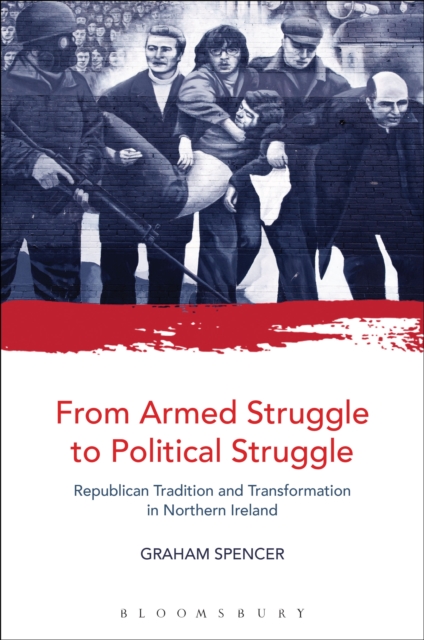
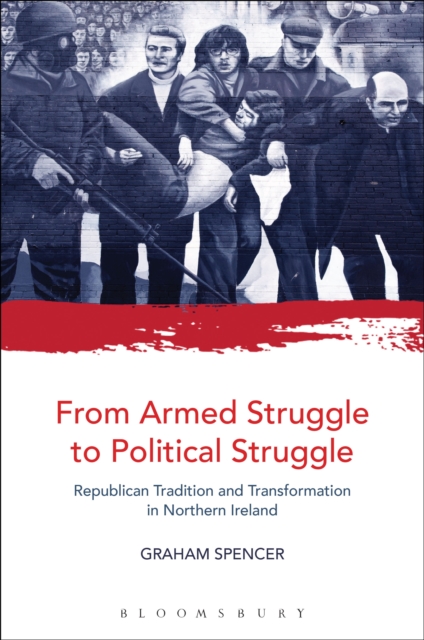
This is the first book to comprehensively examine the shifts that have informed republican tradition and transformation from the beginning of the "e;Troubles"e; in Northern Ireland until the final stages of the peace process.
This is the first book to comprehensively examine the shifts that have informed republican tradition and transformation from the beginning of the "e;Troubles"e; in Northern Ireland until the final stages of the peace process.
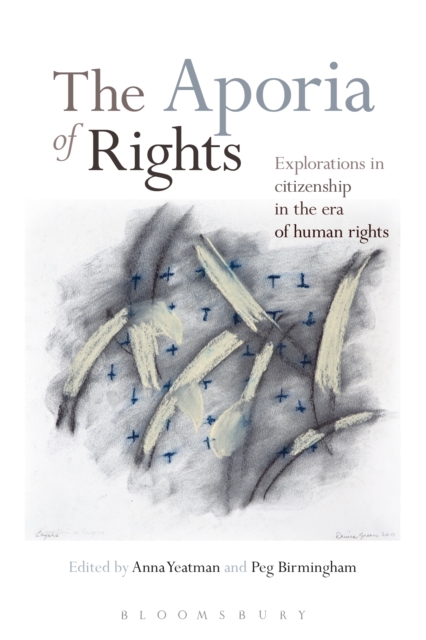
The Aporia of Rights is an exploration of the perplexities of human rights, and their inevitable and important intersection with the idea of citizenship.
The Aporia of Rights is an exploration of the perplexities of human rights, and their inevitable and important intersection with the idea of citizenship.
The #1 New York Times bestselling author, Harvard Law School professor, and tireless defender of civil liberties unearths a little-known letter by his hero, Thomas Jefferson, and shares its secrets.
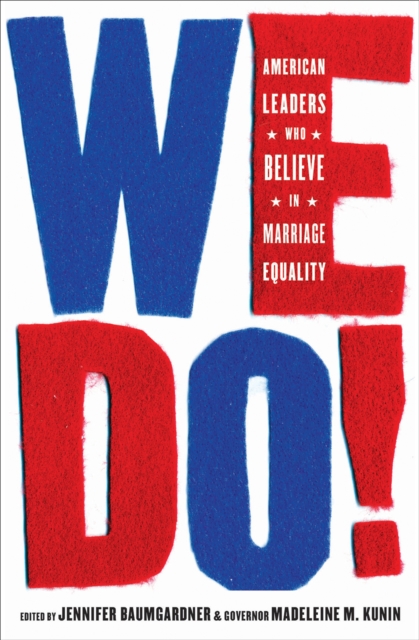
"e;The encouraging story of American acceptance of gay marriage and the roles that politicians-gay and straight-have played in that history"e; (The Philadelphia Tribune).
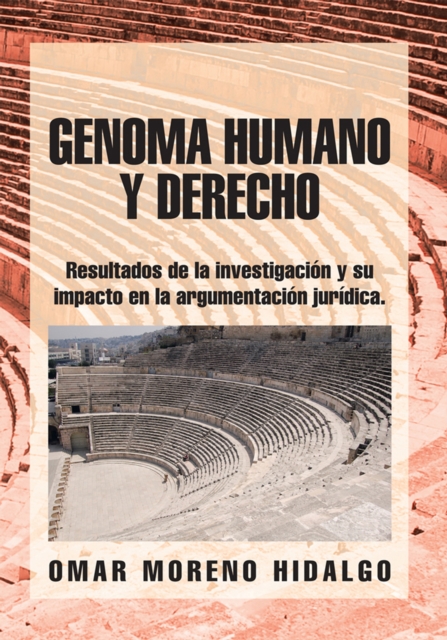
La presente obra pretende mostrar cmo la revolucin biolgica tuvo su impacto en el rea del derecho, en diversas formas, tanto en el derecho penal como en el civil, en los seguros, etc.
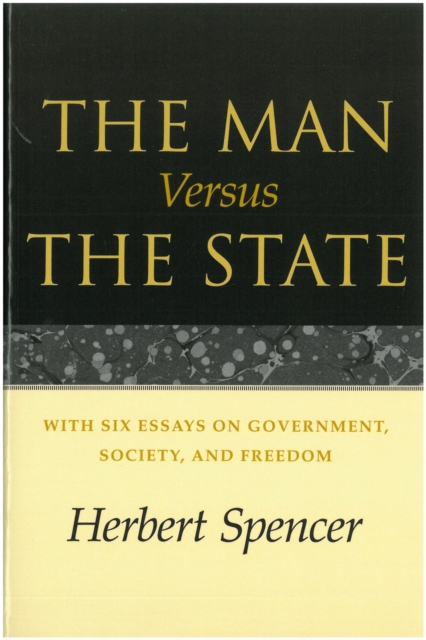
Spencer develops various specific disastrous ramifications of the wholesale substitution of the principle of compulsory cooperation-the statist principle-for the individualist principle of voluntary cooperation.
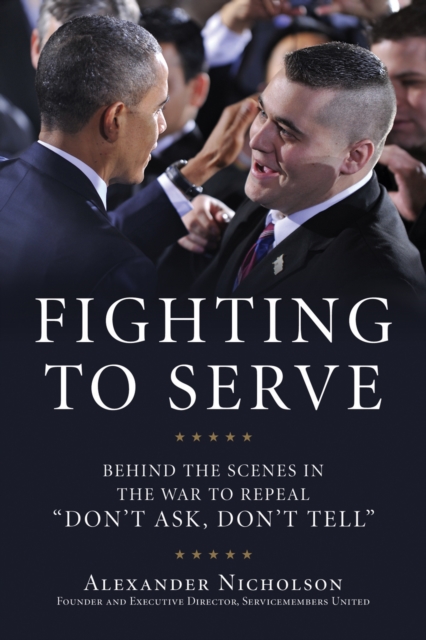
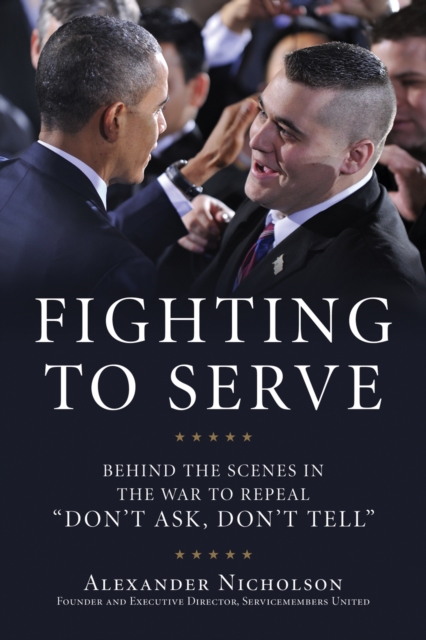
Revealing the backstage dealings that led to the 2010 repeal of the Pentagon's "e;Don't Ask, Don't Tell"e; (DADT) policy, Fighting to Serve offers a detailed, no-holds-barred account of the negotiations from an insider's perspective.
Discharged in 2002 from the US Army under the provisions of "e;Don't Ask, Don't Tell,"e; Alexander Nicholson was shocked to learn there was no group advocating DADT's repeal that was reaching out to active military or veterans organizations.
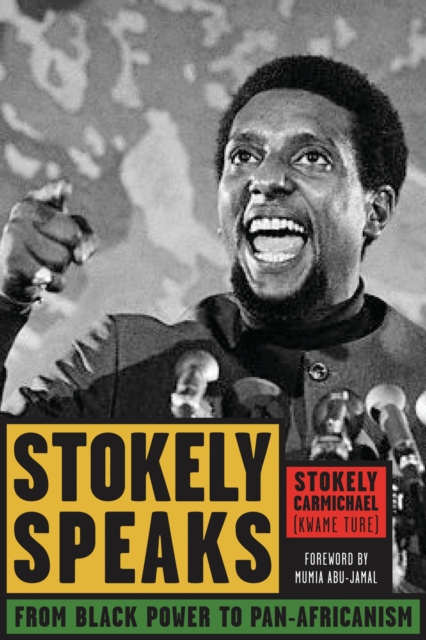
In the speeches and articles collected in this book, the black activist, organizer, and freedom fighter Stokely Carmichael traces the dramatic changes in his own consciousness and that of black Americans that took place during the evolving movements of Civil Rights, Black Power, and Pan-Africanism.
Curating Human Rights conceptualizes the human rights museum as a dynamic cultural-political genre that interacts with multiple social activist, state and corporate stakeholders.