Almost irrespective of the geographic setting, the debate about the future of democracy in post-authoritarian societies is increasingly tied to the strength of civil society.
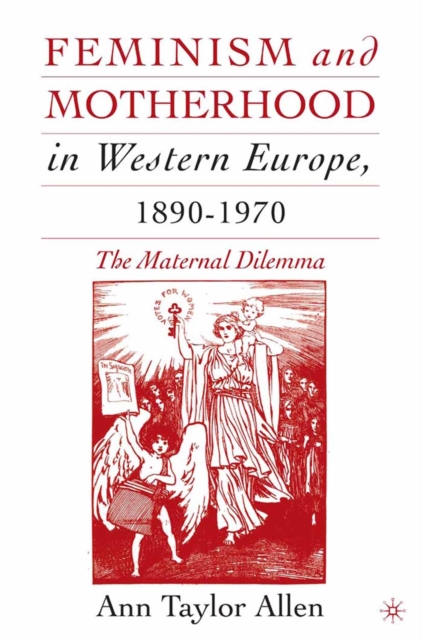
According to Allen, motherhood and citizenship are terms that are closely linked and have been redefined over the past century due to changes in women's status, feminist movements, and political developments.
Combining theoretical analyzes with case studies, this book increases understanding of the internationalization, diffusion and escalation of ethnic conflict.
In light of the ongoing war against terrorism, can the United States maintain its dedication to protecting civil liberties without compromising security?
Shamanism, Racism and Hip Hop Culture is a groundbreaking collection of essays exploring the five hundred year history of white Christian hegemony that has so profoundly shaped American society.
In Rwanda's Genocide , Kingsley Moghalu provides an engrossing account and analysis of the international political brinkmanship embedded in the quest for international justice for Rwanda's genocide.
Global challenges, opportunities, and developing new social phenomena have always had an impact on and change the circumstances under which social work is practised.
This book examines the emergence of nationalism in Lithuania, specifically the Lithuanian national movement, known as Sajudis, and its approach towards the citizenship rights of national minorities.
Rethinking Human Rights brings together a team of authors from fields as diverse as political theory, peace studies, international law and media studies - concerned with a new international agenda of human rights promotion.
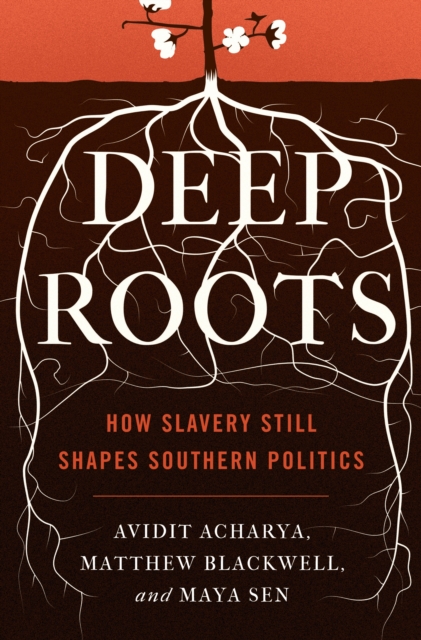
The lasting effects of slavery on contemporary political attitudes in the American SouthDespite dramatic social transformations in the United States during the last 150 years, the South has remained staunchly conservative.
A history of the successes of the human rights movement and a case for why human rights workEvidence for Hope makes the case that, yes, human rights work.
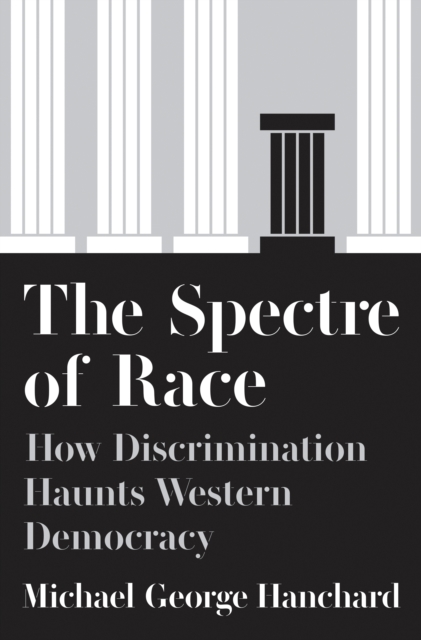
How racism and discrimination have been central to democracies from the classical period to todayAs right-wing nationalism and authoritarian populism gain momentum across the world, liberals, and even some conservatives, worry that democratic principles are under threat.
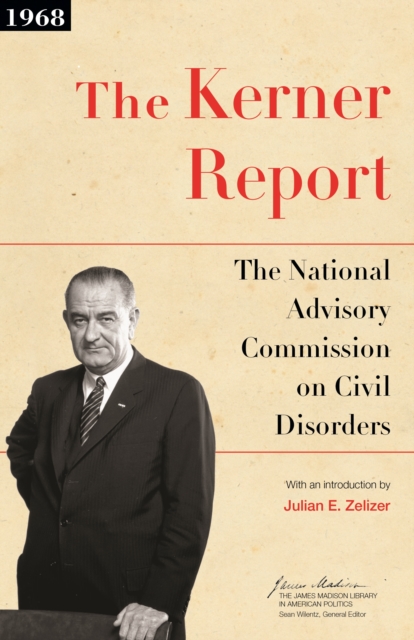
A landmark study of racism, inequality, and police violence that continues to hold important lessons todayThe Kerner Report is a powerful window into the roots of racism and inequality in the United States.
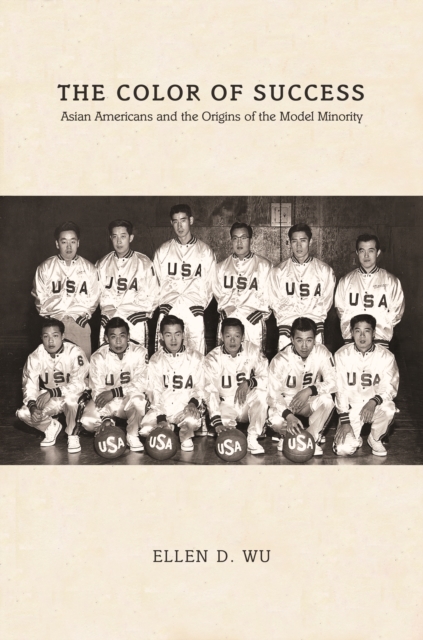
The Color of Success tells of the astonishing transformation of Asians in the United States from the "e;yellow peril"e; to "e;model minorities"e;--peoples distinct from the white majority but lauded as well-assimilated, upwardly mobile, and exemplars of traditional family values--in the middle decades of the twentieth century.
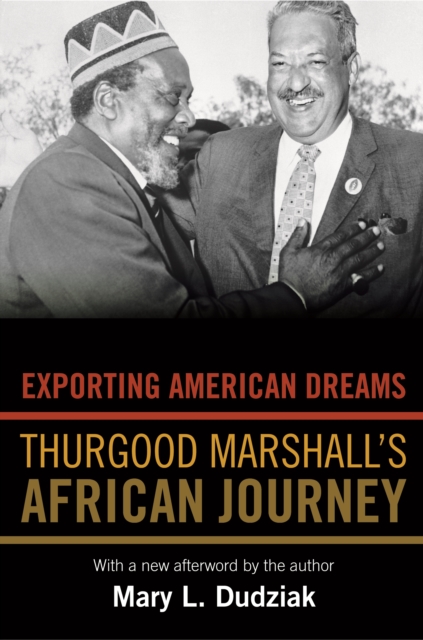
Mary Dudziak's Exporting American Dreams tells the little-known story of Thurgood Marshall's work with Kenyan leaders as they fought with the British for independence in the early 1960s.
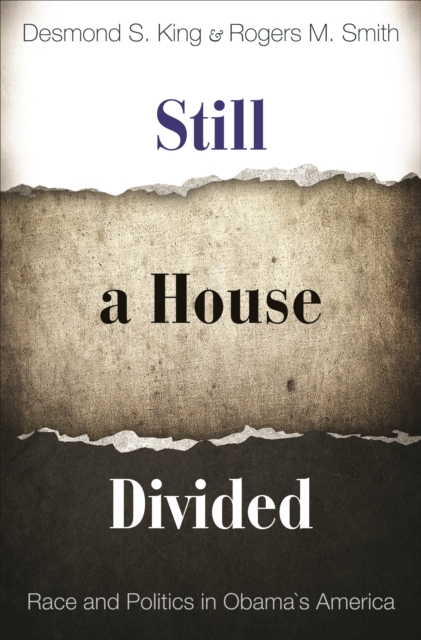
Why race remains the central political issue in America todayWhy have American policies failed to reduce the racial inequalities still pervasive throughout the nation?
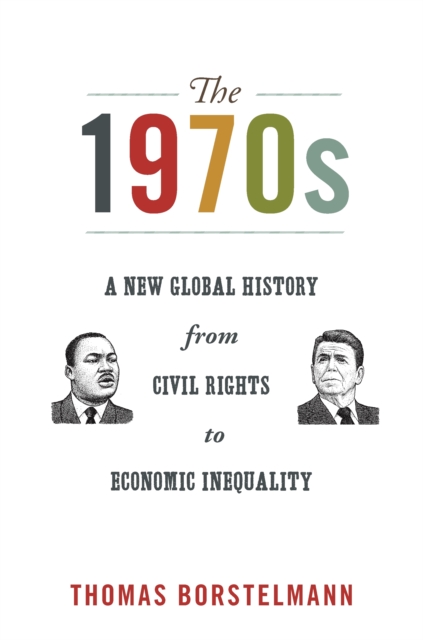
A compelling framework for understanding the importance of the 1970s for America and the worldThe 1970s looks at an iconic decade when the cultural left and economic right came to the fore in American society and the world at large.
The 1990s saw global flows of foreign direct investment increase some sevenfold, spurring economists to explore FDI from a micro- or trade-based perspective.
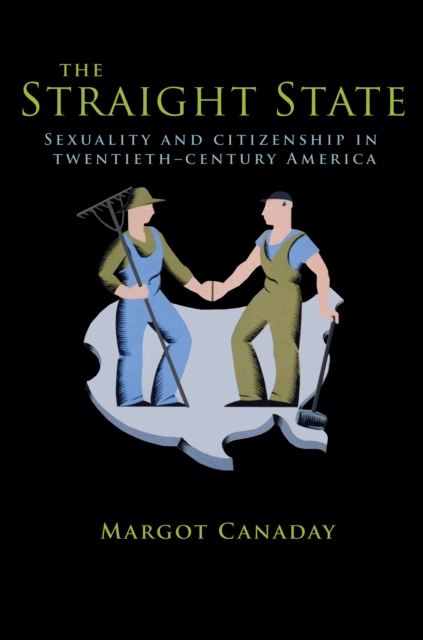
How the government enforced sex and gender conformity and relegated gays to second-class citizenshipThe Straight State is the most expansive study of the federal regulation of homosexuality yet written.
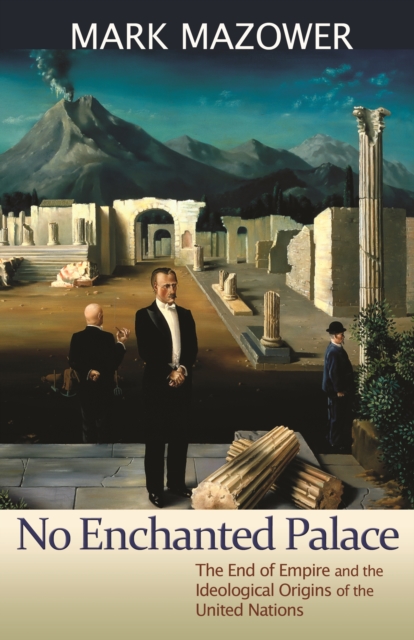
A groundbreaking interpretation of the intellectual origins of the United NationsNo Enchanted Palace traces the origins and early development of the United Nations, one of the most influential yet perhaps least understood organizations active in the world today.
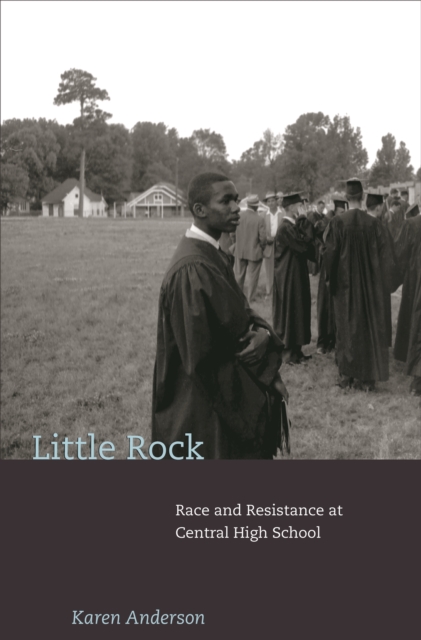
A political history of the most famous desegregation crisis in AmericaThe desegregation crisis in Little Rock is a landmark of American history: on September 4, 1957, after the Supreme Court struck down racial segregation in public schools, Arkansas Governor Orval Faubus called up the National Guard to surround Little Rock Central High School, preventing black students from going in.
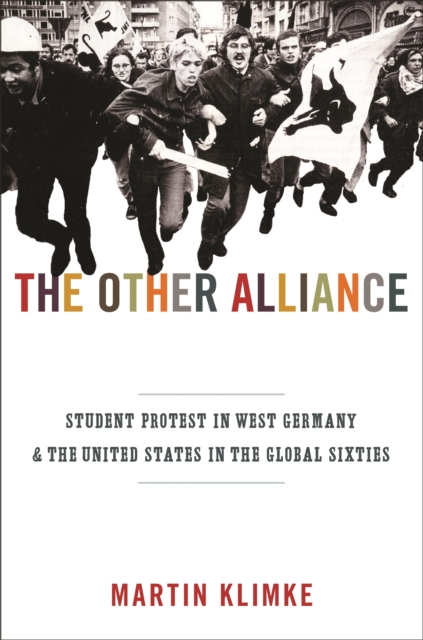
Using previously classified documents and original interviews, The Other Alliance examines the channels of cooperation between American and West German student movements throughout the 1960s and early 1970s, and the reactions these relationships provoked from the U.
When the Supreme Court in 2003 struck down a Texas law prohibiting homosexual sodomy, it cited the right to privacy based on the guarantee of "e;substantive due process"e; embodied by the Constitution.