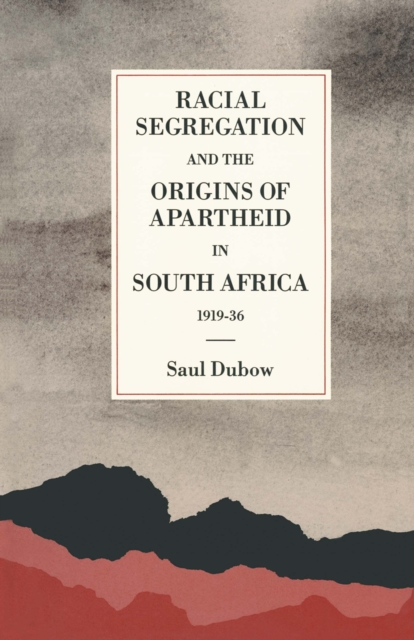
Based on extensive archival research in South Africa and drawing on the most recent scholarship, this book is an original and lucid exposition of the ideological, political and administrative origins of Apartheid.
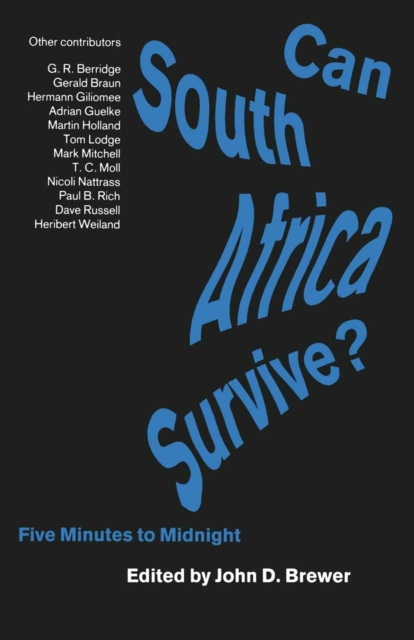
A collection of essays on the contemporary crisis and change in South Africa which considers the international political position, Afrikaner politics, South African economics, internal Black politics, The United Democratic Front, Black trade unions and constitutional change.
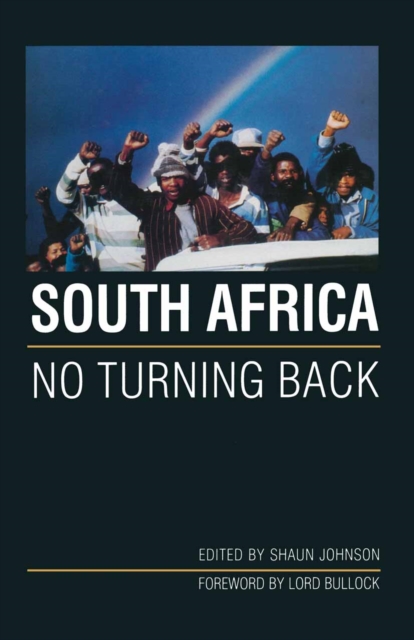
This varied and authoritative study of contemporary South Africa focuses thematically on the major political contestants, interest- groups and power-brokers in that country.
A discussion of the nature of a discrimination directed both against women as individuals and as members of a group, examining the relevance of criteria which are used to justify such discrimination.
New Right, New Racism is a comparative analysis of the role of racialized symbols in the right turn of US and British politics in the late 1970s through to today.
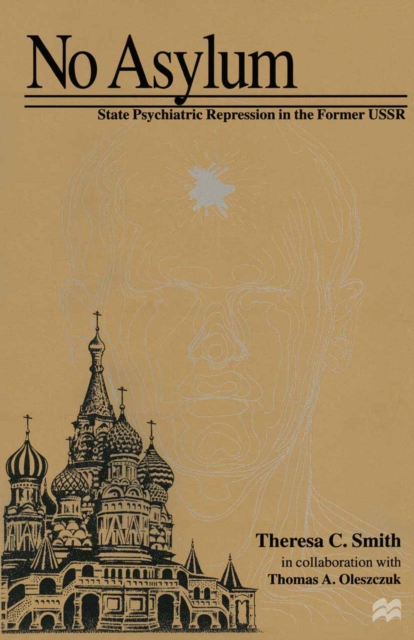
No Asylum is a quantitative assessment of the incidence of state repression via the peculiar institution of forced psychiatric hospitalization of evidently healthy Soviet dissidents.
Researching the problems of human rights implementation in Western and Eastern Europe, this book uses Northern Ireland, the Republic of Ireland, Yugoslavia, and Hungary, as case studies.
Recording the views of dissidents on the nature of their own activities, this book contains over 20 short essays by a number of leading people from Charter 77.
This is an exploration of the moral and pragmatic dilemmas involved in the relationships between states in an era of change, derived from a workshop held by the Centre for International Policy Studies.
Sociology and Human Rights: New Engagements is the first collection to focus on the contribution sociological approaches can make to analysis of human rights.
Sociology and Human Rights: New Engagements is the first collection to focus on the contribution sociological approaches can make to analysis of human rights.
In addressing democracy, equality, and justice together, the book stimulates discussions that go beyond the sometimes increasingly technical and increasingly discrete literatures that now dominate the study of each concept.
In addressing democracy, equality, and justice together, the book stimulates discussions that go beyond the sometimes increasingly technical and increasingly discrete literatures that now dominate the study of each concept.
There is much speculation about whether democracy is still advancing around the world and the influence that leading authoritarian or semi-authoritarian regimes such as Russia are starting to have on the trends.
There is much speculation about whether democracy is still advancing around the world and the influence that leading authoritarian or semi-authoritarian regimes such as Russia are starting to have on the trends.
At a time of global uncertainties and erosion of liberties, how will cultural studies clear a space for a parallel intellectual and political engagement with human rights practice?
At a time of global uncertainties and erosion of liberties, how will cultural studies clear a space for a parallel intellectual and political engagement with human rights practice?