According to the World Evangelical Alliance, over 200 million Christians in at least 60 countries are denied fundamental human rights solely because of their faith.
This long-awaited book is the most detailed and up-to-date account of the complex history of Pueblo Indian land in New Mexico, beginning in the late seventeenth century and continuing to the present day.
Shining and Other Paths offers the first systematic account of the social experiences at the heart of the war waged between Shining Path and the Peruvian military during the 1980s and early 1990s.
In The Security Archipelago, Paul Amar provides an alternative historical and theoretical framing of the refashioning of free-market states and the rise of humanitarian security regimes in the Global South by examining the pivotal, trendsetting cases of Brazil and Egypt.
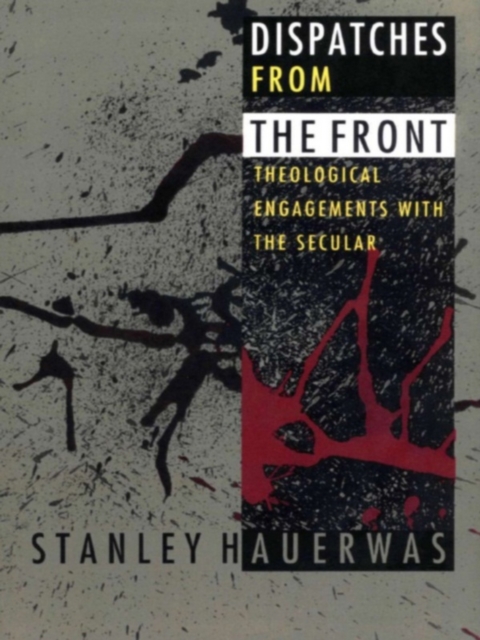
God knows it is hard to make God boring, Stanley Hauerwas writes, but American Christians, aided and abetted by theologians, have accomplished that feat.
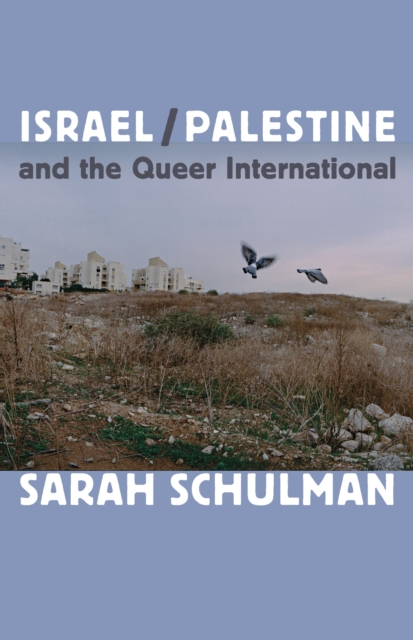
In this chronicle of political awakening and queer solidarity, the activist and novelist Sarah Schulman describes her dawning consciousness of the Palestinian liberation struggle.
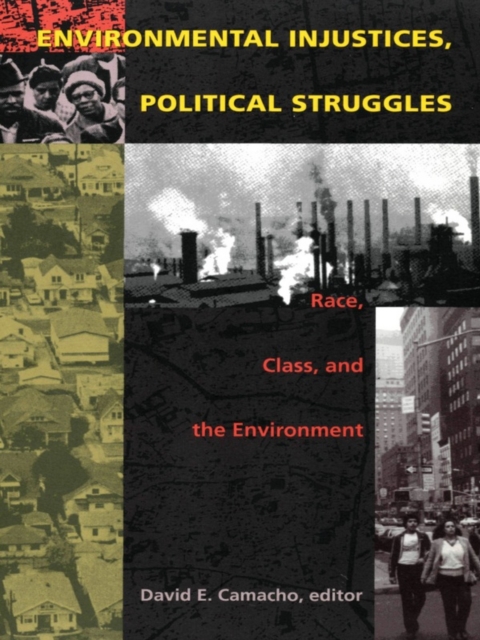
In the United States, few issues are more socially divisive than the location of hazardous waste facilities and other environmentally harmful enterprises.
Gloria Anzaldua's narrative and theoretical innovations, particularly her concept of mestiza consciousness, have influenced critical thinking about colonialism, gender, history, language, religion, sexuality, spirituality, and subjectivity.
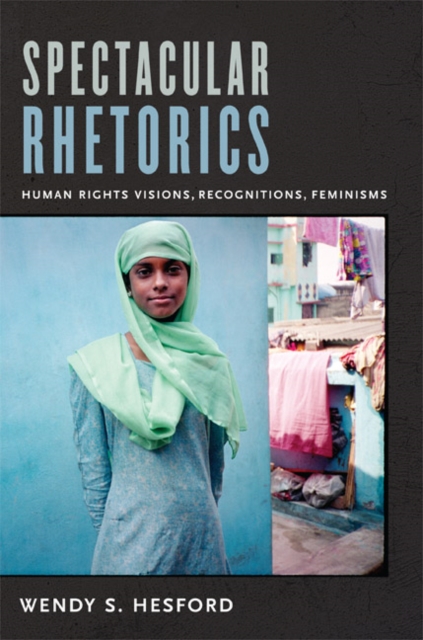
Spectacular Rhetorics is a rigorous analysis of the rhetorical frameworks and narratives that underlie human rights law, shape the process of cultural and legal recognition, and delimit public responses to violence and injustice.
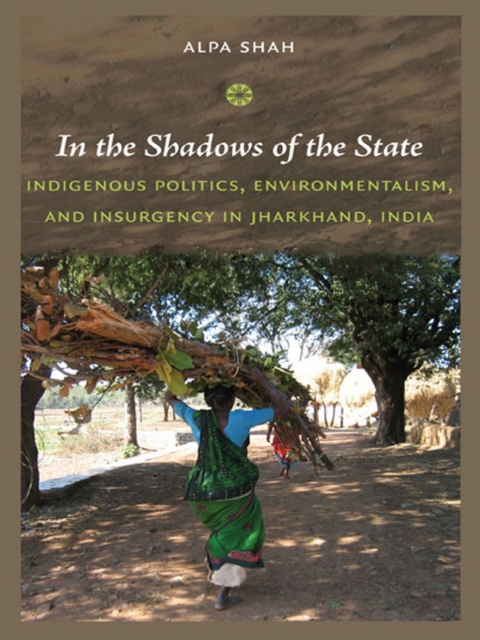
In the Shadows of the State suggests that well-meaning indigenous rights and development claims and interventions may misrepresent and hurt the very people they intend to help.
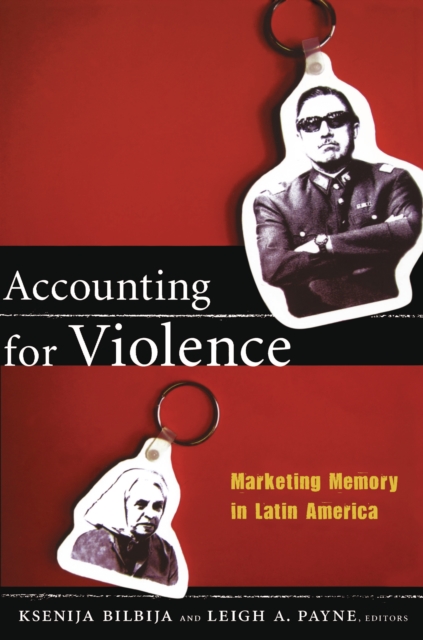
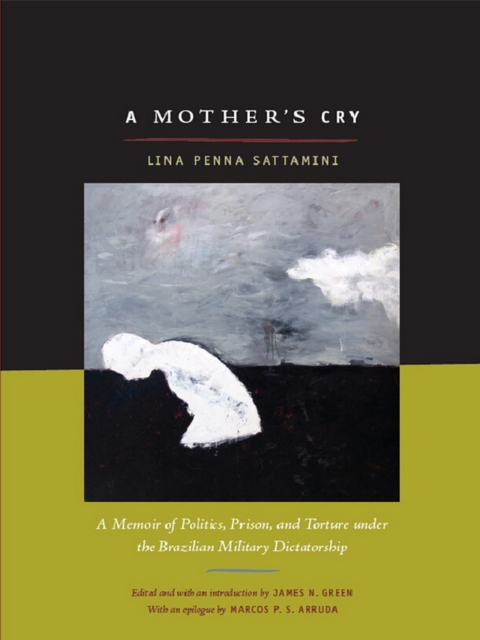
During the late 1960s and early 1970s, Brazil's dictatorship arrested, tortured, and interrogated many people it suspected of subversion; hundreds of those arrested were killed in prison.
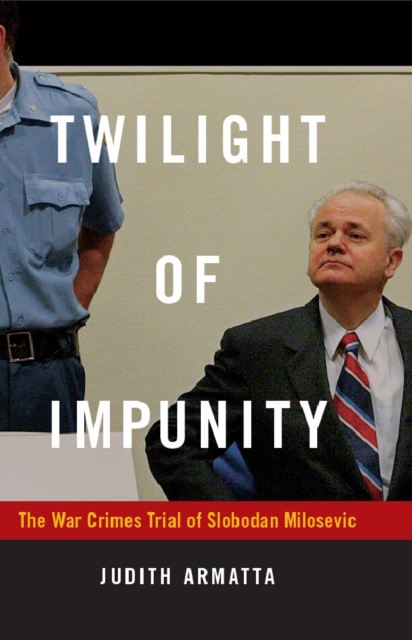
An eyewitness account of the first major international war-crimes tribunal since the Nuremberg trials, Twilight of Impunity is a gripping guide to the prosecution of Slobodan Milosevic for war crimes, crimes against humanity, and genocide.
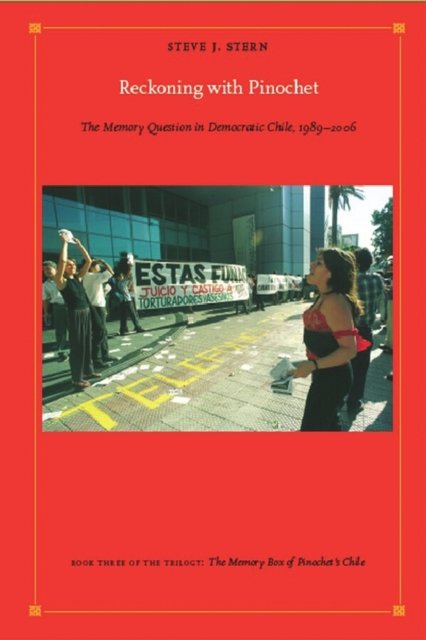
Reckoning with Pinochet is the first comprehensive account of how Chile came to terms with General Augusto Pinochet's legacy of human rights atrocities.
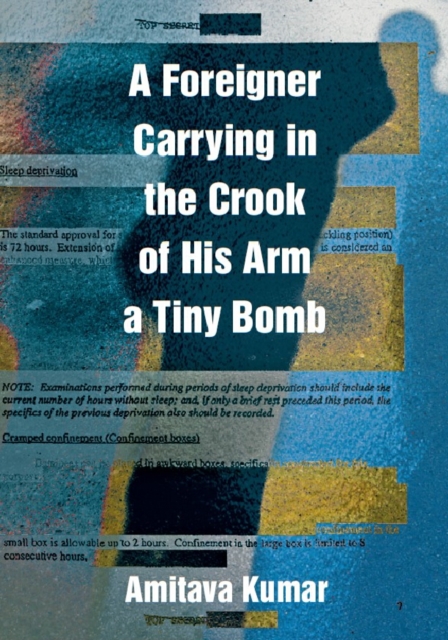
Part reportage and part protest, A Foreigner Carrying in the Crook of His Arm a Tiny Bomb is an inquiry into the cultural logic and global repercussions of the war on terror.
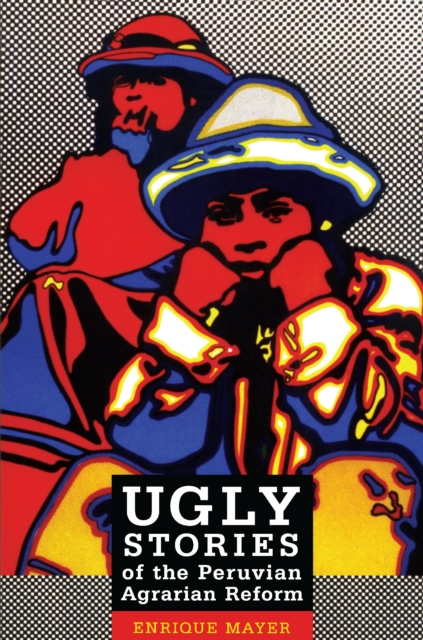
Ugly Stories of the Peruvian Agrarian Reform reveals the human drama behind the radical agrarian reform that unfolded in Peru during the final three decades of the twentieth century.
Creating Ourselves is a unique effort to lay the cultural and theological groundwork for cross-cultural collaboration between the African and Latino/a American communities.
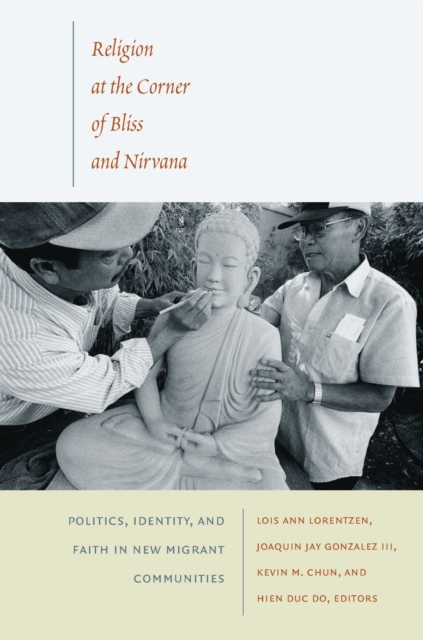
Based on ethnographic research by an interdisciplinary team of scholars and activists, Religion at the Corner of Bliss and Nirvana illuminates the role that religion plays in the civic and political experiences of new migrants in the United States.
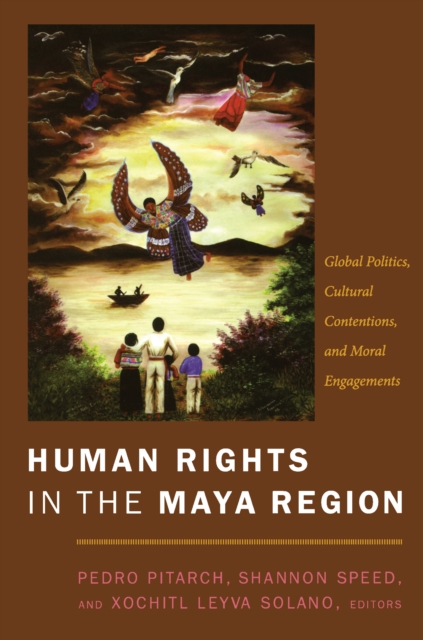
In recent years Latin American indigenous groups have regularly deployed the discourse of human rights to legitimate their positions and pursue their goals.
Since 2000, black squatters have forcibly occupied white farms across Zimbabwe, reigniting questions of racialized dispossession, land rights, and legacies of liberation.
The essays in Theology and the Political-written by some of the world's foremost theologians, philosophers, and literary critics-analyze the ethics and consequences of human action.
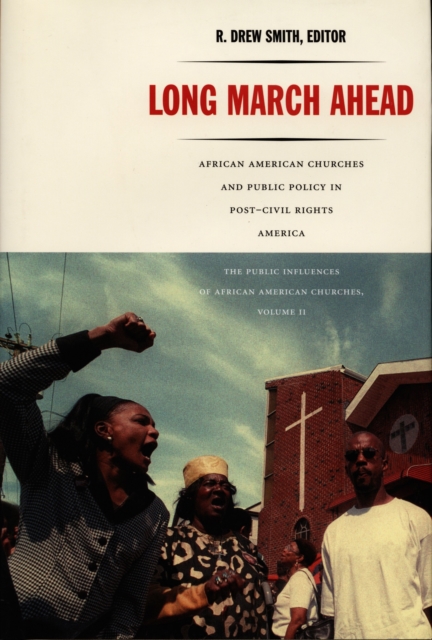
Analyzing the extensive data gathered by the Public Influences of African American Churches project, which surveyed nearly two thousand churches across the country, Long March Ahead assesses the public policy activism of black churches since the civil rights movement.
The Treatment is the story of one tragedy of medical research that stretched over eleven years and affected the lives of hundreds of people in an Ohio city.
Burdened with a heritage of both Spanish and British colonization and imperialism, Guyana is today caught between its colonial past, its efforts to achieve the consciousness of nationhood, and the need of its diverse subgroups to maintain their own identity.
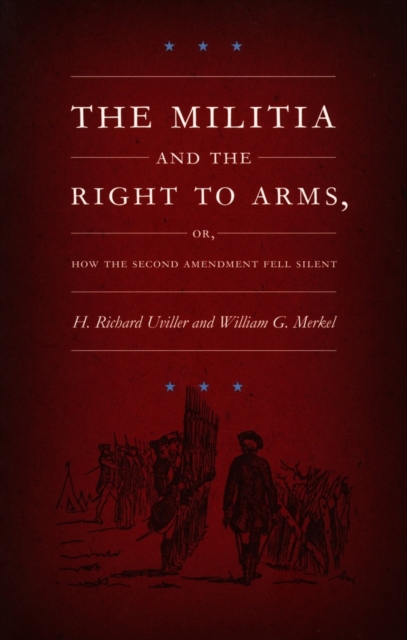
Modern ideas about the protection of free speech in the United States did not originate in twentieth-century Supreme Court cases, as many have thought.
In Cruel Modernity, Jean Franco examines the conditions under which extreme cruelty became the instrument of armies, governments, rebels, and rogue groups in Latin America.
The Fierce Urgency of Now links musical improvisation to struggles for social change, focusing on the connections between the improvisation associated with jazz and the dynamics of human rights struggles and discourses.
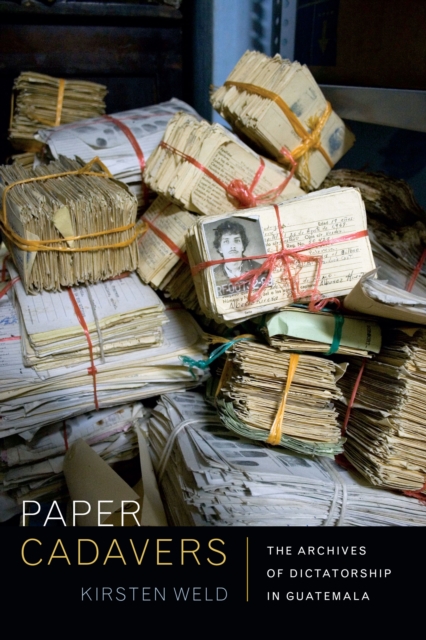
In Paper Cadavers, an inside account of the astonishing discovery and rescue of Guatemala's secret police archives, Kirsten Weld probes the politics of memory, the wages of the Cold War, and the stakes of historical knowledge production.
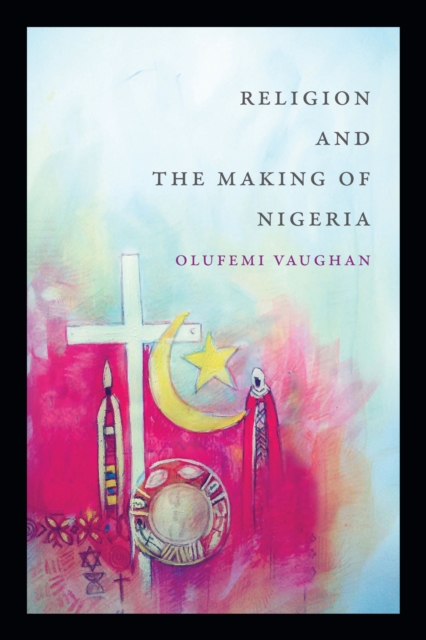
In Religion and the Making of Nigeria, Olufemi Vaughan examines how Christian, Muslim, and indigenous religious structures have provided the essential social and ideological frameworks for the construction of contemporary Nigeria.