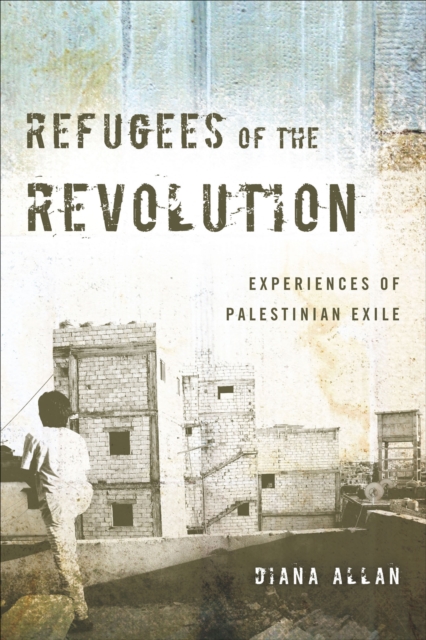
This "e;carefully crafted ethnography"e; of a Palestinian refugee camp in Beirut reframes the relationship between home and homeland (Journal of Palestinian Studies).
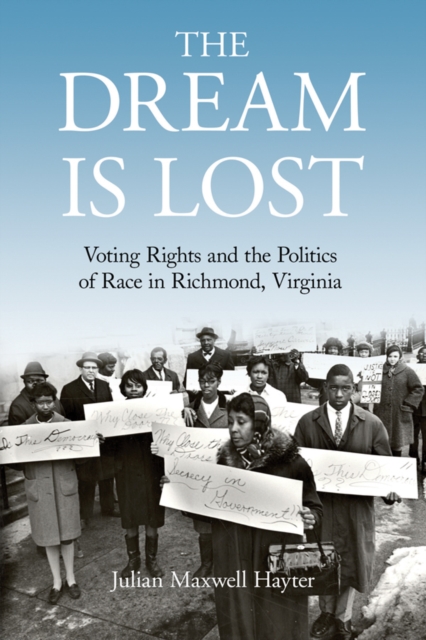
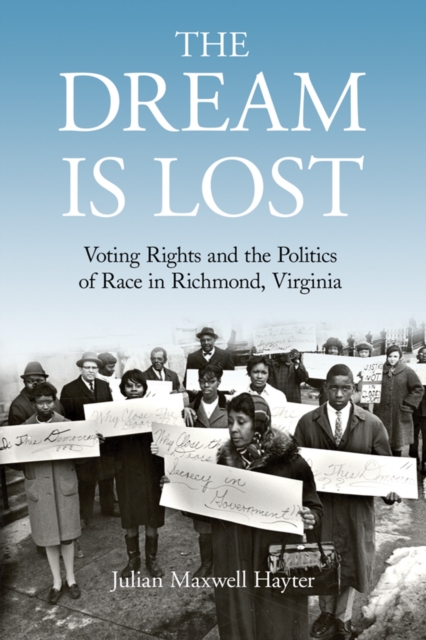
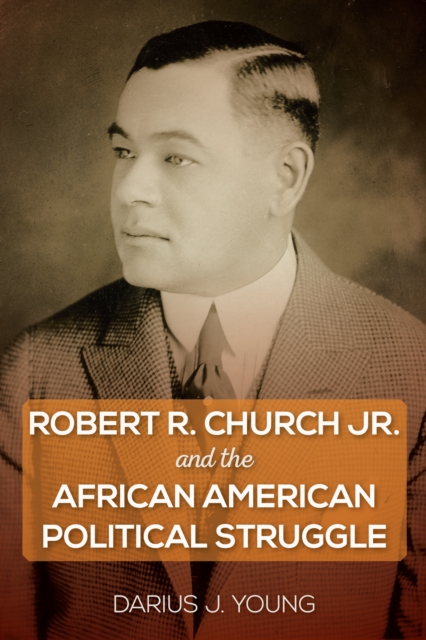
Once the capital of the Confederacy and the industrial hub of slave-based tobacco production, Richmond, Virginia has been largely overlooked in the context of twentieth century urban and political history.
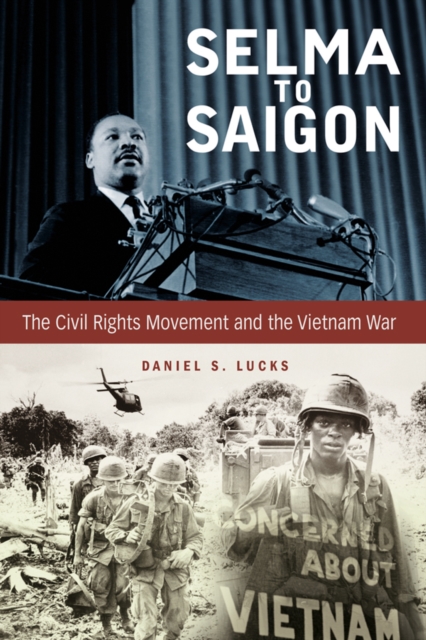
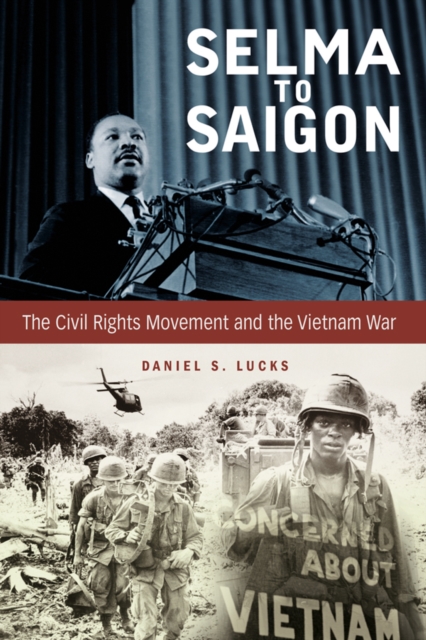
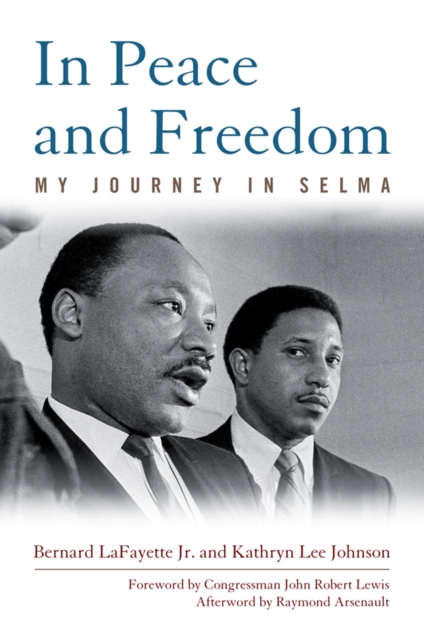
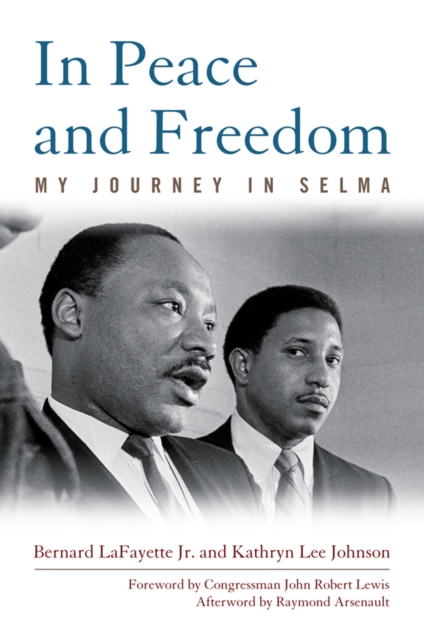
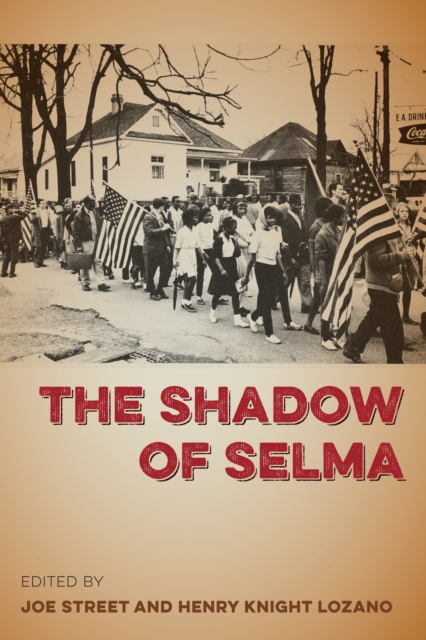
Six months after the Selma to Montgomery marches and just weeks after the passage of the Voting Rights Act of 1965, a group from Martin Luther King Jr.
Six months after the Selma to Montgomery marches and just weeks after the passage of the Voting Rights Act of 1965, a group from Martin Luther King Jr.
Once the capital of the Confederacy and the industrial hub of slave-based tobacco production, Richmond, Virginia has been largely overlooked in the context of twentieth century urban and political history.
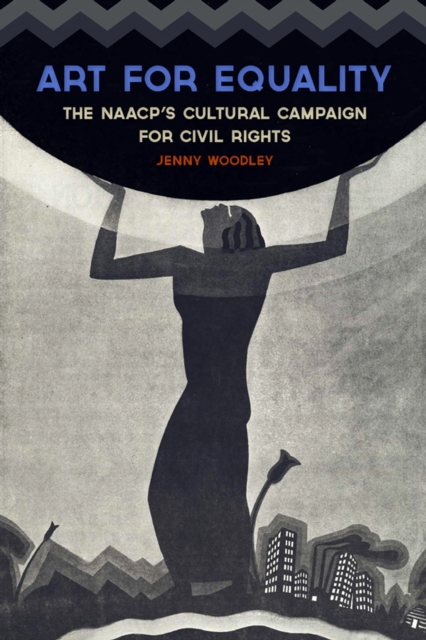
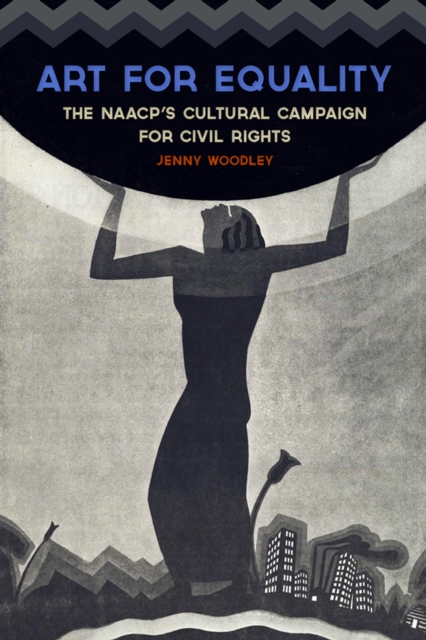
The National Association for the Advancement of Colored People (NAACP) is the nation's oldest civil rights organization, having dedicated itself to the fight for racial equality since 1909.
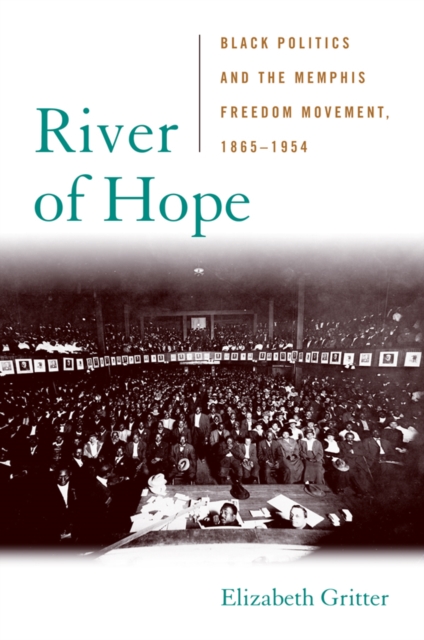
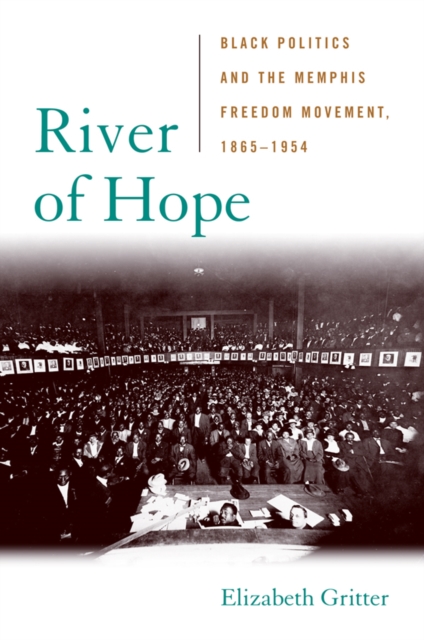
One of the largest southern cities and a hub for the cotton industry, Memphis, Tennessee, was at the forefront of black political empowerment during the Jim Crow era.
One of the largest southern cities and a hub for the cotton industry, Memphis, Tennessee, was at the forefront of black political empowerment during the Jim Crow era.
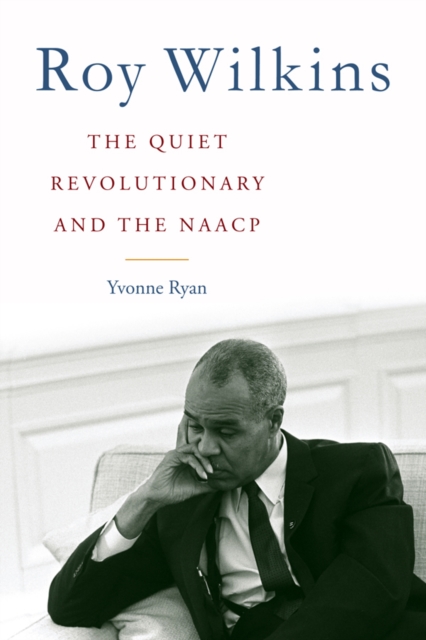
Roy Wilkins (19011981) spent forty-six years of his life serving the National Association for the Advancement of Colored People (NAACP) and led the organization for more than twenty years.
Roy Wilkins (19011981) spent forty-six years of his life serving the National Association for the Advancement of Colored People (NAACP) and led the organization for more than twenty years.
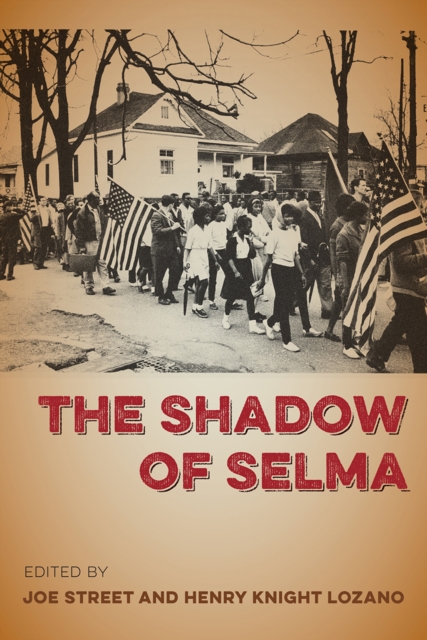
The Shadow of Selma evaluates the 1965 civil rights campaign in Selma, Alabama, the historical memory of the campaigns marches, and the continuing relevance of and challenges to the Voting Rights Act.
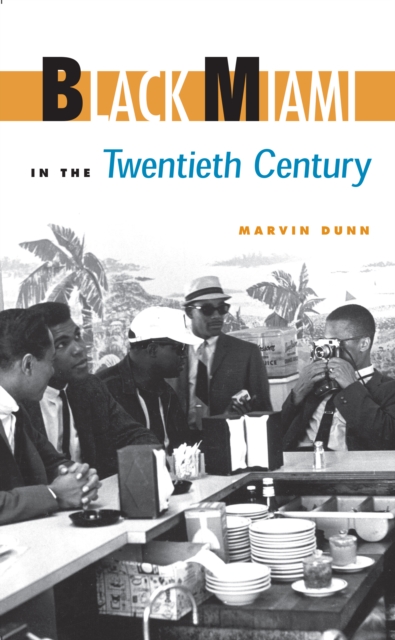
The first book devoted to the history of African Americans in south Florida and their pivotal role in the growth and development of Miami, Black Miami in the Twentieth Century traces their triumphs, drudgery, horrors, and courage during the first 100 years of the city's history.
The Shadow of Selma evaluates the 1965 civil rights campaign in Selma, Alabama, the historical memory of the campaigns marches, and the continuing relevance of and challenges to the Voting Rights Act.
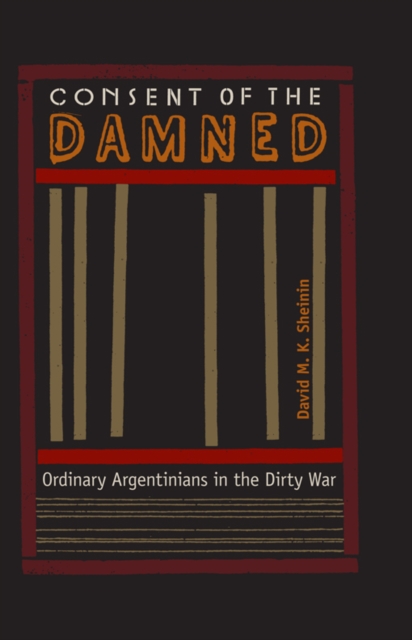
Under violent military dictatorship, Operation Condor and the Dirty War scarred Argentina from the mid-1970s to the early 1980s, leaving behind a legacy of repression, state terror, and political murder.
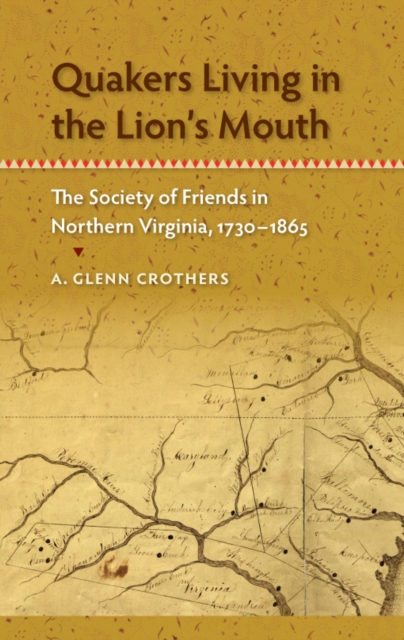
This examination of a Quaker community in northern Virginia, between its first settlement in 1730 and the end of the Civil War, explores how an antislavery, pacifist, and equalitarian religious minority maintained its ideals and campaigned for social justice in a society that violated those values on a daily basis.
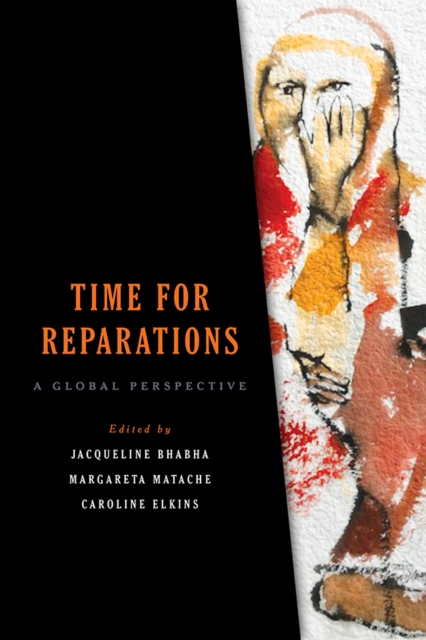
In this sweeping international perspective on reparations, Time for Reparations makes the case that past state injusticebe it slavery or colonization, forced sterilization or widespread atrocitieshas enduring consequences that generate ongoing harm, which needs to be addressed as a matter of justice and equity.
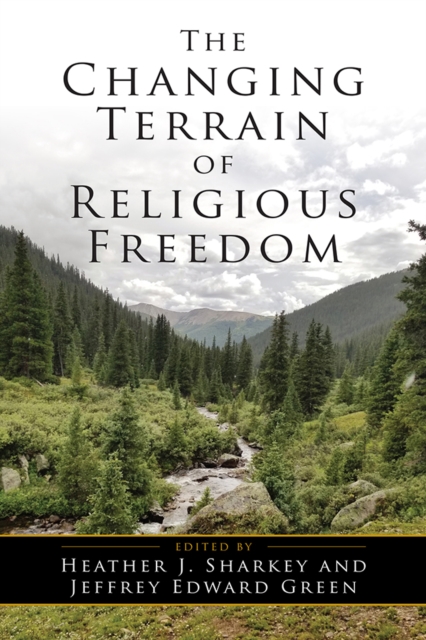
The Changing Terrain of Religious Freedom offers theoretical, historical, and legal perspectives on religious freedom, while examining its meaning as an experience, value, and right.
Usme, one of the peripheral districts surrounding Bogota, Colombia, is one of the poorest, most populous, and most marginalized outer districts of the city, with a high concentration of indigenous occupants.
The term "e;genocide"e;"e;group killing"e;which first appeared in Raphael Lemkin's 1944 book, Axis Rule in Occupied Europe, had by 1948 established itself in international law through the United Nations Convention on the Prevention and Punishment of the Crime of Genocide.