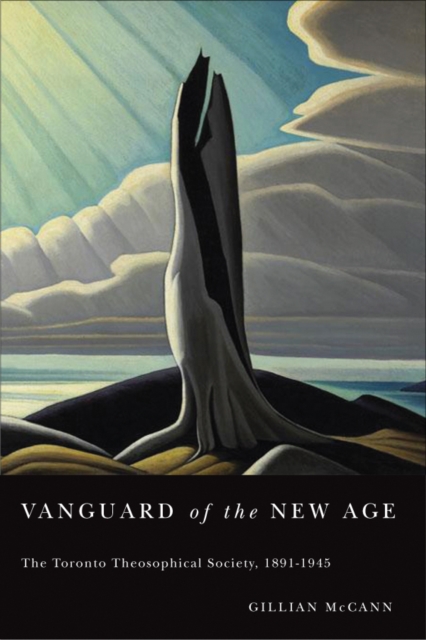
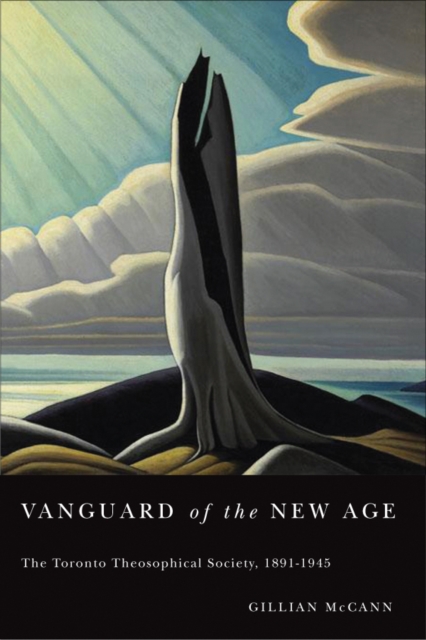
The story of the small new age religious group that introduced Victorian Toronto to Eastern thought and theology, vegetarianism, reincarnation, cremation, and the pacifism of Mohandas Gandhi.
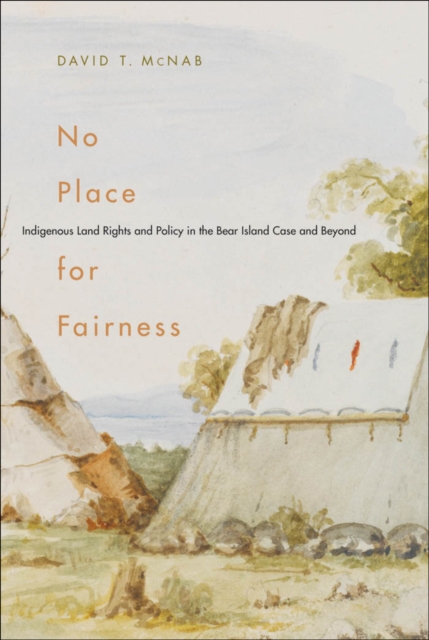
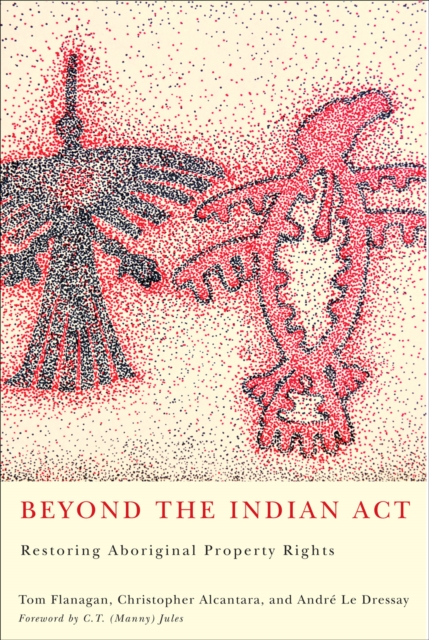
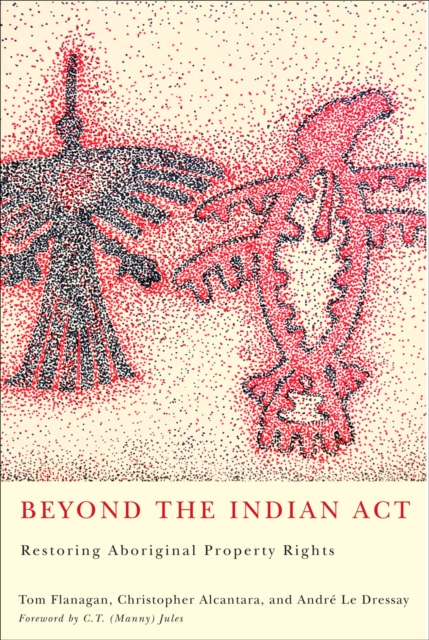
Aboriginal policy and claims negotiation in Canada is seen to be a murky and perplexing world that has become an important public issue and has significant policy implications for government spending.
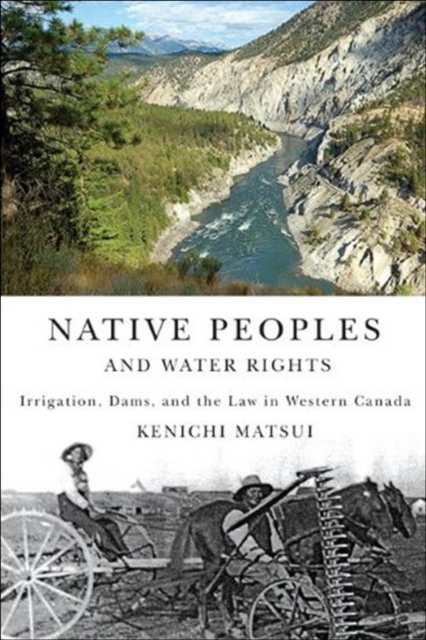
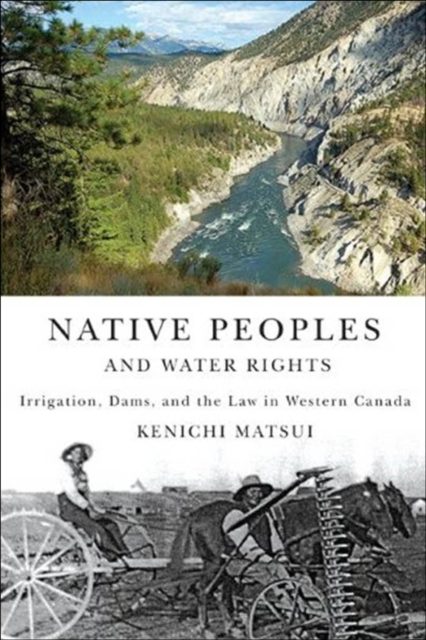
Economic developments in irrigation, agriculture, and hydroelectric power generation in western Canada at the turn of the last century challenged the way Native peoples had traditionally managed the watershed environment.
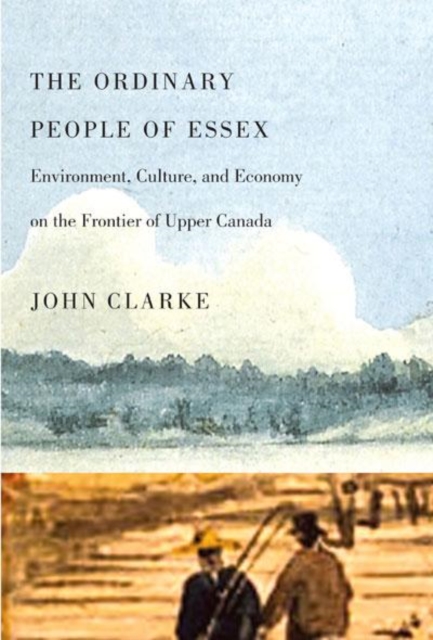
Clarke covers a remarkable number of topics, including geographic factors in the choice of agricultural land, land acquisition and clearance, energy expended in clearing and planting the land, and selection of specific crops and their extent and yields in particular combinations of soils.
The authors not only investigate the current forms of property rights on reservations but also expose the limitations of each system, showing that customary rights are insecure, certificates of possession cannot be sold outside the First Nation, and leases are temporary.
The authors not only investigate the current forms of property rights on reservations but also expose the limitations of each system, showing that customary rights are insecure, certificates of possession cannot be sold outside the First Nation, and leases are temporary.
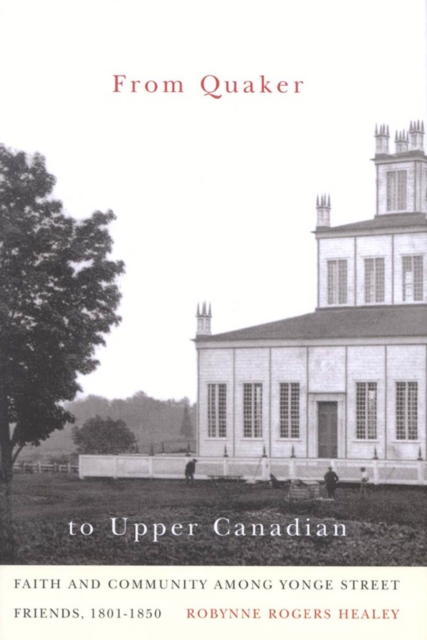
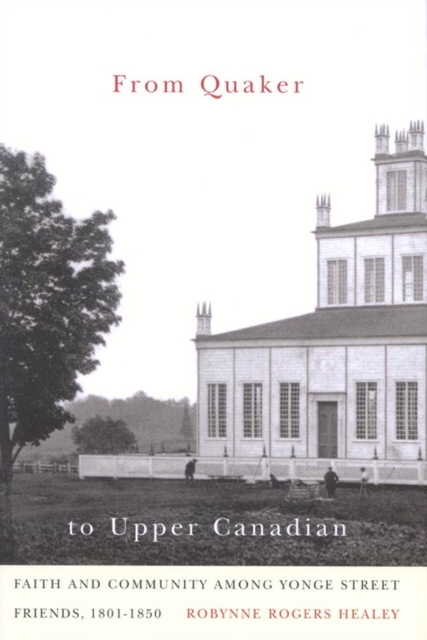
From Quaker to Upper Canadian is the first scholarly work to examine the transformation of this important religious community from a self-insulated group to integration within Upper Canadian society.
Aboriginal policy and claims negotiation in Canada is seen to be a murky and perplexing world that has become an important public issue and has significant policy implications for government spending.
Economic developments in irrigation, agriculture, and hydroelectric power generation in western Canada at the turn of the last century challenged the way Native peoples had traditionally managed the watershed environment.
In Identity Captured by Law, Sebastien Grammond explains how minority rights make identity legally relevant, providing a detailed account of struggles that have been fought concerning Indian status and admission to minority-language schools.
In the late eighteenth century, an influx of Protestant settlers to the mainly Catholic parish of Forkhill on the Ulster borderlands provoked clashes between natives and newcomers.
He also underscores the tragic history of the indigenous peoples of these regions and shoes how they came to lose "e;possession"e; of their land to newly formed governments made up of Europeans with European interests at heart.
In Rites of Privacy and the Privacy Trade Neill constructs an original theory of natural rights and human dignity to ground our right to privacy, arguing that privacy and autonomy are innate natural properties metaphorically represented on the moral level and socially bestowed.
While some scholars have focused on various aspects of the denominational origins of the education system, and others have revealed the influence of religion on the electoral results of the pre-1864 period, the complete story has never been told.
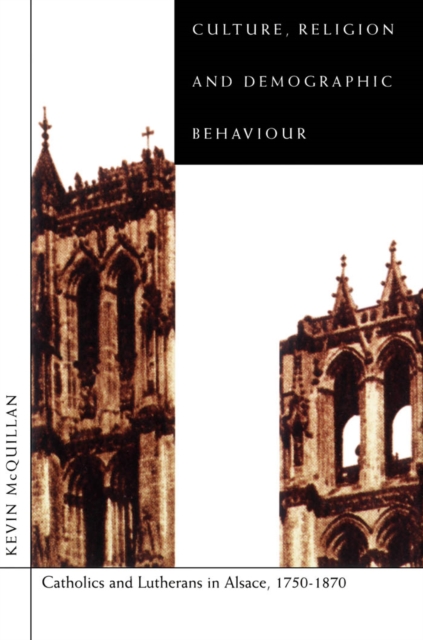
McQuillan shows that the population of the once largely German-speaking region of Alsace was sharply divided into two major religious communities, one Catholic, the other Lutheran.
Based on case studies of five Third World countries - Sri Lanka, the Philippines, China, Indonesia, and Suriname - Gillies explores the extent to which policy principles were applied in practice, showing that consistent, coordinated, and principled action is elusive even for countries with a reputation for internationalism.
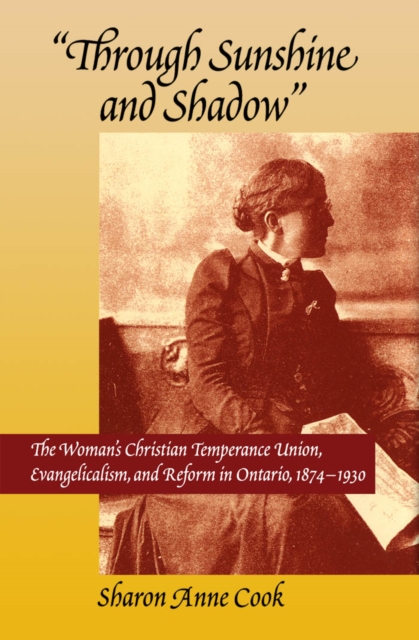
Using an extensive array of primary sources, including local WCTU minute books and correspondence, Cook describes the origins, structures, strategies, and achievements of the Ontario WCTU in the late nineteenth and early twentieth centuries.
Kroeker argues that in trying to make their theological ethics relevant to economic policy Christian social ethicists have accepted assumptions that are incompatible with theological beliefs.
The Largest Amount of Good is the first full account of Quaker relief operations in Ireland and of the evolution of the Quakers' thinking on the purposes and limitations of philanthropy and the responsibility of the state in disaster.
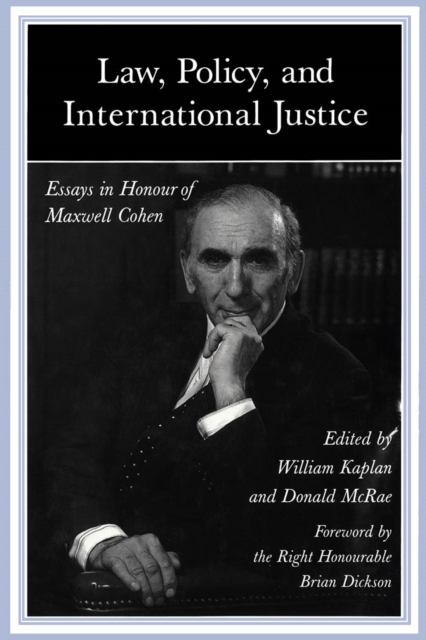
Written by distinguished scholars from Canada and abroad, the essays cover topics in four different fields that reflect some of Cohen's principal academic interests and concerns: international law, public law, legal history, and legal education.
From Quaker to Upper Canadian is the first scholarly work to examine the transformation of this important religious community from a self-insulated group to integration within Upper Canadian society.
This book addresses controversial issues in contemporary church life using liturgical commentary, homiletical illustration, and theological reflection.
State Service in Sixteenth Century Novgorod is about the first century of the legal development of the pomestie established by Ivan III after the conquest of Novgorod.
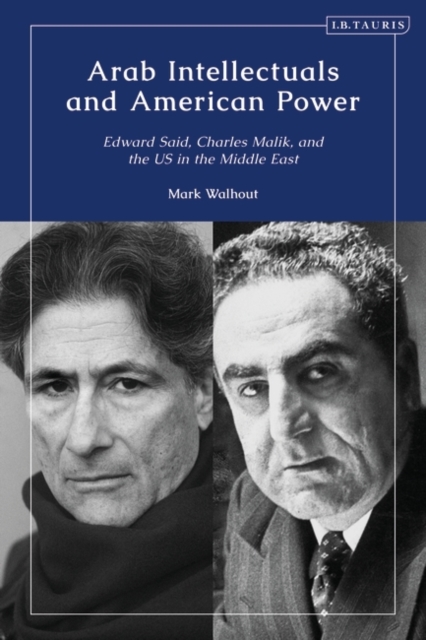
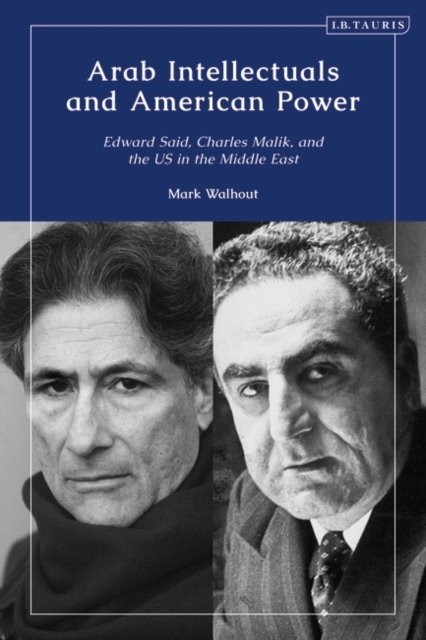
Edward Said, the famous Palestinian American scholar and activist, was one of the twentieth century's most iconic public intellectuals, whose pioneering and – to some – controversial work on Orientalism shaped Middle Eastern and postcolonial studies and beyond.
Edward Said, the famous Palestinian American scholar and activist, was one of the twentieth century's most iconic public intellectuals, whose pioneering and – to some – controversial work on Orientalism shaped Middle Eastern and postcolonial studies and beyond.
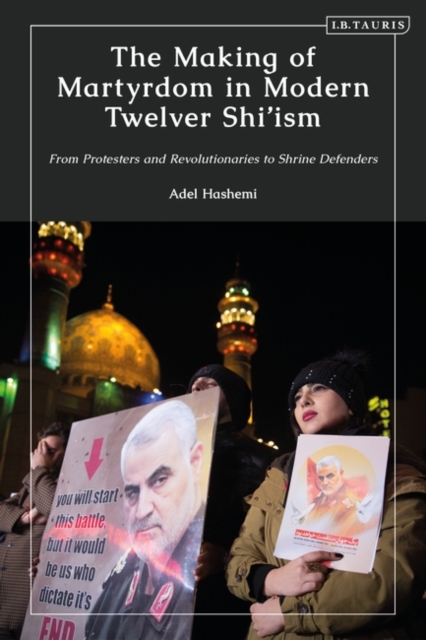
In Twelver Shi'a Islam, the wait for the return of the Twelfth Imam, Muhammad ibn al-Hasan al-Mahdi, at the end of time, overshadowed the value of actively seeking martyrdom.