"e;How Capitalism Underdeveloped Black America is one of those paradigm-shifting, life-changing texts that has not lost its currency or relevance even after three decades.
Traces social, political, and economic changes among Sahrawi refugees in North AfricaSovereignty in Exile explores sovereignty and state power through the case of a liberation movement that set out to make itself into a state.
In 1948, two years before Cold War tensions resulted in the invasion of South Korea by North Korea that started the Korean War, the first major political confrontation between leftists and rightists occurred on the South Korean island of Cheju, where communist activists disrupted United Nations-sanctioned elections and military personnel were deployed.
For over a thousand years, Muslim scholars worked to ensure that Islamic law was always fresh and vibrant, that it responded to the needs of an evolving Muslim community and served as a moral and spiritual compass.
This book records real-life experiences of transgender violence and victimisation, analysing the legal lacunae in granting protection to the historically vulnerable community and their perspective of the law and safety.
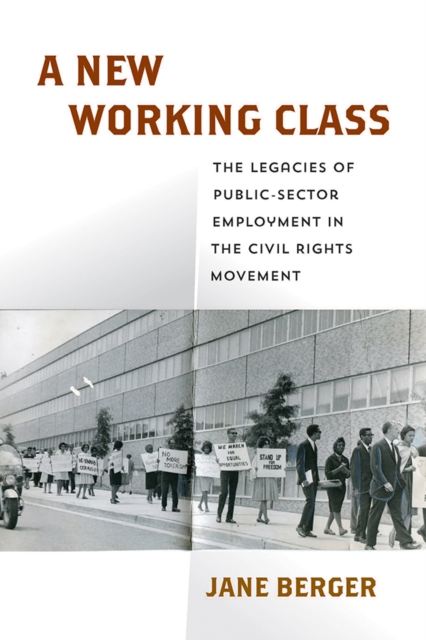
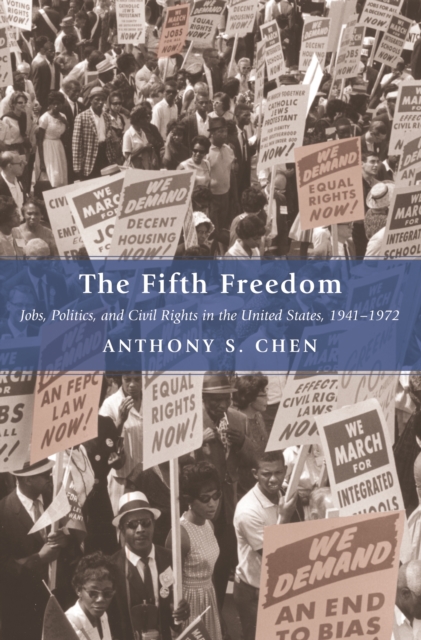
For decades, civil rights activists fought against employment discrimination and for a greater role for African Americans in municipal decision-making.
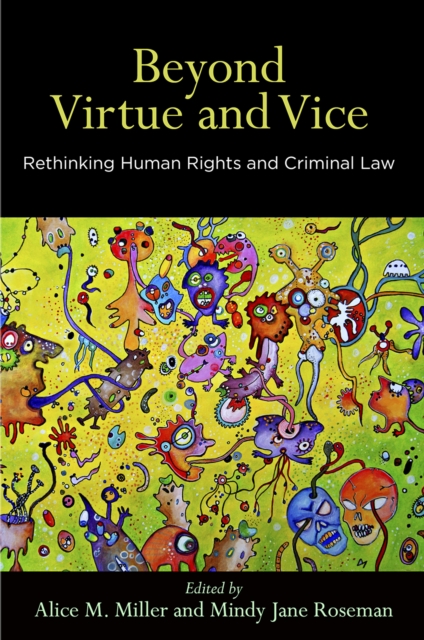
Over the past two decades, human rights as legal doctrine and practice has shifted its engagement with criminal law from a near exclusive condemnation of it as a source of harm toward increasingly invoking it as a necessary remedy for abuses.
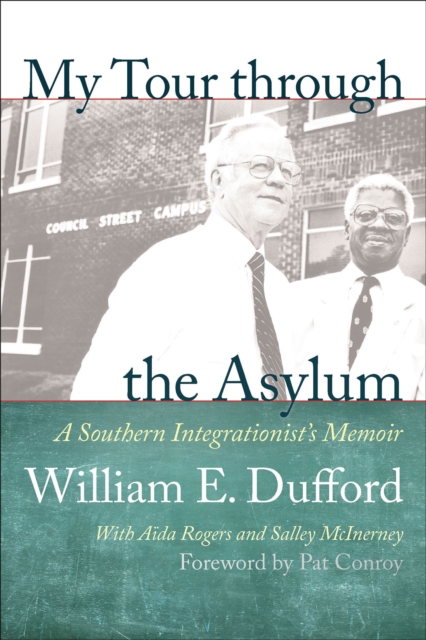
"e;[A] testament to his journey toward South Carolina's-not only desegregation of schools-but full integration and voice for African American students.
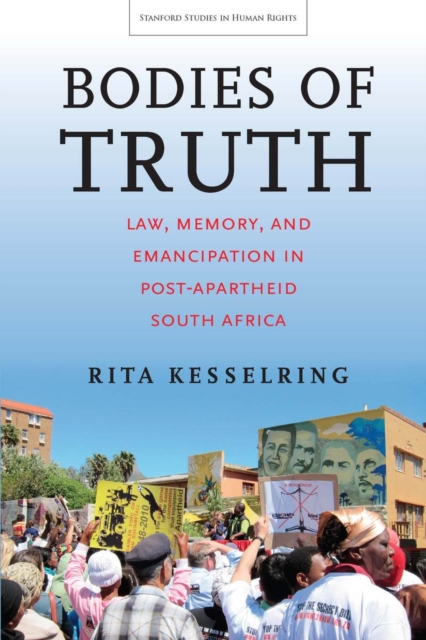
Bodies of Truth offers an intimate account of how apartheid victims deal with the long-term effects of violence, focusing on the intertwined themes of embodiment, injury, victimhood, and memory.
The book addresses authoritarian legacies of politically motivated justice and its unwritten practices that have re-emerged in the recent trials related to both political and ordinary criminal charges against prominent opposition leaders in many former Soviet republics.
In this collection of essays, interviews, and speeches, the renowned activist examines today's issues-from Black Lives Matter to prison abolition and more.
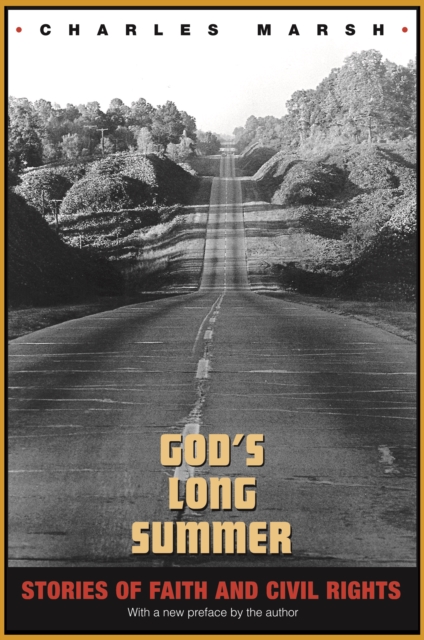
In the summer of 1964, the turmoil of the civil rights movement reached its peak in Mississippi, with activists across the political spectrum claiming that God was on their side in the struggle over racial justice.
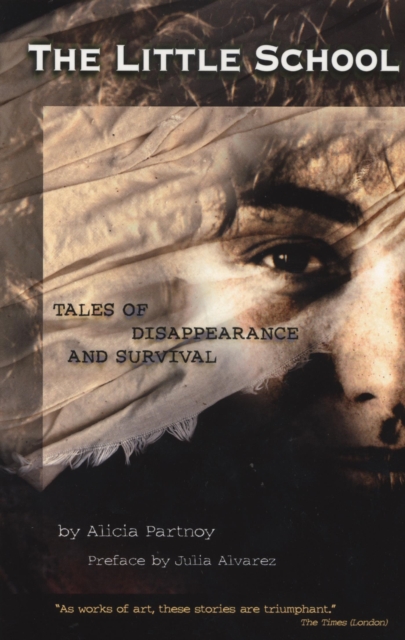
One of Argentinas 30,000 disappeared, Alicia Partnoy was abducted from her home by secret police and taken to a concentration camp where she was tortured, and where most of the other prisoners were killed.
This book provides an in-depth examination of the judicial response at the internationalcriminal tribunals (ICTs) to the violation of procedural standards in thepre-trial phase of proceedings.
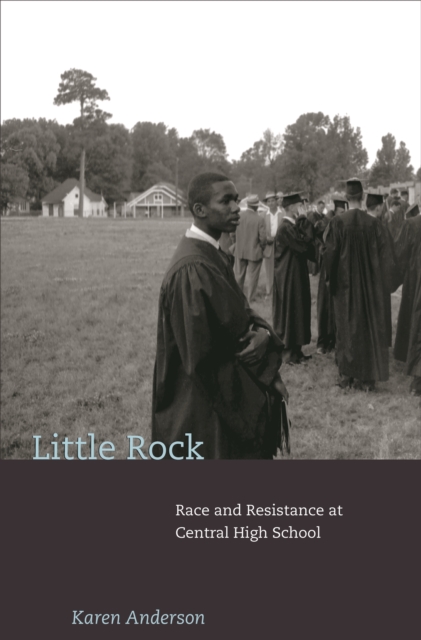
A political history of the most famous desegregation crisis in AmericaThe desegregation crisis in Little Rock is a landmark of American history: on September 4, 1957, after the Supreme Court struck down racial segregation in public schools, Arkansas Governor Orval Faubus called up the National Guard to surround Little Rock Central High School, preventing black students from going in.
An in-depth look at the historic and strategic deployment of rights in political conflicts throughout the worldRights are usually viewed as defensive concepts representing mankind's highest aspirations to protect the vulnerable and uplift the downtrodden.
A powerful portrait of the greatest humanitarian emergency of our time, from the director of Human FlowIn the course of making Human Flow, his epic feature documentary about the global refugee crisis, the artist Ai Weiwei and his collaborators interviewed more than 600 refugees, aid workers, politicians, activists, doctors, and local authorities in twenty-three countries around the world.
A look at the duty of nations to protect human rights beyond borders, why it has failed in practice, and what can be done about itThe idea that states share a responsibility to shield people everywhere from atrocities is presently under threat.
How racism and discrimination have been central to democracies from the classical period to todayAs right-wing nationalism and authoritarian populism gain momentum across the world, liberals, and even some conservatives, worry that democratic principles are under threat.
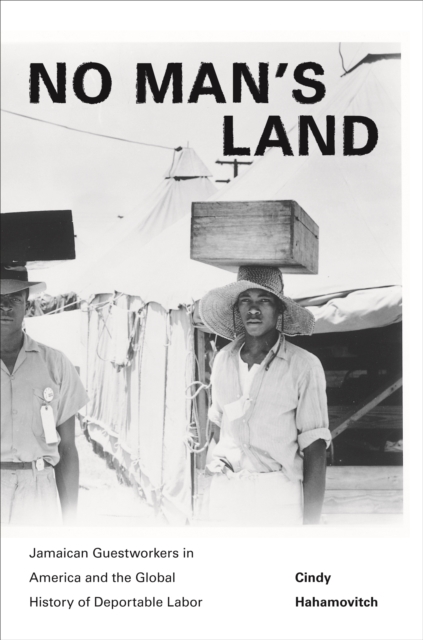
From South Africa in the nineteenth century to Hong Kong today, nations around the world, including the United States, have turned to guestworker programs to manage migration.
This book is an interdisciplinary attempt to understand the contemporaneous human condition of asylum seekers through analysis of their entrapment and the resultant new forms of resistance that have emerged to combat it.
Analysing the convergence of law and regulation with rapidly evolving communications technologies, this interdisciplinary work navigates the intricate balancing act between human rights protection and technological innovation in a digital age, and illuminates the comprehensive potential of human rights to frame our intelligent use of technology.
While the Arab Uprisings presented new opportunities for the empowerment of women, the sidelining of women remains a constant risk in the post-revolutionist MENA countries.
This book explores the transformation of the Tunisian space of mobility after the Arab Uprisings, looking at the country's emerging profile as a migratory "e;destination"e; and focusing on refugees from Syria, Libya, and Sub-Saharan countries; Tunisian migrants in Europe who return home; and young undocumented European migrants living in Tunis.
This book considers new developments in Critical Race Theory (CRT) in times of austerity and assesses both the impact of British CRT or 'BritCrit', and CRT's continuing growth in the US.
This book offers a historical presentation of how international criminal law has evolved from a national setting to embodying a truly international outlook.