This book explores how public policy advocacy can be used to approach policy issue identification, resolution or, at the least, support the management of wicked policy issues.
The aims of child rights education are to make children and their primary duty-bearers aware of child rights so that they both can be empowered to together advocate for and apply them at their family, school and community levels.
This book tells a story of Taiwan's transformation from an authoritarian regime to a democratic system where human rights are protected as required by international human rights treaties.
Encyclopaedia of Social Development, Law, Policy and Security is a unique attempt by the editor to present to its readers the most vital reading materials on issues of social development, social security, social laws and policies, thus fulfilling the requirements for much awaited publication in this area of research.
Human Rights in ASEAN: Indonesian and International Perspectives is a collection of 13 essays that not only offers fresh new insights on the different facets of human rights and their protection in ASEAN, but also 'insider' accounts of the development of the ASEAN Inter-Governmental Commission for Human Rights.
The subject of this book is human rights law, focusing on historic achievement of a common standard viewed from a perspective of Pengchun Chang's contributions to the drafting of the Universal Declaration of Human Rights (UDHR).
The aims of child rights education are to make children and their primary duty-bearers aware of child rights so that they both can be empowered to together advocate for and apply them at their family, school and community levels.
This volume extends debates on the interaction between universal human rights and the political experiences of Iranians, through a conceptual analysis of 'theories of change'.
This book discusses various dynamic facets of the life of Rashid al-Ghannushi, a distinguished Islamic thinker and activist not only in Tunisia and North Africa, but in the entire Muslim world.
This book provides a rigorous investigation into the adoption and culture of human rights in Nigeria, with a focus on the human rights attitudes of Nigerian students.
This book focuses on the formal and informal reconciliation processes during conflict and post-conflict periods in various locations in the Asia-Pacific, and includes cases studies based on primary research conducted in countries such as Cambodia, Timor-Leste, Nepal, Sri Lanka, Pakistan, India, South Thailand, Bougainville and the Solomon Islands.
The research presented in this book provides a stakeholder analysis of human rights protection at a time when the region appears to be regressing into an insidious and deep authoritarianism.
In this book, it is explained that despite a current drop in the number of deaths, terrorism should still be considered a serious and widespread problem.
This book addresses major aspects of inequity, such as access, financing, financial risk protection, gender, service delivery and utilization, in the healthcare sector in India,.
This book considers refugee protection mandates and addresses how legal scholarship can articulate a comprehensive and humane response to the contemporary refugee problem.
This volume highlights a range of issues underpinning elder care in India, with particular focus on the challenges that India faces in caring for the elderly.
This book addresses contemporary debates on civil disobedience in Islam within the rich Sunni tradition, especially during the height of the non-violent people revolution in various Arab countries, popularly known as the Arab Spring.
This book investigates whether and how reconciliation in Australia and other settler colonial societies might connect to the attitudes of non-Indigenous people in ways that promote a deeper engagement with Indigenous needs and aspirations.
Volume 24 of the Yearbook of International Humanitarian Law (IHL) is dedicated to investigating IHL's universalist claims from different perspectives and regarding different areas of IHL.
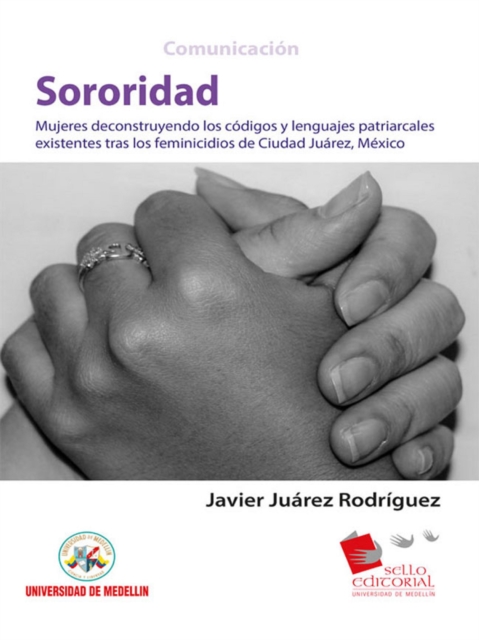
Sororidad profundiza en el análisis de los códigos y mensajes misóginos existentes tras los feminicidios sexuales, centrando su estudio en el caso de Ciudad Juárez (México).
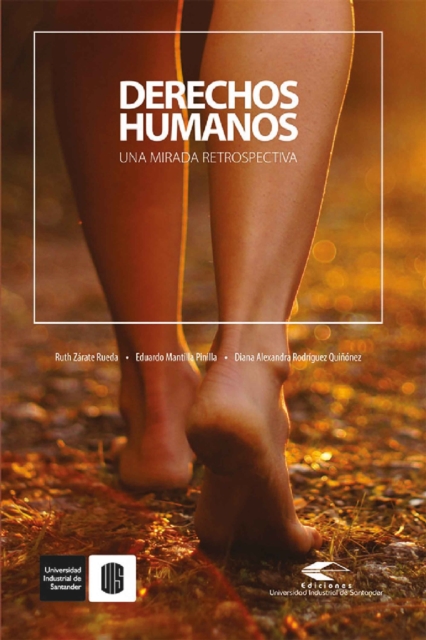
Con el propósito de visibilizar la importancia de la aplicación de los Derechos Humanos en pro de la construcción de alternativas de vida digna y sostenible se ofrece al público, este documento reúne herramientas que le apuestan a la transformación social desde enfoques formativos y pedagógicos, y coherente con elementos específicos del bienestar humano como la economía y ecología sustentable en el marco de la equidad, principios contemplados en la Declaración Universal de los Derechos Humanos, como un derecho fundamental para el desarrollo humano.
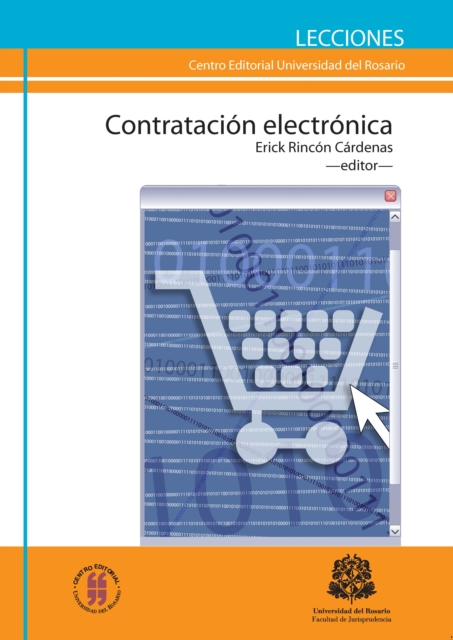
La importancia de las tecnologías de la información y de las comunicaciones (TICS) en todos los ámbitos de la vida económica social política y cultural es hoy en día un hecho insoslayable.
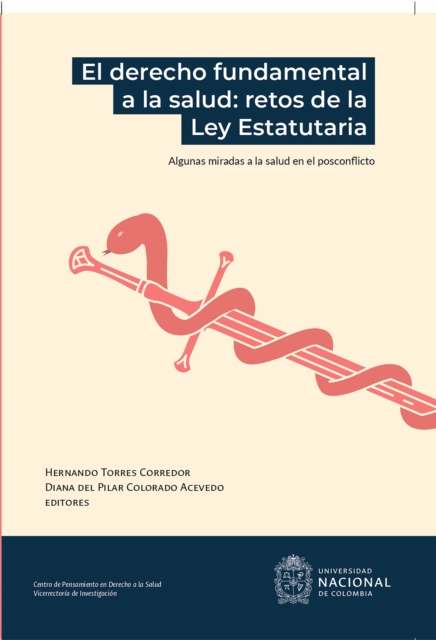
Este libro, El derecho fundamental a la salud: retos de la Ley Estatutaria —algunas miradas a la salud en el posconflicto—, es el cuarto libro preparadopor el Centro de Pensamiento en Derecho a la Salud, de la Facultad de Derecho, Ciencias Políticas y Sociales de la Universidad Nacional de Colombia, sede Bogotá.
Este libro presenta un panorama actualizado y global respecto a la relación inescindible que hoy existe entre la promoción y protección de los derechos humanos con las empresas del sector minero y del sector petrolero.
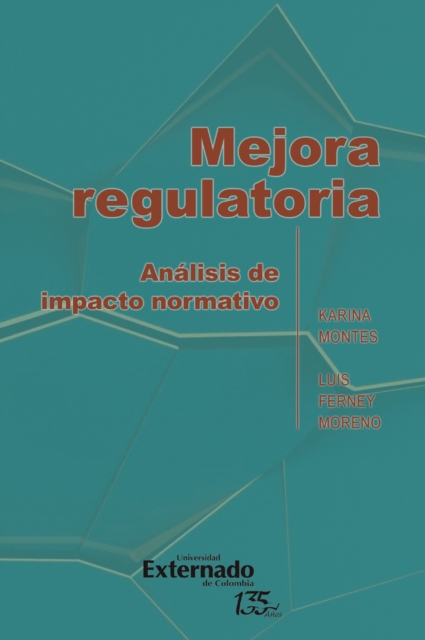
Este libro tiene como propósito dar a conocer el análisis de impacto normativo, también llamado análisis de impacto regulatorio, como uno de los elementos de la mejora regulatoria, desde una perspectiva interdisciplinaria de la economía y del derecho público.
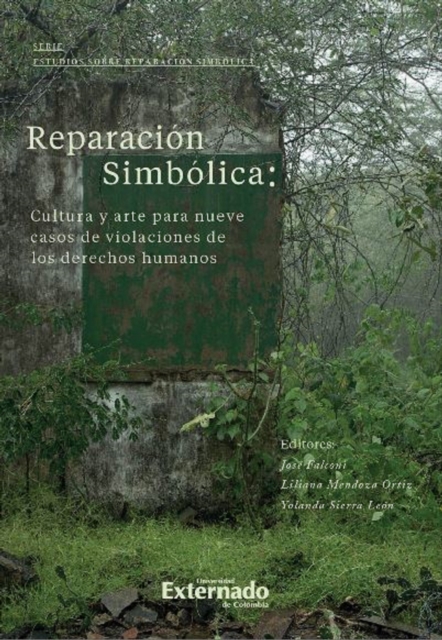
Reparación simbólica: cultura y arte para nueve casos de violaciones de los derechos humanos es el volumen 2 de la Serie de ESTUDIOS SOBRE REPARACIÓN SIMBÓLICA.
El volumen tiene como objetivo lustrar los resultados más significativos logrados por la doctrina civilista europea en materia de derecho de obligaciones, con una particular atención a las reflexiones doctrinales y a la evolución jurisprudencial .
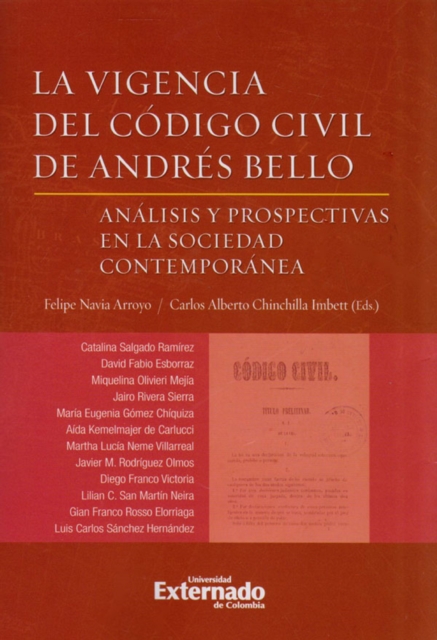
El Código Civil de Andrés Bello es un código autóctono de América Latina, el cual recogió las reglas de nuestra tradición jurídica, apoyadas en los principios generales del derecho, que luego fueron perfiladas y maduradas con el fin de responder a nuestra experiencia como latinoamericanos.
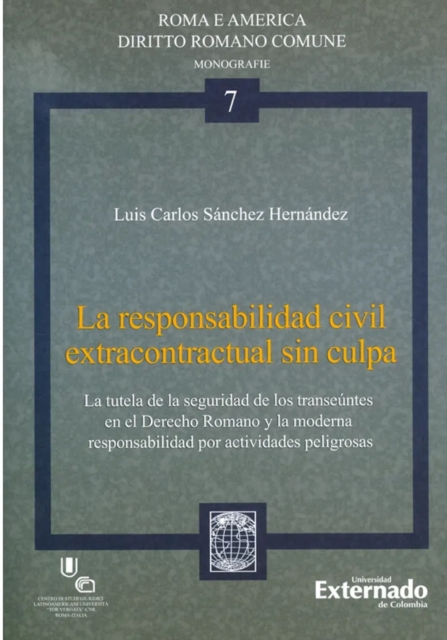
La responsabilidad por los daños ocasionados en el ejercicio de actividades peligrosas ha sido uno de los temas más controvertidos en el derecho civil contemporáneo y ha originado diversos debates que han girado en torno, principalmente, al criterio de imputación de la responsabilidad, oscilando entre quienes creen que debe permanecer dentro del dominio de la culpa y quienes consideran que la imputación debe prescindir del reproche subjetivo de la conducta y proponen diversos criterios objetivos para fundamentarla.
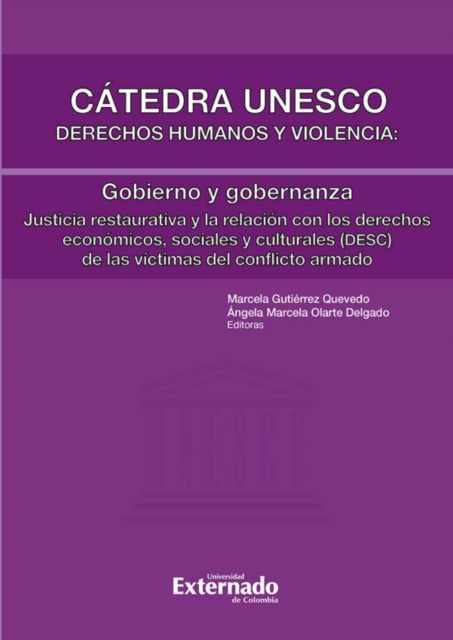
La presente publicación es producto de las investigaciones finalizadas en el marco de la Cátedra Unesco "Derechos Humanos y violencia: gobierno y gobernanza" de la Universidad Externado de Colombia; está compuesta por nueve capítulos que abordan temáticas relevantes como son la justicia, el medio ambiente, la salud mental, la memoria y los derechos humanos desde una perspectiva restaurativa que permite la inclusión de todos los actores y el restablecimiento de los derechos económicos, sociales y culturales de la población vulnerable.
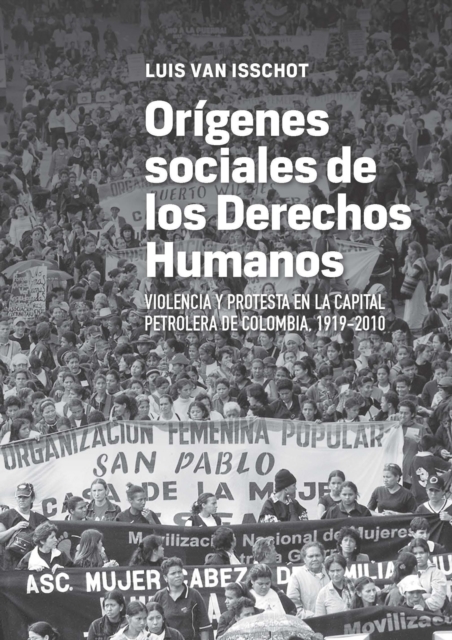
Hoy, la violencia desatada en contra de líderes sociales y defensores de los derechos humanos en Colombia ha vuelto a encender las alarmas sobre la existencia de un proceso de persecución sistemática en su contra.
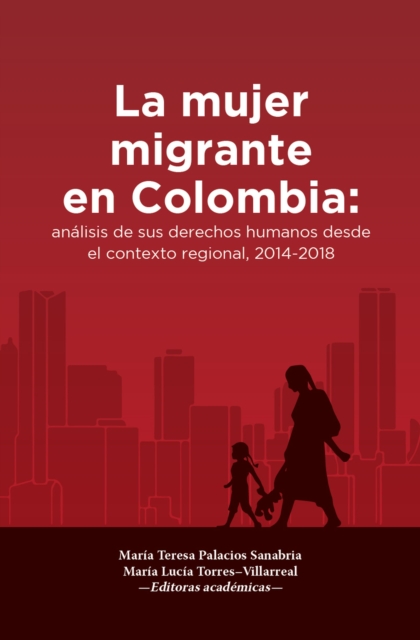
Este libro es el resultado de investigación del proyecto "Feminización de la migración venezolana en Colombia: análisis regional con enfoque de derechos humanos, 2014-2018".
El activismo de derechos humanos suele asociarse con el trabajo de organizaciones internacionales que buscan incidir en la manera en que los estados abusivos actúan en diferentes partes del mundo.
En este libro se presentan once capítulos con estudios y reflexiones sustanciales acerca de los aspectos más contemporáneos de los derechos humanos que atañen al funcionamiento y la evolución del Sistema Interamericano de Protección de Derechos Humanos.
En este libro se presentan once capítulos con estudios y reflexiones sustanciales acerca de los aspectos más contemporáneos de los derechos humanos que atañen al funcionamiento y la evolución del Sistema Interamericano de Protección de Derechos Humanos.
El presente libro describe los antecedentes y las perspectivas actuales del derecho de consumo en relación con el comercio electrónico, como fenómeno global de transacciones e inversiones y la protección de los consumidores que se ven inmiscuidos en dicho escenario, determinando las figuras centrales, sus antecedentes, características e implicaciones jurídicas en Colombia.