Mary Wollstonecraft, Elizabeth Garrett Anderson, Millicent Fawcett, Emmeline Pankhurst, Constance Markievicz, Nancy Astor They terrorised the establishment.
New York Times Notable Books of 2018 Financial Times Book of the Year Award-winning journalist Rania Abouzeid presents reportage of unprecedented scope in this engaging, character-driven investigation that exposes the secret dealings that armed and betrayed an uprising.
Fourteen women testify to the shocking human rights abuses in Iranian prisonsWINNER OF THE NOBEL PEACE PRIZE 2023 'A must-read for anyone concerned with human rights in Iran.
This book provides a comprehensive account of one significantly underreported aspect of violence affecting young refugee girls today, that of forced child marriage.
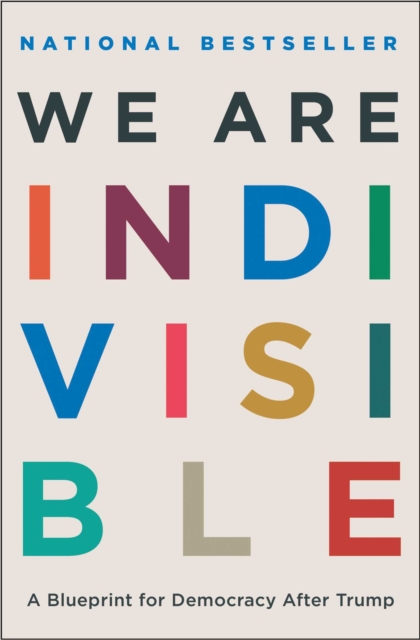
This national bestseller is not only the guiding ';centerpiece of a robust new grassroots machinery' (Rolling Stone), it is the story of democracy under threat.
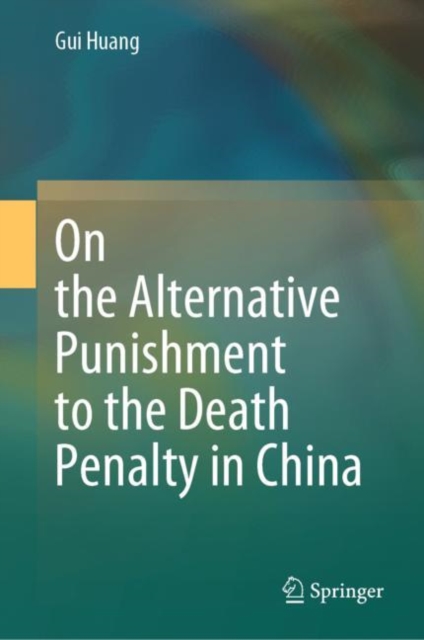
This book presents a study of alternative penalties to the death penalty in China, aiming to promote theoretical exploration of death penalty reform in China as well as long-term penal reform.
This book sheds light on the fact that the proclamation of an emergency can be a legitimate constitutional method to take prompt preventative measures in protecting the interests of the society in times of grave crises.
'A horrific tale of the slave trade, destined to become a classic' New York Times* PEN Literary Award Finalist 2026* New York Times 100 Notable Books of 2025* Time s 100 Must Read Books of 2025* The New Yorker 12 Essential Non-Fiction Reads 2025From the author of New York Times bestseller and Pulitzer Prize Finalist Cobalt Red, discover the incredible true story and page-turning account of the 18th century slave ship that sparked the human rights campaign to end the slave trade.
Der universale Geltungsanspruch der Menschenrechte und der humanitäre Anspruch des Christentums konvergieren in der Erwartung, die Menschenrechte auch innerkirchlich anzuerkennen und umzusetzen.
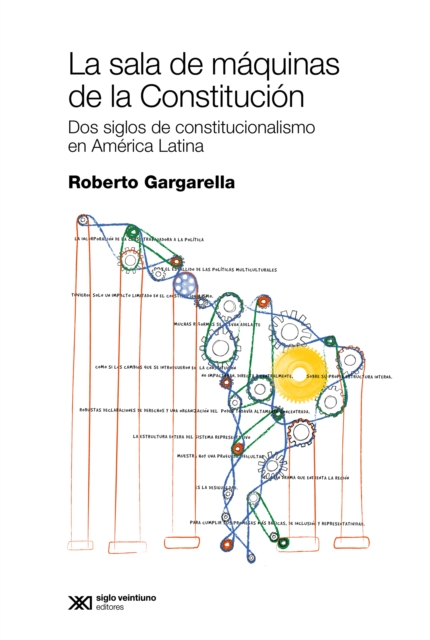
En este trabajo ya clásico, Roberto Gargarella, uno de los constitucionalistas más respetados e influyentes de la región, hace un recorrido fascinante por doscientos años de constitucionalismo latinoamericano.
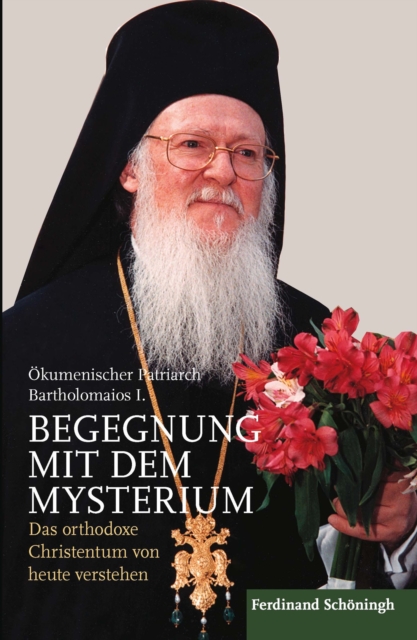
Das Buch des Ökumenischen Patriarchen bietet eine fundierte Einführung in das reiche theologische Denken, die wechselvolle Geschichte und die mystische Spiritualität des östlich-orthodoxen Christentums.
Wie kann man erlittene Gewalt und Massenmord in den unterschiedlichen Lagern erzählen und eine adäquate Sprache dafür finden, die das Erlittene weder banalisiert noch als überwunden beruhigend automatisiert?
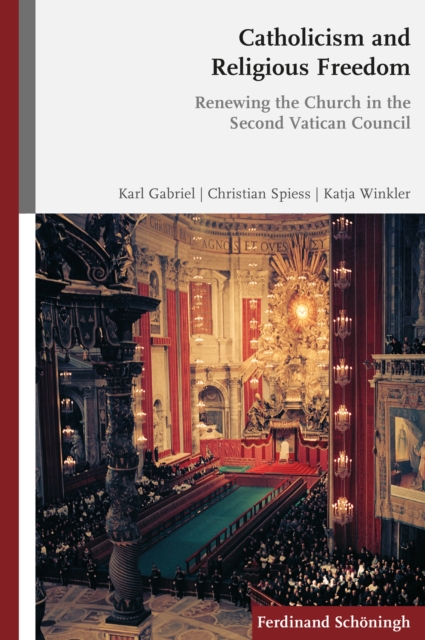
Just about fifty years ago, in its declaration on religious freedom at the Second Vatican Council, the Catholic Church programmatically dispensed with political coercion as a means of enforcing its claim to truth.
Die Theologische Fakultät Paderborn, die auf eine Stiftung von Fürstbischof Dietrich von Fürstenberg im Jahre 1614 zurückgeht, ist eine staatlich anerkannte Hochschule in Trägerschaft des Erzbischöflichen Stuhles zu Paderborn.
Joachim Peiper (1915-1976), Liebling Himmlers und 1938 bis 1941 sein Adjutant, war der idealtypische "Vorzeigeoffizier" der Waffen-SS, ein Exponent der Junkerschulgeneration, deren Angehörige in der zweiten Kriegshälfte als junge Kommandeure den rücksichtslosen Geist ihrer Trup-pe präg-ten.
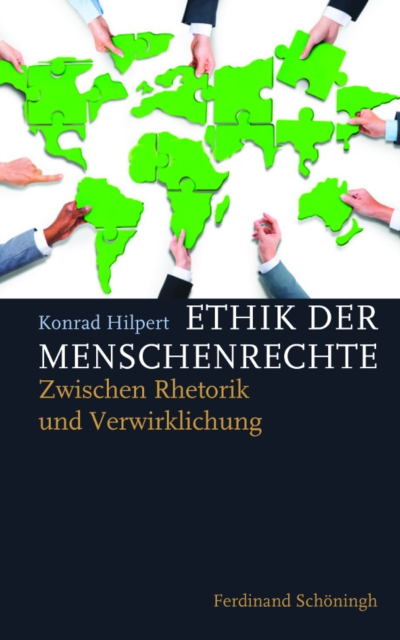
Menschenrechte – auf diesen Begriff stößt man überall, in den Re-den von Politikern ebenso wie in den Kommentaren der Journalisten und in den Forderungen prominenter Kirchenvertreter.
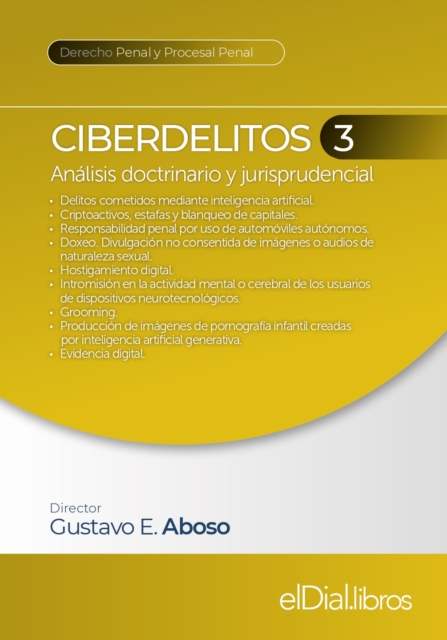
Ciberdelitos 3 ofrece un abordaje integral y actualizado de los principales desafíos que plantea el derecho penal frente al avance vertiginoso de las tecnologías digitales.
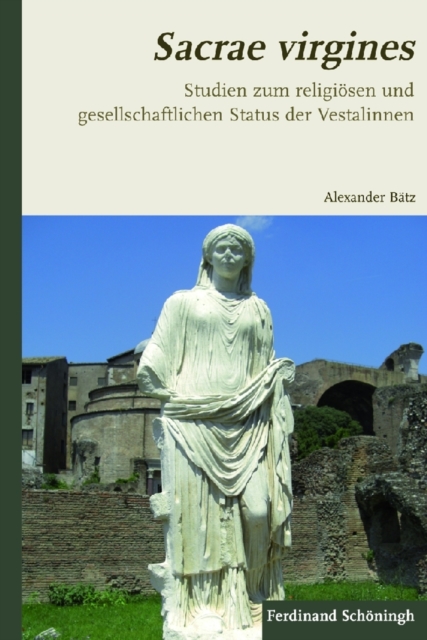
"In ihrem Rundtempel auf dem Forum Romanum hüteten die sechs jungfräulichen Priesterinnen der Vesta Tag und Nacht das ewige Feuer sowie weitere Heil(ig)tümer, die Roms Existenz sichern sollten.