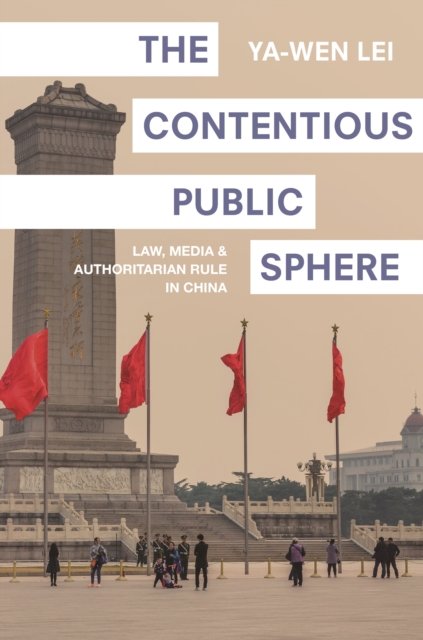
Since the mid-2000s, public opinion and debate in China have become increasingly common and consequential, despite the ongoing censorship of speech and regulation of civil society.
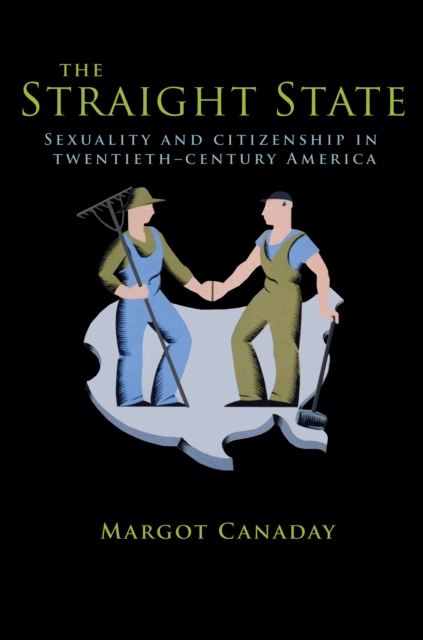
How the government enforced sex and gender conformity and relegated gays to second-class citizenshipThe Straight State is the most expansive study of the federal regulation of homosexuality yet written.
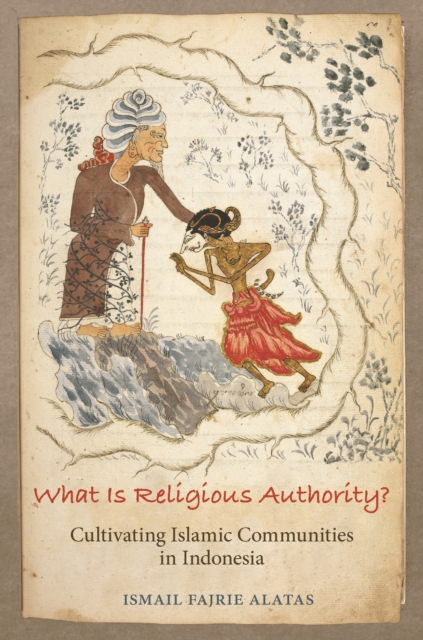
An anthropologist's groundbreaking account of how Islamic religious authority is assembled through the unceasing labor of community building on the island of JavaThis compelling book draws on Ismail Fajrie Alatas's unique insights as an anthropologist to provide a new understanding of Islamic religious authority, showing how religious leaders unite diverse aspects of life and contest differing Muslim perspectives to create distinctly Muslim communities.
A fascinating history of the international human rights movement as seen by one of its foundersDuring the past several decades, the international human rights movement has had a crucial hand in struggles against totalitarian regimes and crimes against humanity.
From New York Times bestselling author Cass Sunstein, a brisk, provocative book that shows what freedom really means-and requires-todayIn this pathbreaking book, New York Times bestselling author Cass Sunstein asks us to rethink freedom.
A compelling introduction to the global impact of organized crimeRuthless, cruel, and irresistibly cool: the Mafia has always appealed to the darker side of the imagination.
In 'The Pictures of Slavery in Church and State (Complete Edition)' by John Dixon Long, readers are taken on a thought-provoking journey delving into the complex relationship between slavery, religion, and government.
In these hard times for liberty, On Freedom makes the case that freedom, once explored and understood, is the way forward PRESIDENT ZELENSKY'Visionary .
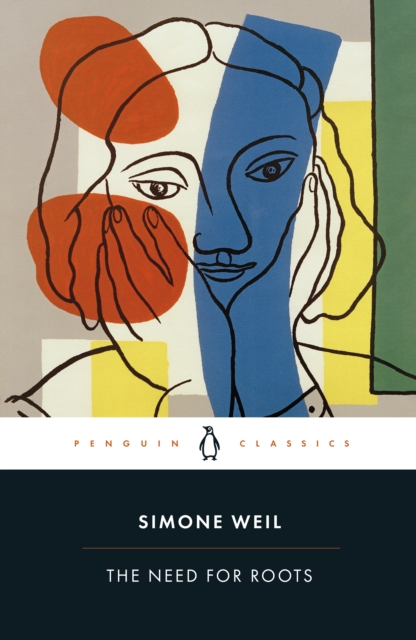
A new translation of Simone Weil's best-known work: a political, philosophical and spiritual treatise on what human life could beWhat do humans require to be truly nourished?
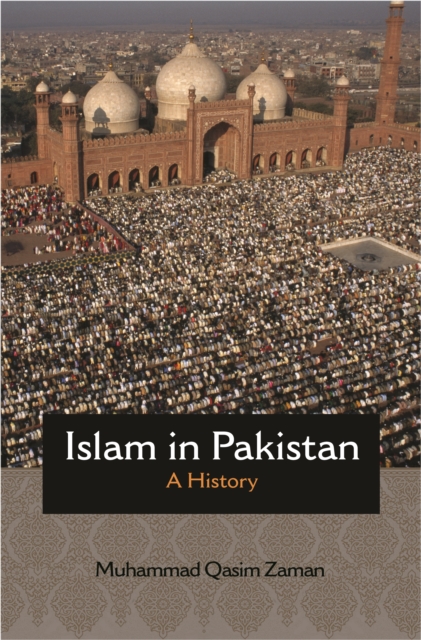
The first book to explore the modern history of Islam in South AsiaThe first modern state to be founded in the name of Islam, Pakistan was the largest Muslim country in the world at the time of its establishment in 1947.
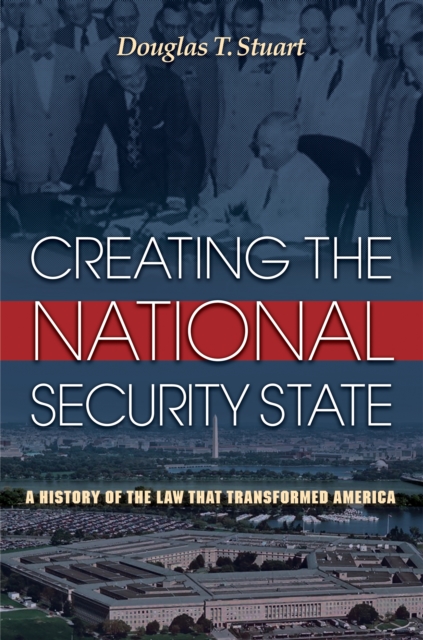
For the last sixty years, American foreign and defense policymaking has been dominated by a network of institutions created by one piece of legislation--the 1947 National Security Act.
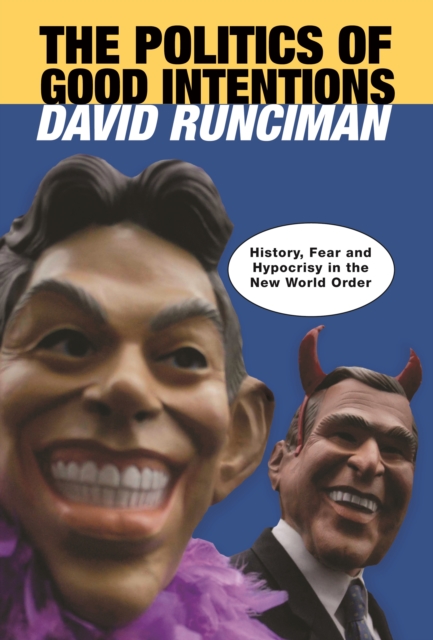
Tony Blair has often said that he wishes history to judge the great political controversies of the early twenty-first century--above all, the actions he has undertaken in alliance with George W.
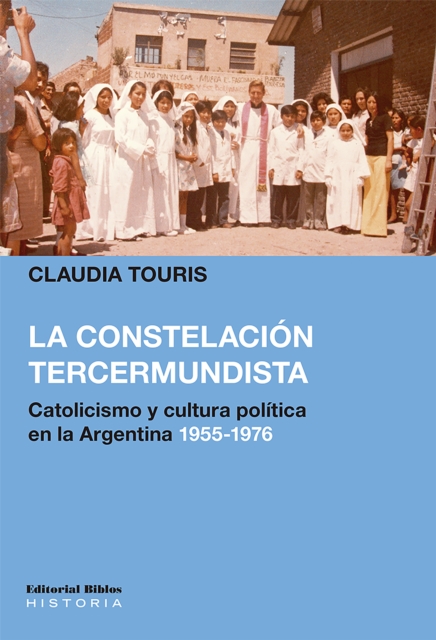
Mientras trabajos precedentes se habían focalizado exclusivamente en la trayectoria del Movimiento de Sacerdotes para el Tercer Mundo (MSTM), en este libro Claudia Touris demuestra que la corriente tercermundista en la Argentina fue una red sociorreligiosa más amplia y diversa que se desplegó como una verdadera constelación de actores sociales integrada no solo por los sacerdotes, sino también por religiosas, laicos que pasaron por los ámbitos de sociabilidad católica renovada por el Concilio Vaticano II y otros, como el grupo de Cristianismo y Revolución, que lo conectaron con la vía insurreccional minoritaria en la corriente tercermundista.
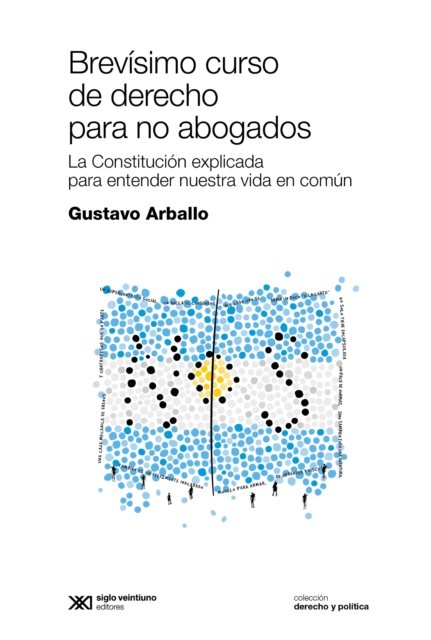
La Constitución tiene la particularidad –y la condena– de los textos fundamentales: todos creemos conocerla, y podríamos recitar pasajes de memoria, pero muchos tenemos una idea equivocada, o al menos superficial, de ella.
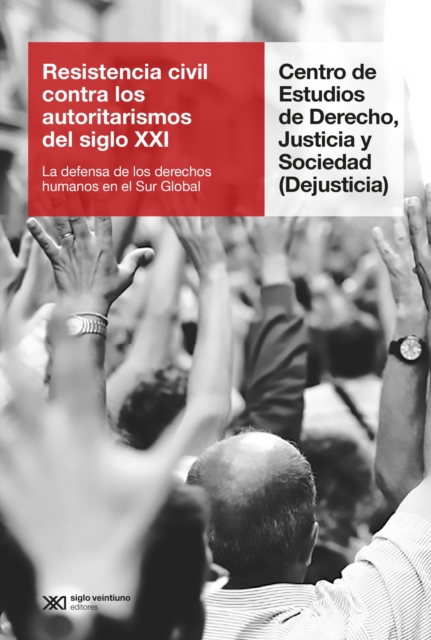
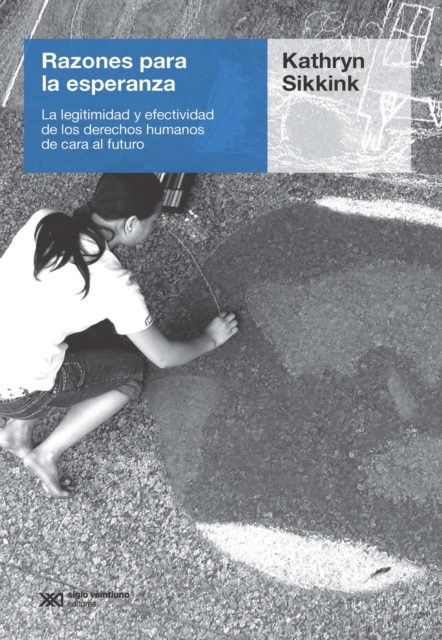
En todo el mundo, el activismo por los derechos humanos atraviesa hoy momentos críticos debido a la acción de gobiernos populistas autoritarios de derecha y de izquierda: restricciones al financiamiento extranjero para las ONG, campañas de desprestigio, cooptación de sectores de la sociedad civil y restricciones a los derechos fundamentales están debilitando su legitimidad y su eficacia.
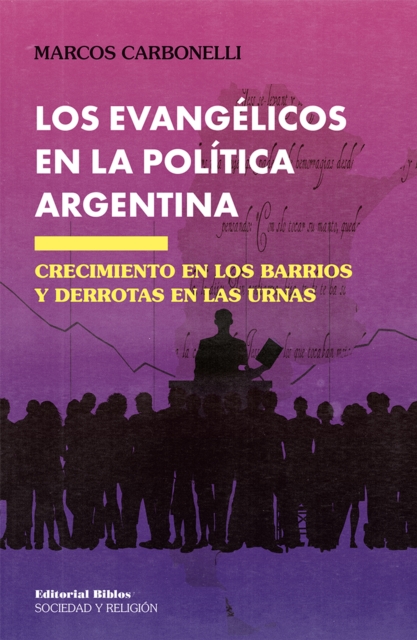
La avanzada evangélica en las arenas partidarias latinoamericanas es uno de los acontecimientos más estudiados en el campo de la sociología de la religión y un evento que suscita hondas polémicas en el espacio amplio de la sociedad civil.
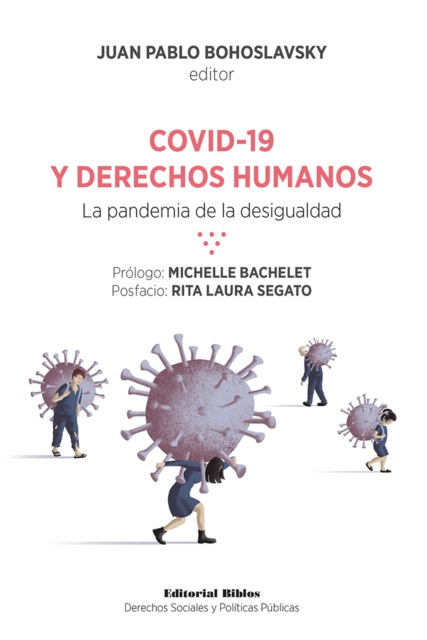
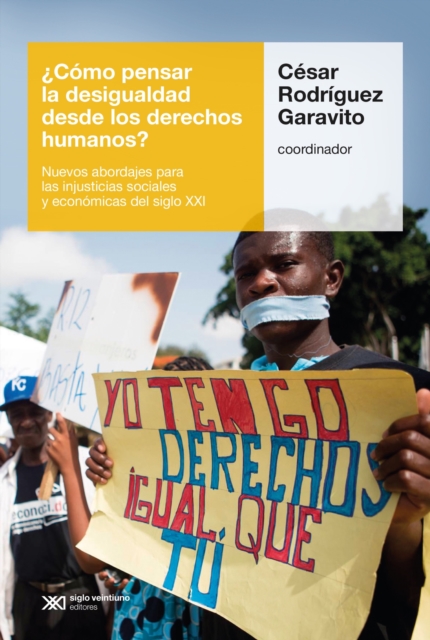
Una constatación evidente recorre hoy las experiencias políticas de países diversos: las herramientas democráticas y los instrumentos de derechos humanos –que han provocado avances innegables en la vida de millones de personas– resultan en gran medida insuficientes para evitar las formas extremas de marginación.
Carlos Nino fue una figura clave en el enjuiciamiento a los máximos responsables de las violaciones a los derechos humanos cometidas por la dictadura militar, entre 1976 y 1983.
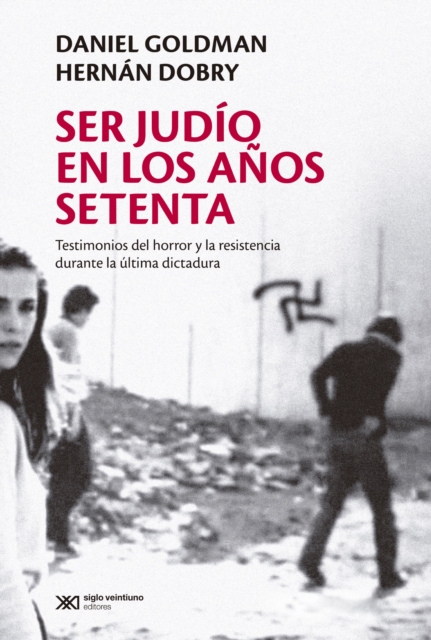
¿Cuál es el sentido de preguntarse hoy por los desaparecidos judíos durante la última dictadura militar en la Argentina, o por los soldados judíos que participaron en la Guerra de Malvinas?
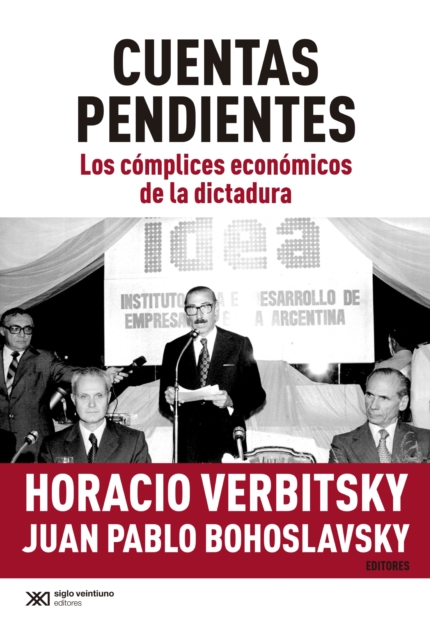
Hasta hoy la justicia argentina tuvo el mérito de investigar los delitos de sangre cometidos durante la última dictadura, pero dejó fuera del radar a los actores económicos que la promovieron, es decir, a las personas, instituciones y empresas que suministraron bienes y servicios al gobierno o que obtuvieron beneficios a cambio de apoyar la ejecución del plan criminal.
Esta obra llevó 7 años de investigación para la tesis MEL-FCPYS-UNCuyo, y tres más para su adecuación a los nuevos paradigmas que intentan dar luz de esperanza a una crisis civilizatoria 2020 sin precedentes.
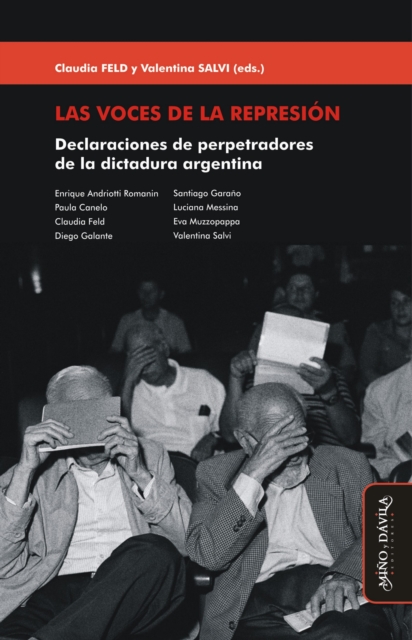
Desde el regreso de la democracia a la Argentina, los responsables de la represión tomaron la palabra públicamente generando impactos, debates y polémicas.
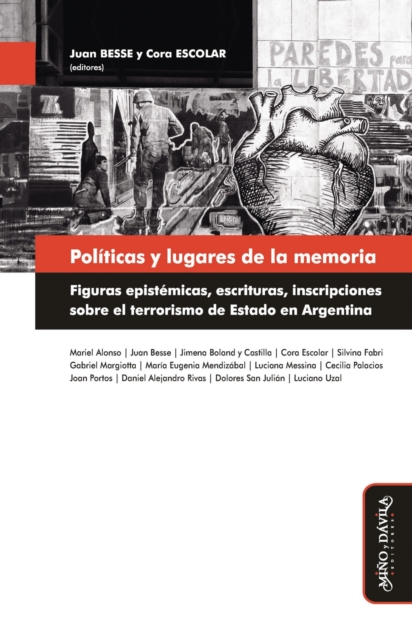
Los modos singulares en que se anudan los dispositivos institucionales de gestión, las prácticas militantes y los saberes que participan en la hechura de las políticas y lugares de la memoria dan la tonalidad a la traza del libro.
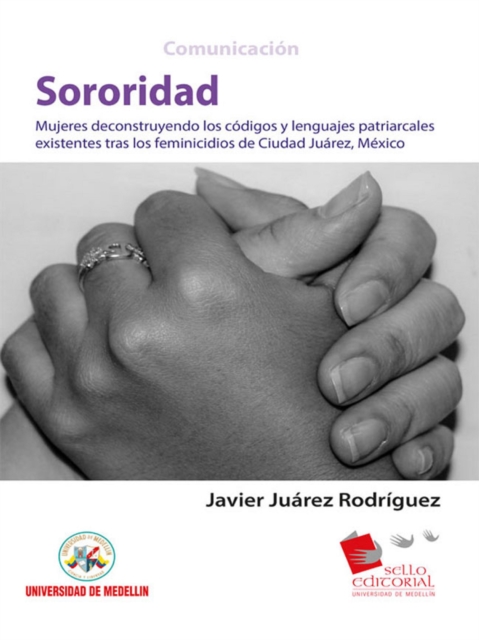
Sororidad profundiza en el análisis de los códigos y mensajes misóginos existentes tras los feminicidios sexuales, centrando su estudio en el caso de Ciudad Juárez (México).
Con el propósito de visibilizar la importancia de la aplicación de los Derechos Humanos en pro de la construcción de alternativas de vida digna y sostenible se ofrece al público, este documento reúne herramientas que le apuestan a la transformación social desde enfoques formativos y pedagógicos, y coherente con elementos específicos del bienestar humano como la economía y ecología sustentable en el marco de la equidad, principios contemplados en la Declaración Universal de los Derechos Humanos, como un derecho fundamental para el desarrollo humano.
En este libro se presentan dos zonas de conflicto urbano y los procesos organizativos que permiten la acción colectiva, la gestión territorial y la gobernanza democrática; la primera zona es la Cuenca del Río Tunjuelito y el proceso organizativo Asamblea Sur que allí actúa, la segunda está asociada al contexto de la zona aeroportuaria y a los procesos organizativos Mesa Aeroportuaria de Engativá y Casa de Derechos de Engativá.
La importancia de las tecnologías de la información y de las comunicaciones (TICS) en todos los ámbitos de la vida económica social política y cultural es hoy en día un hecho insoslayable.
Este libro es la segunda entrega del Grupo de Investigacion para la articulacion del Derecho Civil y los Derechos Economicos, Sociales y Culturales (Giadesc) de la Universidad Nacional de Colombia.
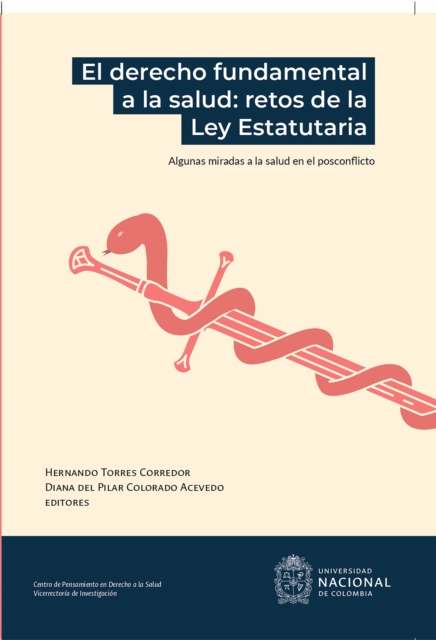
Este libro, El derecho fundamental a la salud: retos de la Ley Estatutaria —algunas miradas a la salud en el posconflicto—, es el cuarto libro preparadopor el Centro de Pensamiento en Derecho a la Salud, de la Facultad de Derecho, Ciencias Políticas y Sociales de la Universidad Nacional de Colombia, sede Bogotá.