Sie orientieren sich nicht wie die Ortsgemeinde an einer territorialen Zuständigkeit für ein bestimmtes Gebiet, sondern an bestimmten Themen, Zielgruppen und Lebenswelten.
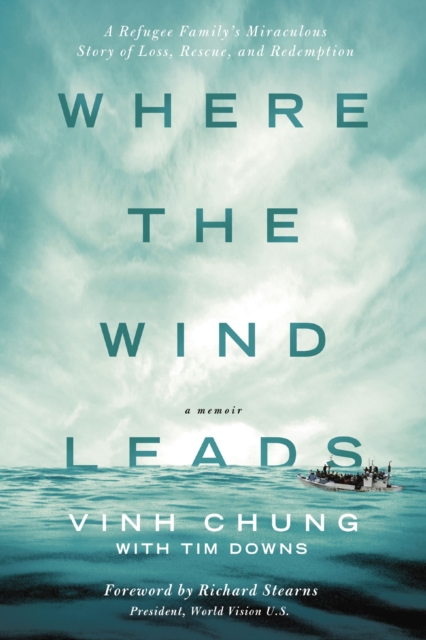
From the harrowing experiences of their journey across the South China Sea in the aftermath of the Vietnam War to the heartwarming account of their successful restaurant venture in America, the refugee story of Vinh Chung and his family is riveting.
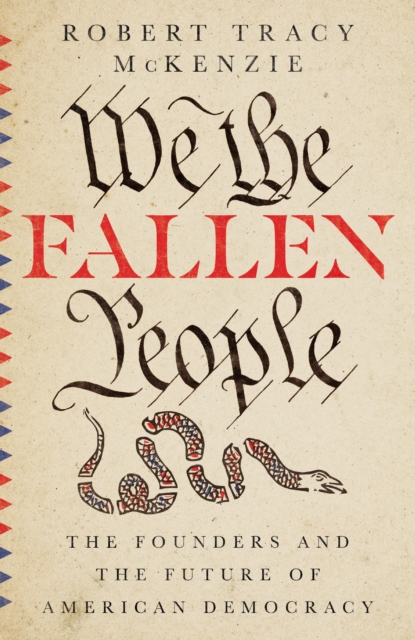
Christianity Today Book AwardThe Gospel Coalition Book Awards Honorable MentionForeword INDIES Book of the Year Award FinalistThe success and survival of American democracy have never been guaranteed.
This long-awaited book is the most detailed and up-to-date account of the complex history of Pueblo Indian land in New Mexico, beginning in the late seventeenth century and continuing to the present day.
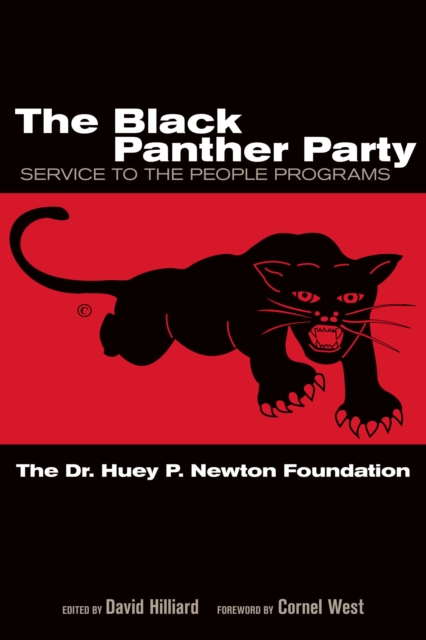
The Black Panther Party represents Black Panther Party members' coordinated responses over the last four decades to the failure of city, state, and federal bureaucrats to address the basic needs of their respective communities.
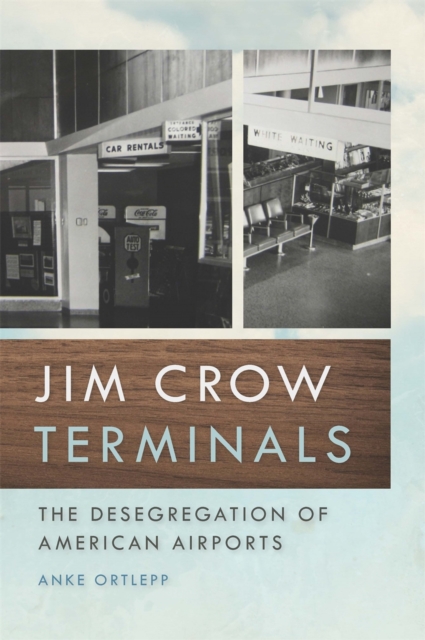
Historical accounts of racial discrimination in transportation have focused until now on trains, buses, and streetcars and their respective depots, terminals, stops, and other public accommodations.
Not only does government bureaucracy often make hiring a cumbersome, slow-moving process, but poor performers enjoy more protection from losing their jobs than their counterparts outside of government.
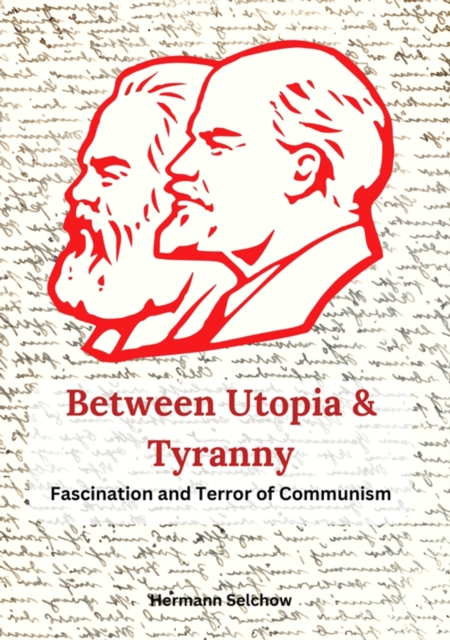
With the new edition of my book "e;Between Utopia and Tyranny: The Fascination and Horror of Communism"e; I offer you an in-depth analysis of the phenomenon of "e;communism"e;, introducing you to the history and ideologies behind one of the most influential political movements of the 20th century.
Champagne and his distinguished coauthors reveal how the structure of a multinational state has the potential to create more equal and just national communities for Native peoples around the globe.
A story of fighting to belong in a world that wasn't built for all of us and of one woman's activism--from the streets of Brooklyn and San Francisco to inside the halls of Washington--Being Heumann recounts Judy Heumann's lifelong battle to achieve respect, acceptance, and inclusion in society.
'Simply Brilliant' THE SECRET BARRISTER'Passionate and brilliantly argued' DAVID OLUSOGA'An admirably personal guide' MARINA HYDE'Smart, analytical, self-aware and important' ALASTAIR CAMPBELLTHE INTIMATE, REVEALING NEW BOOK FROM THE AUTHOR OF THE BESTSELLING, PRIZE-WINNING HOW TO BE RIGHT There's no point having a mind if you're not willing to change it James O'Brien has built well over a million loyal listeners to his radio show by dissecting the opinions of callers live on air, every day.
*The Sunday Times Bestseller*'Inspiring and illuminating' JAMES O'BRIENPicked as a 2023 highlight by the Guardian---------------Our legal system often feels like it only works for the rich and powerful.
The claim that 'LGBT rights are human rights' encounters fierce opposition in many parts of the world, as governments and religious leaders have used resistance to 'LGBT rights' to cast themselves as defenders of traditional values against neo-colonial interference and western decadence.
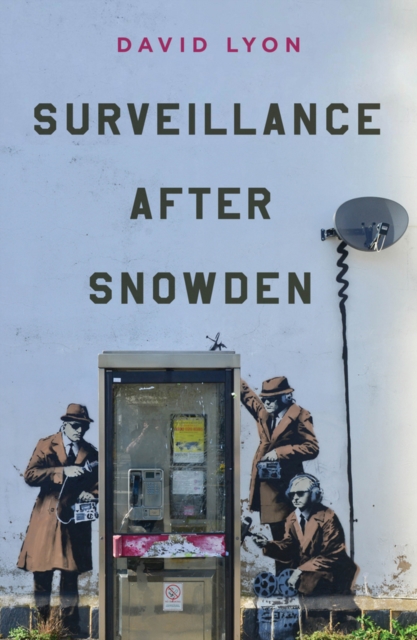
In 2013, Edward Snowden revealed that the NSA and its partners had been engaging in warrantless mass surveillance, using the internet and cellphone data, and driven by fear of terrorism under the sign of security .
Long the arena of philosophers, legal scholars, and political scientists, the interdisciplinary study of human rights has recently seen an influx of sociologists.
n Many people across the world know Antonio Negri as an internationally renowned political thinker whose book, Empire, co-authored with Michael Hardt, is an international bestseller.
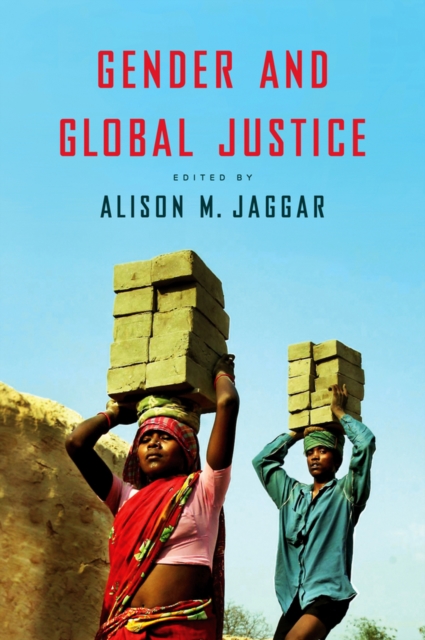
Issues of global justice have received increasing attention in academic philosophy in recent years but the gendered dimensions of these issues are often overlooked or treated as peripheral.
Political power is often viewed as the sole embodiment of 'social power', even while we recognize that social power manifests itself in different forms and institutional spheres.
Sovereign nation states, which were formed in the context of major war, have been deeply exclusionary in their dealings with minority cultures and alien outsiders.