Why churches in some democratic nations wield enormous political power while churches in other democracies don'tIn some religious countries, churches have drafted constitutions, restricted abortion, and controlled education.
The unheralded contribution of women to Egypt's Islamist movement-and how they talk about women's rights in Islamic termsIn the decades leading up to the Arab Spring in 2011, when Hosni Mubarak's authoritarian regime was swept from power in Egypt, Muslim women took a leading role in developing a robust Islamist presence in the country's public sphere.
A concise and authoritative introduction to Islamic political ideasIn sixteen concise chapters on key topics, this book provides a rich, authoritative, and up-to-date introduction to Islamic political thought from the birth of Islam to today, presenting essential background and context for understanding contemporary politics in the Islamic world and beyond.
How the history of Texas illuminates America's post-Civil War pastTracing the intersection of religion, race, and power in Texas from Reconstruction through the rise of the Religious Right and the failed presidential bid of Governor Rick Perry, Rough Country illuminates American history since the Civil War in new ways, demonstrating that Texas's story is also America's.
A groundbreaking history of the last days of the French empire in AfricaAs the French public debates its present diversity and its colonial past, few remember that between 1946 and 1960 the inhabitants of French colonies possessed the rights of French citizens.
In the last six decades, one of the most striking developments in international law is the emergence of a massive body of legal norms and procedures aimed at protecting human rights.
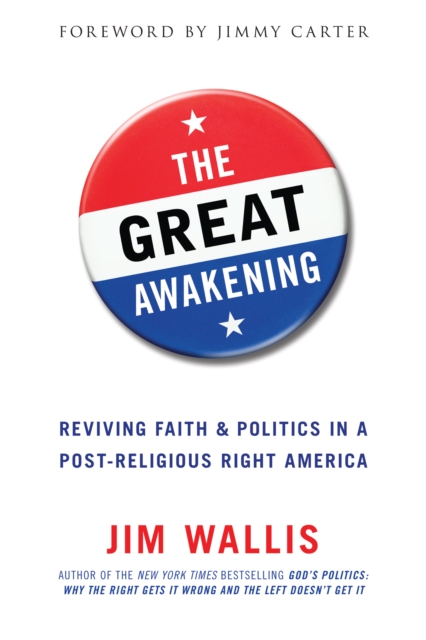
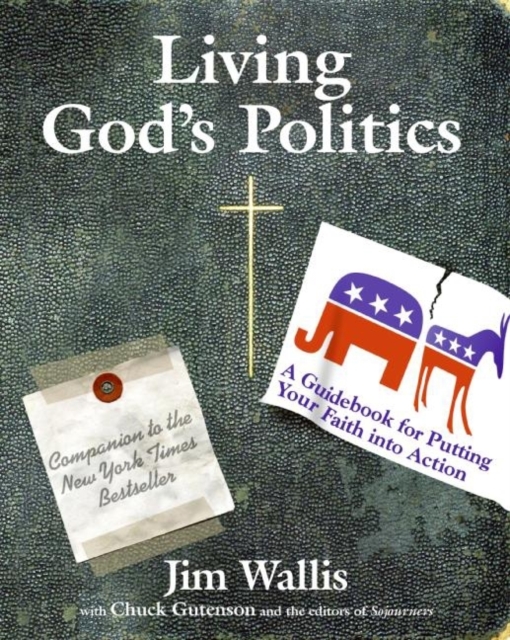
Now in paperback: the bestselling author of Gods Politics revives our hope in a politics that reflects our highest common values and offers a roadmap for solving our biggest social problems.
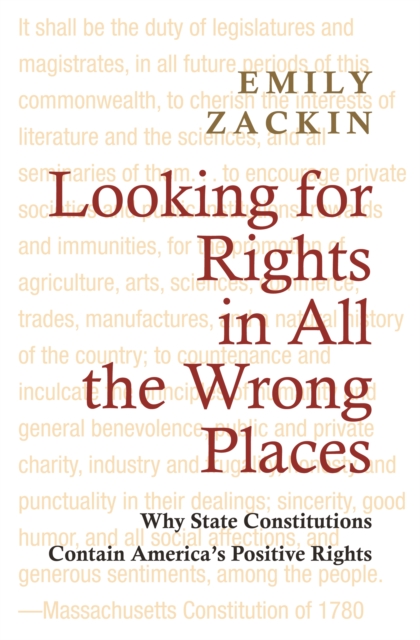
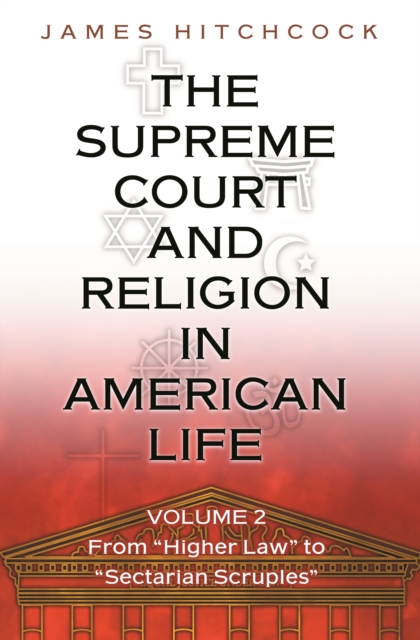
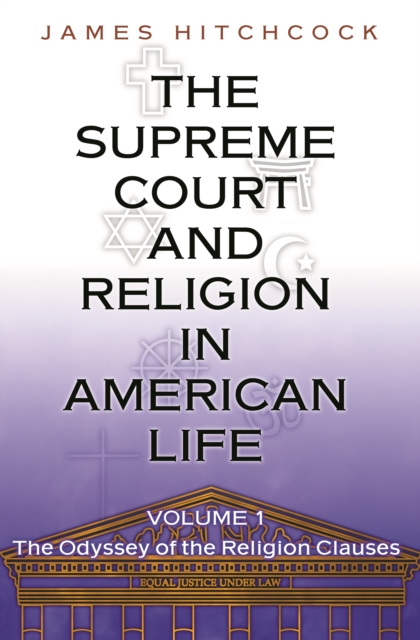
Unlike many national constitutions, which contain explicit positive rights to such things as education, a living wage, and a healthful environment, the U.
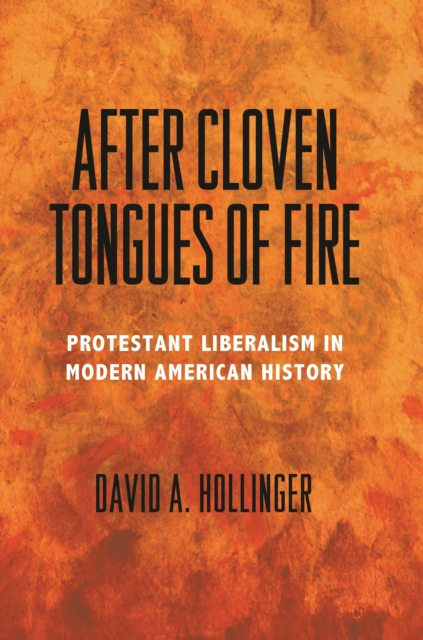
The important role of liberal ecumenical Protestantism in American historyThe role of liberalized, ecumenical Protestantism in American history has too often been obscured by the more flamboyant and orthodox versions of the faith that oppose evolution, embrace narrow conceptions of family values, and continue to insist that the United States should be understood as a Christian nation.
The quotable Ai WeiweiThis collection of quotes demonstrates the elegant simplicity of Ai Weiwei's thoughts on key aspects of his art, politics, and life.
Most studies of ancient Greek politics focus on formal institutions such as the political assembly and the law courts, and overlook the role that informal social practices played in the regulation of the political order.
Why American democracy favors the affluent and educatedPolitically active individuals and organizations make huge investments of time, energy, and money to influence everything from election outcomes to congressional subcommittee hearings to local school politics, while other groups and individual citizens seem woefully underrepresented in our political system.
An inside look at how religious diversity came to PrincetonIn 1981, Frederick Houk Borsch returned to Princeton University, his alma mater, to serve as dean of the chapel at the Ivy League school.
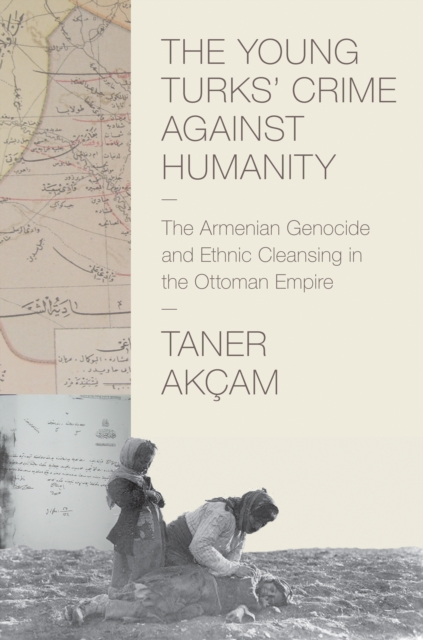
An unprecedented look at secret documents showing the deliberate nature of the Armenian genocideIntroducing new evidence from more than 600 secret Ottoman documents, this book demonstrates in unprecedented detail that the Armenian Genocide and the expulsion of Greeks from the late Ottoman Empire resulted from an official effort to rid the empire of its Christian subjects.
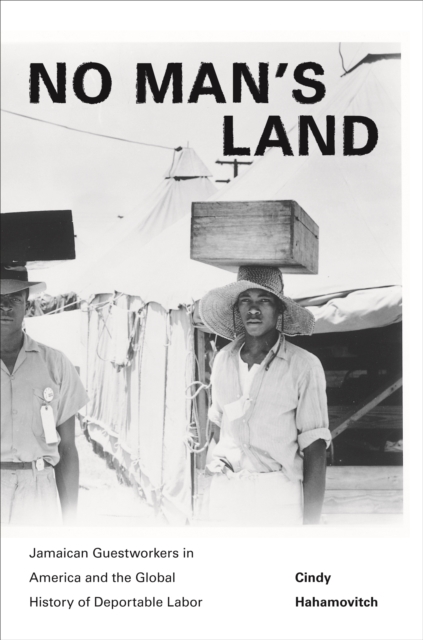
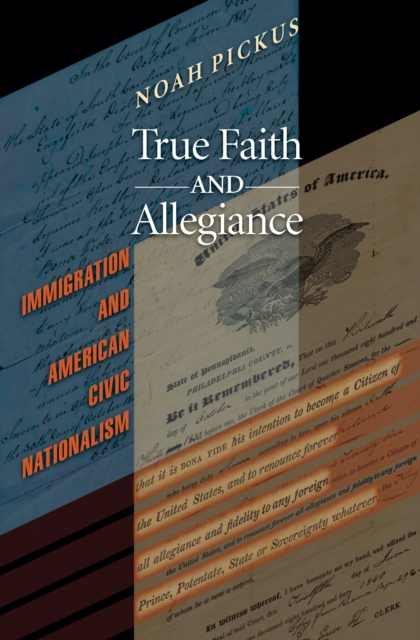
From South Africa in the nineteenth century to Hong Kong today, nations around the world, including the United States, have turned to guestworker programs to manage migration.
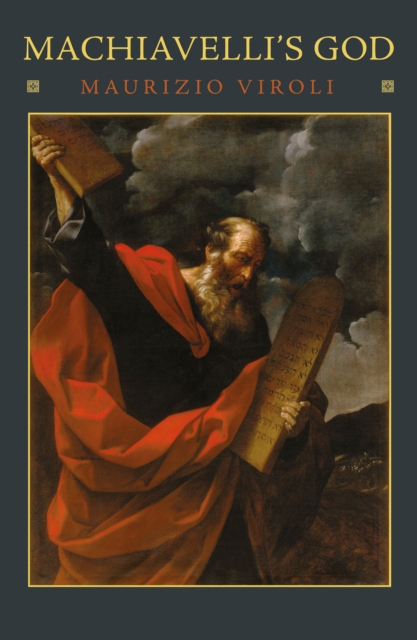
How Machiavelli's Christianity shaped his political thoughtTo many readers of The Prince, Machiavelli appears to be deeply un-Christian or even anti-Christian, a cynic who thinks rulers should use religion only to keep their subjects in check.
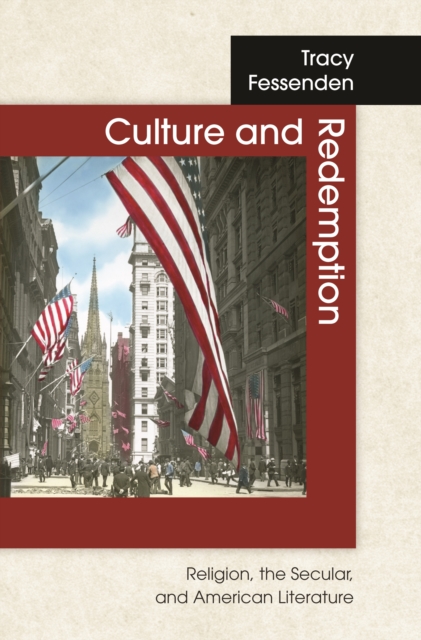
Many Americans wish to believe that the United States, founded in religious tolerance, has gradually and naturally established a secular public sphere that is equally tolerant of all religions--or none.
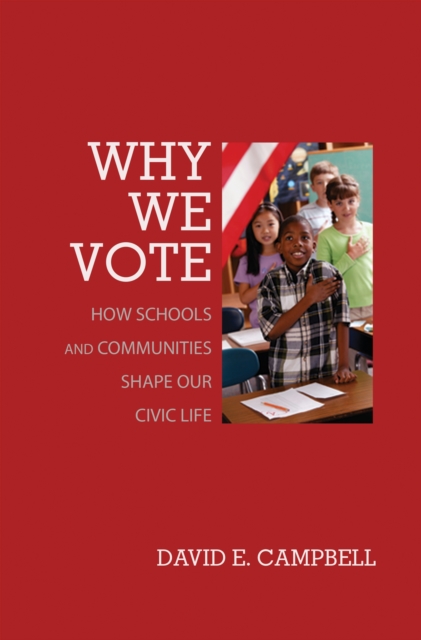
The freedom to take part in civic life--whether in the exercise of one's right to vote or congregate and protest--has become increasingly less important to Americans than individual rights and liberties.
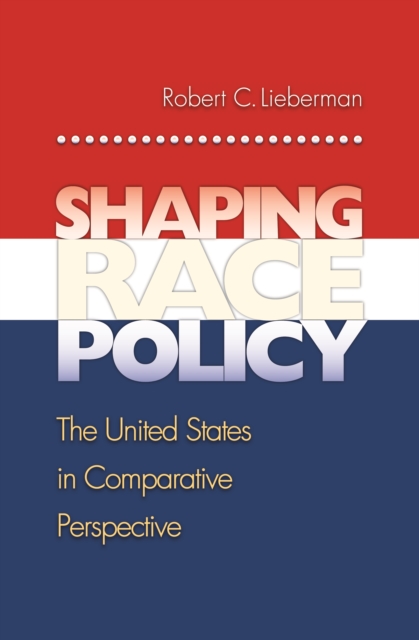
Shaping Race Policy investigates one of the most serious policy challenges facing the United States today: the stubborn persistence of racial inequality in the post-civil rights era.
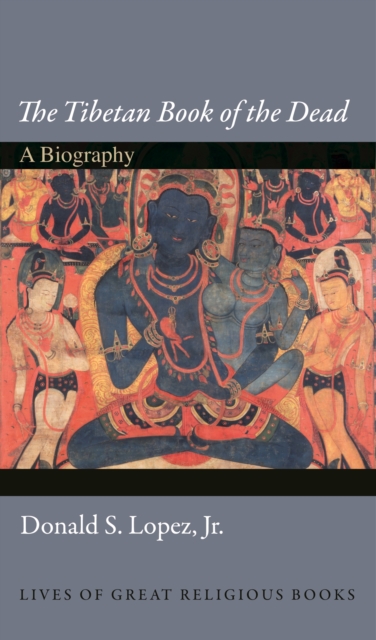
How an eccentric spiritualist from Trenton, New Jersey, helped create the most famous text of Tibetan BuddhismThe Tibetan Book of the Dead is the most famous Buddhist text in the West, having sold more than a million copies since it was first published in English in 1927.
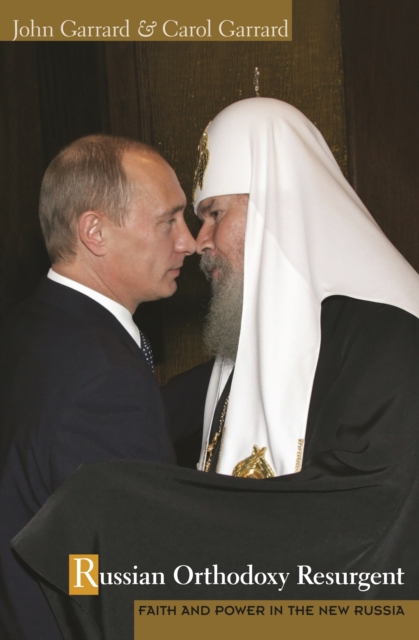
Russian Orthodoxy Resurgent is the first book to fully explore the expansive and ill-understood role that Russia's ancient Christian faith has played in the fall of Soviet Communism and in the rise of Russian nationalism today.
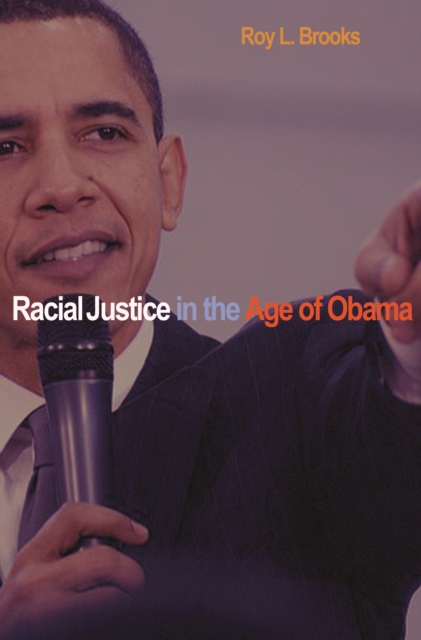
How America can achieve greater racial equality in the post-civil rights eraWith the election of Barack Obama as the first black president of the United States, the issue of racial justice in America occupies center stage.
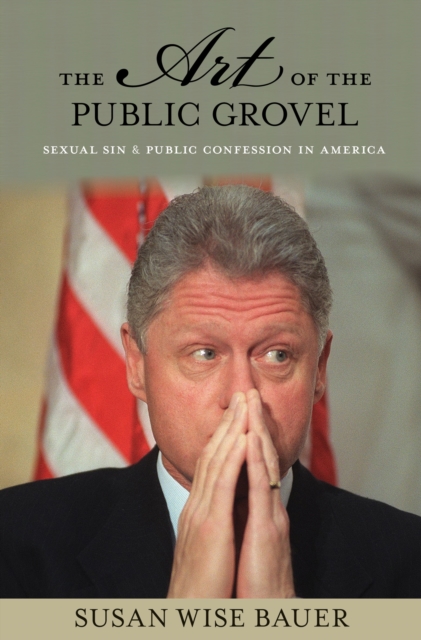
Whether you are a politician caught carrying on with an intern or a minister photographed with a prostitute, discovery does not necessarily spell the end of your public career.
Balancing respect for religious conviction and the values of liberal democracy is a daunting challenge for judges and lawmakers, particularly when religious groups seek exemption from laws that govern others.
Balancing respect for religious conviction and the values of liberal democracy is a daunting challenge for judges and lawmakers, particularly when religious groups seek exemption from laws that govern others.
9/11 and its aftermath have shown that our ideas about what constitutes sovereign power lag dangerously behind the burgeoning claims to rights and recognition within and across national boundaries.
Humanity lives inside 4 unyielding constraints, the speed of light, conservation of mass-energy, inefficiency in conversion of heat to work, and the law of demand.
The Terri Schiavo case was a key battle in a larger political struggle over abortion, stem-cell research, physician-assisted suicide, gay rights, and the appointment of federal judges.
Evoking a time when life revolved around the front porch, where friends gathered, stories were told, and small moments took on larger meaning, in todays hurry-up world, Philip Gulleys essays remind us of the world we once sharedand can share again.
After fifteen weeks on the New York Times Bestseller list, God's Politics not only changed the conversation about faith and politics in this country, it began a movement.