This book, first published in 1979, examines the little-studied forerunners of the Russian revolutionary movement - the Russian section of the First International.
This book offers an important critique of the ways in which mainstream education contributes to perpetuate an inherently unjust and exploitative Development model.
This book offers an important critique of the ways in which mainstream education contributes to perpetuate an inherently unjust and exploitative Development model.
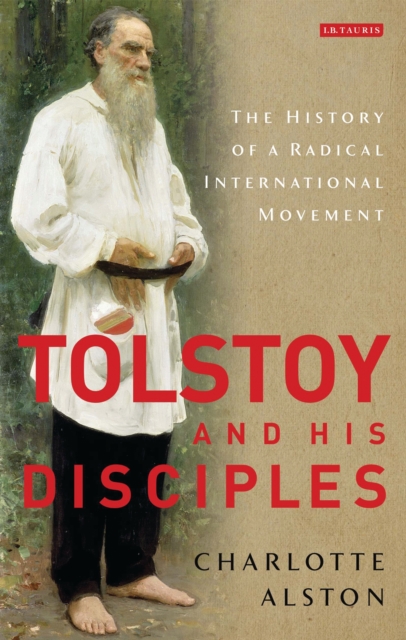
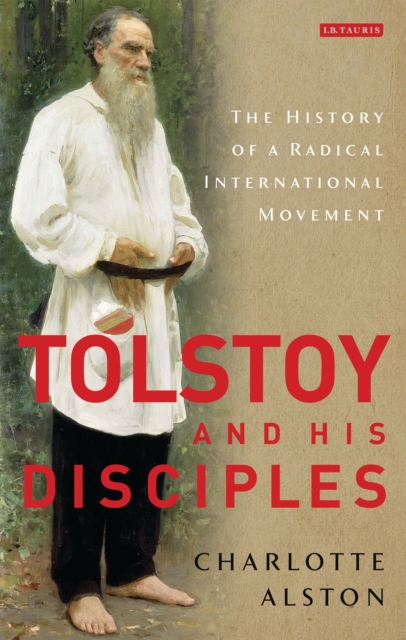
In the last thirty years of his life, Leo Tolstoy developed a moral philosophy that embraced pacifism, vegetarianism, the renunciation of private property, and a refusal to comply with the state.
In the last thirty years of his life, Leo Tolstoy developed a moral philosophy that embraced pacifism, vegetarianism, the renunciation of private property, and a refusal to comply with the state.
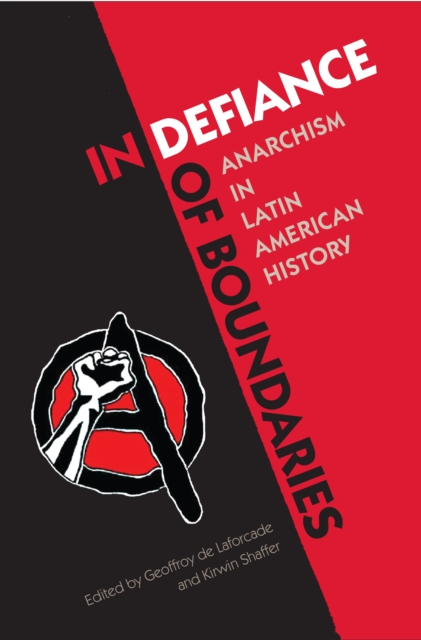
Choice Outstanding Academic Title"e;State-of-the-art yet accessible analyses that significantly expand understanding of the role of anarchism in Latin America.
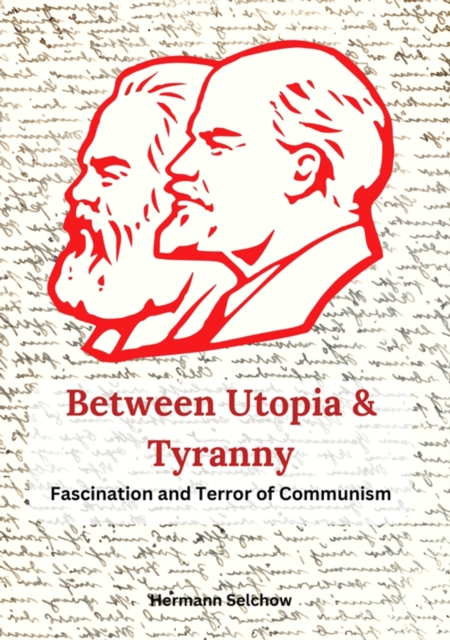
With the new edition of my book "e;Between Utopia and Tyranny: The Fascination and Horror of Communism"e; I offer you an in-depth analysis of the phenomenon of "e;communism"e;, introducing you to the history and ideologies behind one of the most influential political movements of the 20th century.
Anarchism and Ecological Economics: A Transformative Approach to a Sustainable Future explores the idea that anarchism - aimed at creating a society where there is as much freedom in solidarity as possible - may provide an ideal political basis for the goals of ecological economics.
Anarchism and Ecological Economics: A Transformative Approach to a Sustainable Future explores the idea that anarchism - aimed at creating a society where there is as much freedom in solidarity as possible - may provide an ideal political basis for the goals of ecological economics.
Originally published in 1969, Anarchy and Culture both documents and describes the influence of the student and academic in the case of revolution and protest within the university.
Originally published in 1969, Anarchy and Culture both documents and describes the influence of the student and academic in the case of revolution and protest within the university.
First published in 1997, this volume challenges the belief that possessive individualists need states to restrain them from trespassing on the natural rights of others or from harming themselves and questions whether anarchy can be sustained to accommodate the long-term self-interests of possessive individualists.
First published in 1997, this volume challenges the belief that possessive individualists need states to restrain them from trespassing on the natural rights of others or from harming themselves and questions whether anarchy can be sustained to accommodate the long-term self-interests of possessive individualists.
First published in 1999, this volume was offered as a response to an increasingly hostile and alienating political world and speaks for the vision of libertarian socialism (anarchism).
First published in 1999, this volume was offered as a response to an increasingly hostile and alienating political world and speaks for the vision of libertarian socialism (anarchism).
Provocative and engagingly written, Beyond Schooling offers a challenging perspective on State schooling in England and the unrelenting increase in centralisation from the late 1960s until the present day.
Provocative and engagingly written, Beyond Schooling offers a challenging perspective on State schooling in England and the unrelenting increase in centralisation from the late 1960s until the present day.
With all of the provocative, sometimes highly destructive acts committed in the name of anarchy, this enlightening volume invites readers to discover the true meaning of anarchism, exploring its vivid history and its resurgent relevance for addressing today's most vexing social problems.
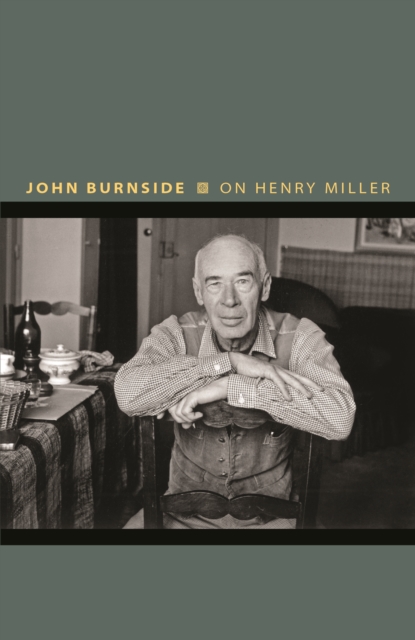
An engaging invitation to rediscover Henry Millerand to learn how his anarchist sensibility can help us escape ';the air-conditioned nightmare' of the modern worldThe American writer Henry Miller's critical reputationif not his popular readershiphas been in eclipse at least since Kate Millett's blistering critique in Sexual Politics, her landmark 1970 study of misogyny in literature and art.
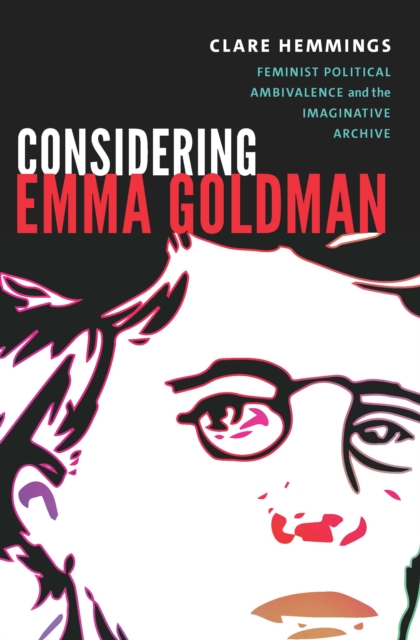
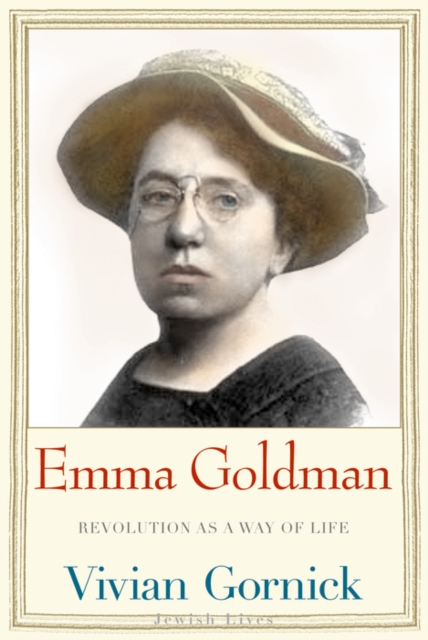
From the prizewinning Jewish Lives series, a vibrant, deeply human portrait of a woman dedicated to fierce protest against the tyranny of institutions over individuals, by the celebrated authorEmma Goldman is the story of a modern radical who took seriously the idea that inner liberation is the first business of social revolution.
A study of communities in the Horn of Africa where reciprocity is a dominant social principle, offering a concrete countermodel to the hierarchical state.
';One of the world's most widely read social scientists' (New York Times) offers his most personal and accessible booka celebration of how ordinary people can resist oppression and injusticeJames Scott taught us what's wrong with seeing like a state.
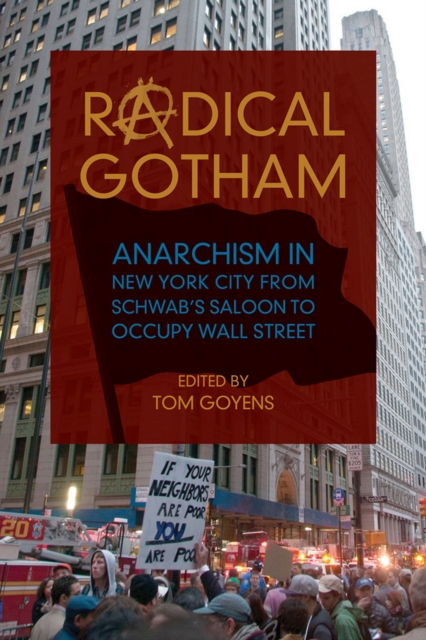
New York City's identity as a cultural and artistic center, as a point of arrival for millions of immigrants sympathetic to anarchist ideas, and as a hub of capitalism made the city a unique and dynamic terrain for anarchist activity.
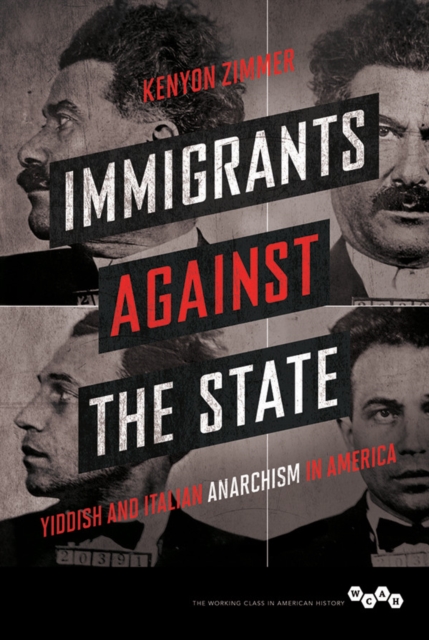
From the 1880s through the 1940s, tens of thousands of first- and second-generation immigrants embraced the anarchist cause after arriving on American shores.
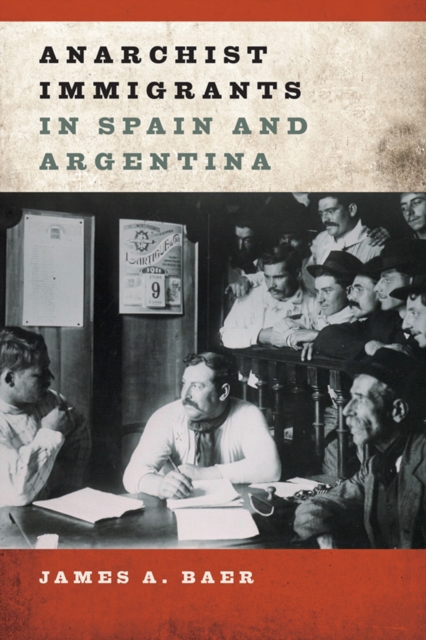
From 1868 through 1939, anarchists' migrations from Spain to Argentina and back again created a transnational ideology and influenced the movement's growth in each country.
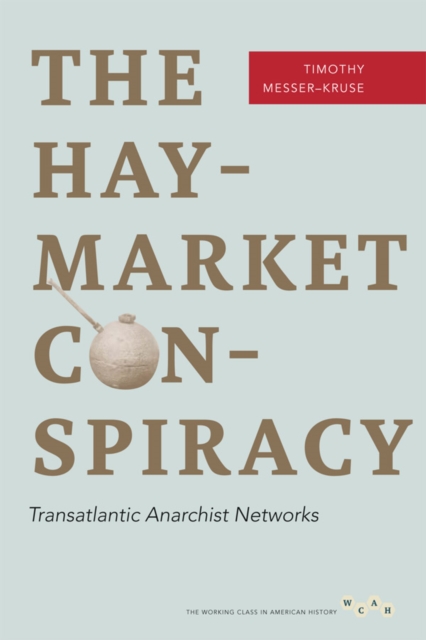
The Haymarket Conspiracy: Transatlantic Anarchist Networks traces the evolution of revolutionary anarchist ideas in Europe and their migration to the United States in the 1880s.
Agrarian radicalism's challenge to capitalism played a central role in working-class ideology while making third parties and protest movements a potent force in politics.