This is a new examination of how Shari'a law affects public policy both theoretically and in practice, across a wide range of public policy areas, including for example human rights and family law.
This is a new examination of how Shari'a law affects public policy both theoretically and in practice, across a wide range of public policy areas, including for example human rights and family law.
The aim of the book is to stimulate the realignment of political, theoretical and philosophical thinking that is now beginning in response to global warming.
The aim of the book is to stimulate the realignment of political, theoretical and philosophical thinking that is now beginning in response to global warming.
Grafting the Marxian idea that private property is coercive onto the liberal imperative of individual liberty, this new thesis from one of America's foremost intellectuals conceives a revised definition of justice that recognizes the harm inflicted by capitalism's hidden coercive structures.
Grafting the Marxian idea that private property is coercive onto the liberal imperative of individual liberty, this new thesis from one of America's foremost intellectuals conceives a revised definition of justice that recognizes the harm inflicted by capitalism's hidden coercive structures.
The book draws on International Relations Theory and International Law to study the humanisation of global politics especially within security discourses.
The book draws on International Relations Theory and International Law to study the humanisation of global politics especially within security discourses.
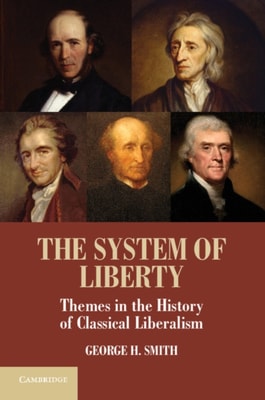
A revisionist interpretation of eighteenth- and nineteenth-century political ideas, including novel readings of canonical authors such as Burke and Mill.
A revisionist interpretation of eighteenth- and nineteenth-century political ideas, including novel readings of canonical authors such as Burke and Mill.
Explains the surprising endurance of neoliberal policymaking over two decades in post-Communist countries, from 1989–2008, and its decline after the financial crash.
Explains the surprising endurance of neoliberal policymaking over two decades in post-Communist countries, from 1989–2008, and its decline after the financial crash.
This book explores the legal culture of nineteenth-century Mexico and explains why liberal institutions flourished in some social settings but not others.
This book explores the legal culture of nineteenth-century Mexico and explains why liberal institutions flourished in some social settings but not others.
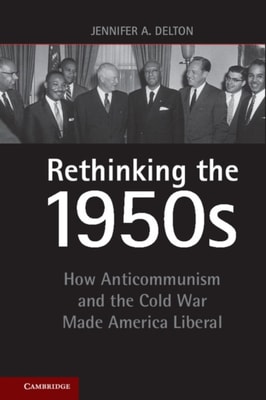
This book argues that far from subverting the New Deal state, anticommunism and the Cold War enabled, fulfilled, and even surpassed the New Deal''s reform agenda.
This book argues that far from subverting the New Deal state, anticommunism and the Cold War enabled, fulfilled, and even surpassed the New Deal''s reform agenda.