*A Waterstones, Financial Times and New Statesman Book of the Year*'A tremendous book, timely, wise, authoritative and clear' Stephen Fry'The most excellent book substantive and beautifully expressed suggestions for improving almost everything James O'Brien 'Clear, brave, compelling' David Miliband'Inspiring .
A Brookings Institution Press and the Hoover Institution publicationAmerica's polarized politics are largely disconnected from mainstream public preferences.
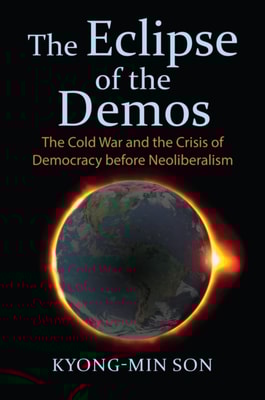
Winner: Foundations of Political Theory First Book AwardAs populism presaging authoritarianism surges worldwide and political rights and civil liberties erode, pundits, politicians, and political scientists agree: democracy is in crisis.
This book explores the writings of Norberto Bobbio (1909-2004) who was Italy's foremost political, legal, and democratic theorist, a distinguished historian of political and legal ideas, and one of the country's most perceptive public intellectuals throughout the second half of the twentieth century in Europe.
This book discusses the ways civil society initiatives open communities to newcomers and why, how, and under what circumstances some are more welcoming than others, exploring the importance of transgressive cosmopolitanism as a basis for creating more inclusive and pluralistic societies.
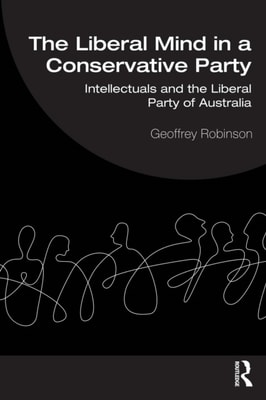
Robinson analyses the peculiarly Australian intellectual tradition of liberal conservatism within the mainstream centre-right Liberal Party of Australia.
Sixty Years of Transnational Civil Society Mobilizations: The Other Side of Global Politics offers a new reading of the role played by civil society in global politics over the last few decades.
Sixty Years of Transnational Civil Society Mobilizations: The Other Side of Global Politics offers a new reading of the role played by civil society in global politics over the last few decades.
This book critically engages with a central dilemma facing counter-hegemonic movements as global crises intensify: how to foster systemic change while maintaining the plurality of their struggles.
This book critically engages with a central dilemma facing counter-hegemonic movements as global crises intensify: how to foster systemic change while maintaining the plurality of their struggles.