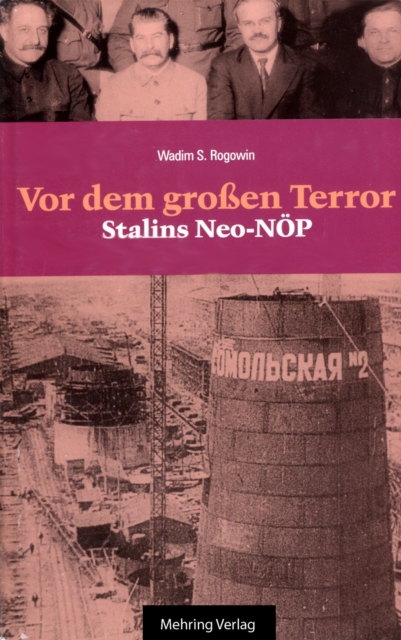
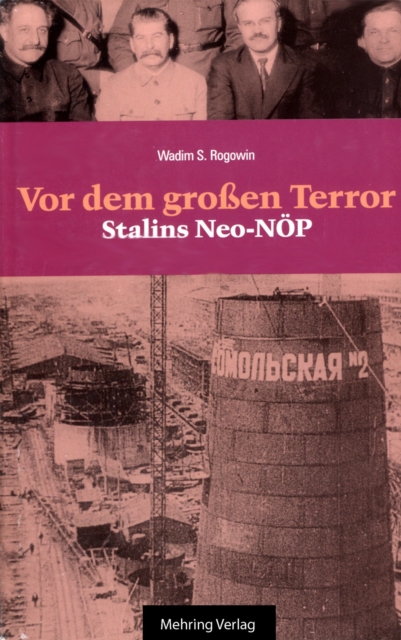
Der stalinsche Terror Ende der dreißiger Jahre übersteigt, wie auch der Holocaust, in seinen Ausmaßen und Gräueln das menschliche Vorstellungsvermögen.
Der stalinsche Terror Ende der dreißiger Jahre übersteigt, wie auch der Holocaust, in seinen Ausmaßen und Gräueln das menschliche Vorstellungsvermögen.
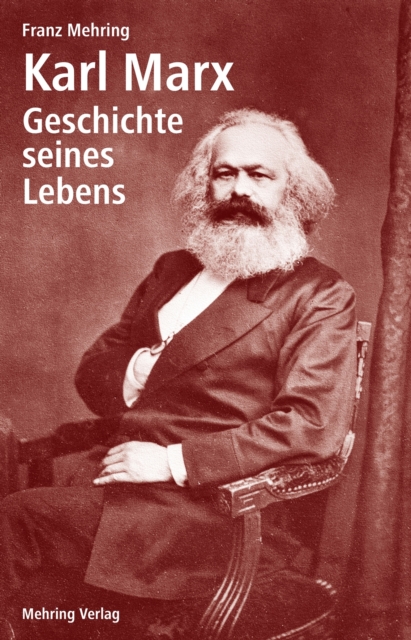
1918 zum ersten Mal veröffentlicht, zählt die Marx-Biografie von Franz Mehring, dem Mitstreiter von Rosa Luxemburg und Karl Liebknecht, zum Besten, was über Karl Marx geschrieben wurde.
Léon geht von einem streng materialistischen Standpunkt an die jüdische Frage heran: Nicht die jüdische Religion und Kultur erklärt seiner Ansicht nach, weshalb sich die Juden als gesonderte gesellschaftliche Gruppe erhalten haben, sondern ihre Rolle in Wirtschaft und Gesellschaft.
In diesem Band liegen die wichtigsten Artikel und Reden Leo Trotzkis zu den Fragen des Alltags, der Kultur und der Erziehung in der jungen Sowjetunion vor.
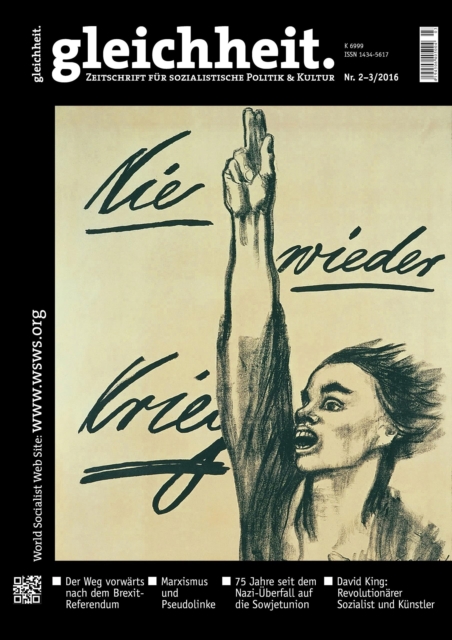
Die neue Ausgabe der gleichheit trägt den Titel »Nie wiederKrieg« und zeigt auf dem Cover eine demonstrierende Frau,die mit mahnender Geste entschlossen für den Kampf gegenKrieg eintritt.
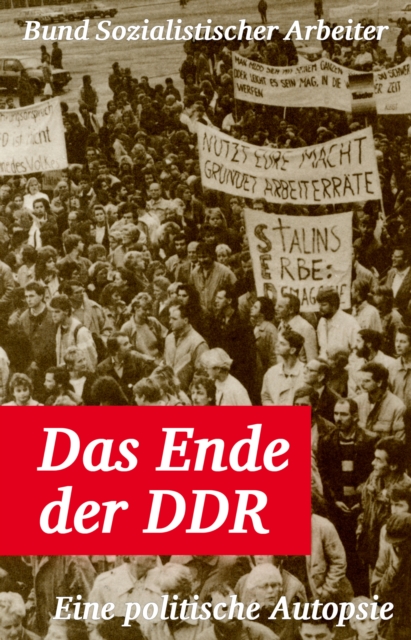
Die Dokumente, die in diesem Buch gesammelt sind, entstanden im Feuer der Ereignisse – von den Massendemonstrationen in der DDR 1989 bis zur Wiedervereinigung im Herbst 1990.
En este libro se realiza un estudio discursivo e histórico- conceptual sobre el populismo y la(s) Violencia(s) en América Latina a partir de dos experiencias disímiles, el primer peronismo en Argentina y el gaitanismo en Colombia.
2024 Independent Publisher Book Awards Winner Silver Medal, World HistoryNadia Comaneci is the Romanian child prodigy and global gymnastics star who ultimately fled her homeland and the brutal oppression of a communist regime.
This book is a novel study on the way revolutions in science, technology and communication impact philosophy/world outlook including Marxism, society's future, mode of production, capitalism/socialism dichotomy, world economy, and trends like postmodernism and post-industrialism.
This book is a novel study on the way revolutions in science, technology and communication impact philosophy/world outlook including Marxism, society's future, mode of production, capitalism/socialism dichotomy, world economy, and trends like postmodernism and post-industrialism.
The present collection contains papers of the first national workshop organised by the All India Progressive Forum (AIPF) on '21st Century Socialism' in Hyderabad.
Esta deslumbrante crónica escrita por Marx entre diciembre de 1851 y marzo de 1852 muestra una vigencia indiscutible hoy, cuando la celebración o la impugnación del pasado aplasta la imaginación de otros futuros.
El concepto de "Fetichismo de la mercancía" elaborado por Marx en El capital adquiere una gran importancia social y política en tanto la lógica de capital se opone a la lógica social.
The Socialist Industrial State (1976) examines the state-socialist system, taking as the central example the Soviet Union - where the goals and values of Marxism-Leninism and the particular institutions, the form of economy and polity, were first adopted and developed.
The Socialist Industrial State (1976) examines the state-socialist system, taking as the central example the Soviet Union - where the goals and values of Marxism-Leninism and the particular institutions, the form of economy and polity, were first adopted and developed.
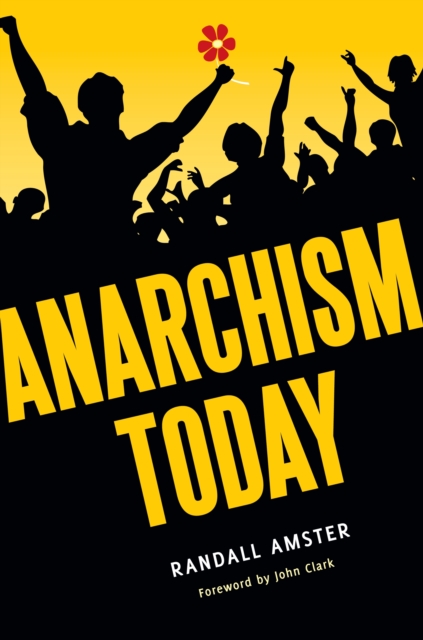
With all of the provocative, sometimes highly destructive acts committed in the name of anarchy, this enlightening volume invites readers to discover the true meaning of anarchism, exploring its vivid history and its resurgent relevance for addressing today's most vexing social problems.
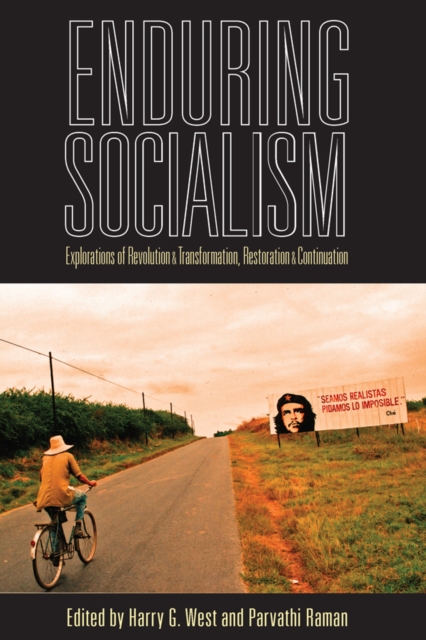
Against the historical backdrop of successive socialist and post-socialist claims to have completely remade society, the contributors to this volume explore the complex and often paradoxical continuities between diverse post-socialist presents and their corresponding socialist and pre-socialist pasts.
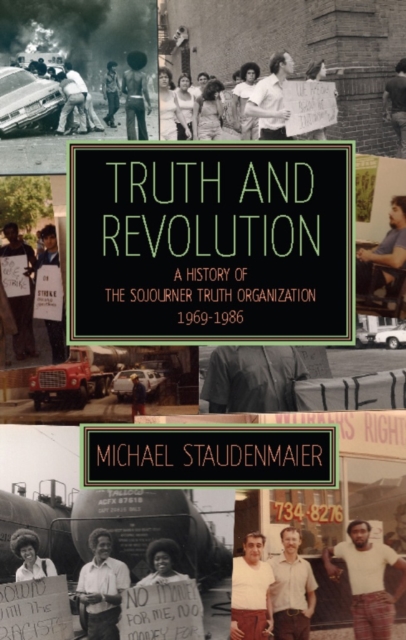
Founded in Chicago in 1969 from the rubble of the recently crumbled SDS, the Sojourner Truth Organization (STO) brought working-class consciousness to the forefront of New Left discourse, sending radicals back into the factories and thinking through the integration of radical politics into everyday realities.
In Marxist theory, socialism, or the socialist mode of production, refers to a specific historical phase of economic development and its corresponding set of social relations that eventually supersede capitalism.
In this collection of essays, interviews, and speeches, the renowned activist examines today's issues-from Black Lives Matter to prison abolition and more.
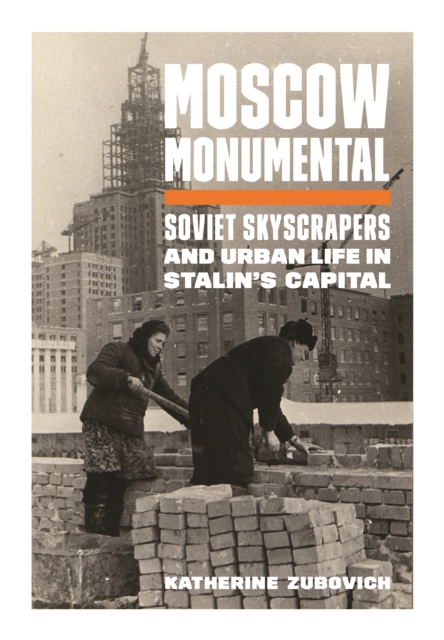
An in-depth history of the Stalinist skyscraperIn the early years of the Cold War, the skyline of Moscow was forever transformed by a citywide skyscraper building project.
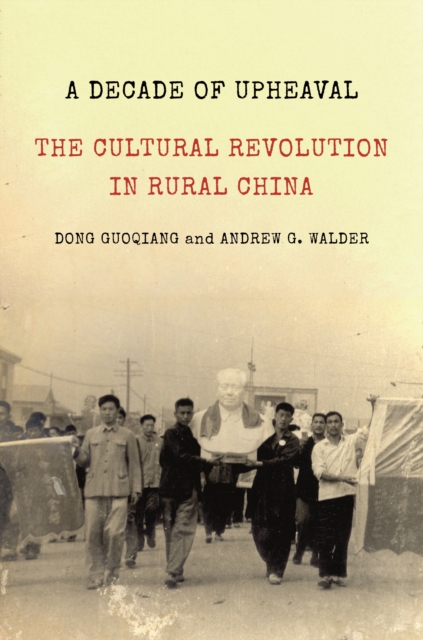
A revealing exploration of political disruption and violence in a rural Chinese county during the Cultural RevolutionA Decade of Upheaval chronicles the surprising and dramatic political conflicts of a rural Chinese county over the course of the Cultural Revolution.
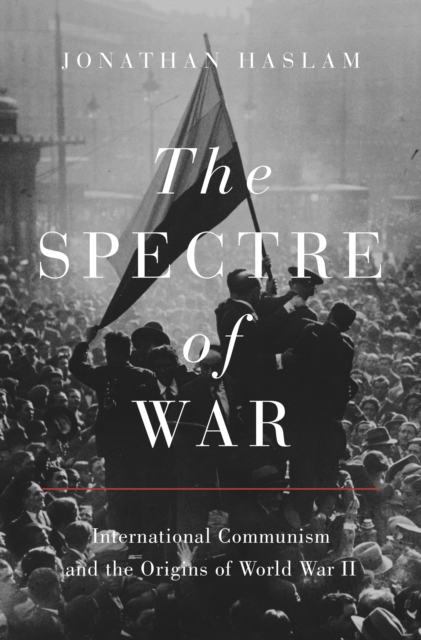
A bold new history showing that the fear of Communism was a major factor in the outbreak of World War IIThe Spectre of War looks at a subject we thought we knew-the roots of the Second World War-and upends our assumptions with a masterful new interpretation.
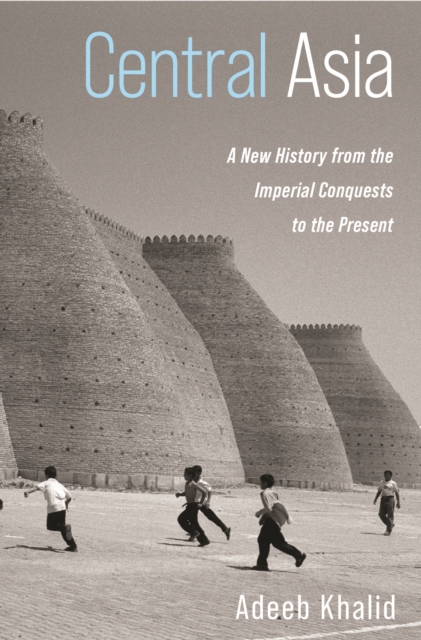
A major history of Central Asia and how it has been shaped by modern world eventsCentral Asia is often seen as a remote and inaccessible land on the peripheries of modern history.