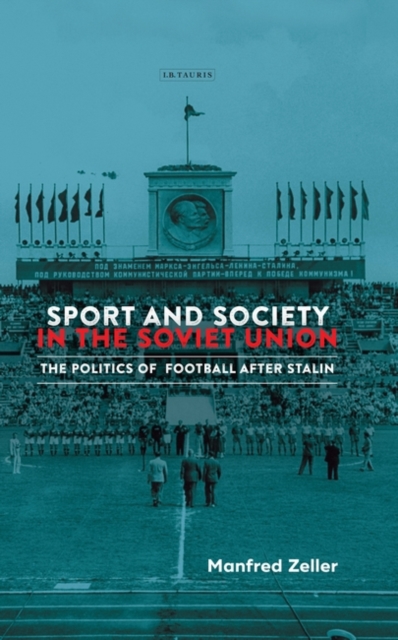
Following Stalin's death in 1953, association football clubs, as well as the informal supporter groups and communities which developed around them, were an important way for the diverse citizens of the multinational Soviet Union to express, negotiate and develop their identities, both on individual and collective levels.
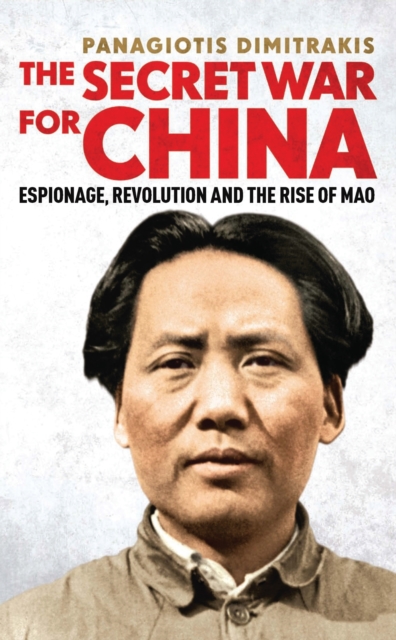
In 1927, Chiang Kai-shek - the head of China's military academy and leader of the Kuomintang (KMT) - began the `northern expeditions' to bring China's northern territories back under the control of the state.
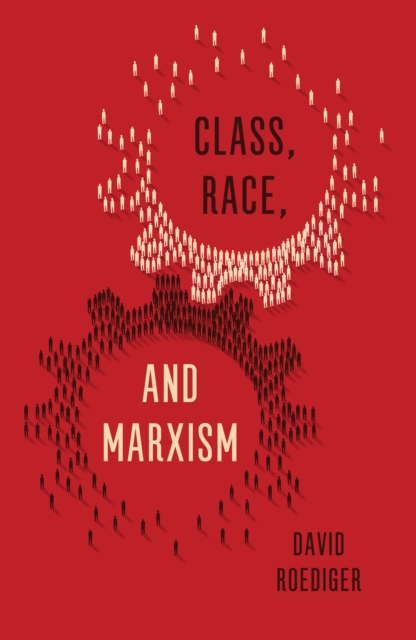
Seen as a key figure in the critical study of whiteness, US historian David Roediger has sometimes received criticism, and praise, alleging that he left Marxism behind in order to work on questions of identity.
Historian and political thinker Ellen Meiksins Wood argues that theories of "e;postmodern"e; fragmentation, "e;difference"e;, and contingency can barely accommodate the idea of capitalism, let alone subject it to critique.
In his new book, G,ran Therborn - author of the now standard comparative work on classical sociology and historical materialism, Science, Class and Society - looks at successive state structures in an arrestingly fresh perspective.
In this classic study, which won the Isaac Deutscher Memorial Prize, Ellen Wood provides a critical survey of influential trends in "e;post-Marxist"e; theory.
Shortlisted for the Deutscher Memorial Prize 2023This book presents an encompassing, detailed and thorough overview and reconstruction of Lefebvre's theory of space and of the urban.
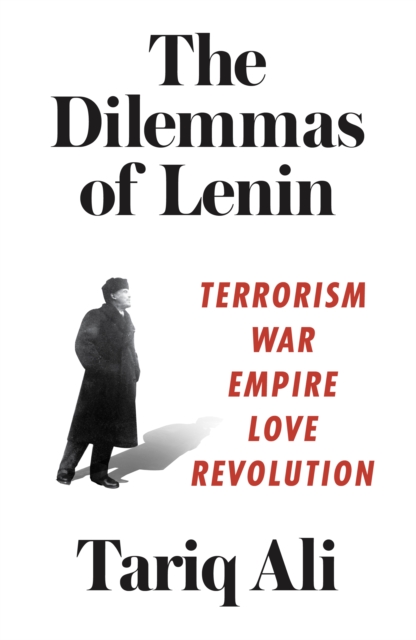
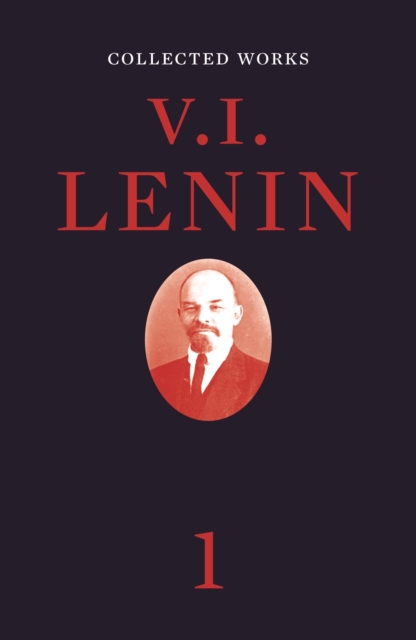
Among the most influential political and social forces of the twentieth century, modern communism rests firmly on philosophical, political, and economic underpinnings developed by Vladimir Ilyich Ulyanov, later known as Lenin.
This study of Marx serves not only as an excellent introduction to that most influential of "e;worldly philosophers"e; but is also a significant resume of the central issues of Bloch's own profound and wide-ranging thought.
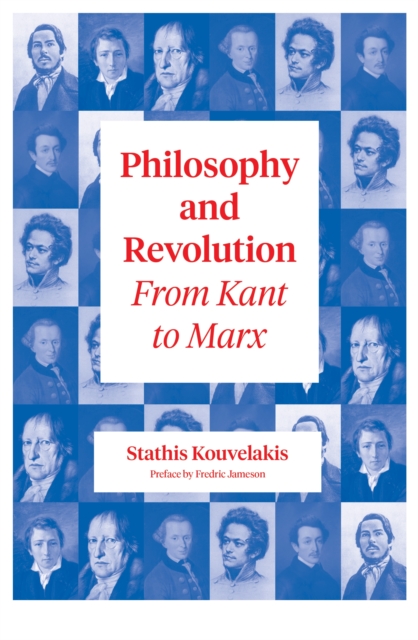
In this ambitious and original study, Stathis Kouvelakis paints a rich panorama of the key intellectual and political figures in the effervescence of German thought before the 1848 revolutions.
Among the most influential political and social forces of the twentieth century, modern communism rests firmly on philosophical, political, and economic underpinnings developed by Vladimir Ilyich Ulyanov, later known as Lenin.
Skillfully deploying a large cast of characters, Sheehan retraces the development of Marxist philosophy of science through detailed and highly readable accounts of the debates that have characterized it.
Written in the white heat of revolutionary Russia's Civil War, Trotsky's Terrorism and Communism is one of the most potent defenses of revolutionary dictatorship.
The basic discoveries underlying Marx's critique of political economy - labour power, surplus value, use value - are all in some way built upon the concept of need.
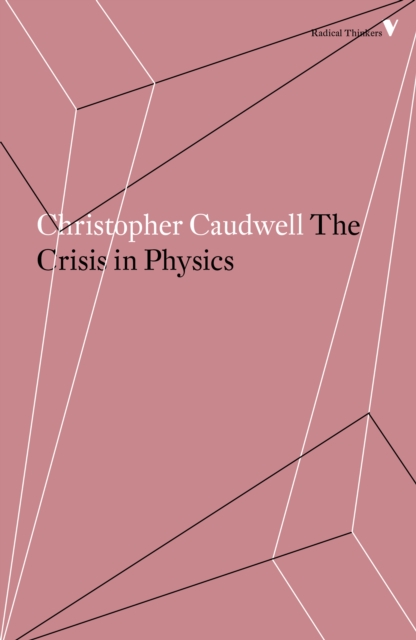
Christopher Caudwell's The Crisis in Physics is a stylish and readable analysis of the lines of connection between scientific theories and economic realities.
Commissioned by Oliver Stone in 2015 to commemorate the Russian Revolution, Tariq Ali's captivating screenplay of the life and times of Vladimir Lenin puts flesh on the bones of the historical record and gets its pulse racing.
A philosophical examination of the theoretical terrain of contemporary Maoism premised on the counter-intuitive assumption that Maoism did not emerge as a coherent theory until the end of the 1980s.