Using Nietzsche's categories of monumentalist, antiquarian and critical history, the author examines the historical and theoretical contexts of the collapse of the GDR in 1989 and looks at the positive and negative legacies of the GDR for the PDS (the successor party to the East German Communists).
This influential collection of essays focuses on the elusive concept of "e;value,"e; and aims to answer the question "e;Why is Marx's theory of value so important?
The republication of Suzanne de Brunhoff's classic investigation into Karl Marx's conception of "e;the money commodity"e; shines light on commodities and their fetishism.
Germany in the mid 1920s, a place and time of looming turmoil, brought together Walter Benjamin-acclaimed critic and extraordinary literary theorist-and Bertolt Brecht, one of the twentieth century's most influential playwrights.
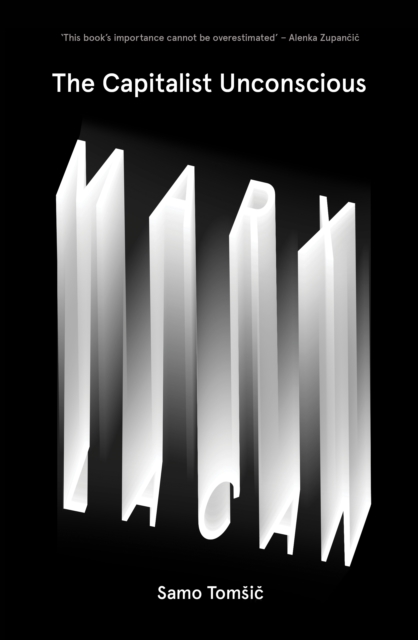
Despite a resurgence of interest in Lacanian psychoanalysis, particularly in terms of the light it casts on capitalist ideology-as witnessed by the work of Slavoj Zizek-there remain remarkably few systematic accounts of the role of Marx in Lacan's work.
An international bestseller, originally published in 1970, when Shulamith Firestone was just twenty-five years old, The Dialectic of Sex was the first book of the women's liberation movement to put forth a feminist theory of politics.
Reflecting on the fate of the Russian Revolution one hundred years after October, Ronald Grigor Suny-one of the world's leading historians of the period-explores the historiographical controversies over 1917, Stalinism, and the end of "e;Communism"e; and provides an assessment of the achievements, costs, losses and legacies of the choices made by Soviet leaders.
Written by one of political theory's leading thinkers, The Philosophy of Marx examines all the key areas of Marx's writings in their wider historical and theoretical context-including the concepts of class struggle, ideology, humanism, progress, determinism, commodity fetishism, and the state.
In 1923, a group of young radical German thinkers and intellectuals came together to at Victoria Alle 7, Frankfurt, determined to explain the workings of the modern world.
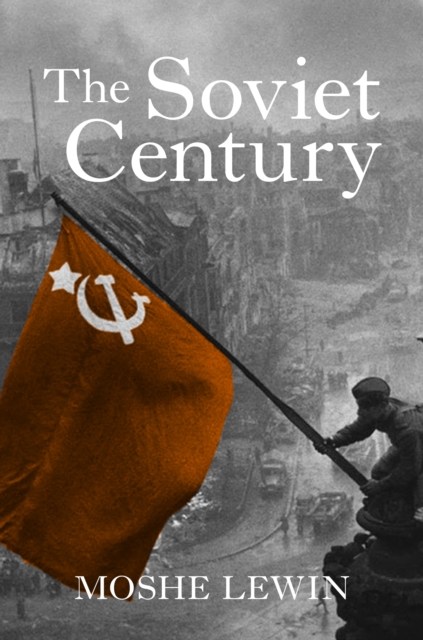
One hundred years after the Russian Revolution the Soviet Union remains the most extraordinary, yet tragic, attempt to create a society beyond capitalism.
In The Origin of Capitalism, a now-classic work of history, Ellen Meiksins Wood offers readers a clear and accessible introduction to the theories and debates concerning the birth of capitalism, imperialism, and the modern nation state.
For some East Germans, the fall of communism was like the end of a long and painful love affair: free to tell the truth at last, they found they no longer wanted to hear it.
Revolutionary critic of the philosophy of progress, nostalgic of the past yet dreaming of the future, romantic partisan of materialism - Walter Benjamin is in every sense of the word an "e;unclassifiable"e; philosopher.
This synoptic essay considers the nature and evolution of the Marxist theory that developed in Western Europe, after the defeat of the proletarian rebellions in the West and the isolation of the Russian Revolution in the East in the early 1920s.
The Benjamin Files offers a comprehensive new reading of all of Benjamin's major works and a great number of his shorter book reviews, notes and letters.
In February of 1917 Russia was a backward, autocratic monarchy, mired in an unpopular war; by October, after not one but two revolutions, it had become the world's first workers' state, straining to be at the vanguard of global revolution.
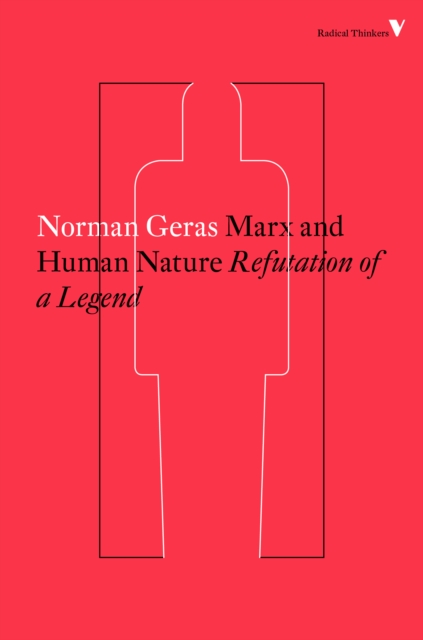
In this passionate and polemical classic work, Norman Geras argues that the view that Marx broke with all conceptions of human nature in 1845 is wrong.
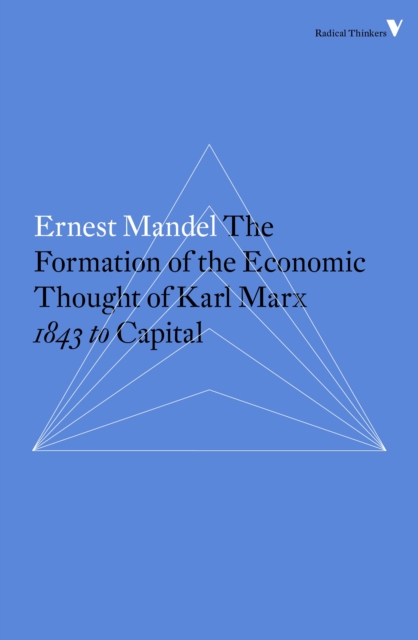
In this republication of the 1971 original, Ernest Mandel traces the development of Marx's economic ideas from the Economic and Philosophic Manuscripts to the completion of the Grundrisse.
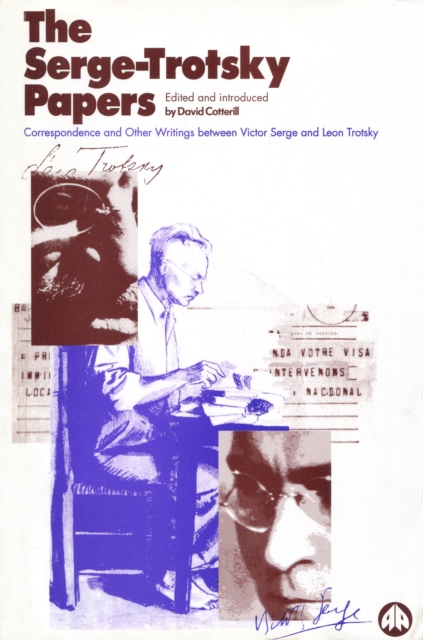
Leon Trotsky and Victor Serge represent the great and tragic oppositional figures to Stalin's dictatorial grip on the Soviet Union in the late 1920s and 1930s.
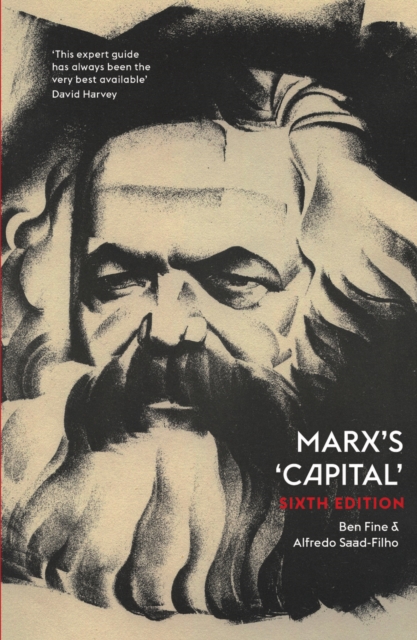
'This expert guide to the political economy of Marx's Capital has always been the very best available' - David HarveyThis brilliantly concise book is the classic companion to Karl Marx's most well-known work, Capital.
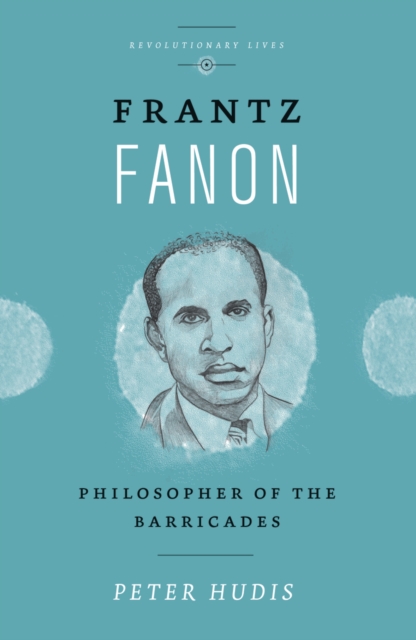
Frantz Fanon (1925-1961) was a Caribbean and African psychiatrist, philosopher and revolutionary whose works, including Black Skin, White Masks and The Wretched of the Earth are hugely influential in the fields of post-colonial studies, critical theory, and post-Marxism.
How can activists combat the political paralysis that characterises the anti-dialectical Marxism of Foucault, Derrida and Deleuze, without reverting to a dogmatic orthodoxy?