This book assembles translations of the work of leading critical socialist feminist Song Shaopeng, presenting a concise narrative which theorizes China's political and social development through a gendered lens.
This book examines the relations between the Albanian communist regime and the Albanian Autocephalous Orthodox Church (AAOC) from 1945, when the communists came to power, to 1967, when Albania became the only atheistic state in the world, and religion of all kinds was completely suppressed.
This book examines the relations between the Albanian communist regime and the Albanian Autocephalous Orthodox Church (AAOC) from 1945, when the communists came to power, to 1967, when Albania became the only atheistic state in the world, and religion of all kinds was completely suppressed.
Piero Sraffa and Joan Robinson, both iconic Cambridge economists, were highly influenced by the economic theory of Karl Marx, and integrated important elements of Marx's economic system into their theories.
Piero Sraffa and Joan Robinson, both iconic Cambridge economists, were highly influenced by the economic theory of Karl Marx, and integrated important elements of Marx's economic system into their theories.
This edited collection is based on a series of articles written by Michael A Peters as Editor-in-Chief of Educational Philosophy and Theory to explore the concept of The Chinese Dream first introduced by President Xi in 2012.
This edited collection is based on a series of articles written by Michael A Peters as Editor-in-Chief of Educational Philosophy and Theory to explore the concept of The Chinese Dream first introduced by President Xi in 2012.
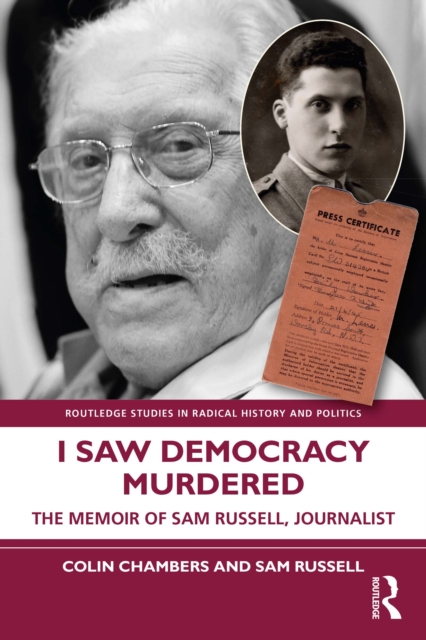
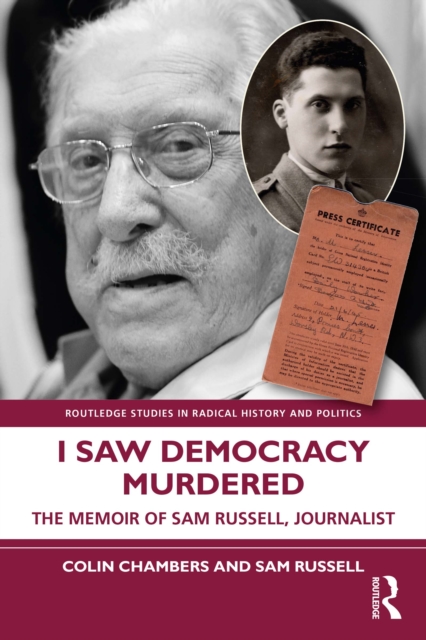
I Saw Democracy Murdered is the memoir of Sam Russell (1915-2010), a communist journalist and a British volunteer with the anti-fascist Republican forces in the Spanish Civil War.
I Saw Democracy Murdered is the memoir of Sam Russell (1915-2010), a communist journalist and a British volunteer with the anti-fascist Republican forces in the Spanish Civil War.
Examining the interaction between the Communist Party of China (CCP) and specific social categories (including peasants, workers, the middle classes, and the dominant class), with a focus on class and class discourse, this volume analyses the CCP's impact on social change in China between 1921 and 1978.
Examining the interaction between the Communist Party of China (CCP) and specific social categories (including peasants, workers, the middle classes, and the dominant class), with a focus on class and class discourse, this volume analyses the CCP's impact on social change in China between 1921 and 1978.
This book, first published in 1965, is a scrupulously fair study of the origins and evolution of Castroism and an assessment of the impact of the Cuban revolution and of Castro's subsequent domestic and foreign policies on the rest of Latin America.
This book, first published in 1965, is a scrupulously fair study of the origins and evolution of Castroism and an assessment of the impact of the Cuban revolution and of Castro's subsequent domestic and foreign policies on the rest of Latin America.
First published in 1980, Socialism, Social Welfare and the Soviet Union examines the views of Marx, Engels and Lenin on what constitutes a socialist form of provision of social security, income, education, health and housing.
First published in 1980, Socialism, Social Welfare and the Soviet Union examines the views of Marx, Engels and Lenin on what constitutes a socialist form of provision of social security, income, education, health and housing.
This volume presents a close reading of instances of Shakespearean quotations, allusions, imagery and rhetoric found in Karl Marx's collected works and letters, which provides evidence that Shakespeare's writings exerted a formative influence on Marx and the development of his work.
This volume presents a close reading of instances of Shakespearean quotations, allusions, imagery and rhetoric found in Karl Marx's collected works and letters, which provides evidence that Shakespeare's writings exerted a formative influence on Marx and the development of his work.
This book explores Marxism and related political-economic theory, and its implications for education around the world, as seen in the history of the journal Educational Philosophy and Theory.
This book explores Marxism and related political-economic theory, and its implications for education around the world, as seen in the history of the journal Educational Philosophy and Theory.
We have taken on the challenge of asking AI (an artificial intelligence machine) uncomfortable questions and seeking answers that are both honest and insightful.
Essays on Marxism and Asia begins with the largely forgotten prophet of ancient Iran Zarathushtra, remembered and immortalised by Friedrich Nietzsche's Also Sprach Zarathustra.
Essays on Marxism and Asia begins with the largely forgotten prophet of ancient Iran Zarathushtra, remembered and immortalised by Friedrich Nietzsche's Also Sprach Zarathustra.
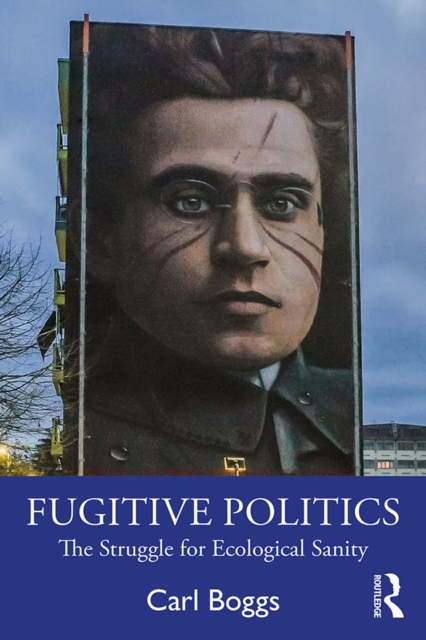
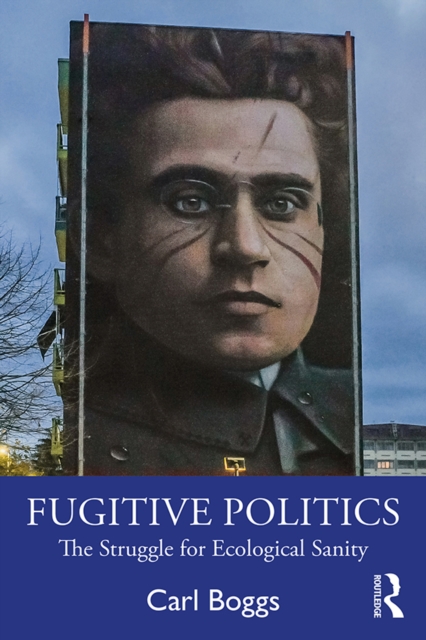
Fugitive Politics explores the intersection between politics and ecology, between the requirements for radical change and the unprecedented challenges posed by the global crisis, a dialectic has rarely been addressed in academia.
Fugitive Politics explores the intersection between politics and ecology, between the requirements for radical change and the unprecedented challenges posed by the global crisis, a dialectic has rarely been addressed in academia.
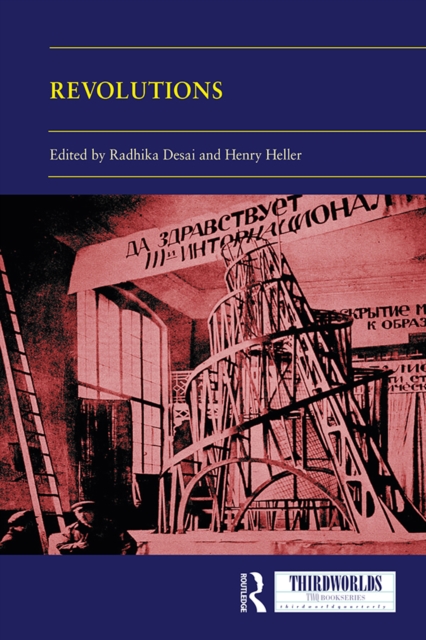
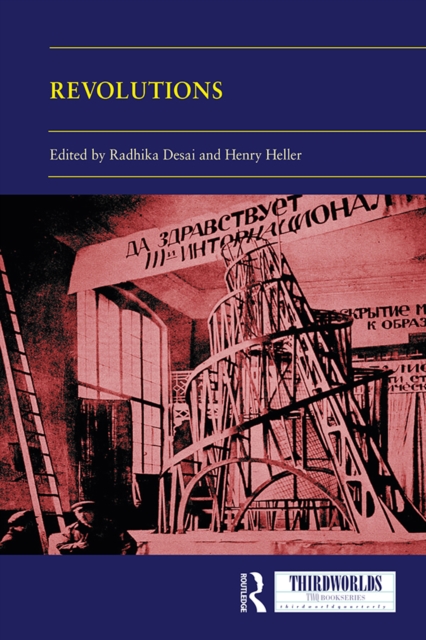
As the centres of world capitalism struggle to overcome long-term stagnation and existential crisis, this book aims to recover the legacy of revolutions against capitalism and imperialism.
As the centres of world capitalism struggle to overcome long-term stagnation and existential crisis, this book aims to recover the legacy of revolutions against capitalism and imperialism.
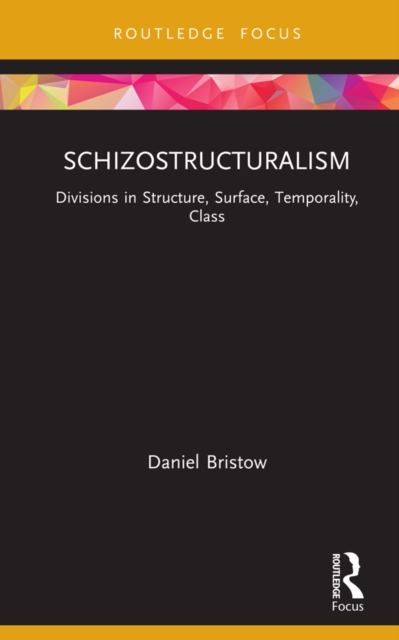
Schizostructuralism draws together insights from psychoanalytic, structuralist, and Marxist theory, and the divisions and antagonisms that both underpin and distinguish them, to form a new psychoanalytic system.
Schizostructuralism draws together insights from psychoanalytic, structuralist, and Marxist theory, and the divisions and antagonisms that both underpin and distinguish them, to form a new psychoanalytic system.