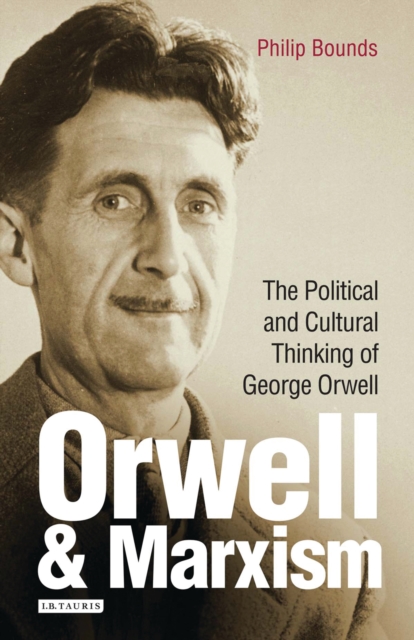
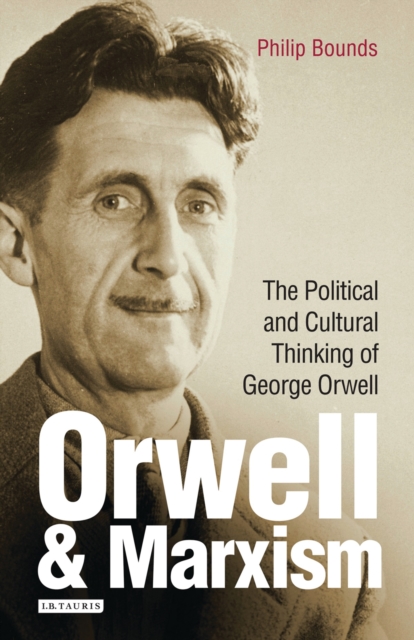
Whether as a fighter in the Spanish Civil War, an advocate of patriotic Socialism or a left-wing opponent of the Soviet Union, George Orwell was the ultimate outsider in politics - insecure, scornful of orthodoxies, cussedly independent.
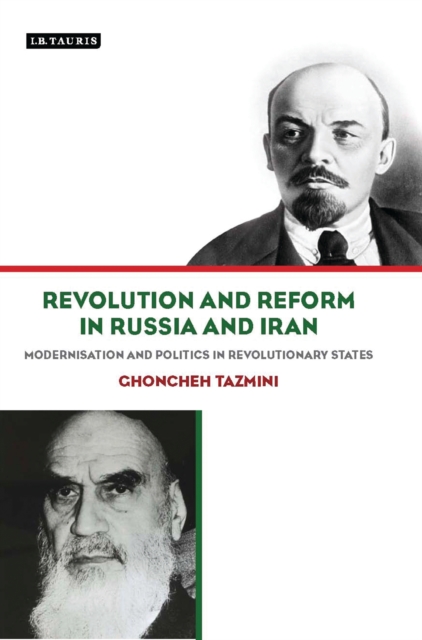
The Russian Revolutions of 1917 and the Iranian Revolution of 1979 are two examples of dramatic, sudden and extraordinary political upheaval that significantly altered the nature of the state and society in the modern age.
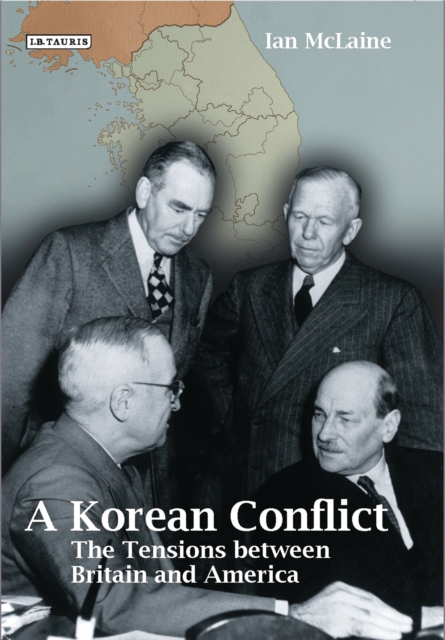
In 1950, just five years after the end of World War II, Britain and America again went to war--this time to try and combat the spread of communism in East Asia following the invasion of South Korea by communist forces from the North.
In the last thirty years of his life, Leo Tolstoy developed a moral philosophy that embraced pacifism, vegetarianism, the renunciation of private property, and a refusal to comply with the state.
In 1950, just five years after the end of World War II, Britain and America again went to war--this time to try and combat the spread of communism in East Asia following the invasion of South Korea by communist forces from the North.
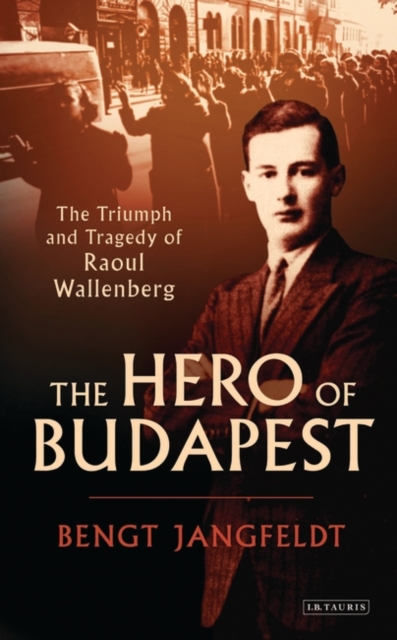
The story of Raoul Wallenberg - the Swedish businessman who, at immense personal risk, rescued many of Budapest's Jews from the Holocaust and subsequently disappeared into the Soviet prison system - is one of the most fascinating episodes of World War II.
On 27th May 1977, a small demonstration against the MPLA, the ruling party of Angola led to the slaughter of thousands, if not tens of thousands, of people.
Whether as a fighter in the Spanish Civil War, an advocate of patriotic Socialism or a left-wing opponent of the Soviet Union, George Orwell was the ultimate outsider in politics - insecure, scornful of orthodoxies, cussedly independent.
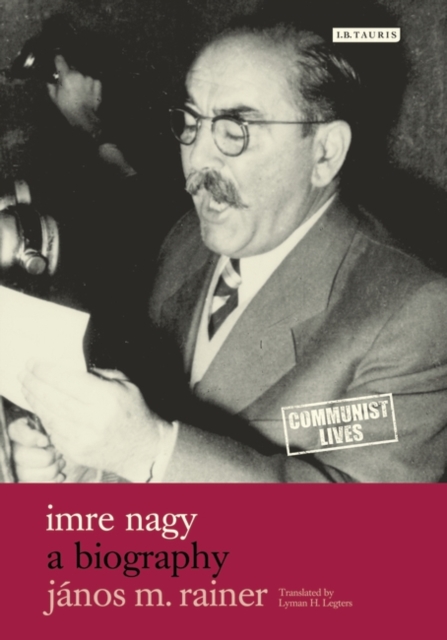
After nearly three decades of dutiful service to the Communist Party, Imre Nagy led the popular uprising against the Soviet authorities during the 1956 Hungarian Revolution.
Who were the British MPs sympathetic to the Soviets - the 'crypto-communists' 'left-wing gadflys', the 'neo-Stalinist left' so derided by fellow politicians, journalists, historians and the public?
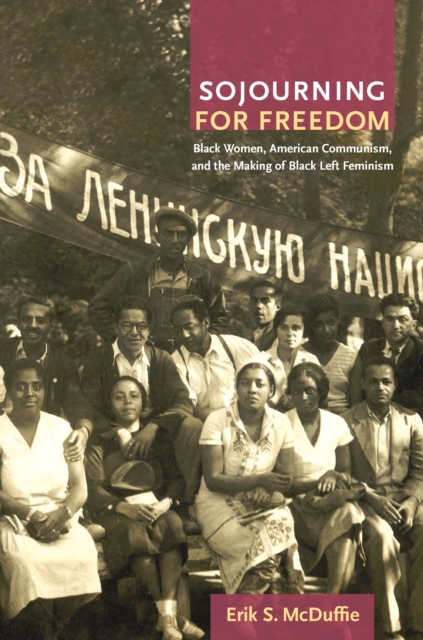
Sojourning for Freedom portrays pioneering black women activists from the early twentieth century through the 1970s, focusing on their participation in the U.
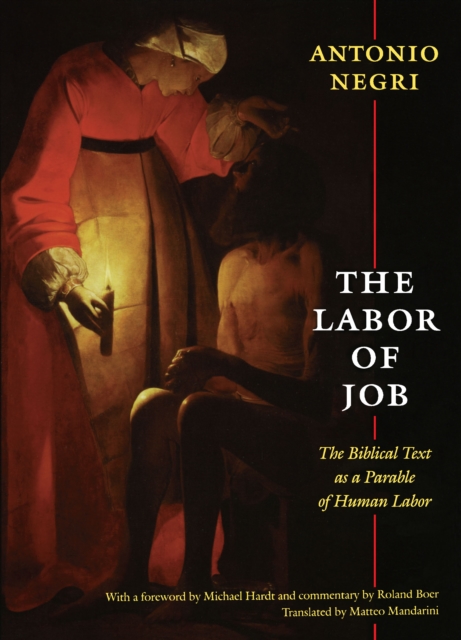
In The Labor of Job, the renowned Marxist political philosopher Antonio Negri develops an unorthodox interpretation of the Old Testament book of Job, a canonical text of Judeo-Christian thought.
The neoliberal project in the West has created an increasingly polarized and impoverished world, to the point that the vast majority of its citizens require liberation from their present socioeconomic circumstances.
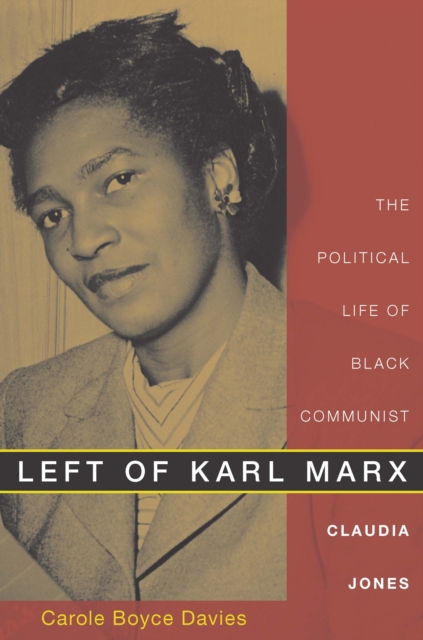
In Left of Karl Marx, Carole Boyce Davies assesses the activism, writing, and legacy of Claudia Jones (1915-1964), a pioneering Afro-Caribbean radical intellectual, dedicated communist, and feminist.
In Postsocialism and Cultural Politics, Xudong Zhang offers a critical analysis of China's "e;long 1990s,"e; the tumultuous years between the 1989 Tiananmen Square crackdown and China's entry into the World Trade Organization in 2001.
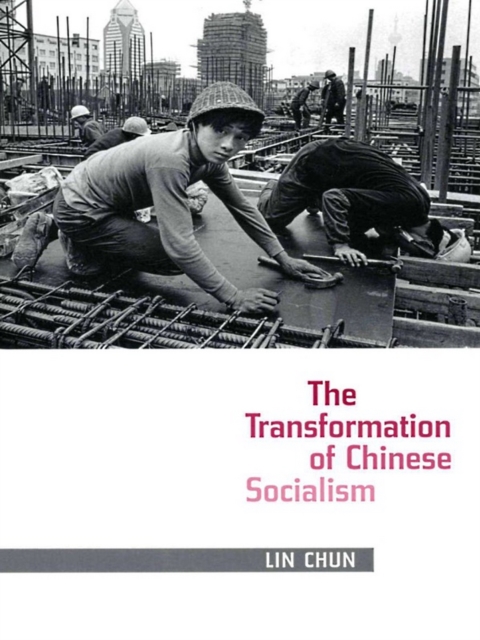
In this significant contribution to both political theory and China studies, Lin Chun provides a critical assessment of the scope and limits of socialist experiments in China, analyzing their development since the victory of the Chinese communist revolution in 1949 and reflecting on the country’s likely paths into the future.
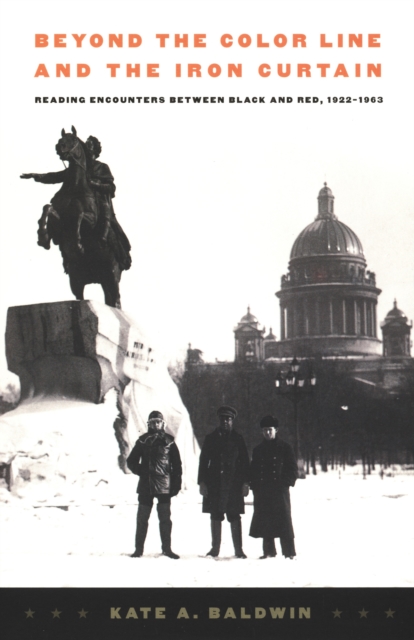
Examining the significant influence of the Soviet Union on the work of four major African American authors-and on twentieth-century American debates about race-Beyond the Color Line and the Iron Curtain remaps black modernism, revealing the importance of the Soviet experience in the formation of a black transnationalism.
Displaying the particular vitality of the global traditions of Marxism and neomarxism at the beginning of the twenty-first century, New AsianMarxisms collects essays by a diverse group of scholars-historians, political scientists, literary scholars, and sociologists-who offer a range of studies of the Marxist heritage focusing on Korea, Japan, India, and China.
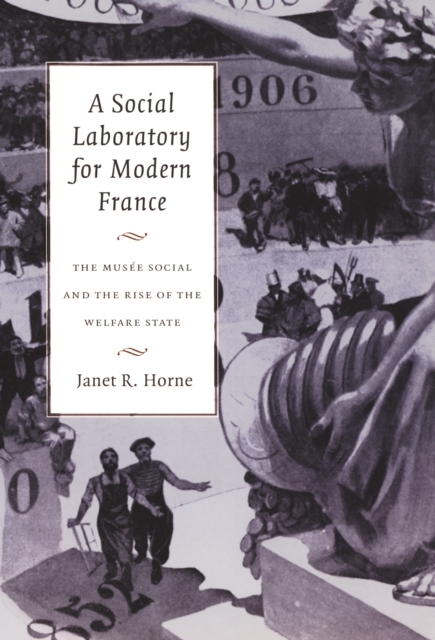
As a nineteenth-century think tank that sought answers to France's pressing "e;social question,"e; the Musee Social reached across political lines to forge a reformist alliance founded on an optimistic faith in social science.
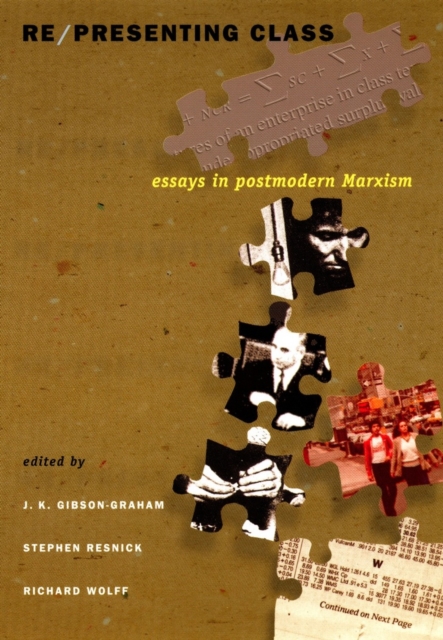
Re/presenting Class is a collection of essays that develops a poststructuralist Marxian conception of class in order to theorize the complex contemporary economic terrain.
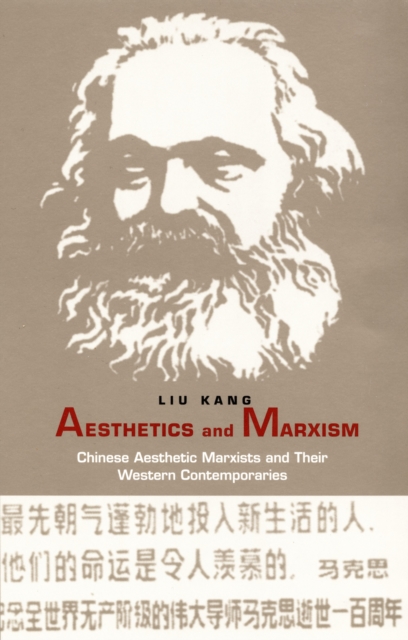
Although Chinese Marxism-primarily represented by Maoism-is generally seen by Western intellectuals as monolithic, Liu Kang argues that its practices and projects are as diverse as those in Western Marxism, particularly in the area of aesthetics.
Unconventional and provocative, My Life with Things is Elizabeth Chin's meditation on her relationship with consumer goods and a critical statement on the politics and method of anthropology.
In The Sublime Perversion of Capital Gavin Walker examines the Japanese debate about capitalism between the 1920s and 1950s, using it as a "e;prehistory"e; to consider current discussions of uneven development and contemporary topics in Marxist theory and historiography.
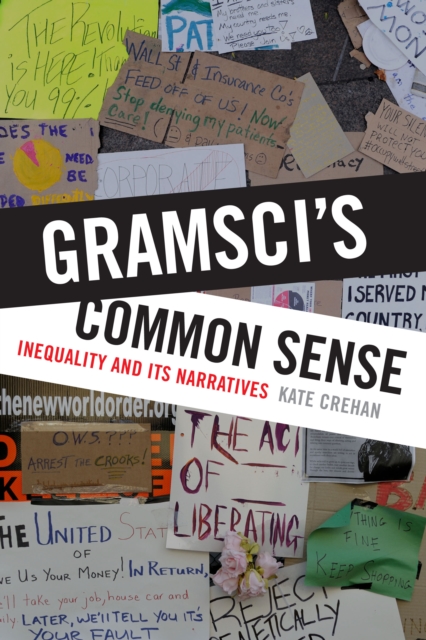
Acknowledged as one of the classics of twentieth-century Marxism, Antonio Gramsci's Prison Notebooks contains a rich and nuanced theorization of class that provides insights that extend far beyond economic inequality.